
The casting of a ballot is a cornerstone of democratic processes, a tangible representation of individual civic engagement. However, the journey of that ballot doesn’t conclude when it’s dropped into a secure box or scanned at a precinct. The period following an election is crucial, marked by a complex, multi-stage process designed to ensure accuracy, security, and ultimately, the legitimate outcome of the vote. This process, often shrouded in mystery for the average voter, is deeply intertwined with technological advancements, robust security protocols, and the overarching need for transparency. Understanding what happens to ballots after an election offers a critical insight into the integrity of our democratic systems and the vital role of digital security in safeguarding the electoral process.
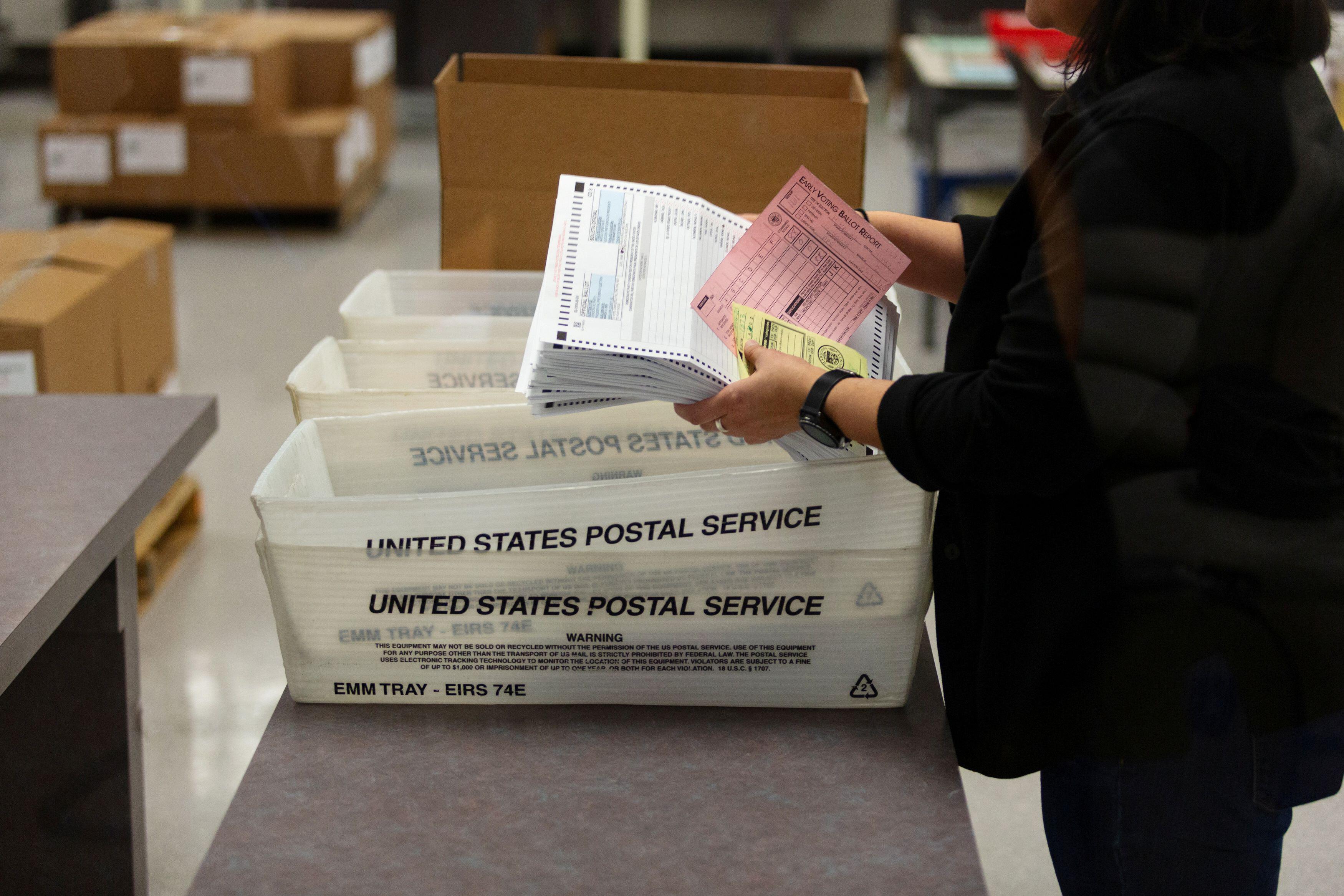
The lifecycle of a ballot post-election involves several distinct phases, each with its own set of procedures and technological underpinnings. From the initial collection and transportation to the meticulous counting and auditing, every step is designed to prevent tampering, errors, and disenfranchisement. As technology evolves, so too do the methods employed to secure and process these vital documents, creating a constant interplay between established practices and innovative solutions aimed at enhancing efficiency and trust.
The Secure Chain of Custody: From Polling Place to Tabulation Center
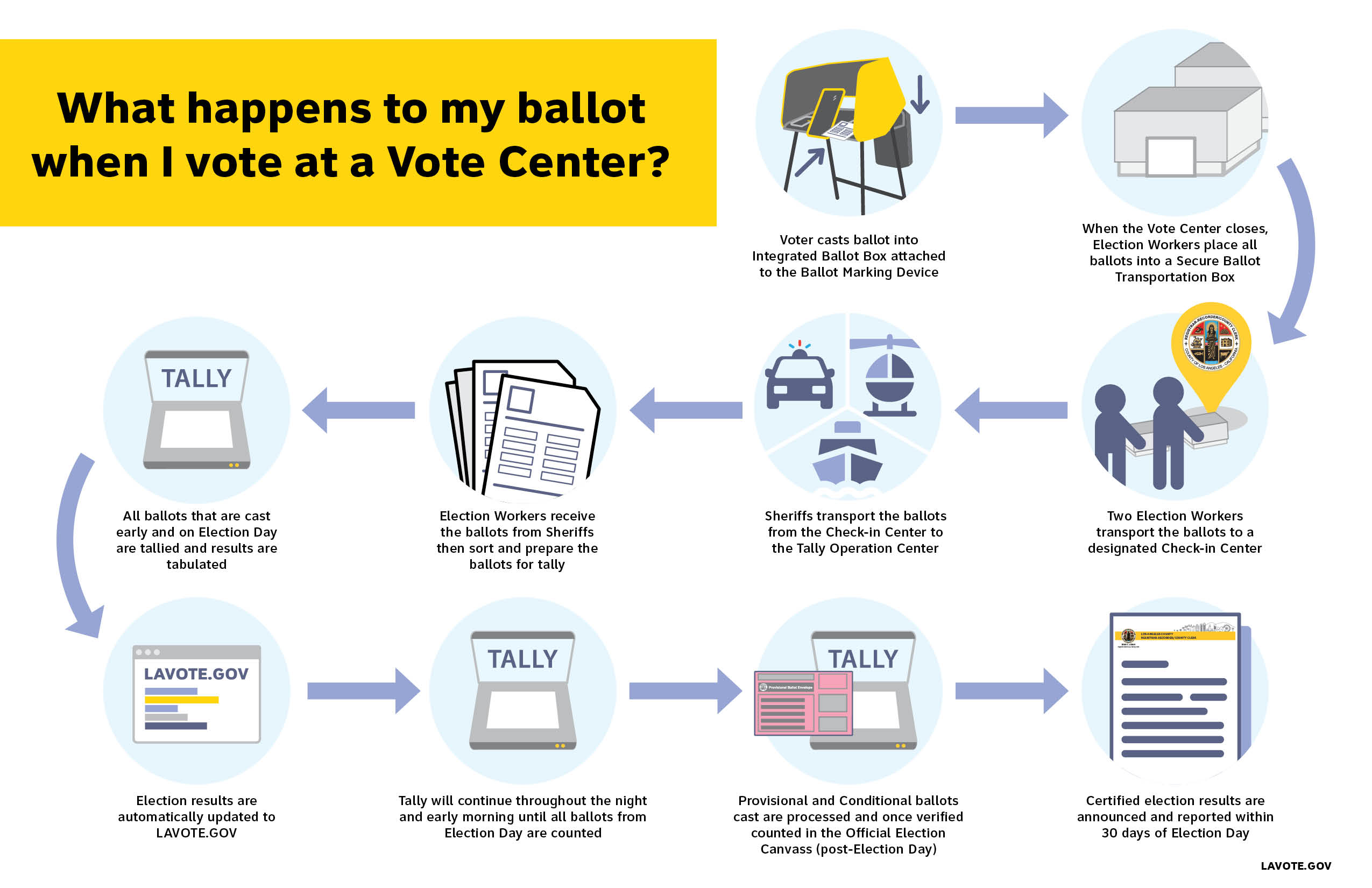
The integrity of an election hinges on an unbroken chain of custody for every ballot. This begins the moment polls close and continues until the final results are certified. The physical security of ballots is paramount, and technological advancements are increasingly playing a role in bolstering this crucial phase.
Securing the Physical Journey
Once the polls close, election officials begin the process of securing and transporting all cast ballots. This involves a series of rigorous protocols to ensure that no ballot is lost, altered, or tampered with. Ballots are typically collected from each polling station and transported to designated tabulation centers under armed guard or in secure, sealed vehicles.
- Sealed Containers and Tamper-Evident Seals: Ballots are placed in specialized containers that are then sealed with tamper-evident devices. These seals are designed to show clear signs of attempted interference, acting as a visible deterrent and an immediate indicator if the container has been breached. Modern systems often utilize unique serial numbers on these seals, allowing for a digital record of their application and verification.
- Logistics and Tracking: The movement of ballots is meticulously logged. This includes details about the origin and destination of each shipment, the personnel involved, and the time of departure and arrival. While traditionally a paper-based log, advancements in GPS tracking and secure digital manifests are increasingly being integrated to provide real-time monitoring and an immutable record of the transit. This digital layer adds another critical element of security and accountability, allowing authorities to trace the exact path of every ballot.
- Dual-Party Escorts and Witnessing: In many jurisdictions, the transportation of ballots is conducted with dual-party escorts or witnessed by representatives from different political parties. This bipartisan oversight further enhances transparency and reduces the potential for any single entity to exert undue influence over the process. The presence of independent observers, often equipped with secure communication devices to report any anomalies, reinforces the integrity of the chain of custody.
The Role of Technology in Transit Security
While the core principles of physical security remain, technology is enhancing the reliability and transparency of ballot transit.
- GPS Tracking and Geofencing: Secure vehicles transporting ballots are increasingly equipped with GPS trackers. This allows election officials and authorized observers to monitor their location in real-time. Geofencing capabilities can be employed to ensure that vehicles remain within designated routes and only stop at authorized locations, triggering alerts if deviations occur. This provides an immediate layer of digital oversight.
- Digital Manifests and Blockchain: The traditional paper manifest is being supplemented, and in some cases replaced, by digital versions. These digital manifests can be secured using cryptographic hashes, and increasingly, considerations are being made for utilizing blockchain technology. A blockchain ledger could immutably record every step of the ballot’s journey, creating a decentralized and transparent audit trail that is virtually impossible to alter retroactively. This technology offers a robust solution for verifying the integrity of the chain of custody.
- Secure Communication Channels: Election officials and escort personnel utilize secure communication channels to report on the status of ballot transportation. These channels are encrypted and protected against unauthorized access, ensuring that sensitive information regarding ballot movements is not compromised.
The Art and Science of Counting: Accuracy, Auditing, and Digital Verification
Once ballots arrive at the tabulation center, the intricate process of counting and verifying begins. This stage is where the most significant technological interventions are found, aimed at ensuring speed, accuracy, and robust auditing capabilities.
Automated Tabulation and Optical Scan Technology
The vast majority of ballots cast in modern elections are processed using automated tabulation systems, predominantly optical scan machines. These machines are designed to read and count votes quickly and efficiently, while also flagging potential issues.

- Optical Scan Machines: Voters typically mark their ballots with a pen or pencil, and these marked ballots are then fed into optical scan machines. The machines use optical character recognition (OCR) or similar technologies to interpret the voter’s intent. This involves scanning the ballot and comparing the marks to a predefined template, identifying where the voter has made their selections.
- Error Detection and Suspense Files: Optical scan machines are programmed to detect anomalies. This can include ballots that are improperly marked, have extraneous marks, or are unreadable. These ballots are then segregated into a “suspense file” for manual review by election officials. This manual review ensures that voter intent is not discarded due to minor errors and that no ballot is unfairly disqualified.
- Data Aggregation and Reporting: After scanning, the data from the ballots is aggregated by the tabulation machines. This aggregated data is then used to generate preliminary and final vote counts for precincts, districts, and the entire election. Secure data transfer protocols are employed to move this information from individual machines to central tabulation systems.
Digital Auditing and Recount Procedures
The integrity of the count is further strengthened by robust auditing and recount procedures, which increasingly leverage digital tools.
- Risk-Limiting Audits (RLAs): A growing number of jurisdictions are implementing Risk-Limiting Audits. RLAs are a type of post-election audit designed to provide a high degree of confidence that the reported outcome is correct. They work by checking a statistically significant sample of paper ballots against the machine count. If discrepancies are found that exceed a predetermined threshold, a full or partial recount is initiated.
- Digital Comparison and Verification: The process of auditing often involves comparing digital records of the machine count against scanned images of the actual paper ballots. Specialized software can automate this comparison, flagging any discrepancies for human review. This allows auditors to quickly identify potential issues with the tabulation process.
- Blockchain for Audit Trails: The application of blockchain technology extends to the tabulation process itself. By recording each ballot’s unique identifier and its interpreted vote onto a blockchain, an immutable and transparent audit trail is created. This makes it virtually impossible to alter the recorded vote counts after they have been validated and added to the chain. Furthermore, it allows for independent verification of the tabulation results by authorized parties.
- Secure Data Storage and Archiving: Once the election is certified, the cast ballots and associated digital data are securely stored and archived for a legally mandated period. This archiving process is crucial for potential recounts, audits, or legal challenges. Secure digital storage solutions, often employing encryption and access controls, are essential to protect this sensitive data from unauthorized access or deletion.
Ensuring Transparency and Trust Through Digital Safeguards
The post-election ballot handling process is not solely about counting votes; it’s about fostering public trust. Transparency in this process is paramount, and digital security plays a vital role in achieving this.
Public Access and Observation
Democratic principles necessitate that the electoral process, including the handling of ballots, is observable by the public and their designated representatives. Technology is facilitating new avenues for this.
- Live Streaming and Remote Observation: In some jurisdictions, the ballot tabulation process is livestreamed, allowing the public to observe the proceedings remotely. This provides an unprecedented level of transparency, enabling citizens to witness firsthand how their votes are being processed and counted. Secure platforms with encryption are employed to ensure the integrity of these streams.
- Observer Access to Data: Authorized election observers, including those representing political parties and independent watchdog groups, are often granted access to certain election data. This access can include the digital logs of ballot transfers, the results from tabulation machines, and potentially, anonymized ballot images for auditing purposes. Secure portals and controlled access mechanisms are used to manage this data dissemination.
- Open-Source Software and Auditable Systems: A push towards open-source software for election tabulation and management systems is gaining traction. This allows independent security experts and the public to scrutinize the code used in these systems, identifying potential vulnerabilities or biases. The principle is that if the code is transparent and auditable, it builds greater trust in the system’s integrity.
Cybersecurity and Data Protection
The digital infrastructure underpinning post-election ballot processing is a prime target for cyber threats. Robust cybersecurity measures are therefore indispensable.
- Encryption: All sensitive election data, whether in transit or at rest, is protected through strong encryption protocols. This ensures that even if data is intercepted, it remains unintelligible to unauthorized individuals. This applies to data from tabulation machines, digital manifests, and audit logs.
- Access Control and Authentication: Strict access control policies are implemented to limit who can access election systems and data. Multi-factor authentication, role-based access, and regular security audits are employed to prevent unauthorized entry and ensure that only authorized personnel can perform specific functions.
- Intrusion Detection and Prevention Systems: Election offices deploy intrusion detection and prevention systems (IDPS) to monitor network activity for suspicious patterns. These systems can detect and alert on potential cyberattacks in real-time, allowing for rapid response and mitigation before any damage can be done.
- Regular Security Audits and Penetration Testing: Election systems undergo regular independent security audits and penetration testing. These exercises simulate real-world cyberattacks to identify vulnerabilities in the systems before malicious actors can exploit them. Findings from these tests are used to strengthen defenses and patch any identified weaknesses.
The Future of Ballot Security: Emerging Technologies
As technology continues to advance, the methods for securing and processing ballots will undoubtedly evolve. The focus remains on enhancing accuracy, efficiency, and most importantly, public confidence.
- Advanced Biometrics and Authentication: While not widely implemented yet, future election systems might explore advanced biometric authentication for election officials handling ballots or accessing sensitive data. This could further strengthen access controls and reduce the risk of insider threats.
- Decentralized Identity and Verifiable Credentials: The principles of decentralized identity and verifiable credentials could be applied to the election process, ensuring that voters and election officials can prove their identity and authorization in a secure and privacy-preserving manner.
- AI for Anomaly Detection: Artificial intelligence and machine learning are already being used for analyzing patterns in data. In the future, AI could be employed to identify more subtle anomalies or patterns in ballot data that might indicate fraud or errors, augmenting human oversight.
- Enhanced Digital Audit Trails: The ongoing development of blockchain and distributed ledger technologies promises even more sophisticated and transparent audit trails for every stage of the ballot’s journey. This will continue to be a key area of focus for enhancing election integrity.
In conclusion, the post-election life of a ballot is a meticulously managed process that blends physical security with increasingly sophisticated digital safeguards. From the secure transport under armed guard and tamper-evident seals to the automated tabulation, risk-limiting audits, and cybersecurity measures, every step is designed to uphold the integrity of the democratic outcome. The embrace of technologies like GPS tracking, encryption, and the potential integration of blockchain, alongside a commitment to public observation and transparency, are not merely operational necessities but fundamental pillars for building and maintaining public trust in the electoral process. Understanding this complex journey empowers citizens with a clearer appreciation for the efforts undertaken to ensure that every vote counts, accurately and securely.
aViewFromTheCave is a participant in the Amazon Services LLC Associates Program, an affiliate advertising program designed to provide a means for sites to earn advertising fees by advertising and linking to Amazon.com. Amazon, the Amazon logo, AmazonSupply, and the AmazonSupply logo are trademarks of Amazon.com, Inc. or its affiliates. As an Amazon Associate we earn affiliate commissions from qualifying purchases.