
The loss of the Space Shuttle Challenger on January 28, 1986, remains one of the most profound tragedies in the history of space exploration. Beyond the immediate shock and grief, the incident raised critical questions about the resilience of the human body under extreme conditions and the technological failures that led to the disaster. While public attention often focuses on the causes of the explosion itself – the O-ring failure and the subsequent investigation into NASA’s decision-making processes – the fate of the crew’s remains is a somber and scientifically significant aspect of the aftermath. Understanding what happened to the Challenger crew bodies necessitates delving into the physics of catastrophic spacecraft failure, the challenges of recovery operations, and the ethical considerations surrounding the handling of human remains in such extreme circumstances.
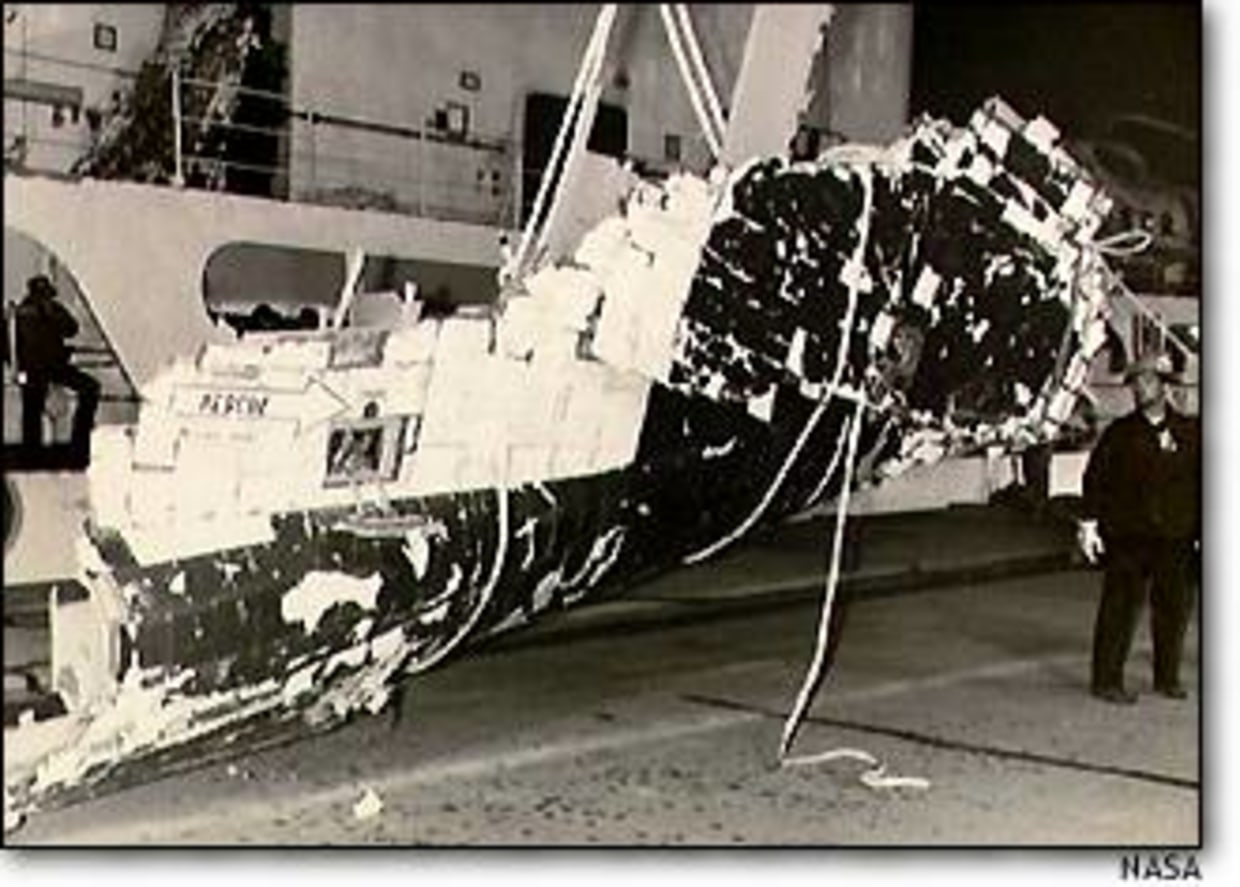
The Challenger disaster was not a simple explosion; it was a catastrophic disintegration of the orbiter at an altitude of approximately 46,000 feet. This meant that the forces involved in the destruction of the vehicle were immense, far exceeding anything the human body could withstand. The crew members, strapped into their seats within the command module, would have been subjected to unimaginable G-forces, extreme deceleration, and likely rapid depressurization. The question of what happened to their bodies is intrinsically linked to the physical processes that tore the shuttle apart.
The Physics of Catastrophic Disintegration
The disintegration of the Space Shuttle Challenger was a complex event driven by aerodynamic forces acting on a compromised structure. The initial failure of the right solid rocket booster (SRB) O-ring, which allowed hot gases to escape, led to a chain reaction. This breach created a plume of flame that impinged upon the external tank and the adjacent SRB, eventually causing a structural failure in the tank. As the external tank ruptured, its contents – liquid oxygen and liquid hydrogen – were released, leading to a massive explosion.
Aerodynamic Forces and Human Physiology
At the moment of disintegration, the Challenger was traveling at supersonic speeds. The immense velocity and the subsequent rapid deceleration, coupled with the explosive forces, created an environment where the human body could not survive. The intact cabin, though a protective shell, was not designed to withstand such extreme forces. It is theorized that the crew capsule remained largely intact for a period of the descent, but the forces experienced were still fatal.
The primary impact on the crew would have been due to extreme deceleration. Imagine hitting a wall at over 1,000 miles per hour; the resulting forces would be devastating. While the exact sequence of events for each crew member is impossible to definitively ascertain, it is understood that the rapid depressurization of the cabin would have occurred, leading to loss of consciousness. However, the ultimate cause of death would have been the overwhelming physical trauma. The explosive forces and the subsequent freefall from such a high altitude meant that the bodies were subjected to forces that would result in immediate and catastrophic trauma. There was no possibility of survival beyond the initial moments of the disaster.
The Impact of Altitude and Velocity
The altitude at which the disaster occurred is a critical factor in understanding the fate of the crew. At 46,000 feet, the atmospheric pressure is significantly lower than at sea level. While the cabin provided some protection, any breach would have led to rapid depressurization. Furthermore, the sheer velocity of the shuttle meant that the aerodynamic forces were immense. As the shuttle broke apart, the individual components, including the crew cabin, were subjected to violent buffeting and stresses. These forces would have been sufficient to cause severe injury and fragmentation of the human body, even if the cabin itself remained structurally somewhat intact for a short period. The forces involved are akin to being caught in an incredibly violent, high-speed vortex.
Recovery Operations and the Challenges of Retrieval
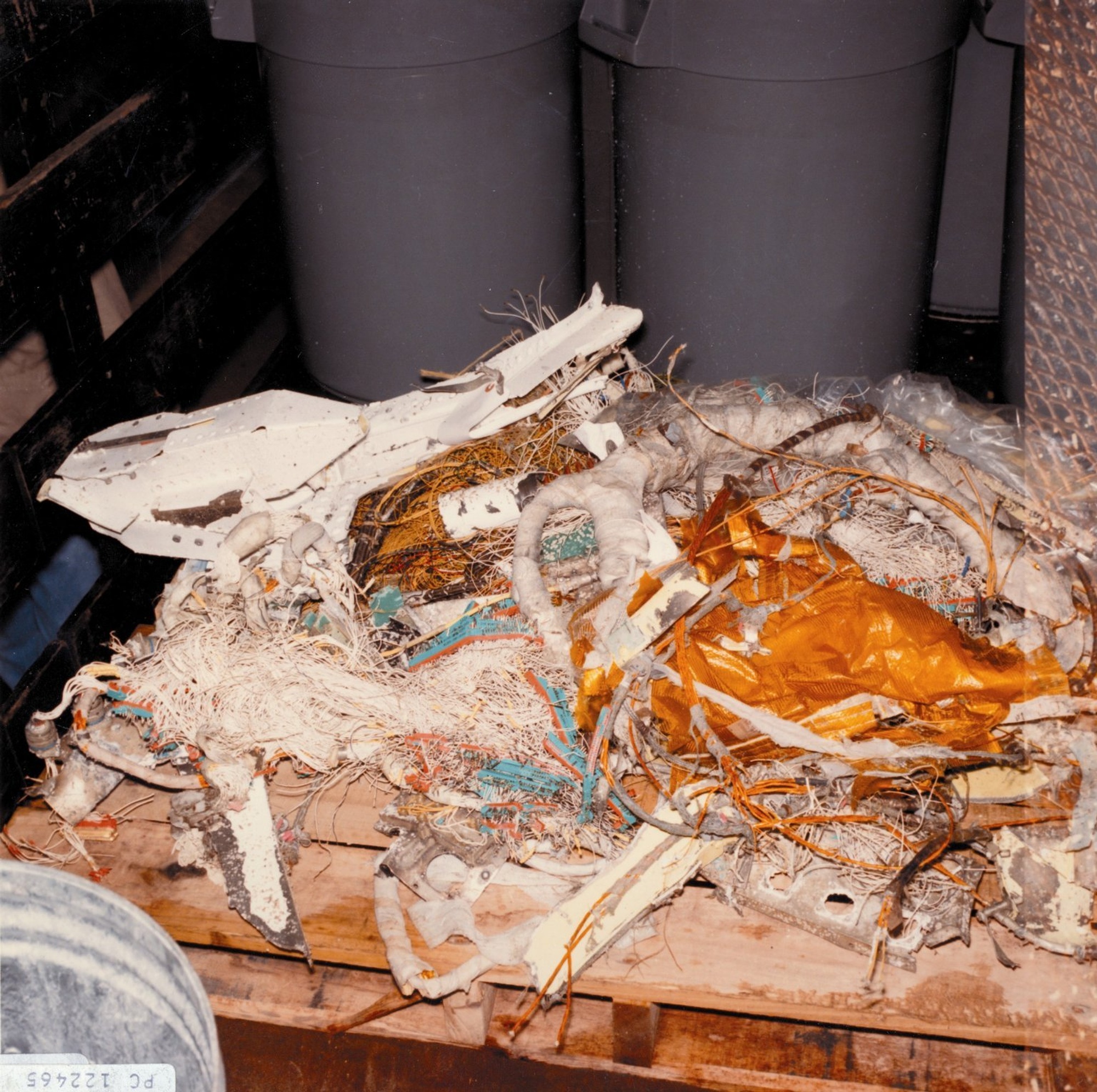
The immediate aftermath of the Challenger disaster saw a massive and complex recovery operation launched. The debris field was scattered across a vast area of the Atlantic Ocean, presenting significant logistical and technical challenges. The primary objective was to recover as much of the shuttle as possible, including the crew cabin, to aid in the investigation and to provide a sense of closure for the families. The recovery of the crew’s remains was an integral, albeit harrowing, part of this process.
The Seabed and Debris Field
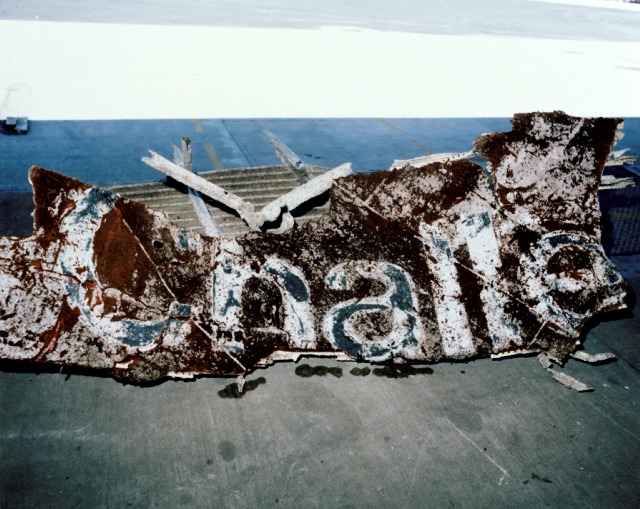
The Challenger disintegrated over the Atlantic Ocean, and much of its debris, including the crew cabin, sank to the ocean floor. The depth of the water in the recovery area, ranging from 100 to 1,000 feet, presented considerable difficulties for divers and submersible vehicles. The search for debris involved a fleet of ships, sonar equipment, and remotely operated vehicles (ROVs). The sheer volume of scattered material meant that a systematic and painstaking approach was necessary. The ocean currents and the corrosive nature of saltwater added to the complexity of the recovery efforts.
Identification and Respectful Handling
Once sections of the crew cabin were recovered, the process of identifying the remains began. This was an extremely sensitive and challenging task, given the state of the debris and the forces involved. Forensic anthropologists and medical examiners worked tirelessly to identify the astronauts, often with limited physical material. The utmost respect and dignity were paramount in these efforts, even under the most difficult circumstances. The process of identification involved comparing any recovered remains with pre-flight dental records, medical histories, and DNA evidence. The goal was not only scientific identification but also to ensure that each crew member was honored and accounted for in a manner befitting their service and sacrifice. The recovery teams were trained to handle such situations with extreme care and sensitivity, recognizing the profound emotional impact on the families.
Scientific and Ethical Considerations
The fate of the Challenger crew bodies, while a source of immense grief, also brought to the forefront important scientific and ethical considerations regarding human spaceflight and disaster response. The events of Challenger spurred advancements in safety protocols and underscored the inherent risks of venturing into space.
Lessons Learned in Spaceflight Safety
The Challenger disaster led to a fundamental re-evaluation of NASA’s safety culture and procedures. The subsequent investigation, led by the Rogers Commission, identified numerous systemic failures, including a flawed decision-making process, inadequate communication, and pressure to launch despite known technical concerns. The findings directly impacted how future space missions were planned and executed. This included greater emphasis on independent safety oversight, improved communication channels, and a more robust process for addressing technical anomalies. The lessons learned from Challenger have undeniably contributed to the continued success and safety of subsequent space programs, including the International Space Station and the Artemis program.
The Ethical Imperative of Recovery and Remembrance
The recovery and identification of the Challenger crew bodies, despite the immense difficulty, represented an ethical imperative. It was a testament to the commitment to honoring those who perished and providing a measure of closure for their loved ones. This process highlights the profound respect that society holds for astronauts and the sacrifices they make. The identification and respectful handling of remains in disaster situations are not merely practical procedures but also deeply symbolic acts of remembrance. The memorials and tributes established in the aftermath of the Challenger tragedy serve as enduring reminders of the crew’s bravery and the enduring human spirit of exploration. The scientific understanding gained from analyzing the forces involved and the impact on the human body, while derived from tragedy, also contributes to a broader understanding of biomechanics and the limits of human endurance in extreme environments, knowledge that can inform future safety designs in various high-risk fields.
aViewFromTheCave is a participant in the Amazon Services LLC Associates Program, an affiliate advertising program designed to provide a means for sites to earn advertising fees by advertising and linking to Amazon.com. Amazon, the Amazon logo, AmazonSupply, and the AmazonSupply logo are trademarks of Amazon.com, Inc. or its affiliates. As an Amazon Associate we earn affiliate commissions from qualifying purchases.