
The question of “what happened to Lilith in the Bible?” is a fascinating one, not because Lilith is a prominently featured character in its narrative, but precisely because she is absent. The Bible, as a foundational text for major Abrahamic religions, offers a rich tapestry of stories, characters, and theological pronouncements. Yet, the name “Lilith” and the specific lore associated with her are conspicuously missing from its canonical pages. This absence, however, has not prevented her from becoming a significant figure in broader cultural, theological, and even, in some interpretations, digital discussions, particularly within the realm of technology and its evolving impact on narratives and belief systems.

This exploration delves into the genesis of the Lilith myth, her subsequent evolution beyond biblical scripture, and her surprising re-emergence and reinterpretation within the digital landscape. While the Bible itself offers no direct answers, the question of Lilith has spurred a remarkable journey through ancient texts, apocryphal traditions, and modern technological platforms.
The Genesis of Absence: Lilith Beyond the Canon
The absence of Lilith from the biblical narrative is, in itself, a topic worthy of examination. While the creation stories in Genesis are central to understanding the origins of humanity, Lilith’s narrative appears to have emerged from different cultural and linguistic roots, later interwoven into Jewish folklore.
The Mesopotamian Shadow: Whispers of the Night Demon
The earliest whispers of a figure resembling Lilith can be traced back to ancient Mesopotamian mythology. While not a direct biblical precursor, these early myths provide a backdrop against which the later Lilith figure can be understood. In Sumerian and Babylonian texts, references appear to lilitu or lilim, which were female demons or night spirits. These beings were often associated with wildness, sexuality, and a potential threat to humanity, particularly to infants and pregnant women.
The name “Lilith” itself is believed to derive from the Hebrew word layla, meaning “night.” This etymology strongly suggests a connection to nocturnal beings and the fears associated with the darkness. These early Mesopotamian concepts, characterized by their shadowy and potentially dangerous nature, may have contributed to the archetypal understanding of Lilith, even if they did not directly enter the biblical text. The biblical writers, while undoubtedly influenced by the cultural milieu of the ancient Near East, selectively incorporated and adapted existing traditions. The figure of Lilith, with her perceived rebellion and autonomy, may have been deemed incompatible with the theological framework they were constructing.
The Testament of Solomon: The Emergence of a Rabbinic Figure
The most significant early textual appearance of Lilith, outside of the biblical canon, is found in the Testament of Solomon. This apocryphal text, dating from the 1st to 4th centuries CE, is a pseudepigraphal work attributed to King Solomon. It describes Solomon’s mastery over demons through the use of a magical ring given to him by the Archangel Michael. In this text, Lilith is presented as a formidable demon queen, a seductive and dangerous entity who preys on newborns and men.
Within the Testament of Solomon, Lilith is depicted as a formidable antagonist, the mother of demons, and a threat to humanity. Her power is said to be immense, and her ability to harm the vulnerable is a central theme. This text is crucial because it solidifies Lilith’s character as a rebellious, independent, and powerful female entity, distinct from the more submissive portrayals of women in some biblical narratives. Her emergence in such texts highlights a parallel tradition of understanding female power and agency, often framed within demonic or cautionary tales. This development occurred after the core biblical texts were established, indicating her integration into Jewish folklore rather than her original inclusion in scripture.
Lilith’s Transmutation: From Folklore to Feminist Icon
Lilith’s journey did not cease with her solidification in Jewish folklore. Her narrative has undergone significant transformations, particularly in modern times, where she has been reinterpreted and embraced by various movements, including feminist discourse and, increasingly, within the digital sphere.
The Eve’s Shadow: A Reimagining of Autonomy and Rebellion
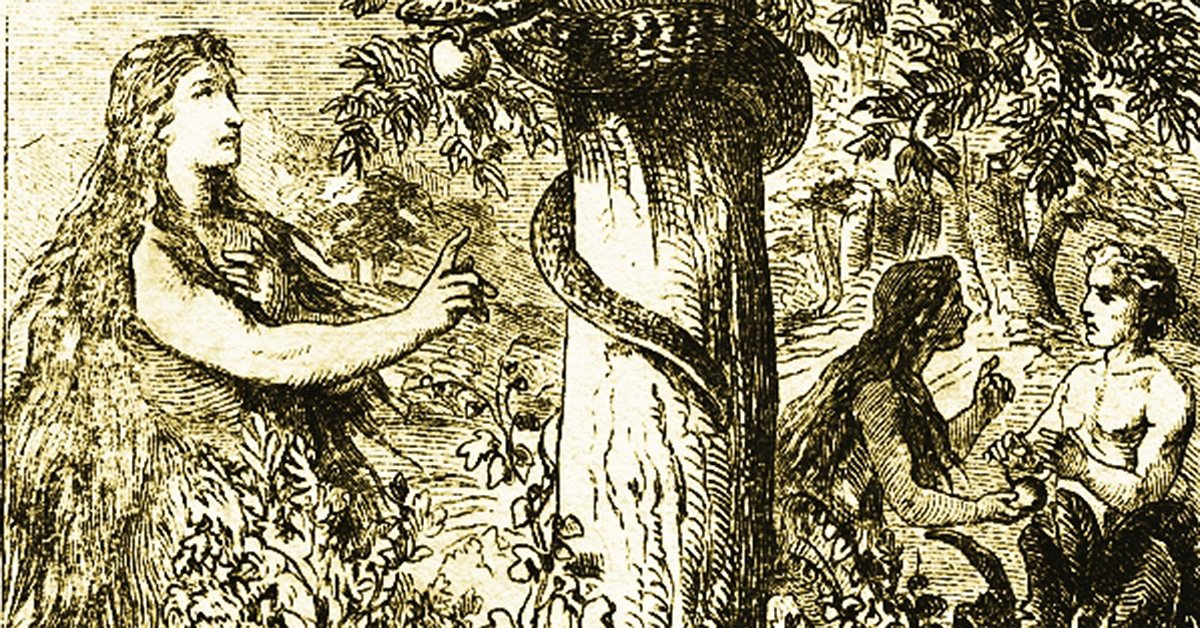
The most popular and influential origin story for Lilith, widely circulating in Jewish folklore, posits her as the first woman created by God, before Eve. According to this tradition, Lilith was created from the same dust as Adam, making her his equal. However, she refused to be subservient to him, particularly in their sexual relations, and would not lie beneath him. Her insistence on equality led to a profound conflict, and Lilith, unwilling to compromise her autonomy, uttered God’s ineffable name and flew away from the Garden of Eden.
This narrative positions Lilith as a symbol of independence, defiance, and self-determination. She is the woman who refused to be defined by man or by patriarchal authority. Her departure from Eden is not seen as a fall from grace in the same way as Adam and Eve’s, but rather as a powerful act of self-preservation and a rejection of subjugation. This interpretation, while rooted in folklore, has resonated deeply with modern feminist thought, offering a counter-narrative to traditional portrayals of women in religious texts. Lilith becomes the archetypal woman who prioritizes her freedom and equality above all else, a powerful symbol for those challenging patriarchal structures.
The Feminist Reappropriation: Empowering the Unconventional
In the late 20th and 21st centuries, Lilith has been widely reappropriated by feminist scholars, writers, and activists. She has become a potent symbol of female power, sexual liberation, and resistance against oppressive societal norms. Her story provides a powerful counterpoint to the perceived passivity and subservience of other female figures in religious traditions.
Feminist interpretations often highlight Lilith’s strength, courage, and unwavering commitment to her own identity. Her refusal to conform and her independent flight from Eden are celebrated as acts of liberation. She represents the “other woman,” the one who exists outside the prescribed norms, and whose narrative has been suppressed or demonized by patriarchal systems. This reappropriation has led to Lilith’s appearance in literature, art, and popular culture, where she is often depicted not as a monstrous demon, but as a strong, independent woman who embodies radical self-acceptance and defiance.
Lilith in the Digital Age: Algorithmic Echoes and Virtual Identities
The digital age has provided new avenues for the exploration and reinterpretation of ancient myths and figures. While the Bible remains a cornerstone of many belief systems, its narratives are increasingly being discussed, debated, and even reimagined through digital platforms, and Lilith, with her rich and adaptable lore, has found a new, albeit often indirect, resonance within this space.
AI and Narrative Generation: The Unforeseen Implications of Algorithmic Storytelling
The rise of Artificial Intelligence (AI) and advanced algorithms has opened up new frontiers in content creation and narrative generation. As AI models are trained on vast datasets of text and information, they inevitably encounter and process the complex tapestry of human mythology, religious texts, and folklore. While an AI might not “understand” the theological significance of Lilith, its algorithms can identify patterns, connections, and recurring themes associated with her name and story.
When prompts related to ancient myths, religious figures, or even discussions about gender and autonomy are fed into AI models, the algorithms may draw upon the dispersed lore surrounding Lilith. This can lead to AI-generated content that references her, even if the original biblical texts do not. For example, if an AI is asked to generate a story about the “first woman” or to explore themes of rebellion against divine decree, it might, based on its training data, weave in elements of the Lilith myth. This is not a conscious resurrection of Lilith by AI, but rather an algorithmic reflection of her enduring presence in human culture, as captured in the data it has processed. The implications of this are profound: AI can inadvertently resurface and disseminate narratives that have historically been marginalized or excluded from dominant religious canons, bringing figures like Lilith into new conversations.

Digital Platforms and Community Building: Reinterpreting Archetypes in Online Spaces
The internet, through social media, forums, and online communities, has become a powerful space for the dissemination and reinterpretation of narratives. While direct theological discussions about Lilith and the Bible might be limited, the archetype of Lilith, as a symbol of rebellion, independence, and unconventional power, finds fertile ground in online spaces.
Digital platforms allow for the rapid sharing of feminist interpretations, artistic representations, and personal reflections on figures like Lilith. Online communities dedicated to mythology, folklore, or feminist discourse can engage in deep dives into her story, analyzing her significance through a contemporary lens. This is where the “what happened to Lilith in the Bible” question takes on a new dimension. The answer remains “nothing, she’s not there,” but the discussion around her, fueled by online sharing and interpretation, creates a virtual presence. People might share articles, fan fiction, or artwork that explores Lilith’s character, effectively building a digital narrative around her. This digital amplification ensures that her story, even if apocryphal in relation to the Bible, continues to evolve and resonate with new audiences, demonstrating the enduring power of archetypes in the age of instant information. Her journey from Mesopotamian whispers to biblical absence, and now to digital ubiquity, is a testament to the persistent human need to explore themes of creation, rebellion, and identity.
aViewFromTheCave is a participant in the Amazon Services LLC Associates Program, an affiliate advertising program designed to provide a means for sites to earn advertising fees by advertising and linking to Amazon.com. Amazon, the Amazon logo, AmazonSupply, and the AmazonSupply logo are trademarks of Amazon.com, Inc. or its affiliates. As an Amazon Associate we earn affiliate commissions from qualifying purchases.