
Family Guy. The name itself evokes a spectrum of reactions – from nostalgic chuckles to outright disdain, and for many, a persistent curiosity about its longevity and its place in the evolving landscape of television and pop culture. This iconic animated sitcom, created by Seth MacFarlane, has been a staple of adult animation for over two decades, weathering shifting comedic sensibilities, network changes, and the relentless march of new entertainment options. The question, “What happened to Family Guy?” is less about a singular catastrophic event and more about a complex interplay of factors that have shaped its enduring, albeit sometimes controversial, brand identity.
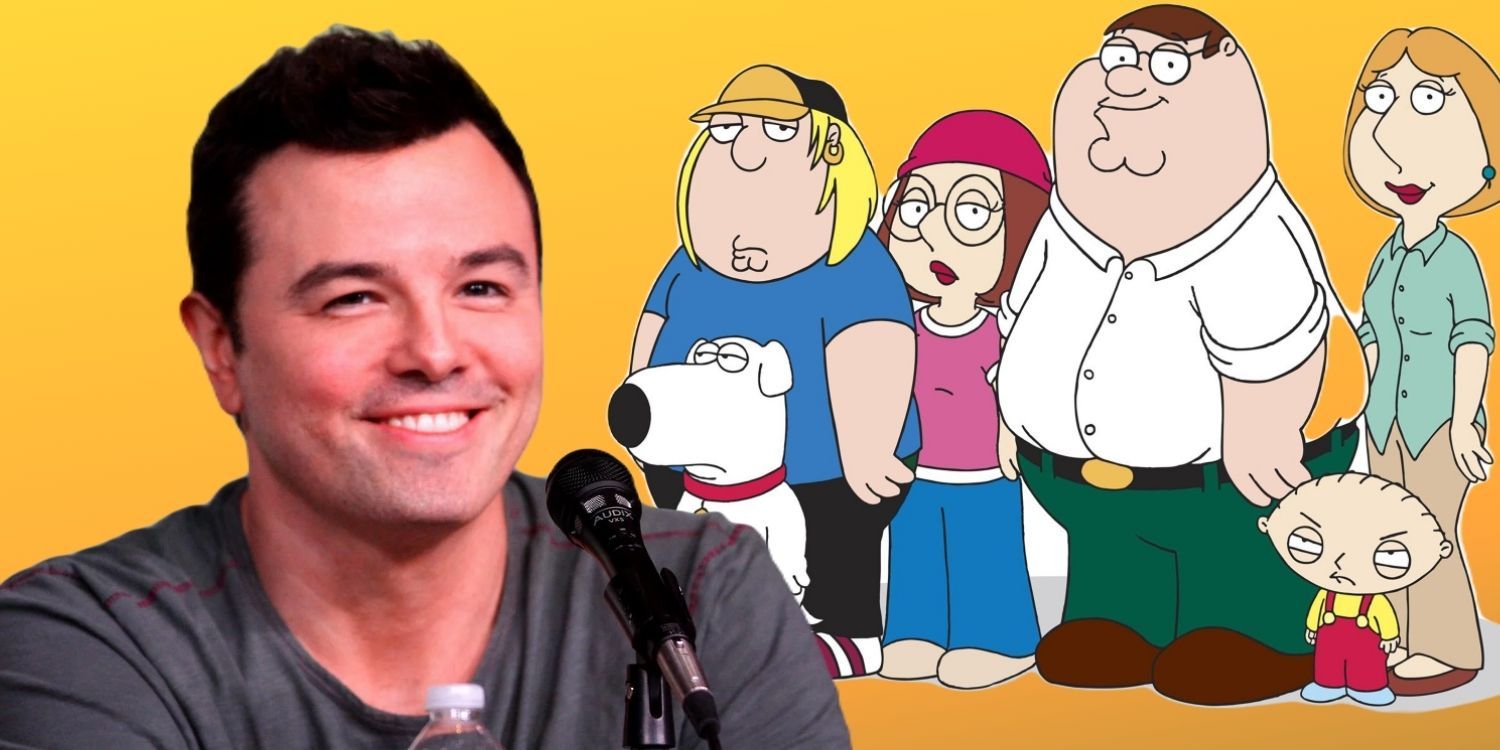
From a Brand perspective, Family Guy represents a fascinating case study in maintaining relevance, adapting (or not adapting) to audience expectations, and navigating the delicate balance between provocative humor and commercial viability. Its journey is a testament to the power of a distinct voice, a consistent creative core, and a remarkable ability to regenerate interest, even when faced with criticism. This article delves into the brand strategies, marketing evolution, and the enduring identity that has allowed Family Guy to not only survive but, in many ways, thrive in a hyper-competitive media environment.
The Genesis of a Provocative Brand: Establishing a Distinct Voice
Family Guy burst onto the scene in 1999 with a comedic sensibility that was, at the time, both fresh and audacious. Its brand was built on a foundation of rapid-fire, non-sequitur humor, pop culture references, and a willingness to push boundaries that many other shows shied away from. This deliberate cultivation of a provocative edge became the cornerstone of its identity.
Defining the “Family Guy” Brand of Humor
At its core, Family Guy’s humor is characterized by several key elements that define its brand:
- Observational Absurdity: The show takes everyday situations, often revolving around the Griffin family, and injects them with a surreal and often offensive twist. This is not just about making fun of things; it’s about deconstructing them through a lens of exaggerated reality.
- Cutaway Gags: The signature cutaway gags became a hallmark of the Family Guy brand. These tangential, often unrelated comedic set pieces served to break up narrative momentum and deliver standalone punchlines, reinforcing the show’s chaotic and unpredictable nature. They were a risky but ultimately effective branding tool, becoming instantly recognizable.
- Satire and Social Commentary (with a Caveat): While often accused of being purely shock-value humor, Family Guy does engage in satire. However, its commentary is rarely subtle or prescriptive. Instead, it often uses exaggeration and ridicule to highlight perceived societal hypocrisies or absurdities, sometimes with a liberal skew, other times seemingly aiming to offend across the board. This ambiguity is part of its brand.
- Character Archetypes and Running Gags: The consistent portrayal of the Griffin family – the dim-witted but well-meaning Peter, the longsuffering Lois, the evil genius Stewie, the dim-witted Chris, and the socially awkward Meg – provided a stable framework for the chaotic humor. Running gags and recurring characters further solidified the show’s internal universe, fostering a sense of familiarity for its audience.
Early Reception and the Spectacle of Controversy
The initial reception of Family Guy was a mixed bag, mirroring the show’s inherent divisiveness. Critics were often split, with some lauding its originality and others decrying its perceived vulgarity and lack of substance. However, this controversy itself became a powerful branding tool. The spectacle of outrage generated by certain episodes or jokes fueled water cooler conversations and online discussions, inadvertently drawing more viewers to experience the show firsthand. The network’s decision to cancel and then revive the show after strong DVD sales and syndicated ratings further solidified its brand as one that defied conventional television metrics and resonated deeply with a specific, dedicated audience. This resilience became a narrative in itself, contributing to its cult status and reinforcing its “outsider” brand image.
The Brand Evolution: Navigating Shifting Cultural Tides and Audience Expectations
Twenty-plus years in, the media landscape has transformed dramatically. Streaming services have democratized content creation and consumption, audiences are more vocal than ever, and comedic sensibilities are constantly evolving. For Family Guy, navigating these shifts has been a delicate balancing act, one that has seen its brand identity both solidify and, at times, be tested.
Adapting to the Streaming Era and Digital Discourse
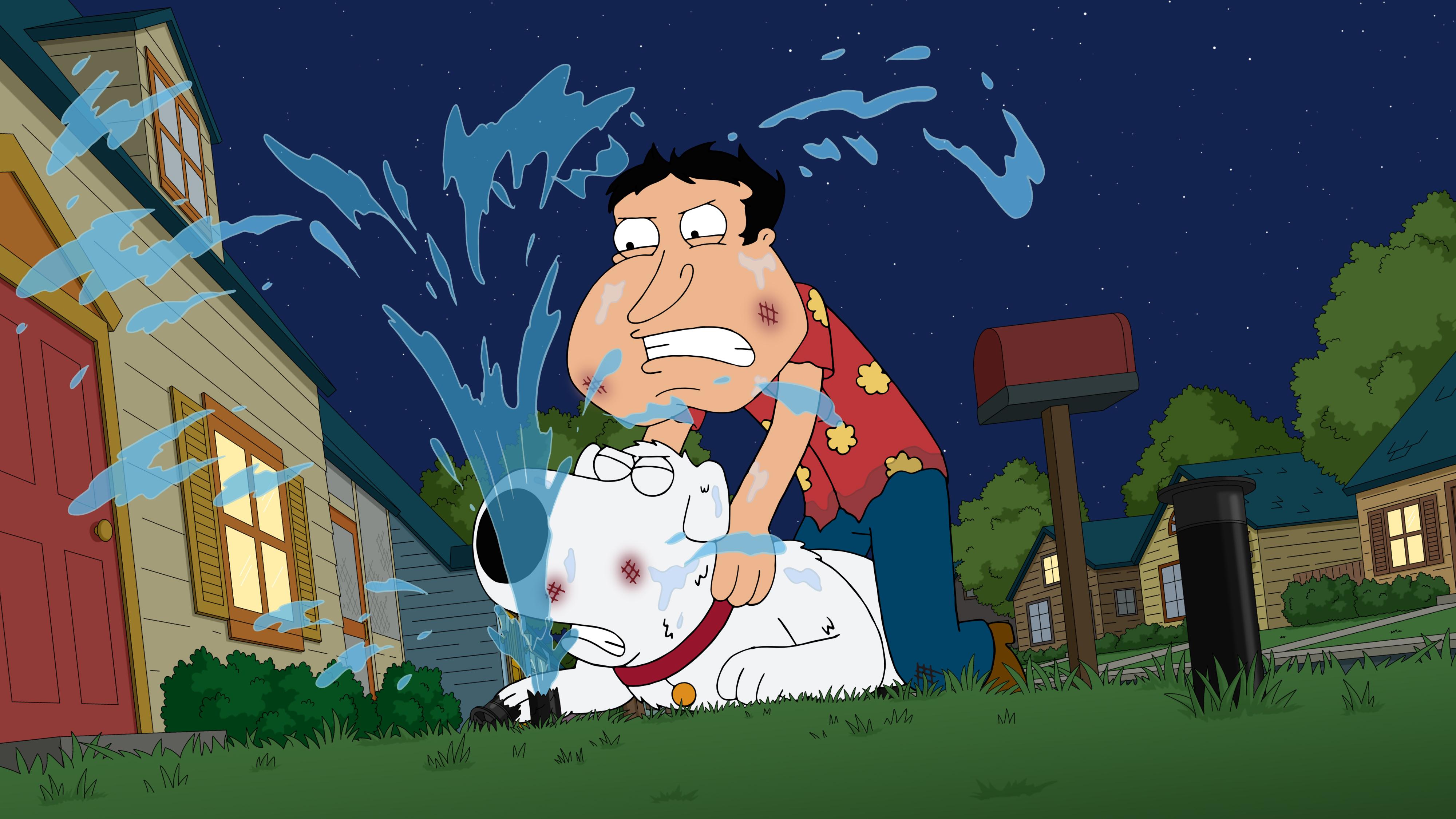
The advent of streaming platforms like Hulu (which inherited the show) and the proliferation of social media have fundamentally altered how audiences engage with content. Family Guy has, to some extent, adapted to this new reality.
- Increased Accessibility and Binge-Watching: Streaming has made the entire Family Guy back catalog readily accessible, encouraging binge-watching and a deeper immersion into the show’s universe. This accessibility has likely introduced new generations of viewers to its humor.
- Social Media Amplification and Backlash: Social media platforms serve as both a megaphone for fans and a lightning rod for criticism. Jokes that might have once been confined to a broadcast audience are now instantly dissected, shared, and debated online. This has led to instances where the show has faced significant backlash for particular jokes or storylines, forcing a brand introspection, even if the outward output remains largely the same.
- The Rise of “Cancel Culture” and Comedic Boundaries: The increasing sensitivity around certain topics has led to discussions about the limits of comedy. While Family Guy has historically thrived on pushing these boundaries, the cultural climate has made the brand more vulnerable to accusations of being outdated or offensive rather than simply edgy. The show’s creators have, at times, acknowledged this, with MacFarlane notably stating a desire to move away from certain types of jokes that were once prevalent. This subtle shift, even if not immediately apparent to all viewers, is a critical brand evolution.
Maintaining Core Identity While Addressing Criticism
The most fascinating aspect of Family Guy’s brand evolution is its ability to largely retain its core comedic DNA while also responding, however incrementally, to widespread criticism.
- The “It’s Just a Joke” Defense and its Limits: For years, the show’s defenders have argued that its outlandish humor is simply satire and not meant to be taken seriously. While this was a powerful defense early on, the cultural conversation has shifted. The brand’s longevity now hinges on its ability to balance this defense with a growing awareness of the impact of its humor.
- Subtle Shifts in Tone and Target: While the show hasn’t undergone a radical overhaul, there have been observable shifts. Jokes that once targeted specific minority groups with less nuance have, in some instances, been replaced by broader, more abstract targets or self-referential humor. This is not a complete abandonment of its provocative roots, but rather a re-calibration of its offensive potential to align with a slightly more cautious, though still audacious, brand persona.
- The “Meta” Commentary as a Brand Defense: Increasingly, Family Guy has embraced a meta-commentary on its own existence and the criticism it receives. Characters will sometimes acknowledge the show’s absurdity or the controversial nature of a particular joke. This self-awareness acts as a brand defense mechanism, allowing the show to acknowledge its critics without fundamentally altering its comedic approach. It’s a way of saying, “We know we’re pushing boundaries, and we’re doing it intentionally.”
The Enduring Brand: Why Family Guy Continues to Resonate
Despite its critics, Family Guy’s sustained presence on television and its continued popularity are undeniable. The question of “what happened to Family Guy” is answered by understanding the brand elements that have allowed it to persevere and, for a dedicated audience, remain a relevant cultural touchstone.
The Power of Nostalgia and Unwavering Fanbase
A significant factor in Family Guy’s enduring brand is the power of nostalgia. For viewers who grew up with the show, it represents a specific era of their lives and a distinct comedic voice they connect with.
- Generational Appeal and Legacy: The show has successfully cultivated a multi-generational fanbase. Younger viewers discover it through streaming and online clips, while older fans remain loyal. This generational appeal ensures a continued audience for the show’s legacy.
- Cult Following and Community: Family Guy has cultivated a strong cult following. Online communities, fan forums, and social media groups dedicated to the show provide a sense of belonging for its fans, reinforcing the brand’s emotional connection. These communities actively engage with the show, share favorite moments, and defend its comedic choices.

Brand Consistency as a Double-Edged Sword
Family Guy’s brand consistency has been both its greatest strength and, at times, a point of criticism. The show has largely remained true to its original comedic formula, which appeals to its core audience.
- Predictable Yet Reliable Humor: For its fans, the predictability of Family Guy’s humor is part of its appeal. They know what they’re going to get: rapid-fire jokes, offensive gags, and pop culture references. This reliability fosters a sense of comfort and familiarity, akin to returning to a beloved, albeit eccentric, friend.
- Resistance to Radical Overhaul: While some might argue that the show has become stale, its resistance to radical overhaul has preserved its core identity. Unlike shows that have undergone significant creative shifts and alienated their original audience, Family Guy’s consistent brand vision, for better or worse, has maintained its core demographic. This unwavering commitment to its established brand has allowed it to carve out a unique and unassailable niche in the animation landscape. The “what happened” is, in essence, that the brand refused to fundamentally change its identity, choosing instead to weather the storm of evolving tastes and criticisms by doubling down on its established, provocative identity.
In conclusion, “What happened to Family Guy?” is a question that probes the resilience of a brand built on provocation, consistency, and a unique comedic voice. It’s a story of a show that, despite its controversies, has managed to evolve its brand by acknowledging shifts in culture while remaining stubbornly true to its core identity. Its longevity is a testament to the enduring power of a distinct brand that, even when divisive, manages to cultivate a loyal following and maintain a significant presence in the ever-changing world of entertainment.
aViewFromTheCave is a participant in the Amazon Services LLC Associates Program, an affiliate advertising program designed to provide a means for sites to earn advertising fees by advertising and linking to Amazon.com. Amazon, the Amazon logo, AmazonSupply, and the AmazonSupply logo are trademarks of Amazon.com, Inc. or its affiliates. As an Amazon Associate we earn affiliate commissions from qualifying purchases.