
Edward Burns. The name itself conjures a specific era of American independent cinema – the gritty realism, the wry humor, the charmingly flawed protagonists. For a generation, he was the quintessential millennial auteur, a writer-director-actor who seemed to effortlessly translate his observations of New York life into compelling, relatable stories. His early films like “The Brothers McMullen,” “She’s the One,” and “Sidewalks of New York” cemented his reputation as a distinctive voice. But as the landscape of Hollywood and audience consumption has shifted dramatically over the past two decades, a natural question arises: what happened to Edward Burns, the prominent brand of the 90s indie scene, and how has his presence within the industry evolved?

To understand this evolution, we need to look beyond a simple narrative of decline or disappearance. Instead, we see a strategic adaptation, a recalibration of his brand to suit new platforms, changing audience appetites, and the inherent challenges of maintaining a sustained presence in a notoriously fickle industry. Burns, much like many creatives who found initial success, has navigated these waters by diversifying his approach, leveraging his established name, and embracing opportunities that align with his evolving career aspirations.
The Ascendancy of the Independent Darling: Building the Edward Burns Brand
In the mid-to-late 1990s, Edward Burns emerged as a significant figure in the burgeoning independent film movement. His early success wasn’t just about making good movies; it was about cultivating a distinct personal brand that resonated with a specific demographic and captured the zeitgeist.
A Self-Made Narrative and Authentic Voice
Burns’ early career was characterized by a powerful “from the ground up” narrative. He wrote, directed, and starred in his own films, often with a personal touch that suggested authenticity. This was crucial in an era where audiences were increasingly seeking genuine voices and relatable stories, a counterpoint to the slicker, studio-driven blockbusters. His projects often focused on themes of working-class struggles, complicated relationships, and the search for meaning in urban environments, tapping into a vein of raw, unvarnished truth.
The “It” Factor: Charisma and Relatability
Beyond his filmmaking acumen, Burns possessed a natural charisma that translated effectively to the screen. He was perceived as a peer, someone who understood the aspirations and anxieties of his generation. This relatability was a key component of his brand. He wasn’t an aloof, inaccessible star; he was the guy next door, albeit a guy with a knack for storytelling. This made his films feel more accessible and his presence more compelling.
Strategic Collaborations and Early Industry Recognition
While largely operating in the independent space, Burns also made strategic choices that bolstered his brand. His collaborations with actors like Maxine Bahns, Jennifer Aniston, and Cameron Diaz in his early films helped introduce him to a wider audience and associate him with emerging talent. The critical acclaim and commercial success of films like “The Brothers McMullen” and “She’s the One” provided vital validation, solidifying his position as a directorial talent to watch. This early recognition served as a powerful endorsement, amplifying his brand’s reach and influence.
The Shifting Tides: Adapting to a Evolving Media Landscape
As the 21st century unfolded, the media landscape underwent a seismic shift. The rise of streaming services, the democratization of content creation, and the fragmentation of audience attention presented new challenges and opportunities for established figures like Edward Burns. His response to these changes offers a compelling case study in brand adaptation.
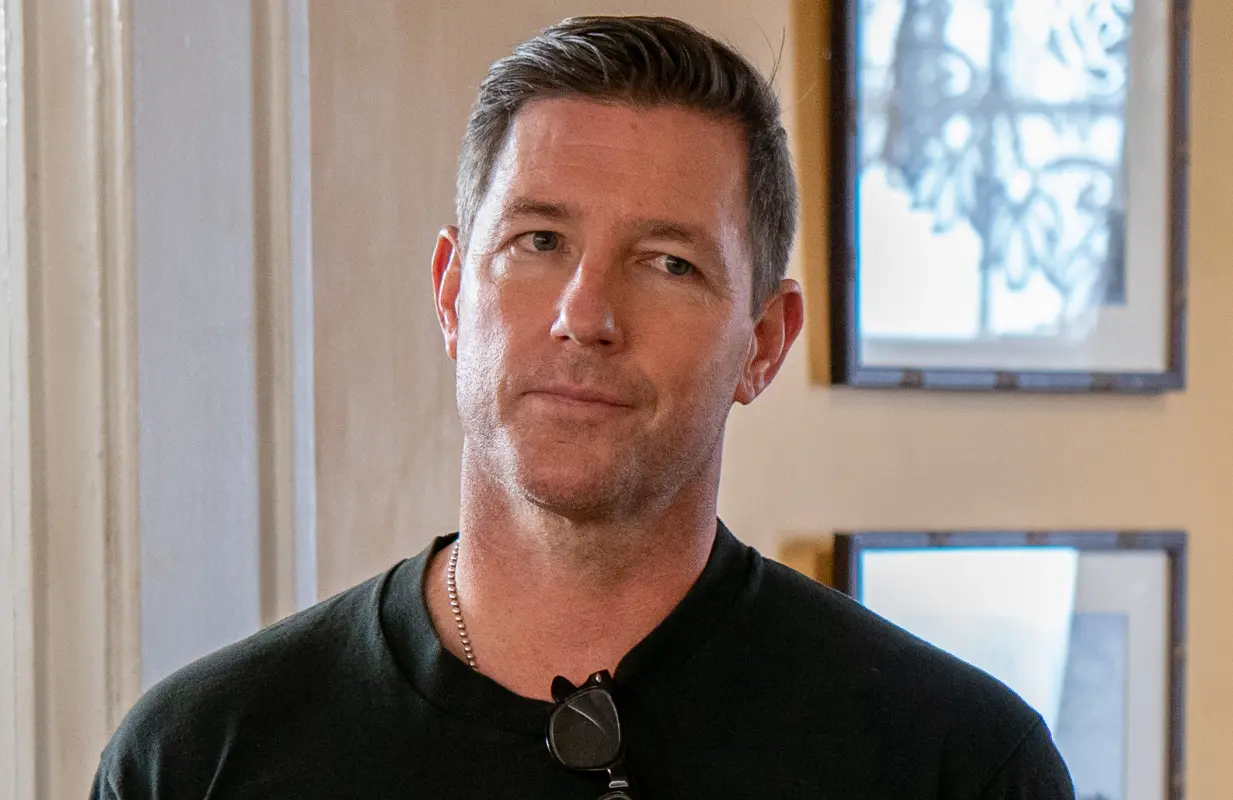
Embracing Television and Streaming Platforms
Recognizing the evolving ways audiences consume content, Burns, like many filmmakers, began to explore the burgeoning world of television. His involvement in series like TNT’s “Public Morals” and more recently, the critically acclaimed Apple TV+ series “Mr. Robot” (where he played a significant recurring role) demonstrates a strategic pivot. These ventures allowed him to engage with a broader audience, experiment with longer-form storytelling, and stay relevant in a space that often dictates cultural conversation. While not always as personally driven as his early films, these roles allowed him to maintain a visible presence and continue to hone his craft.
Diversification of Roles and Projects
Beyond television, Burns has also diversified his acting and producing roles. He has taken on roles in studio films, independent projects, and even ventured into more commercially driven fare. This diversification, while perhaps not always aligning perfectly with his original indie auteur brand, serves a practical purpose: maintaining a career, exploring new creative avenues, and understanding the broader industry dynamics. Each role, whether a leading man, a supporting character, or a producer, contributes to the ongoing narrative of his professional journey.
The Impact of Digital Distribution and Content Creation
The rise of digital platforms and the ease of content creation have democratized filmmaking. While this has opened doors for new voices, it has also intensified competition for audience attention. For established brands, it necessitates a continuous effort to remain visible and resonant. Burns has, in his own way, navigated this by continuing to produce his own projects, albeit often on a smaller scale and with different distribution models. His engagement with platforms that allow for more direct audience connection, even if not always heavily publicized, reflects an understanding of how to maintain a brand in the digital age.
Re-evaluating the “Edward Burns” Brand: Consistency and Evolution
The question of “what happened to Edward Burns” is less about a loss of relevance and more about the transformation of his brand within a dynamic industry. His journey offers valuable insights into how creative individuals can adapt and endure.
The Enduring Appeal of Authenticity and Craft
While the superficial markers of his early success might have changed, the core elements of the Edward Burns brand – a commitment to authentic storytelling and a dedication to craft – remain. His consistent output, even if less in the spotlight than during his peak indie period, speaks to a persistent passion for filmmaking. Audiences who connect with his early work often retain an appreciation for his distinctive style and thematic concerns, even as he explores new territories.
The Challenge of Maintaining a Singular Identity in a Fragmented Market
One of the inherent challenges for any creative brand is maintaining a singular, recognizable identity in a market that increasingly favors niche audiences and fragmented consumption. For Burns, the initial “indie darling” brand was powerful because it was so specific. As his career has broadened, the challenge has been to communicate the continuity of his artistic values while also embracing new opportunities. This often means a more subtle integration of his personal brand into diverse projects.
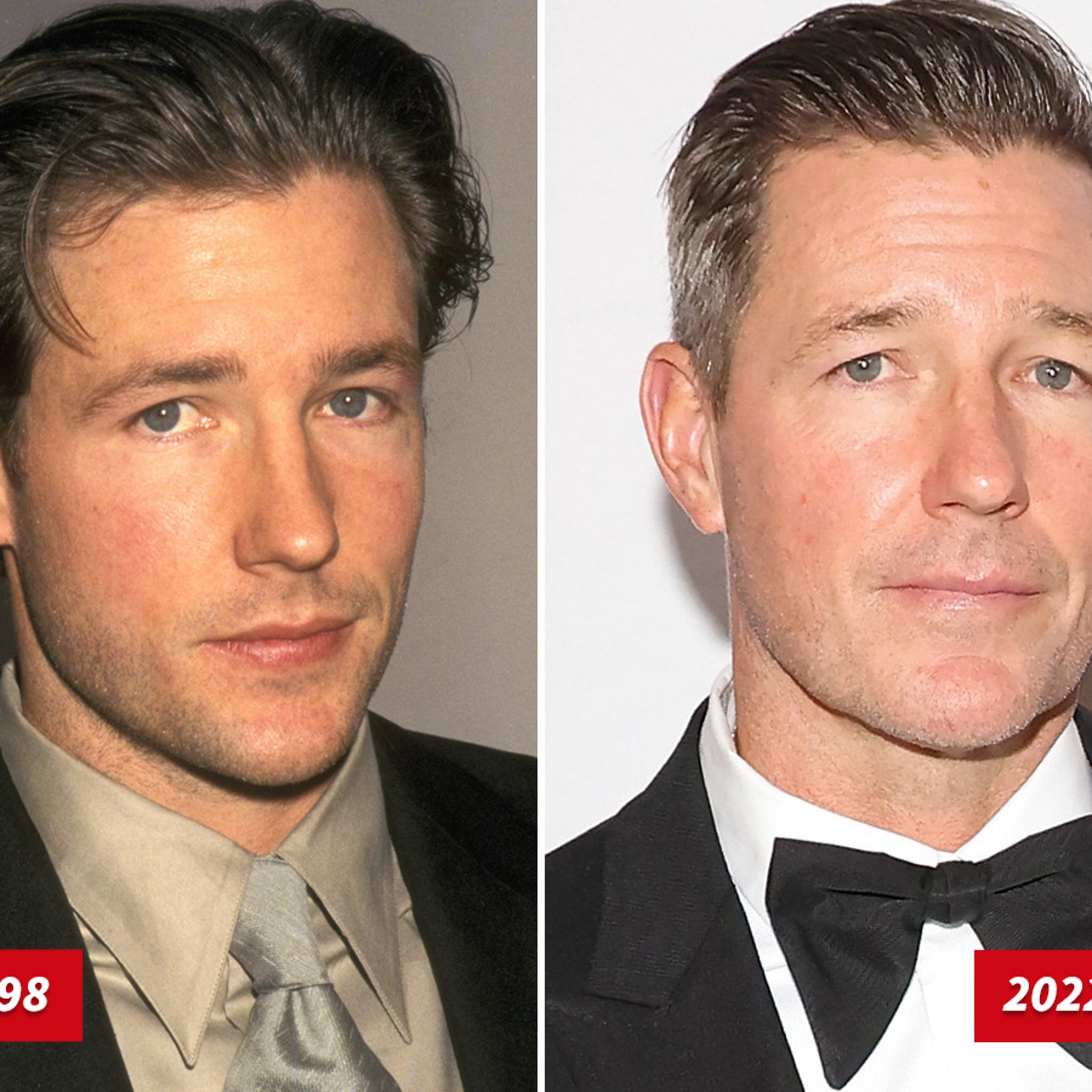
The Legacy and Future of the Edward Burns Brand
Edward Burns’ career is a testament to resilience and adaptation. He has successfully transitioned from a breakout independent filmmaker to a seasoned actor and producer, navigating the ever-changing tides of Hollywood. His story is not one of fading away, but of a deliberate evolution. He has leveraged his foundational brand of relatable storytelling and authentic voice to forge new paths, demonstrating that a strong creative identity can endure by embracing new platforms and diversifying its expression. The “what happened to Edward Burns” narrative is, in essence, the story of a seasoned artist who continues to engage with his craft and his audience, albeit in ways that reflect the sophisticated, multifaceted media landscape of today. His enduring presence, though perhaps less overtly celebrated than in the past, is a testament to a brand built on substance and adaptability.
aViewFromTheCave is a participant in the Amazon Services LLC Associates Program, an affiliate advertising program designed to provide a means for sites to earn advertising fees by advertising and linking to Amazon.com. Amazon, the Amazon logo, AmazonSupply, and the AmazonSupply logo are trademarks of Amazon.com, Inc. or its affiliates. As an Amazon Associate we earn affiliate commissions from qualifying purchases.