
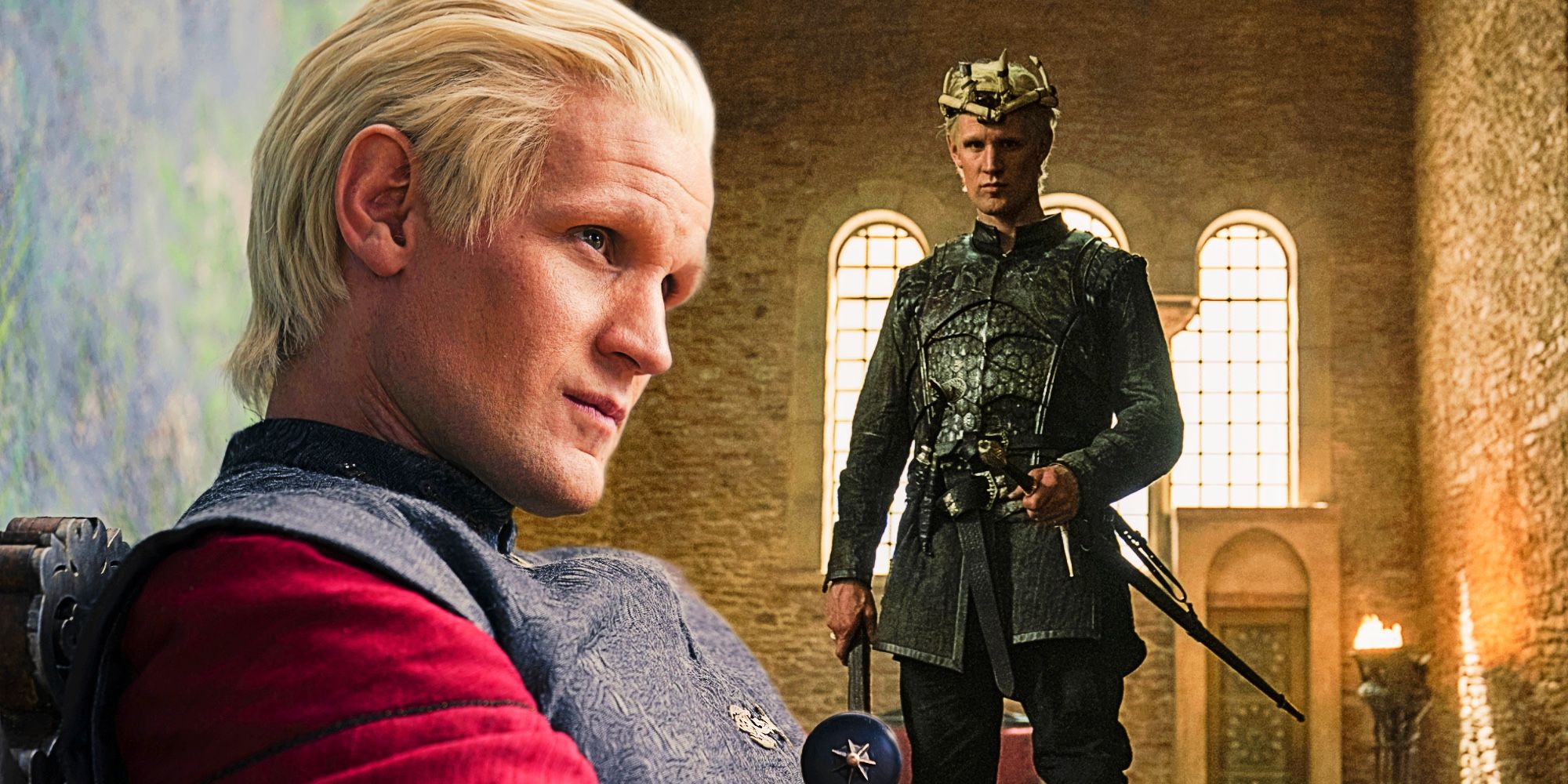
The name Daemon Targaryen, once synonymous with power, prestige, and a lineage that commanded the loyalty of an entire continent, has become a cautionary tale in the annals of Westerosi history. While fictional, the trajectory of Daemon’s influence and eventual downfall offers a compelling lens through which to examine the fundamental principles of brand strategy, corporate identity, and the devastating consequences of strategic missteps. This article will delve into the critical failures that led to the erosion of the Targaryen brand, analyzing them through the framework of modern brand management and marketing principles. We will explore how a once-unassailable brand lost its sheen, ultimately contributing to its dramatic collapse.
The Foundation of Targaryen Dominance: A Brand Built on Fire and Blood
The Targaryen dynasty didn’t simply inherit the Iron Throne; they forged it, both literally and figuratively. Their brand was intrinsically linked to a potent, almost mythical, origin story: the conquerors who brought dragons to Westeros. This was not merely a historical footnote; it was the cornerstone of their corporate identity, a powerful differentiator that set them apart from all other noble houses.
The Power of the Dragon: A Unique Selling Proposition (USP)
The dragons were the ultimate Unique Selling Proposition (USP) for the Targaryens. They were not just a symbol; they were a tangible, terrifying, and awe-inspiring force. This biological advantage translated into an unparalleled level of military might and, consequently, an unchallenged political dominance. In branding terms, the dragons were their potent competitive advantage, a feature that no rival could replicate. This USP was heavily leveraged in their brand messaging, implicit or explicit, through their iconography, their heraldry, and the very fear they inspired.
The Aura of Divinity and Destiny: Crafting an Infallible Image
Beyond the raw power of dragons, the Targaryens cultivated an aura of divinity and destiny. Their Valyrian heritage, their distinctive silver hair, and their perceived divine right to rule all contributed to an image of infallibility. This was a carefully constructed narrative, a brand story designed to inspire not just fear, but also reverence and unquestioning loyalty. They presented themselves as chosen, destined to rule, and this perception was crucial in maintaining their grip on power for centuries. In contemporary marketing, this would be akin to building a brand around a narrative of exceptionalism and inherent superiority, leveraging psychological triggers of aspiration and belief.
The Targaryen Brand Architecture: Simplicity and Intimidation
The Targaryen brand architecture was remarkably simple: dragons, fire, and absolute authority. Their sigil, the three-headed dragon, was universally recognized and evoked immediate associations with power. This clarity of identity made their brand easily understandable and consistently reinforced across all aspects of their rule, from royal decrees to public pronouncements. The lack of complex sub-brands or competing messaging ensured that the core Targaryen brand remained the undisputed focal point. This strategic simplicity, while effective in its time, would later prove to be a vulnerability when faced with evolving internal and external pressures.
Cracks in the Foundation: The Erosion of Brand Trust and Integrity
While the Targaryen brand was built on a strong foundation, internal weaknesses and a failure to adapt to evolving dynamics began to chip away at its integrity. The very elements that once bolstered their brand also contained the seeds of their eventual undoing.
The Peril of Succession: Brand Dilution Through Internal Conflict
The Targaryen approach to succession was a significant vulnerability. Unlike established corporate models that might favor meritocracy or a clear, predictable leadership transition, Targaryen succession was often dictated by lineage and, more problematically, by internal power struggles. The Dance of the Dragons is the most glaring example of this. This prolonged and devastating civil war, fought over disputed succession, was not merely a political conflict; it was a brand crisis of epic proportions.
Imagine a Fortune 500 company experiencing a brutal, public feud between two equally legitimate heirs, leading to the destruction of its core assets and the alienation of its customer base (the common folk and lords of Westeros). The “Targaryen” brand, once a symbol of unity and strength, became associated with chaos, infighting, and self-destruction. This internal conflict diluted the brand’s core message of stability and divinely ordained rule, replacing it with one of instability and destructive ambition. This directly impacted brand trust; if the ruling entity cannot govern itself, how can it be trusted to govern a kingdom?
The Decline of the Dragons: Loss of Competitive Advantage
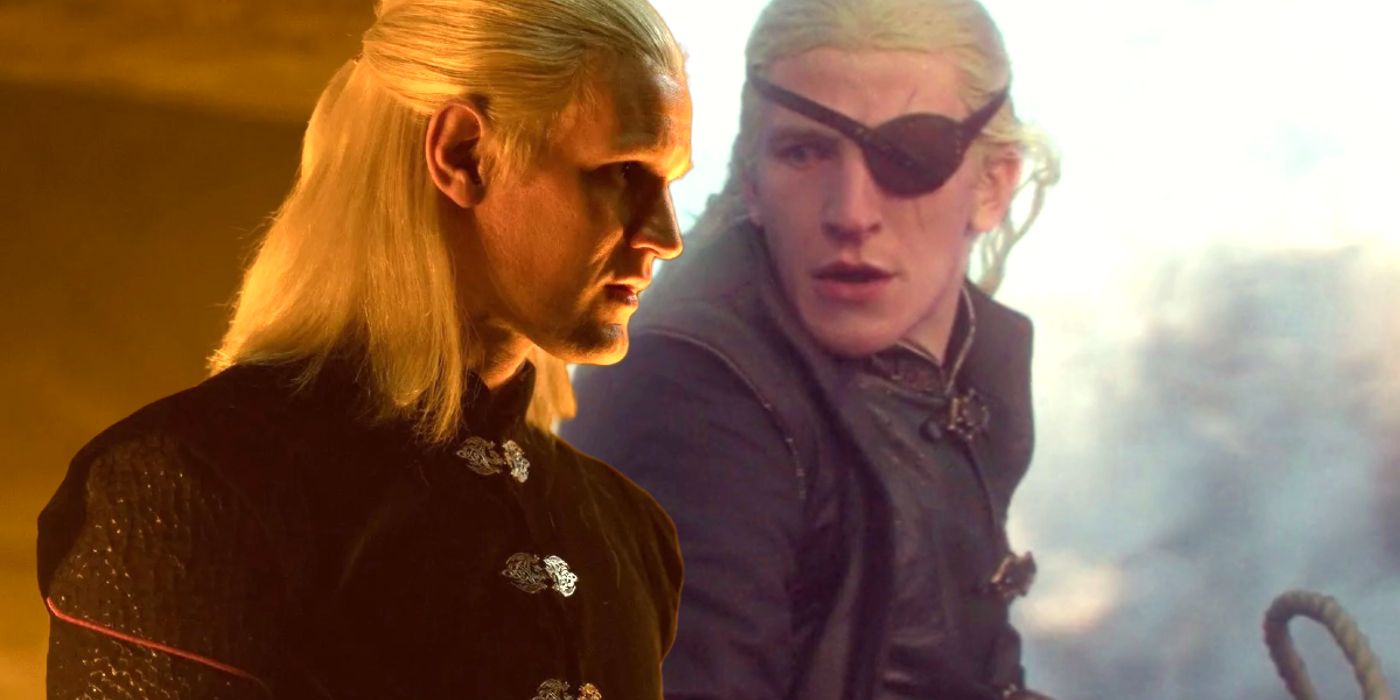
The gradual decline and eventual extinction of the dragons represented the loss of the Targaryens’ primary USP. As their dragons dwindled, so did their perceived infallibility and their military monopoly. This is analogous to a tech company whose groundbreaking product becomes obsolete, and they fail to innovate or adapt. Their competitive advantage evaporated, leaving them vulnerable to rivals who were either more agile or who had developed alternative means of power and influence.
The Targaryens’ failure to adapt to this loss was catastrophic. Instead of investing in new strategies, new forms of influence, or reinforcing their brand through alternative means (e.g., economic development, diplomacy, sophisticated governance), they seemed to cling to the fading glory of their draconic past. This stubborn adherence to an outdated brand proposition made them appear increasingly out of touch and, ultimately, less relevant.
The Growing Disconnect: Neglecting Stakeholder Perceptions
A successful brand consistently monitors and responds to the perceptions of its key stakeholders. For the Targaryens, these stakeholders were the lords of Westeros and, by extension, the common people. Over time, the Targaryen rule, particularly during periods of instability and perceived tyranny, fostered resentment and a growing disconnect. The brand’s image shifted from that of benevolent rulers to that of capricious tyrants, detached from the needs and concerns of their subjects.
This disconnect was exacerbated by the very nature of their power. The unquestioning authority derived from dragons allowed them to overlook dissent and ignore the developing grievances of their populace. In modern branding, this would be akin to a company that prioritizes shareholder value above all else, ignoring customer feedback and employee morale, ultimately leading to a loss of market share and reputation. The Targaryen brand began to alienate its most crucial audience, creating fertile ground for rebellion.
The Legacy of Mismanagement: Lessons for Modern Brand Architects
The story of Daemon Targaryen and his lineage is a potent illustration of how even the most formidable brands can crumble due to strategic miscalculations. Their failures offer invaluable lessons for anyone involved in building, managing, or revitalizing a brand, whether it be a corporate entity, a personal brand, or even a political movement.
The Importance of Adaptability and Innovation
The Targaryens’ inability to adapt to the decline of their dragons is a stark reminder that no brand can rely on past glories indefinitely. In today’s rapidly evolving landscape, continuous innovation and a willingness to pivot are essential for long-term survival. This applies to product development, market strategy, and even the core messaging of a brand. Brands that fail to innovate risk becoming irrelevant, much like the Targaryens’ reliance on a diminishing natural resource.
Maintaining Brand Integrity Through Strong Governance
The internal strife and succession crises that plagued the Targaryens highlight the critical importance of strong, ethical, and transparent governance for maintaining brand integrity. A brand’s reputation is built on trust, and that trust is shattered when leadership is perceived as corrupt, incompetent, or self-serving. Companies with clear ethical guidelines, robust succession planning, and a commitment to fair practices are far more likely to weather storms and maintain stakeholder confidence.
The Strategic Imperative of Stakeholder Engagement
The Targaryens’ downfall was partly a result of their failure to adequately engage with and understand the needs of their stakeholders. A successful brand actively listens to its customers, employees, and the wider community. By fostering open communication, addressing concerns, and demonstrating empathy, brands can build loyalty and mitigate the risks of alienation. Neglecting stakeholder perceptions is akin to ignoring market research; it leads to decisions that are out of sync with reality and ultimately detrimental to the brand.

Brand Storytelling and Authentic Messaging
While the Targaryens had a powerful initial story, their inability to evolve that narrative and maintain its authenticity in the face of changing realities led to its degradation. Modern brands must not only have compelling stories but also ensure that these stories are consistently reflected in their actions and operations. Authenticity is paramount. When a brand’s actions contradict its proclaimed values, the damage to its reputation can be irreparable. The Targaryens’ tale of fire and blood, once a symbol of their strength, ultimately became a narrative of their destructive tendencies.
In conclusion, the demise of House Targaryen was not an inevitable fate dictated solely by destiny. It was a consequence of strategic misjudgments, a failure to adapt, and a profound misunderstanding of the principles that underpin enduring brand strength. By examining their downfall through the lens of brand management, we can gain valuable insights into the critical elements of building and sustaining a powerful and resilient brand in any domain. The dragons may be gone, but the lessons of their legacy remain a potent reminder of the fragility of even the most dominant brands when faced with flawed strategy and a neglected narrative.
aViewFromTheCave is a participant in the Amazon Services LLC Associates Program, an affiliate advertising program designed to provide a means for sites to earn advertising fees by advertising and linking to Amazon.com. Amazon, the Amazon logo, AmazonSupply, and the AmazonSupply logo are trademarks of Amazon.com, Inc. or its affiliates. As an Amazon Associate we earn affiliate commissions from qualifying purchases.