
The metallic clang of spinning blades, the roar of engines, and the visceral thrill of destruction – for a generation, BattleBots was the apex of robotic combat. What began as a niche fascination for engineers and hobbyists exploded into a televised spectacle, captivating audiences with its raw, unadulterated mechanical mayhem. Yet, for many, the question lingers: where did this electrifying phenomenon go? While “gone” might be too strong a word, the narrative of BattleBots is not one of simple disappearance, but rather a complex evolution shaped by technological advancements, shifting media landscapes, and the enduring spirit of innovation that birthed it. This exploration delves into the technological underpinnings of BattleBots, tracing its journey from an underground engineering challenge to a mainstream entertainment force, and examining the factors that have influenced its visibility and future.

The Evolution of Robotic Combat: From Garage to Gladiator Arena
BattleBots’ genesis lies not in a boardroom or a marketing campaign, but in the fertile ground of technological experimentation and a desire to push the boundaries of what was possible with remote-controlled machinery. The early days of robotic combat were a testament to ingenuity born out of necessity and passion.
Early Innovations and the DIY Ethos
The foundational appeal of BattleBots was intrinsically linked to its DIY (Do It Yourself) ethos. Before sophisticated CAD software and readily available advanced materials, builders relied on a blend of mechanical aptitude, electronic know-how, and sheer grit. Inventors often scavenged parts from discarded machinery, repurposed industrial components, and applied principles of physics and engineering in innovative ways. This era was characterized by raw creativity, where the elegance of a design was often secondary to its destructive potential. The core technologies driving these early bots were relatively straightforward: electric motors for locomotion and weaponry, simple radio control systems, and robust chassis designs built from steel, aluminum, and even PVC. The focus was on creating functional, albeit sometimes crude, machines capable of engaging in combat. This hands-on approach fostered a deep understanding of mechanical failure points and the importance of robust construction, lessons that continue to inform modern robotic design.
The Leap to Mainstream: Technological Advigoration and Broadcast Appeal
The transition of BattleBots from underground events to a televised sensation marked a significant technological inflection point. The advent of more powerful and reliable electronics, advanced battery technologies, and the growing accessibility of sophisticated design and manufacturing tools allowed for the creation of more complex and formidable robots. Radio control systems became more precise, enabling finer control over bot movements and weapon deployment. The integration of on-board cameras and telemetry systems not only enhanced the visual experience for viewers but also provided invaluable data for builders to analyze performance and refine their designs.
The very nature of the televised spectacle demanded a higher level of technological sophistication. Spectators, both in person and at home, craved more dynamic and destructive battles. This spurred innovation in weapon systems, leading to the development of spinning blades, flamethrowers, pneumatic hammers, and a myriad of other destructive mechanisms. The materials science also evolved, with builders exploring lighter yet stronger alloys and composite materials to optimize weight distribution and structural integrity. The visual appeal was further amplified by the integration of high-definition cameras, slow-motion replays, and sophisticated graphics that highlighted the mechanics of destruction. This era saw BattleBots become a powerful showcase for applied engineering, demonstrating how bleeding-edge technology could be harnessed for pure entertainment.
The Shifting Landscape of Digital Content and Media Consumption
BattleBots’ journey is inextricably linked to the evolution of media consumption. Its initial surge in popularity coincided with a different era of television broadcasting, and its subsequent shifts in visibility can be understood through the lens of how content is created, distributed, and consumed today.
Television’s Golden Age and the Rise of Niche Programming
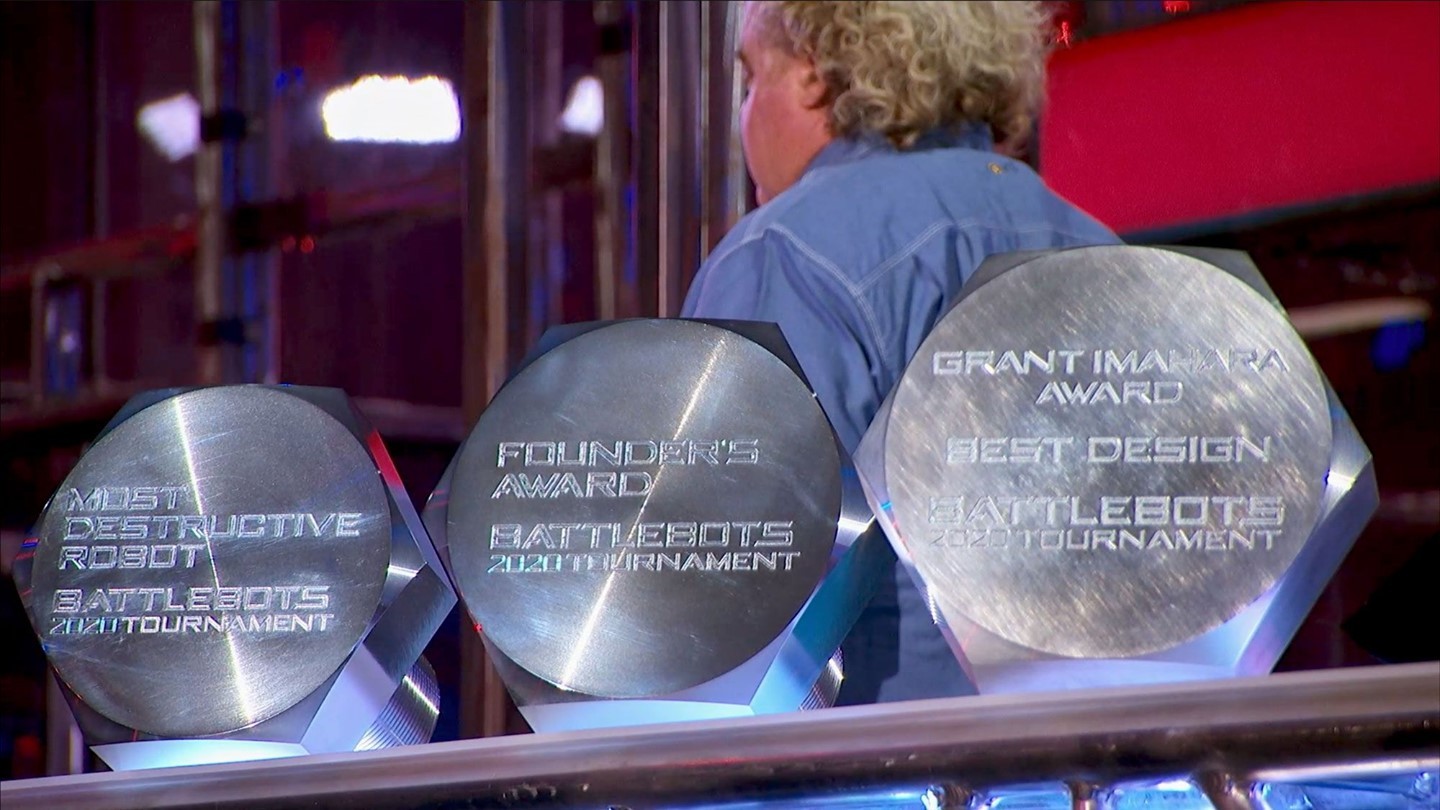
BattleBots found its initial footing on television during a period when cable television was expanding, and niche programming was gaining traction. The Sci-Fi Channel (now Syfy) provided a perfect home for a show that blended science fiction aesthetics with practical engineering. The format of a televised tournament, with its inherent drama, rivalries, and clear winners and losers, translated exceptionally well to the television medium. The show benefited from the traditional broadcast model, where a dedicated audience would tune in at specific times to watch their favorite bots clash. This era allowed BattleBots to cultivate a loyal fanbase, establishing a recognizable brand and a core identity around its destructive robotic combat. The controlled environment of a television studio also allowed for the implementation of safety measures and the production values necessary to make the show both exciting and broadly appealing.
The Digital Deluge: Streaming, Social Media, and the Fragmented Audience
The advent of the internet, streaming services, and social media has fundamentally reshaped the media landscape. This “digital deluge” presents both opportunities and challenges for a show like BattleBots. While streaming platforms offer the potential for wider reach and on-demand viewing, they also mean a more fragmented audience. Viewers have an unprecedented number of choices, and capturing and retaining attention in this crowded digital space is a significant hurdle.
BattleBots has adapted by embracing these new platforms. Its availability on streaming services allows for global access and binge-watching, catering to modern viewing habits. Furthermore, social media plays a crucial role in building and maintaining the community. Behind-the-scenes content, builder interviews, bot design breakdowns, and live-tweeting of events generate engagement and keep the conversation going between seasons. This direct interaction with the fanbase is vital for fostering loyalty and creating buzz. The challenge now lies in translating this digital engagement into consistent viewership, competing with the endless stream of viral videos, gaming streams, and other digital entertainment offerings. The visual spectacle of BattleBots, with its inherent shareability of explosive moments, lends itself well to social media, but the long-form narrative and tournament structure require dedicated viewing, a behavior that is increasingly in demand.
The Business of Bot Battles: Funding, Production, and Sustainability
Behind every spectacular robot battle lies a complex web of funding, production logistics, and the ongoing challenge of ensuring the show’s long-term viability. The economics of BattleBots are as intricate as the bots themselves, influenced by broadcast rights, sponsorship, and the dedication of its passionate community.
From Passion Project to Professional Production: The Funding Puzzle
The early iterations of BattleBots were often funded by a combination of enthusiastic builders, local sponsors, and a shared belief in the concept. However, to reach a mainstream audience and produce a high-quality television show, significant investment is required. This involves securing broadcast deals, attracting corporate sponsors who see value in reaching the show’s demographic, and potentially exploring other revenue streams. The cost of building and maintaining sophisticated combat robots, alongside the significant expenses associated with arena construction, safety protocols, camera crews, and post-production, necessitates a robust financial model.
The decision by ABC to revive BattleBots in 2015 marked a significant investment and a return to prime-time television. Subsequent seasons on channels like Discovery and Science Channel demonstrate the ongoing interest and the continued effort to find the right platform and financial backing. Sponsorships from technology companies, automotive brands, and even snack food manufacturers highlight the show’s appeal to a demographic interested in engineering, innovation, and high-octane entertainment. The challenge for BattleBots remains finding consistent and lucrative funding to support increasingly ambitious productions and maintain the high level of technological innovation on display.
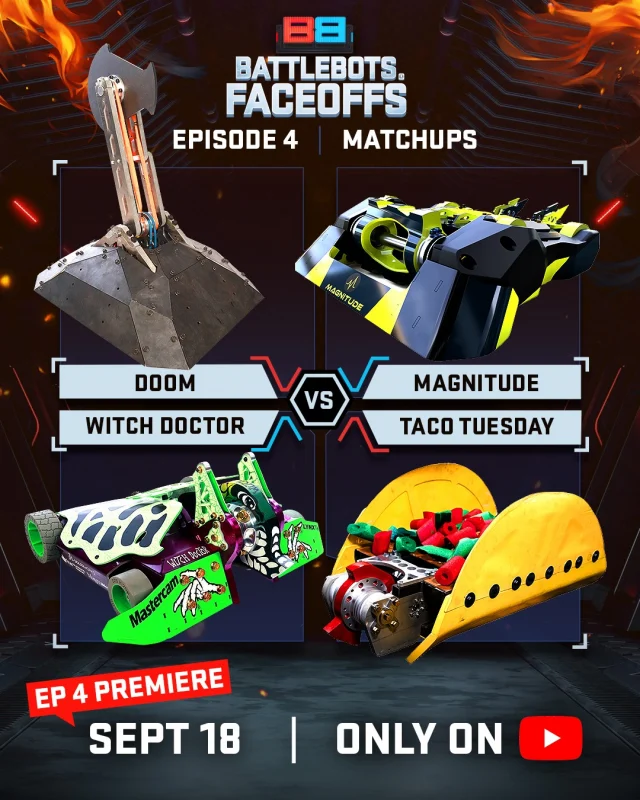
The Community as a Driving Force: Builders, Fans, and the Future
The enduring appeal of BattleBots is intrinsically linked to its vibrant and dedicated community. The builders are not just competitors; they are engineers, programmers, mechanics, and passionate enthusiasts who pour their time, energy, and personal finances into their machines. This DIY spirit remains at the heart of the sport, even as professional teams and corporate backing become more prevalent.
The fans, too, are a crucial element. They are the ones who champion the show on social media, attend events, and eagerly await each new season. This passionate fanbase provides invaluable feedback, generates enthusiasm, and serves as a constant reminder of the show’s cultural impact. The future of BattleBots hinges on its ability to continue nurturing this community while also attracting new audiences. This involves not only producing thrilling on-screen content but also engaging with fans through online forums, live Q&A sessions with builders, and educational content that demystifies the engineering behind the bots. The symbiotic relationship between the builders, the fans, and the production itself is what ensures BattleBots’ continued relevance and its potential to evolve into new and exciting forms of robotic competition. The question of “what happened to BattleBots” is, therefore, less about its demise and more about its ongoing metamorphosis within the ever-changing landscape of technology and media.
aViewFromTheCave is a participant in the Amazon Services LLC Associates Program, an affiliate advertising program designed to provide a means for sites to earn advertising fees by advertising and linking to Amazon.com. Amazon, the Amazon logo, AmazonSupply, and the AmazonSupply logo are trademarks of Amazon.com, Inc. or its affiliates. As an Amazon Associate we earn affiliate commissions from qualifying purchases.