
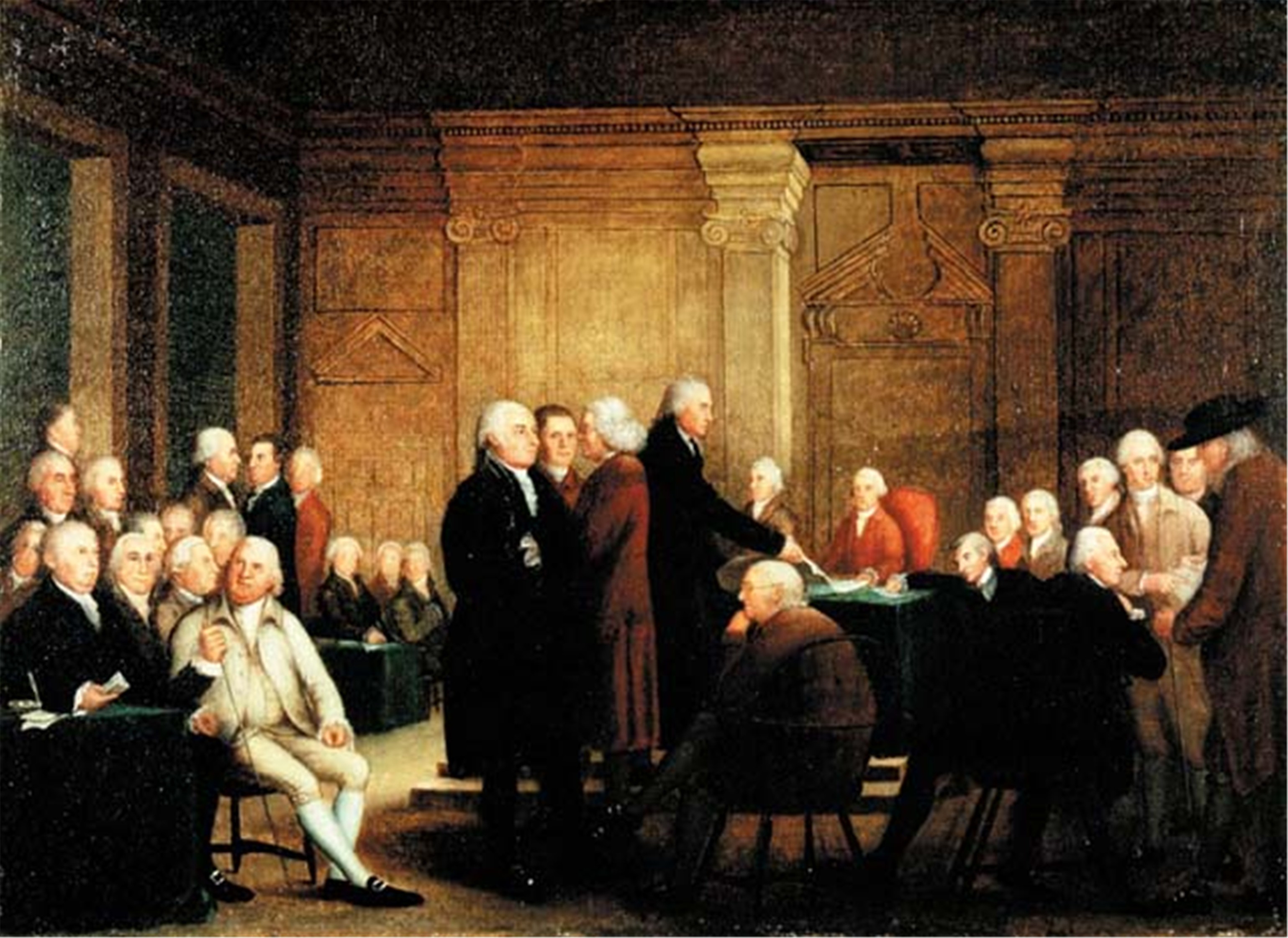
The Second Continental Congress, convening in Philadelphia from May 10, 1775, marked a profound turning point in the burgeoning American struggle for autonomy. Unlike its predecessor, which had primarily served as a deliberative body seeking redress from British grievances, the Second Continental Congress was thrust into the role of a de facto national government. Its mandate expanded dramatically, encompassing not only the continuation of diplomacy with Great Britain but also the organization of a unified military defense, the management of a nascent economy, and ultimately, the audacious declaration of independence. The events that unfolded within its sessions were not merely political maneuvers; they were the foundational elements of a new national brand, meticulously crafted through strategic decisions, powerful rhetoric, and a unified vision.
Forging a Unified Front: From Grievance to Governance
The initial impetus for the Second Continental Congress stemmed from the escalating conflict following the Battles of Lexington and Concord in April 1775. While still hoping for reconciliation, the delegates recognized the urgent need for coordinated action. This period was characterized by a delicate balancing act: articulating a unified colonial identity and purpose while managing diverse regional interests and opinions on the path forward.
Addressing the Immediate Crisis: Military Mobilization and Management
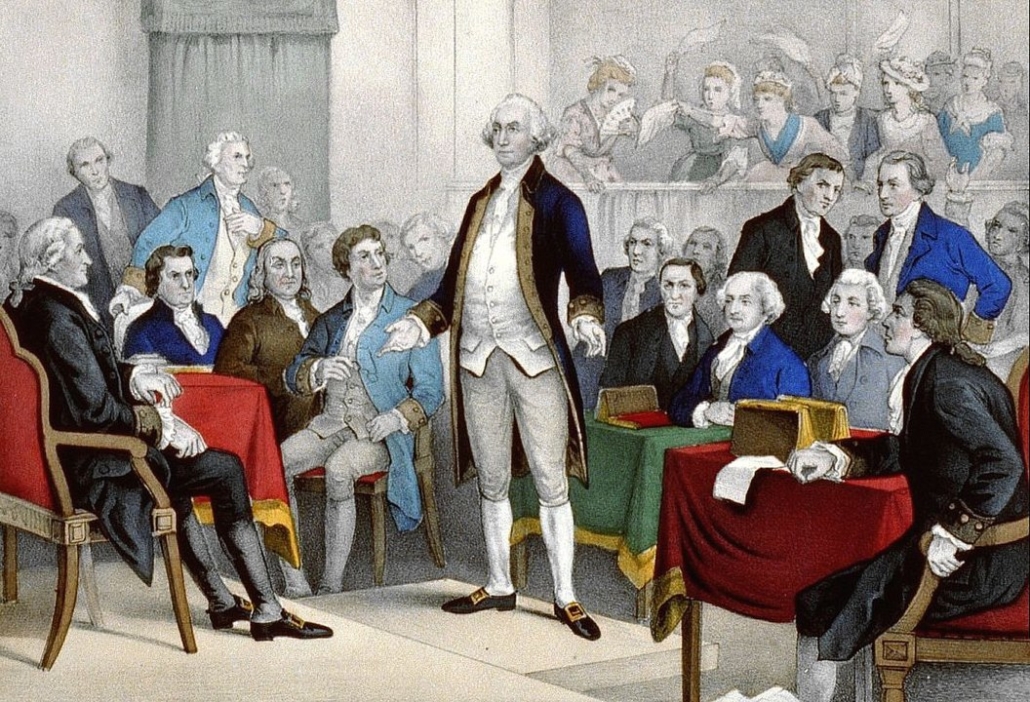
The most pressing concern upon the Congress’s reconvening was the military situation. The colonial militias were engaged in armed conflict, and a unified command structure was desperately needed. This led to the immediate and critical decision to establish a Continental Army. The selection of George Washington as Commander-in-Chief was a masterstroke of brand building. Washington’s reputation for integrity, military experience, and Virginian roots helped to bridge regional divides, presenting a credible and unifying figurehead for the nascent military effort. The Congress also took on the monumental task of financing this army, which involved issuing currency – the Continental currency – and seeking loans. These actions, while financially precarious, were crucial in projecting an image of a serious and determined entity capable of fielding a fighting force, a vital component of its emerging national brand. The establishment of a rudimentary military infrastructure, including the appointment of officers and the procurement of supplies, signaled a commitment to sustained resistance, solidifying the brand of a resolute and organized opposition.
The Delicate Dance of Diplomacy and Declaration
While the military preparations were underway, the Congress did not abandon diplomatic avenues, albeit with a dwindling hope of success. They sent the Olive Branch Petition to King George III, a final plea for peace and a reassertion of their rights as British subjects. However, the King’s intransigent response, declaring the colonies in rebellion, effectively closed the door on reconciliation. This rejection, in turn, became a powerful catalyst for a more radical brand identity. The failure of peaceful petitioning allowed for a compelling narrative of a people pushed to their limits, forced to defend their inherent liberties against a tyrannical power. This narrative was crucial for garnering internal support and potentially external aid, laying the groundwork for the ultimate declaration of a distinct American identity.
The Birth of a Nation: The Declaration of Independence
The most transformative and enduring act of the Second Continental Congress was the adoption of the Declaration of Independence on July 4, 1776. This document was far more than a statement of separation; it was a foundational piece of national branding, articulating the core values and principles that would define the United States for generations to come.
Crafting the Narrative: Ideological Pillars and Universal Appeal
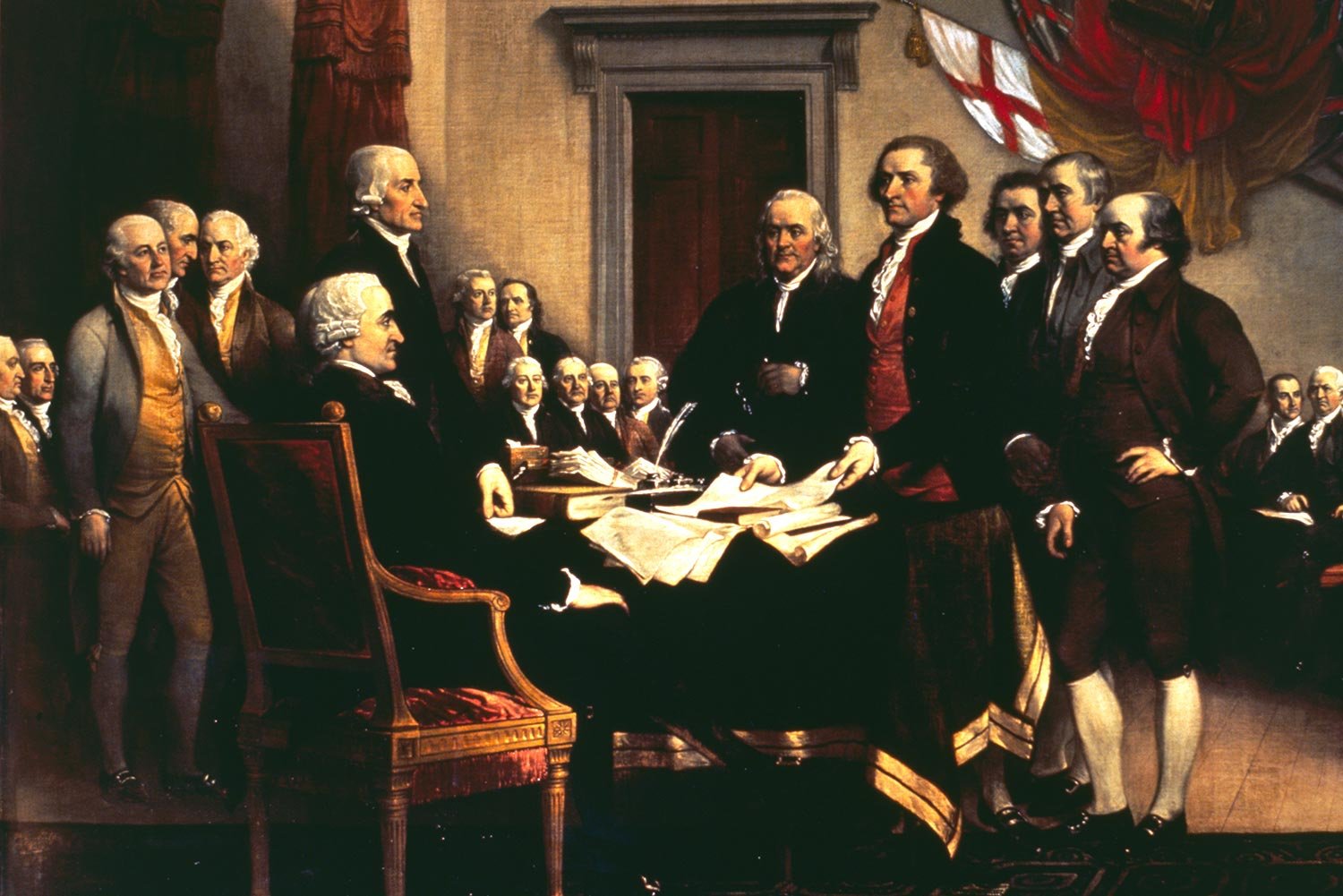
The drafting committee, comprised of Thomas Jefferson, John Adams, Benjamin Franklin, Roger Sherman, and Robert Livingston, understood the profound significance of their task. Jefferson, as the principal author, meticulously crafted a document that blended Enlightenment philosophy with a compelling indictment of British misrule. The opening lines, famously asserting that “all men are created equal, that they are endowed by their Creator with certain unalienable Rights, that among these are Life, Liberty and the pursuit of Happiness,” established a universal ideological framework that transcended the immediate political dispute. This articulation of inherent rights and the concept of popular sovereignty served as the bedrock of the American brand, promising a society built on liberty and opportunity. The subsequent list of grievances against the King served as the empirical evidence, substantiating the claims of tyranny and justifying the radical step of separation. This carefully constructed narrative aimed to resonate not only with the colonists but also with potential allies abroad, presenting the American cause as a just and principled struggle for freedom.
The Strategic Impact of the Declaration: A Bold Identity Statement
The Declaration of Independence was a bold and audacious act of brand repositioning. It transformed the colonists from rebellious subjects into citizens of a new, sovereign nation. This shift was crucial for several reasons. Firstly, it provided a clear and unambiguous identity for the burgeoning nation, distinguishing it from British rule and creating a sense of shared purpose. Secondly, it was a strategic communication tool designed to garner international recognition and support. By declaring themselves a distinct entity, the colonies could more effectively seek alliances and financial aid from European powers. The Declaration served as the ultimate brand manifesto, a public declaration of intent and values that would guide the nation’s future trajectory and its interactions with the world. It was a strategic move that elevated the stakes and solidified the commitment of the delegates, as it meant they were now acting as founders of a new political entity, with all the risks and potential rewards that entailed.
Governing a Nation in Crisis: The Evolution of Congressional Authority
As the war progressed, the Second Continental Congress found itself acting as the provisional government of a nation at war. This involved navigating immense logistical, financial, and political challenges, continually adapting and evolving its administrative functions to meet the demands of the conflict.
The Challenges of Wartime Governance: Finance, Logistics, and Diplomacy
The Congress grappled with the immense difficulties of financing a protracted war. The Continental currency depreciated rapidly, leading to inflation and economic instability. The Congress struggled to effectively collect taxes and manage its debts, often relying on the goodwill and contributions of individual states, a testament to the nascent and often fragile nature of federal authority. Establishing reliable supply chains for the Continental Army was another Herculean task, requiring coordination across thirteen disparate states, each with its own priorities and resources. Furthermore, the Congress engaged in crucial diplomatic efforts, seeking alliances and formal recognition from foreign powers, most notably France. The success of these diplomatic endeavors was directly tied to the perception of the United States as a viable and unified entity, a perception heavily influenced by the branding efforts of the Congress itself.
The Committee System and Early Administrative Structures
To manage its expanding responsibilities, the Congress developed a robust committee system. These committees, comprised of delegates with specific expertise or interests, handled a wide range of functions, from military affairs and finance to foreign relations and the management of captured territories. This committee structure, while sometimes inefficient, was an early attempt at creating specialized administrative arms for a nascent government. It laid the groundwork for future governmental departments and demonstrated the Congress’s evolving capacity for governance. The creation of these functional units, however rudimentary, contributed to the brand of a government that was actively working to establish order and manage the affairs of the new nation, even amidst the chaos of war. The ability to delegate and organize, even imperfectly, was a key component of its emerging brand as a governing body.
Legacy and Lasting Impact: The Brand of American Ideals
The Second Continental Congress, through its actions and pronouncements, left an indelible mark on the course of history and established a powerful and enduring national brand. The principles it championed and the institutions it began to forge continue to shape the American identity and influence global discourse.
The Enduring Principles of American Governance
The core tenets articulated by the Second Continental Congress – liberty, equality, and the pursuit of happiness – became the foundational pillars of the American brand. These ideals, though often imperfectly realized, have served as a beacon of inspiration and a source of continuous striving for improvement. The commitment to representative government, enshrined in the actions of the delegates, established a model for democratic governance that has been emulated worldwide. The very act of declaring independence and establishing a new nation based on these principles was a radical act of brand innovation, creating a distinct political and ideological offering on the global stage.
The Foundation for a Future Republic
While the Articles of Confederation and later the U.S. Constitution would further refine the structure of American governance, the Second Continental Congress laid the essential groundwork. It demonstrated the capacity for collective action, the willingness to make bold decisions in the face of adversity, and the commitment to establishing a government founded on the consent of the governed. The debates, compromises, and ultimate declarations of this Congress shaped not only the immediate revolutionary effort but also the long-term trajectory of the United States, solidifying its brand as a nation born from revolutionary ideals and a commitment to self-governance. The Second Continental Congress, therefore, represents a critical chapter in the ongoing story of American branding, showcasing how collective action, strategic communication, and a foundational set of ideals can forge a nation’s identity and its lasting legacy.
aViewFromTheCave is a participant in the Amazon Services LLC Associates Program, an affiliate advertising program designed to provide a means for sites to earn advertising fees by advertising and linking to Amazon.com. Amazon, the Amazon logo, AmazonSupply, and the AmazonSupply logo are trademarks of Amazon.com, Inc. or its affiliates. As an Amazon Associate we earn affiliate commissions from qualifying purchases.