
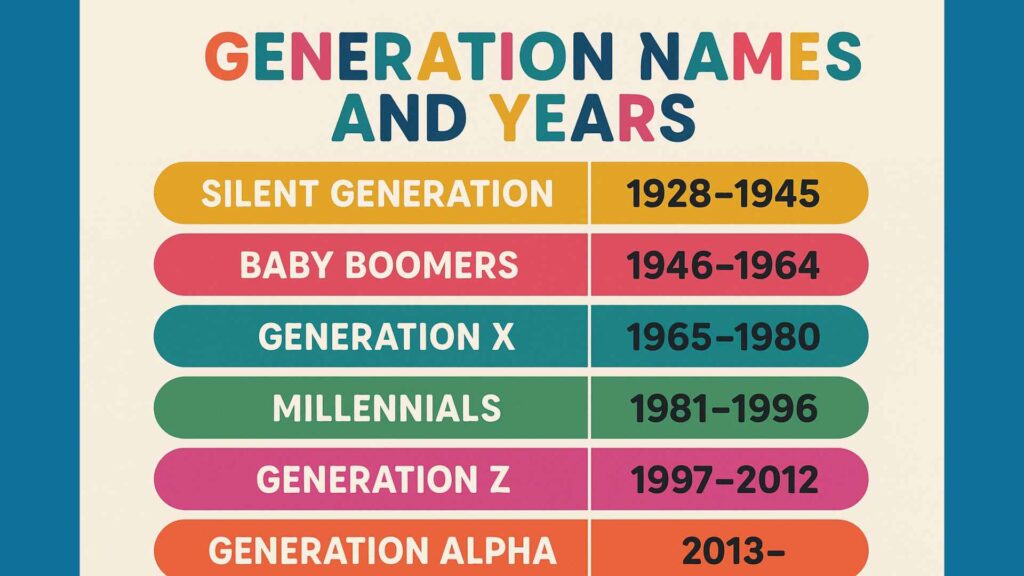
The year 1977 holds a peculiar place in the grand tapestry of generational cohorts. While exact cutoff dates can be fluid and subject to debate, individuals born in 1977 most prominently fall within the Generation X demographic. However, their unique positioning on the cusp of significant technological and cultural shifts also imbues them with characteristics that can sometimes bridge into the early end of the Millennial generation. Understanding this generational placement is crucial for appreciating their formative experiences, their impact on the workforce and society, and their particular relationship with technology.
Understanding Generational Definitions and Boundaries
Generational labels are not merely academic exercises; they are tools that help us understand collective experiences shaped by historical events, technological advancements, and societal norms during a person’s formative years. The boundaries between generations are often fuzzy, reflecting the gradual transition of cultural landscapes and technological paradigms.

The Rise of Generation X
Generation X, broadly defined as those born between the mid-1960s and the early 1980s, is often characterized by its independence, adaptability, and a healthy dose of skepticism. The children of the Baby Boomers, Gen X witnessed significant societal changes, including economic shifts, evolving family structures, and the nascent stages of the digital revolution. The late 1970s, and thus 1977, firmly places these individuals within the core of this influential cohort. Their childhoods were marked by a distinct lack of the hyper-connectedness that defines later generations, yet they were also the first to experience the trickle-down of personal computing and early forms of digital entertainment.
The Millennial Threshold
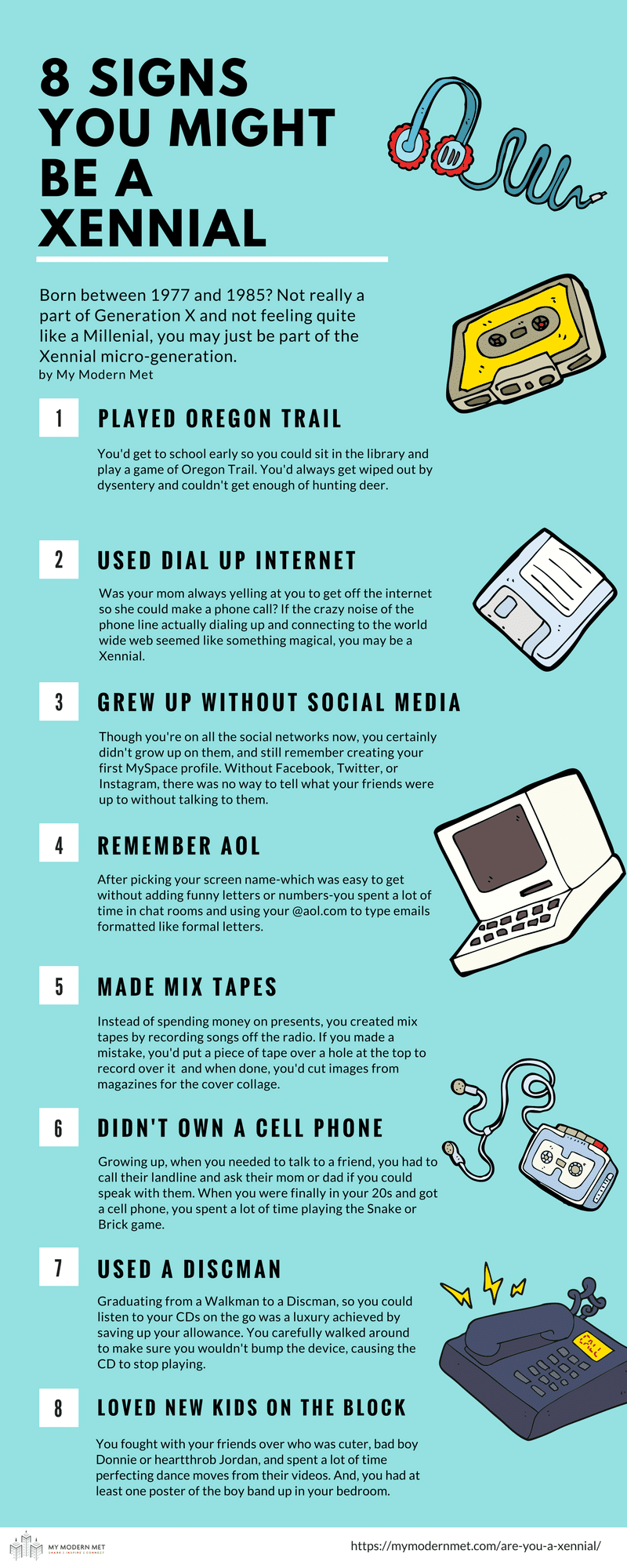
Millennials, typically born from the early 1980s to the mid-1990s, grew up in a world where the internet was becoming increasingly ubiquitous, and digital natives began to emerge. While 1977 is definitively outside the typical Millennial definition, the individuals born in that year were among the earliest adopters and influencers of the digital world that Millennials would later inherit and expand upon. Their formative teenage and young adult years often coincided with the rise of dial-up internet, early social media platforms, and the burgeoning of the consumer tech industry. This experience, while not identical to that of true Millennials, shares a common thread of navigating a rapidly digitizing world.
The Technological Crucible: 1977’s Digital Awakening
The year 1977 itself was a pivotal moment in the history of personal technology, a fact that deeply shaped the worldview of those born in that year. Their connection to technology is not one of inherent digital nativity but rather of conscious adoption and adaptation.
The Dawn of the Personal Computer Era
For those born in 1977, their childhood and adolescence were marked by the emergence of the personal computer. While early computers were expensive and complex, the late 1970s and early 1980s saw the release of groundbreaking machines like the Apple II, the Commodore PET, and the TRS-80. These were not ubiquitous in every household, but they began to appear in schools, libraries, and the homes of early adopters. Individuals born in 1977 were the first to experience programming in BASIC, play rudimentary computer games, and witness the potential of these machines firsthand. This early exposure, even if limited, laid a foundation for a generation that would later embrace and drive technological innovation.
The Analog to Digital Transition
The world of 1977 was still predominantly analog. Music was on vinyl, television had limited channels, and communication relied heavily on landline telephones and postal mail. For those born in this year, their formative years represent a unique transition point. They experienced the analog world of their youth and then witnessed the rapid acceleration of digital technologies throughout their teenage and early adult lives. This journey from analog to digital has instilled in them a distinct appreciation for both forms of technology and an ability to adapt to new platforms and interfaces with a pragmatic approach. They are not afraid of new tech, but they also understand the value of established, reliable methods.
Early Encounters with Digital Entertainment
While video games were in their infancy, 1977 saw the release of the Atari 2600, a console that would revolutionize home entertainment for a generation. This marked the beginning of digital gaming as a mainstream phenomenon. For those born in 1977, their early experiences with arcade games and home consoles, however simple by today’s standards, were formative. They were among the first to experience interactive digital entertainment, shaping their leisure activities and foreshadowing the massive digital entertainment industry that would flourish in the decades to come. This early exposure to interactive digital media distinguishes them from earlier generations and links them to the digital-first sensibilities of later cohorts.
The Socio-Economic Landscape of 1977 and its Impact
The socio-economic environment of the late 1970s and early 1980s profoundly influenced the upbringing and outlook of individuals born in 1977. This era was characterized by economic shifts, evolving social norms, and a distinct cultural zeitgeist that shaped their core values and professional approaches.
Economic Uncertainty and Pragmatism
The 1970s were a period of economic turbulence, marked by inflation, energy crises, and a growing awareness of global economic interconnectedness. For those born in 1977, this backdrop fostered a sense of pragmatism and resilience. They often witnessed their parents navigate economic challenges, which likely instilled in them a cautious approach to finances and a strong work ethic. This has translated into a generation that often values stability and security in their careers and financial planning, a characteristic that can set them apart from the more optimistic and risk-tolerant approaches of some younger generations.
Evolving Family Structures and Independence
The late 1970s and 1980s saw a continuation of the societal shifts that began in the 1960s, including changes in family structures and an increased emphasis on individual independence. Many individuals born in 1977 grew up in dual-income households or experienced the effects of divorce, leading to a generation that often learned to be self-reliant from a young age. This fostered a sense of autonomy and a tendency to forge their own paths, both personally and professionally. They are often characterized as “latchkey kids,” a term that highlights their independence and the time spent unsupervised during their formative years, contributing to their resourceful nature.
Cultural Influences and the “Me Generation”
The cultural landscape of the late 1970s and early 1980s, often labeled the “Me Generation,” emphasized individualism and self-expression. While this label is sometimes applied to Baby Boomers, the influence of this cultural trend extended into the upbringing of Generation X. Individuals born in 1977 absorbed a mix of established societal values and emerging trends towards personal fulfillment. This has resulted in a generation that often seeks meaning and purpose in their work and personal lives, while also possessing a grounded understanding of the practicalities of life. Their cultural touchstones, from music and film to fashion, reflect this blend of introspection and self-reliance.
The Generational Bridge: Connecting Gen X and Millennials
While firmly rooted in Generation X, individuals born in 1977 often exhibit characteristics that make them a bridge between their generational cohort and the emerging Millennial generation. Their unique experiences with technology and their adaptability position them as influential figures in the modern landscape.
Digital Savvy Without Digital Dependence
Unlike true digital natives who have never known a world without the internet, those born in 1977 experienced the world before it and then embraced its digital transformation. This gives them a unique perspective. They understand the underlying principles of technology and can adapt to new platforms with ease, but they also possess a critical awareness of the limitations and potential downsides of constant connectivity. This makes them adept at leveraging technology for practical purposes without succumbing to its potential for distraction or over-reliance.
Adaptability and a Pragmatic Approach to Innovation
The constant flux of technological advancements throughout their lives has instilled a remarkable sense of adaptability in individuals born in 1977. They have navigated multiple paradigm shifts, from analog to digital, from dial-up to broadband, and from desktop computers to mobile devices. This has fostered a pragmatic approach to innovation, where they are open to new solutions but also grounded in what works effectively. They are often the ones who can bridge the gap between older, established systems and newer, cutting-edge technologies, making them valuable assets in evolving workplaces.
Influencers in the Digital Economy
As Generation X, and particularly those on the older end of the spectrum like those born in 1977, have moved into leadership positions, they have played a crucial role in shaping the digital economy. Their understanding of both analog and digital worlds, coupled with their adaptability and pragmatic approach, has made them instrumental in integrating new technologies into established business models. They are often the ones who can articulate the value proposition of new tools and guide organizations through digital transformation with a balanced perspective, ensuring that innovation is both effective and sustainable.
In conclusion, individuals born in 1977 are unequivocally considered Generation X. Their formative years were defined by the rise of personal computing, the transition from analog to digital, and a socio-economic landscape that fostered pragmatism and independence. While they share some common ground with the early Millennials due to their evolving relationship with technology, their core identity is firmly planted within the independent and adaptable spirit of Generation X, a cohort that continues to significantly influence the technological, economic, and cultural fabric of society.
aViewFromTheCave is a participant in the Amazon Services LLC Associates Program, an affiliate advertising program designed to provide a means for sites to earn advertising fees by advertising and linking to Amazon.com. Amazon, the Amazon logo, AmazonSupply, and the AmazonSupply logo are trademarks of Amazon.com, Inc. or its affiliates. As an Amazon Associate we earn affiliate commissions from qualifying purchases.