
The vibrant and captivating betta fish, scientifically known as Betta splendens, is a popular choice for aquariums worldwide. Their striking colors, intricate fins, and unique personalities have earned them a special place in the hearts of many fish enthusiasts. However, the betta’s reputation as an aggressive, solitary creature often leads to a common question: what other fish can share their aquatic kingdom? This inquiry is not merely about aesthetics; it’s crucial for the well-being of both the betta and any potential tank mates.
Successfully housing a betta with other species requires a deep understanding of betta behavior, the specific needs of potential companions, and the principles of aquarium management. This guide delves into the complexities of betta cohabitation, exploring the factors that contribute to a harmonious environment and identifying suitable tank mates that can thrive alongside these beautiful fish. We will move beyond simplistic “yes” or “no” answers and explore the nuances of creating a balanced ecosystem where all inhabitants can flourish.
Understanding Betta Behavior and Tank Dynamics
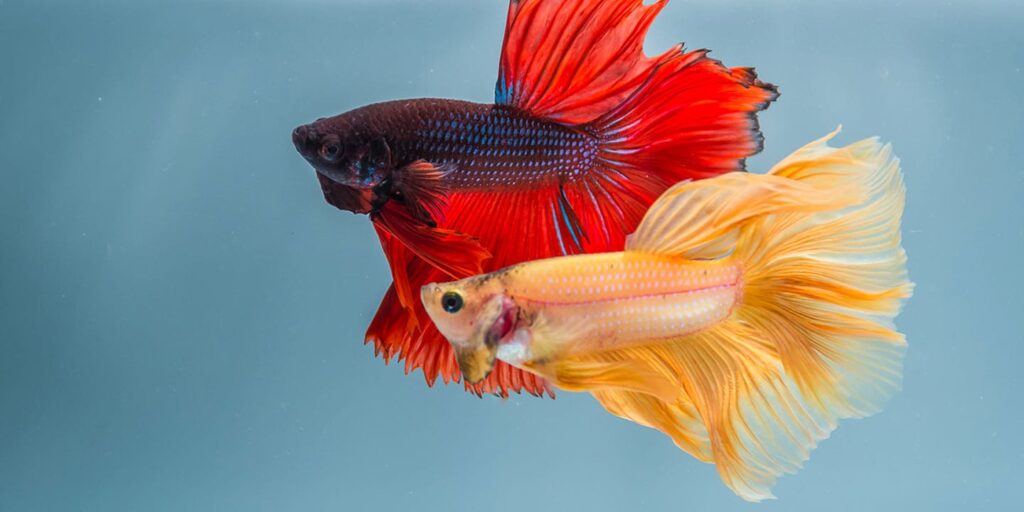
Before even considering other fish, it’s paramount to grasp the fundamental nature of betta fish. While often labeled as “aggressive,” this aggression is primarily directed towards other male bettas due to their territorial instincts and elaborate finnage, which can be mistaken for rivals. Female bettas, while generally more docile, can also exhibit territorial behavior, especially in crowded conditions. Understanding these inherent traits is the first step in designing a compatible aquarium.
The Concept of “Aggression” in Betta Fish
The term “aggression” in bettas is a spectrum. Male bettas display elaborate fin-flaring rituals, often directed at reflections, other male bettas, or even perceived threats. This display is an evolutionary adaptation for courtship and defense. It’s important to differentiate between this display behavior and actual physical aggression that leads to injury or death. Not all male bettas are equally aggressive, and some individuals may tolerate certain tank mates better than others. However, it’s always prudent to err on the side of caution and assume a baseline level of territoriality.
Essential Aquarium Parameters for Cohabitation
Beyond the betta’s temperament, the physical environment of the aquarium plays a critical role in successful cohabitation. Several key parameters must be maintained consistently to ensure the health and well-being of all fish.
Water Quality and Temperature
Bettas are tropical fish, originating from the warm, slow-moving waters of Southeast Asia. They thrive in temperatures between 78-80°F (25.5-26.5°C). Consistent water temperature is vital, as fluctuations can stress fish and make them susceptible to disease. Maintaining pristine water quality through regular water changes and efficient filtration is equally important. Ammonia, nitrites, and nitrates are toxic to all fish, and a balanced nitrogen cycle is fundamental for a healthy aquarium.
Tank Size and Enrichment
The size of the aquarium is a crucial factor often overlooked. While bettas are famously kept in small bowls, this is detrimental to their health and well-being. A minimum tank size of 5 gallons is recommended for a single betta. For a community tank, larger is always better, providing ample space for fish to establish territories and avoid constant confrontation. A 10-gallon tank can be a starting point for a betta and a few carefully selected, small, peaceful tank mates.
Furthermore, aquarium enrichment is not just about aesthetics; it’s about providing hiding places and visual barriers. Plants (live or artificial), driftwood, and decorations can break up sightlines, allowing fish to feel secure and reducing the chances of direct, prolonged confrontation. This is particularly important for bettas, as it allows them to retreat and feel less exposed.
Identifying Compatible Betta Tank Mates
The key to a successful betta community tank lies in selecting tank mates that are peaceful, don’t mimic betta finnage, are not overly boisterous, and can tolerate similar water parameters. The goal is to find fish that will either ignore the betta or are too small and fast to be a target for the betta’s aggression.
Peaceful Community Fish
Several species are generally considered good candidates for a betta tank, provided the aquarium is of adequate size and properly set up. These fish are typically small, shy, and tend to occupy different areas of the tank, minimizing interactions.
Small, Fast-Moving Schooling Fish
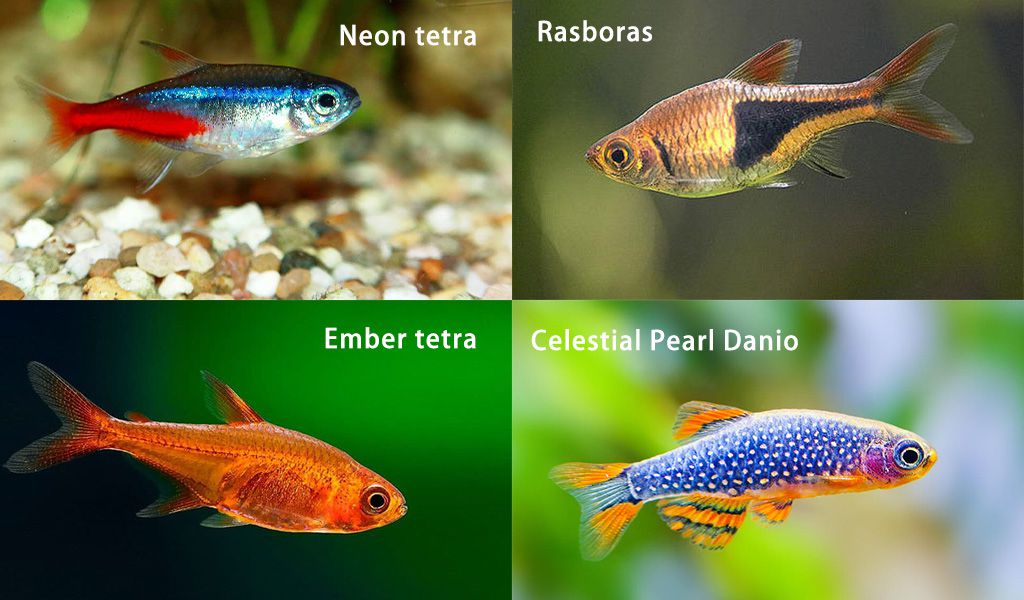
Species like harlequin rasboras, neons, and cardinal tetras are often recommended. These fish are small, schooling species that primarily inhabit the mid-to-upper levels of the tank. Their rapid movements can be too much for a betta to effectively chase, and their schooling behavior provides a sense of security. It is crucial to introduce a school of at least 6-8 of these fish to ensure they feel safe and display natural behavior. Their similar water parameter needs also make them a good fit.
Bottom Dwellers
Fish that inhabit the lower regions of the aquarium can also be compatible. Corydoras catfish (dwarf varieties like pygmy corydoras or hastatus corydoras) are excellent choices. They are peaceful, constantly scavenging the substrate, and tend to be too busy with their own activities to bother a betta. Ensure they are in a group of at least 3-5 of their own species, as they are social fish. Otocinclus catfish, also known as “otocinclus,” are small, algae-eating fish that are generally peaceful and can occupy the tank’s surfaces. However, they require a mature, established tank with sufficient algae or supplementary feeding to thrive.
Invertebrates as Tank Mates
Beyond fish, certain invertebrates can also coexist with bettas, often serving as scavengers and adding an interesting dynamic to the aquarium.
Snails
Certain species of snails are excellent additions. Nerite snails are popular due to their diligent algae-eating habits and the fact that they do not reproduce in freshwater, preventing population explosions. Mystery snails are larger and can also be good algae eaters, but they may be more prone to being “nipped” by some bettas, so observation is key. Amano shrimp are also industrious scavengers, excellent at cleaning up uneaten food and algae. They are generally peaceful and robust enough to withstand a curious betta.
Fish to Avoid When Housing a Betta
Just as there are suitable tank mates, there are also species that should be strictly avoided when planning a betta community. These fish often pose a threat to the betta’s well-being due to aggression, fin-nipping behavior, or by simply being too similar in appearance to trigger the betta’s territorial instincts.
Fin-Nipping Species
The most common reason for cohabitation failure is the presence of fin-nippers. These fish will actively nip at the flowing fins of a betta, causing stress, injury, and potentially leading to infection.
Barbs and Tetras (Certain Varieties)
While some tetras are suitable, others, particularly tiger barbs, are notorious fin-nippers and should be avoided at all costs. Even seemingly peaceful schooling fish can sometimes develop fin-nipping tendencies, so careful observation and research into specific species are always recommended.
Aggressive or Overly Active Fish
Introducing an aggressive or overly boisterous fish to a betta’s tank is a recipe for disaster. These fish can outcompete the betta for food, harass it relentlessly, or even injure it.
Larger Cichlids and Goldfish
Larger cichlids, known for their aggressive territoriality, are incompatible with bettas. Similarly, goldfish are coldwater fish with entirely different environmental needs and can be quite messy, making them unsuitable tank mates. Dwarf gouramis might seem like a possibility due to their similar appearance, but they can be equally territorial and aggressive, often leading to conflict with bettas.
Fish with Similar Appearance
Fish that resemble bettas, particularly other labyrinth fish with flowing fins or vibrant colors, are likely to provoke aggression.
Other Gouramis and Male Bettas
As mentioned, other gourami species can be problematic. It should go without saying that housing two male bettas together is absolutely out of the question and will inevitably result in severe injury or death. Even with female bettas, it’s a risky proposition that requires a very large tank and careful monitoring, best avoided by beginners.
Creating a Harmonious Betta Community: Best Practices
Successfully integrating a betta into a community tank requires more than just selecting the right fish. It involves careful planning, diligent observation, and proactive aquarium management. These best practices will significantly increase your chances of a thriving and peaceful aquatic environment.
Gradual Introduction and Observation
The introduction of any new fish should always be done gradually. Introduce the tank mates before introducing the betta, allowing them to establish their territories and become accustomed to the environment. Once the tank is established with the potential companions, introduce the betta. The betta should ideally be the last fish to enter the tank. Observe interactions closely for the first few days and weeks. Look for signs of stress, nipping, or excessive chasing.
Tank Setup for Success
The physical layout of the aquarium is paramount. Ensure there are plenty of hiding places and visual barriers created by plants (live or silk), driftwood, and decorations. This allows fish to retreat and avoid constant visual contact. A larger tank provides more space for individuals to establish their own territories, reducing territorial disputes. Aim for a 10-gallon tank as a minimum for a betta and a few small companions, with larger tanks being even more beneficial.
Diet and Feeding Strategies
Proper feeding is crucial for maintaining peace and preventing aggression. Ensure all fish receive adequate nutrition. Bettas are prone to overeating and can become bloated, so feed them small amounts twice a day. If introducing bottom-dwelling fish, ensure they receive their food before it’s all consumed by the betta or other faster-moving fish. Sinking pellets or tablets can be beneficial for bottom feeders. Overfeeding can lead to poor water quality, which stresses all inhabitants and can exacerbate aggression.
Emergency Preparedness: The Betta Barrier
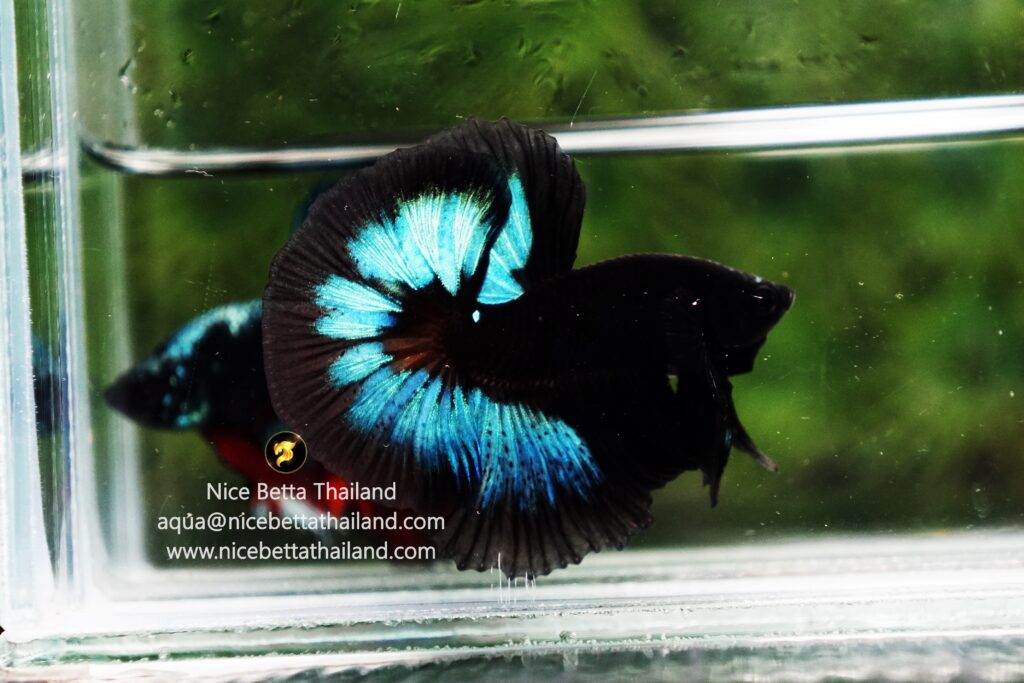
Despite the best intentions and careful selection, there may be instances where a betta becomes overly aggressive towards its tank mates, or vice versa. Having a plan for such situations is essential. This might involve having a separate quarantine tank or a small breeder box that can be placed in the community tank to temporarily isolate the offending fish. This “betta barrier” allows the betta to see its tank mates without being able to interact, giving it time to calm down or allowing the tank mates to readjust.
In conclusion, while the betta’s reputation precedes it, successful cohabitation is achievable with careful planning, a thorough understanding of betta behavior, and a commitment to creating a well-balanced aquarium environment. By selecting compatible species, providing adequate space and enrichment, and practicing diligent observation, you can create a vibrant and peaceful community where your betta and its companions can all thrive. Remember, the ultimate goal is the well-being of all your aquatic charges, and a little research and care go a long way in achieving this rewarding endeavor.
aViewFromTheCave is a participant in the Amazon Services LLC Associates Program, an affiliate advertising program designed to provide a means for sites to earn advertising fees by advertising and linking to Amazon.com. Amazon, the Amazon logo, AmazonSupply, and the AmazonSupply logo are trademarks of Amazon.com, Inc. or its affiliates. As an Amazon Associate we earn affiliate commissions from qualifying purchases.