
The piano, a cornerstone of Western classical music and a ubiquitous presence in homes and concert halls worldwide, often evokes images of artistry, emotion, and tradition. However, beneath its aesthetically pleasing exterior lies a sophisticated piece of engineering, a testament to centuries of innovation. While its cultural lineage is deeply ingrained, its true “family” is arguably rooted in a rich history of technological advancement. This article delves into the technological lineage of the piano, exploring its evolution from rudimentary precursors to the complex acoustic marvel it is today, and touching upon its digital descendants.

The Ancestral Roots: From Monochords to Harpsichords
The piano’s journey began long before its iconic form emerged. Its genesis can be traced back to ancient instruments that explored the principle of vibrating strings to produce different pitches. Understanding these early innovations is crucial to appreciating the piano’s technological evolution.
The Monochord and the Dawn of Stringed Instruments
The monochord, dating back to ancient Greece, is perhaps the most fundamental ancestor. This simple instrument, essentially a single string stretched over a soundboard with a movable bridge, allowed for the precise demonstration of mathematical ratios in musical intervals. While not a musical instrument in the modern sense, it laid the groundwork for understanding how string length, tension, and mass affected pitch. This early understanding of acoustics and the physics of sound was a critical precursor to more complex stringed instruments.
Early Keyboard Precursors: The Organ and the Clavichord
The development of keyboards as a means of controlling musical notes was a significant technological leap. The organ, with its complex system of pipes and air pressure, provided an early model for keyboard-based musical production. However, it was the clavichord and the harpsichord that more directly paved the way for the piano.
The clavichord, popular in the 14th and 15th centuries, utilized small metal tangents that struck the strings. The player could control the volume and even introduce vibrato by varying the pressure on the keys. This offered a degree of expressive control, a feature that would become central to the piano’s appeal. However, its sound was relatively quiet, limiting its use in larger settings.
The harpsichord, which rose to prominence in the 16th century, employed quills or plectra to pluck the strings. This resulted in a brighter, louder sound than the clavichord, making it suitable for larger ensembles and public performance. However, a key technological limitation of the harpsichord was its inability to vary dynamics. The plucking mechanism provided a consistent volume, regardless of how hard the key was pressed. This lack of touch-sensitivity was a significant barrier to musical expression, a void that the piano was destined to fill.
The Birth of the Piano: A Revolution in Touch and Dynamics
The invention of the piano was not merely an incremental improvement; it was a radical technological paradigm shift. The core innovation lay in its ability to control volume through the force applied to the keys, a feature that fundamentally altered musical expression.
Bartolomeo Cristofori and the “Fortepiano”
The invention of the piano is widely attributed to Bartolomeo Cristofori, an Italian harpsichord maker, around the year 1700. Cristofori’s groundbreaking innovation was a completely new mechanism: a hammer that struck the strings. Crucially, this hammer mechanism was designed to rebound immediately after striking, allowing the string to vibrate freely. Even more importantly, the force with which the hammer struck the string was directly proportional to the force with which the key was pressed. This dynamic capability, the ability to play both softly (“piano”) and loudly (“forte”), gave the instrument its original name: the “pianoforte.”
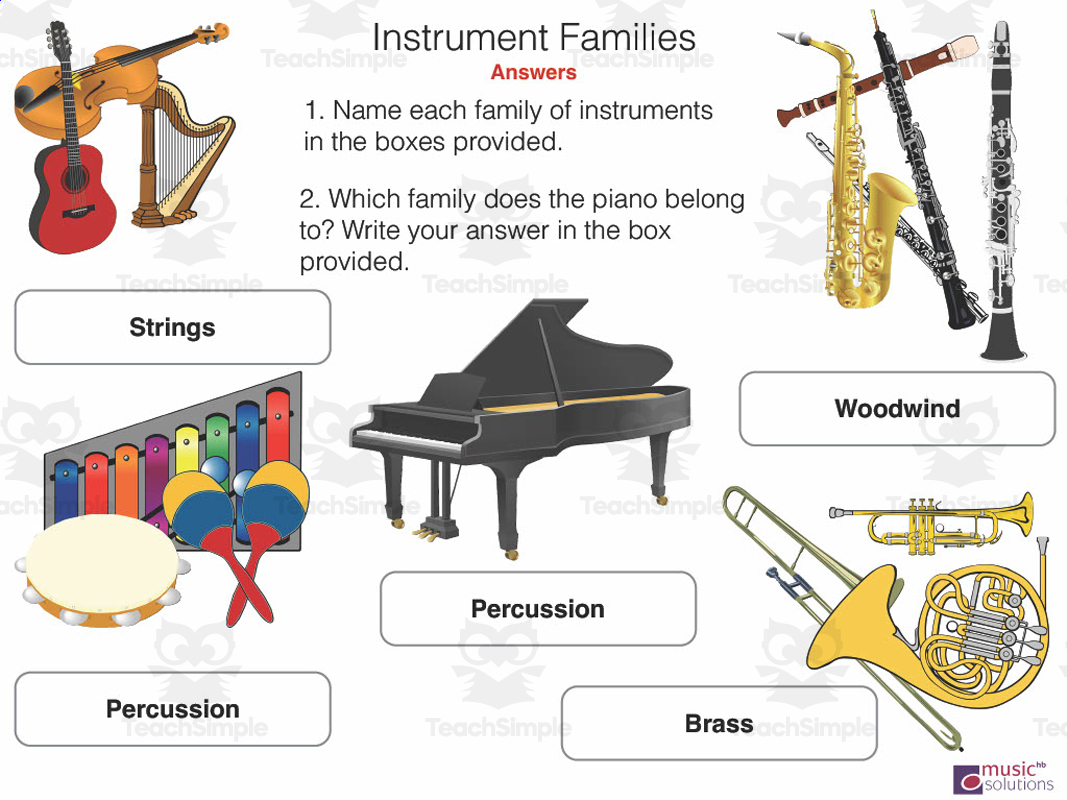
Cristofori’s hammer mechanism was a marvel of early mechanical engineering. It involved a complex interplay of levers, springs, and dampers. The hammer head, often covered in leather, was attached to a lever system that allowed it to strike the string. A crucial element was the “escapement,” a mechanism that allowed the hammer to fall away from the string just after impact, preventing it from muffling the sound. This intricate mechanical design was a significant departure from the simpler actions of the clavichord and harpsichord.
The Evolution of the Hammer Action: From Early Designs to Modern Mechanics
Following Cristofori’s pioneering work, piano makers across Europe continued to refine the hammer action, each iteration building upon the fundamental principles. These advancements were driven by a desire for greater control, improved tone quality, and increased durability.
Early pianos, often referred to as “fortepianos,” had relatively simple actions. The hammers were lighter, and the escapement mechanisms were less sophisticated. This resulted in a more delicate sound and a narrower dynamic range compared to modern pianos. However, these instruments were revolutionary in their time, enabling composers like Mozart and Haydn to explore new expressive possibilities.
Over the 18th and 19th centuries, significant improvements were made. The development of the double escapement mechanism by Sébastien Érard in the early 19th century was a particularly crucial technological advancement. This innovation allowed a key to be re-struck before it had fully returned to its resting position, enabling faster repetition of notes and greater virtuosity for the performer. Other advancements included the use of felt for hammer coverings, which produced a richer, more resonant tone, and the development of more robust frame structures to withstand increased string tension.
The Piano’s “Family” in the Modern Era: Engineering and Digitalization
The piano, while an acoustic instrument, is a product of intricate engineering. In the modern era, its technological lineage has extended into the digital realm, creating new instruments that carry its legacy forward.
The Acoustic Piano as an Engineering Masterpiece
A modern grand piano is an incredibly complex machine, a testament to precision engineering. The intricate interplay of its components – the soundboard, the strings, the hammers, the dampers, the pedals, and the keyboard mechanism – all work in harmony to produce its rich and nuanced sound.
The soundboard, typically made of spruce, acts as an amplifier, resonating with the vibrations of the strings and projecting the sound into the room. The iron frame, a relatively recent innovation in piano history, is crucial for supporting the immense tension of the strings (upwards of 20 tons in a grand piano), preventing the instrument from collapsing. The keyboard action itself, with its numerous levers, pivots, and springs, is a triumph of mechanical design, translating the subtle variations in a pianist’s touch into precise musical expression. The development of string technology, including the use of steel wire and copper winding for bass strings, has also played a significant role in achieving the piano’s characteristic tonal richness.
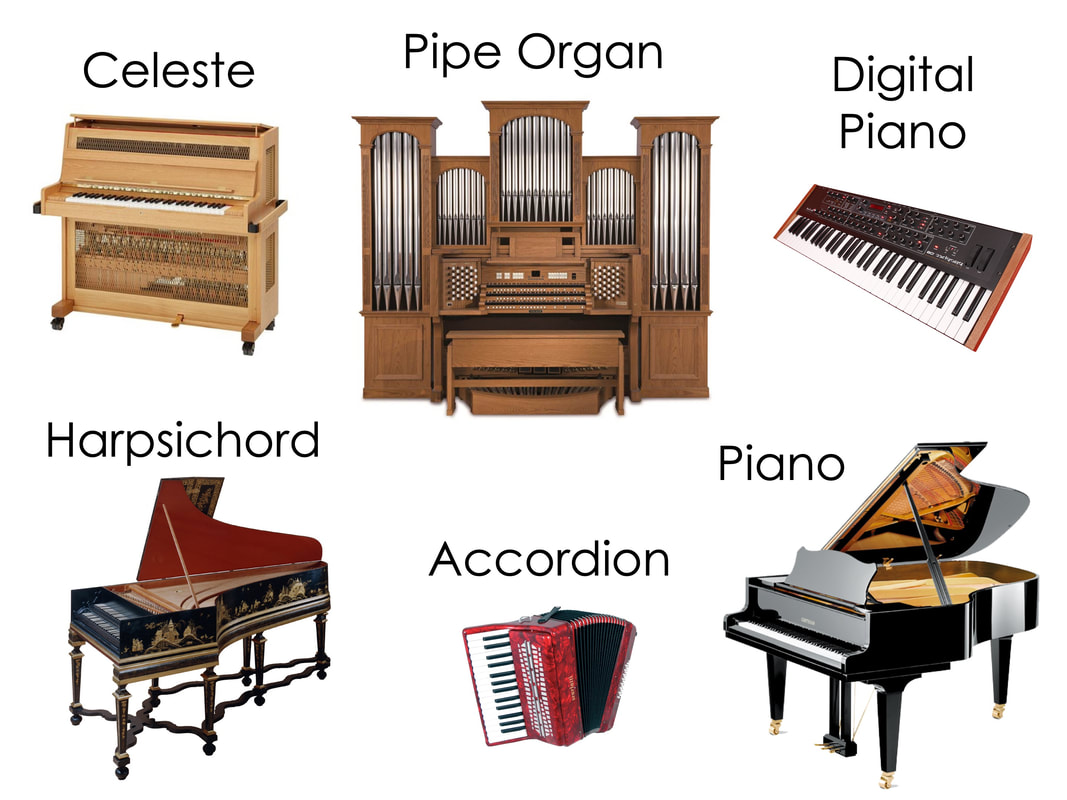
The Digital Piano: A New Branch in the Family Tree
The advent of digital technology has introduced a new “family” to the piano’s lineage: the digital piano. While not producing sound acoustically, digital pianos meticulously replicate the feel and sound of their acoustic counterparts through sophisticated digital sampling and advanced keyboard actions.
Digital pianos utilize sampling technology to record the sound of acoustic pianos at various dynamics. This allows them to reproduce a wide range of tones and expressive nuances. The development of weighted hammer actions in digital pianos aims to mimic the feel of an acoustic piano, with different levels of resistance in the keys to simulate the touch of grand versus upright instruments. Furthermore, digital pianos offer numerous technological advantages, including portability, the ability to play with headphones, built-in metronomes and recording functions, and the capacity to produce a variety of other instrument sounds.
These digital instruments represent a fascinating continuation of the piano’s technological journey. They democratize access to the piano experience, making it more affordable and convenient for a wider audience. While they may not possess the same intricate mechanical soul as their acoustic ancestors, they are undeniably part of the piano’s ever-expanding family, carrying its musical legacy into the digital age.
In conclusion, the piano, far from being a static object of artistic veneration, belongs to a dynamic and evolving family rooted deeply in technological innovation. From the fundamental acoustic principles explored by the monochord to the intricate mechanics of a modern grand and the digital sophistication of its contemporary descendants, the piano’s story is a compelling narrative of human ingenuity applied to the pursuit of musical expression. Its “family” is not just one of composers and performers, but also of engineers, inventors, and technicians who have continuously refined and reimagined this enduring instrument.
aViewFromTheCave is a participant in the Amazon Services LLC Associates Program, an affiliate advertising program designed to provide a means for sites to earn advertising fees by advertising and linking to Amazon.com. Amazon, the Amazon logo, AmazonSupply, and the AmazonSupply logo are trademarks of Amazon.com, Inc. or its affiliates. As an Amazon Associate we earn affiliate commissions from qualifying purchases.