
Bleach, the iconic anime adaptation of Tite Kubo’s manga, has captivated audiences for decades with its thrilling sword fights, compelling characters, and a rich tapestry of spiritual warfare. However, like many long-running anime series, Bleach’s anime adaptation often diverges from its source material, introducing “filler” episodes. These are anime-original storylines and arcs that are not present in the manga. For dedicated fans aiming to experience the complete narrative of Ichigo Kurosaki’s journey as a Soul Reaper, identifying and navigating these filler episodes is crucial. This article delves into the nuances of filler content in Bleach, offering insights into why it exists, how to distinguish it, and how to best approach watching the series to maximize your enjoyment of the canon storyline.

Understanding Filler in Anime: The Case of Bleach
The concept of filler episodes in anime stems from a variety of factors, primarily driven by the need to avoid catching up to the manga’s serialization. When an anime adaptation is released weekly or bi-weekly, and the manga is also ongoing, there’s a risk of the anime outpacing the manga. To prevent this and allow the manga to build a sufficient backlog of chapters, anime studios will often interject original content, which then becomes known as filler.
The Economic and Creative Rationale Behind Filler
From a business perspective, filler episodes can be a double-edged sword. On one hand, they provide continued revenue streams through broadcast, merchandise, and home video sales. They also offer opportunities for animation studios and writers to explore characters and concepts in ways that might not be immediately feasible within the manga’s pacing. This can sometimes lead to the development of fan-favorite side characters or even unique powers that, while not canon, add to the overall charm of the anime.
However, filler can also be a point of contention for purists who are invested in experiencing the story exactly as the creator intended. Filler arcs can sometimes feel like a drag, disrupting the momentum of the main plot, introducing inconsistencies, or even retconning established lore. In Bleach’s case, the studio, Pierrot, employed filler arcs to bridge gaps between major manga arcs and to allow the manga to progress. While some filler arcs are well-received and even integrate seamlessly, others are notoriously disliked by fans.
The Impact on Narrative Pacing and Character Development
The inclusion of filler episodes directly impacts the pacing of the overall narrative. When a viewer is deeply invested in Ichigo’s quest to save his friends or defeat a formidable antagonist, an abrupt shift to an unrelated filler arc can be jarring. It can interrupt crucial character development moments or the build-up to significant plot points.
Furthermore, filler arcs can sometimes dilute the impact of canon character development. If a character undergoes significant growth in a filler arc, only for that growth to be seemingly unacknowledged or reversed in the subsequent canon material, it can undermine the viewer’s investment. Conversely, some filler arcs have successfully fleshed out supporting characters or explored their backstories in ways that enrich the overall viewing experience, even if they aren’t strictly canon. The key often lies in the quality of the writing and animation within these filler segments.
Identifying Bleach’s Filler Arcs: A Comprehensive Guide
Distinguishing between canon and filler episodes in Bleach is essential for viewers who wish to follow the primary narrative. Over the years, fans have meticulously cataloged which episodes belong to filler arcs. These filler arcs are often separated by distinct arcs that have no bearing on the overarching plot of the manga.
The Early Filler: Agent of the Shinigami Arc and its Offshoots
The initial run of Bleach saw the introduction of several filler arcs relatively early on. The “Agent of the Shinigami Arc” itself, while containing the premise of Ichigo gaining his powers, has some filler elements. Following this, the anime introduced arcs that were entirely original.
- The Bount Arc: This arc, which ran for a significant number of episodes, introduced a new type of antagonist, the Bounts, who preyed on souls. While it featured new characters and action sequences, it was entirely absent from the manga and is widely considered one of the most significant filler arcs.
- The Misty Valley Arc: A shorter filler arc that preceded the Bounts, it also focused on original characters and storylines with no connection to the manga.
These early filler arcs, while perhaps offering some entertainment value, often stalled the momentum of the plot, which was just beginning to establish the core conflict with the Soul Society.
Post-Soul Society Filler: Bridging the Gaps
After the iconic Soul Society arc concluded in the manga and anime, the anime continued to produce filler to keep viewers engaged while waiting for more manga material.
- The Arrancar: A New Enemy Arc: This arc served as a precursor to the main Arrancar saga. While it introduced some concepts that would later be relevant, many of its plot points and characters were anime-original and did not appear in the manga. It’s a classic example of filler that attempts to set up future canon events but deviates significantly in execution.
- The Zanpakuto Rebellion Arc: This arc focused on the spirits of the Zanpakuto themselves rebelling against their wielders. It offered a unique premise and showcased various characters’ Zanpakuto spirits, but like other filler arcs, it was not part of the manga’s narrative. This arc is often cited as a particularly enjoyable filler for its creative exploration of the Zanpakuto concept.
- The Gotei 13 Invading Army Arc: This was another substantial filler arc that saw a portion of the Gotei 13 captains and lieutenants rebelling. It introduced new antagonists and intricate battles, but ultimately had no impact on the manga’s progression.

These arcs, while contributing to the episode count, are generally skipped by fans who prioritize the manga’s storyline.
Post-Hueco Mundo and Final Arc Filler
Even as the manga progressed into its later arcs, the anime continued to incorporate filler content.
- The Lost Agent Arc (Fullbring Arc): While the Fullbring arc is technically canon to the manga, its anime adaptation introduced some filler episodes and altered certain plot points and character interactions. This can be a confusing point for viewers, as parts of it are canon, but the execution in the anime has some filler elements.
- The Thousand-Year Blood War (TYBW) Arcs: Crucially, the recent revival of Bleach with the Thousand-Year Blood War anime has, thus far, been remarkably faithful to the manga. The studio has committed to adapting the final arc of the manga without significant filler. This is a welcome change for fans who have long yearned for a more direct adaptation of the source material.
Strategies for Navigating Bleach Filler
For viewers who want to experience the core Bleach narrative without the detours of filler, there are several effective strategies. The most common approach is to consult reliable online resources that provide detailed filler lists.
Utilizing Filler Guides and Watch Orders
The anime community has developed extensive resources for identifying filler episodes. Websites dedicated to anime and manga often feature comprehensive lists of filler episodes for popular series like Bleach. These guides typically provide episode numbers and arc names, allowing viewers to easily skip over non-canon content.
A typical “filler list” for Bleach would categorize episodes into canon, filler, and sometimes “mixed” (episodes containing both canon and filler elements). By following these lists, viewers can create a curated watch order that focuses solely on the manga’s storyline. This approach ensures that the narrative flows logically and that character development and plot progression remain consistent with the original work.
The “Canon Purist” Approach
The canon purist approach involves watching only the episodes that directly adapt the manga. This is the most straightforward way to avoid filler, but it requires diligent adherence to a filler list. The benefit of this method is an uninterrupted experience of Ichigo’s main journey, the exploration of the Soul Society, the battles against the Espada, and the climactic final arc.
The “Selective Filler” Approach
Some viewers opt for a more selective approach, watching only the filler arcs or episodes that are generally well-regarded or offer interesting insights into characters or world-building. While still deviating from the strict canon, this approach can add depth and variety to the viewing experience. For instance, some fans find the Zanpakuto Rebellion Arc to be entertaining enough to warrant watching, despite its filler status. This method requires a bit more judgment and a willingness to explore content outside the direct manga adaptation.
The Future of Bleach and Filler Content
With the successful continuation of the Bleach anime with the Thousand-Year Blood War, the future of filler content in the franchise appears to be diminishing, at least for the manga’s conclusion. The studio’s commitment to a faithful adaptation of the final arc signals a shift in strategy, likely driven by fan demand and a desire to provide a definitive anime experience of the manga’s ending.
The Thousand-Year Blood War: A Canon-First Approach
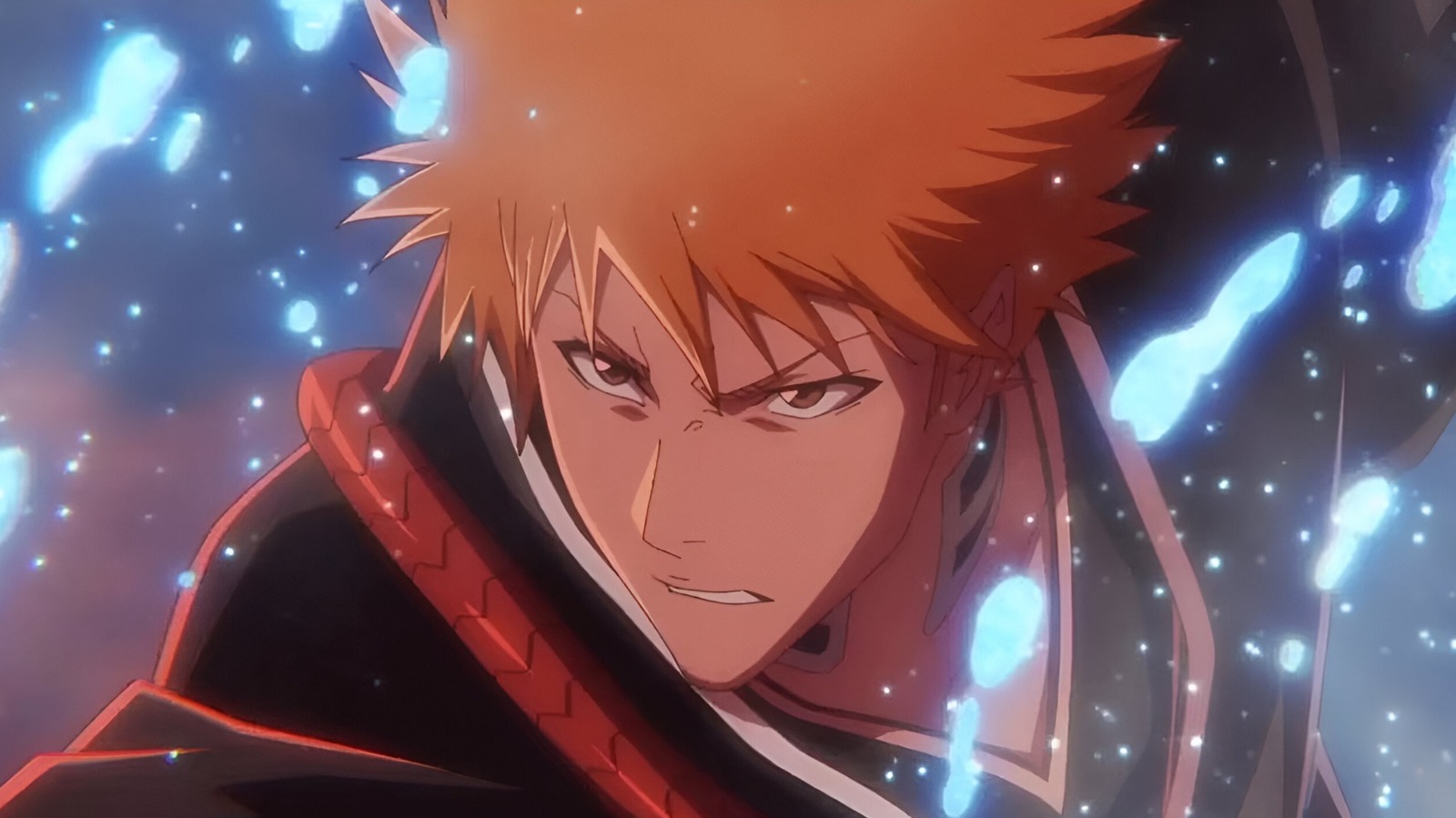
The recent adaptation of the Thousand-Year Blood War arc has been a revelation for many Bleach fans. Unlike previous installments, the production has prioritized manga accuracy, resulting in a more cohesive and impactful storytelling experience. This has set a high standard for how future adaptations of beloved manga should be handled. The absence of significant filler in TYBW demonstrates that it is possible to adapt vast amounts of manga content faithfully and efficiently.
Lessons Learned and Fan Expectations
The experience with Bleach’s filler has taught the anime industry valuable lessons about fan expectations. While filler can serve a purpose, audiences are increasingly prioritizing faithful adaptations and well-paced narratives. The success of the TYBW anime suggests that a canon-first approach, coupled with high-quality animation and storytelling, is the most effective way to satisfy long-time fans and attract new viewers. As more anime adapt ongoing manga series, the strategies employed in Bleach’s later adaptations, particularly the TYBW, will likely serve as a model for future productions. Ultimately, understanding what constitutes filler in Bleach allows viewers to tailor their experience, ensuring they can fully appreciate the epic journey of Ichigo Kurosaki and the vast world of the Soul Society.
aViewFromTheCave is a participant in the Amazon Services LLC Associates Program, an affiliate advertising program designed to provide a means for sites to earn advertising fees by advertising and linking to Amazon.com. Amazon, the Amazon logo, AmazonSupply, and the AmazonSupply logo are trademarks of Amazon.com, Inc. or its affiliates. As an Amazon Associate we earn affiliate commissions from qualifying purchases.