
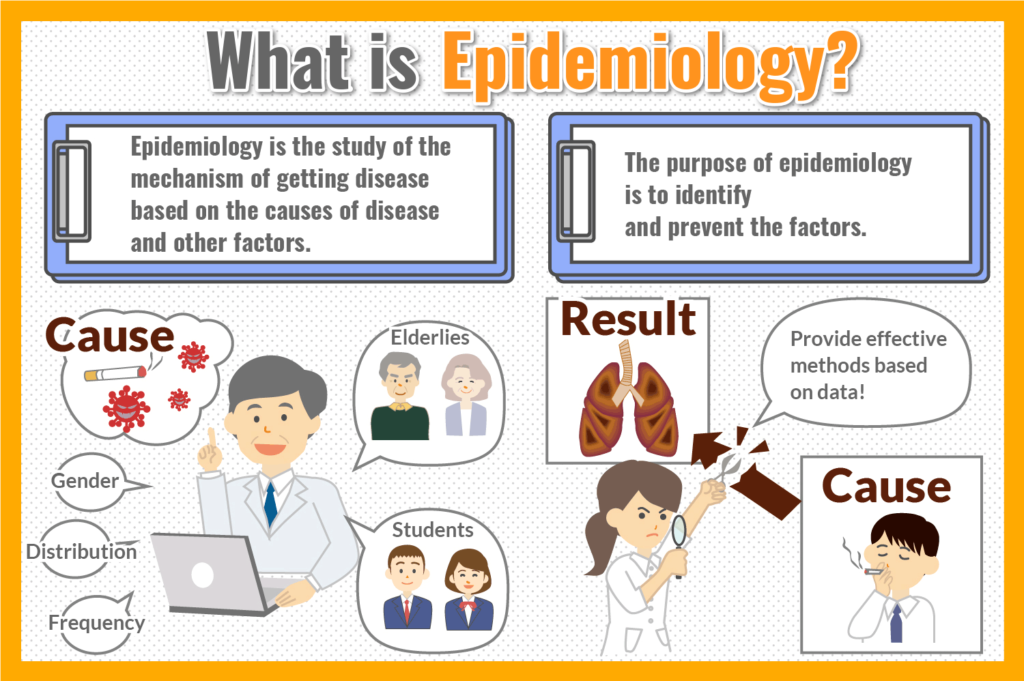
Epidemiology, at its core, is the study of the distribution and determinants of health-related states or events in specified populations, and the application of this study to the control of health problems. While often associated with headline-grabbing outbreaks like pandemics, the work of epidemiologists extends far beyond disease surveillance. They are the detectives of public health, meticulously investigating the “who, what, where, when, and why” of health patterns to protect and improve the well-being of communities. Their work is fundamentally rooted in data, its interpretation, and its application to inform actionable strategies.
The Foundation: Data Collection and Surveillance
At the heart of epidemiological practice lies the systematic collection and analysis of health data. This foundational aspect is crucial for understanding the current health landscape and identifying emerging threats. Without robust data, identifying trends, pinpointing causes, or measuring the impact of interventions would be impossible.
Identifying Health Patterns and Trends
Epidemiologists are constantly scanning the horizon for patterns in disease occurrence. This involves monitoring health data from various sources, including hospitals, clinics, laboratories, death certificates, and public health registries. They look for changes in the frequency, severity, or distribution of diseases. For instance, a sudden increase in a particular type of cancer in a specific geographic area, or a rise in hospitalizations for respiratory illnesses during a non-traditional season, would trigger an epidemiological investigation.
This surveillance is not merely about counting cases. It involves understanding the demographics of affected individuals (age, sex, race, socioeconomic status), their geographic locations, and the timeline of their illness. By identifying these patterns, epidemiologists can distinguish between random fluctuations and genuine public health concerns that require further investigation. They develop and utilize sophisticated data management systems, often leveraging advancements in technology to process and analyze vast datasets in near real-time.
Outbreak Detection and Investigation
One of the most visible roles of epidemiologists is their response to disease outbreaks. When a cluster of cases of a specific illness is reported, epidemiologists are the first responders, much like detectives arriving at a crime scene. Their immediate priority is to confirm the existence of an outbreak, define its scope, and identify the causal agent.
This involves conducting interviews with affected individuals, collecting biological samples, and gathering information about their exposures, contacts, and travel history. They meticulously trace the chain of transmission, identifying the source of infection and how it spread. This often requires working closely with healthcare providers, laboratories, and other public health agencies. The goal is not just to identify the initial source but to understand the transmission dynamics to implement effective control measures.
Unraveling the “Why”: Causal Inference and Risk Factor Identification
Beyond simply observing health events, epidemiologists strive to understand the underlying causes and risk factors that contribute to disease. This analytical phase is critical for developing targeted prevention strategies.
Designing and Conducting Studies
Epidemiologists employ a variety of study designs to investigate the relationship between exposures and health outcomes. These range from observational studies, such as cohort studies and case-control studies, which examine existing patterns and associations, to experimental studies like randomized controlled trials, which can establish causality.
In a cohort study, a group of individuals is followed over time to see who develops a particular disease based on their exposure to certain factors. A case-control study, on the other hand, compares individuals with a disease (cases) to those without it (controls) to identify past exposures that may have differed between the groups. The choice of study design depends on the research question, the nature of the exposure, and the availability of data. Each design has its strengths and weaknesses, and epidemiologists must possess a deep understanding of statistical principles to select and implement the most appropriate method.
Statistical Analysis and Interpretation
The data collected through these studies are then subjected to rigorous statistical analysis. Epidemiologists use statistical software and techniques to identify associations, quantify the strength of these associations, and determine if they are likely to be due to chance. This involves calculating measures of risk, such as relative risk and odds ratios, and conducting hypothesis testing.
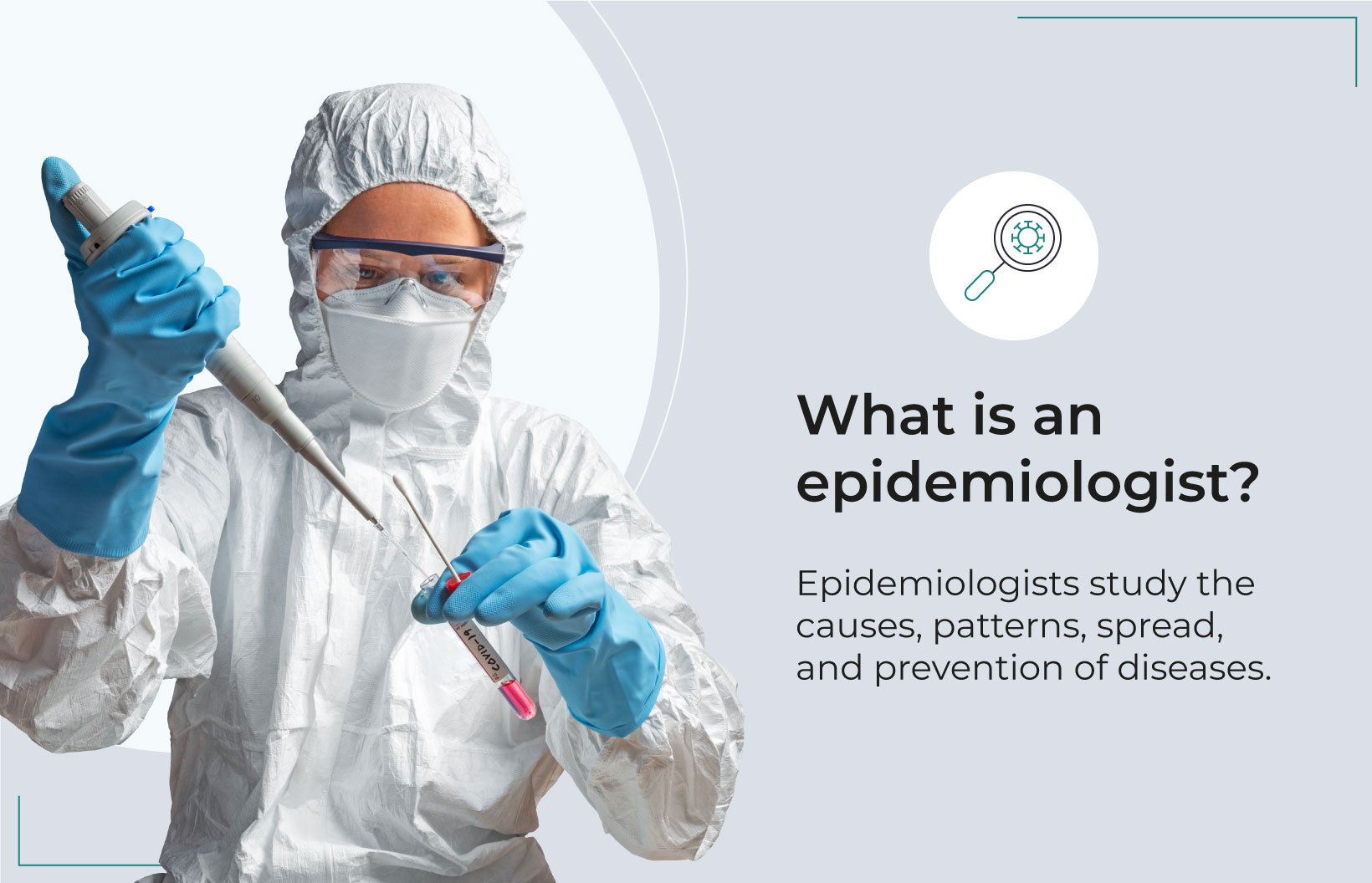
Crucially, interpretation goes beyond mere statistical significance. Epidemiologists consider the biological plausibility of findings, the consistency of results across different studies, and the potential for confounding factors (other variables that might explain the observed association). They must be adept at distinguishing correlation from causation, a fundamental principle in scientific inquiry.
Translating Knowledge into Action: Prevention and Control Strategies
The ultimate goal of epidemiology is to translate scientific findings into practical strategies that protect and improve public health. This involves informing policy, developing interventions, and educating communities.
Developing Prevention and Intervention Programs
Once risk factors and causes of disease are identified, epidemiologists play a vital role in designing and evaluating programs to prevent or control them. This could involve recommending changes in public policy, such as implementing smoking bans or promoting vaccination campaigns. It could also involve developing educational materials to raise awareness about healthy behaviors or specific health risks.
For example, if an epidemiological study reveals a strong link between a specific dietary pattern and a chronic disease, epidemiologists would work with nutritionists and public health officials to develop guidelines and programs to encourage healthier eating habits. Similarly, understanding the transmission dynamics of an infectious disease is crucial for developing effective vaccination strategies, quarantine protocols, or public health messaging to prevent further spread.
Informing Public Health Policy and Practice
Epidemiological evidence is the bedrock upon which public health policy is built. Policymakers rely on the insights provided by epidemiologists to make informed decisions about resource allocation, regulatory measures, and public health initiatives. Whether it’s advocating for stricter environmental regulations to reduce pollution-related illnesses or recommending guidelines for cancer screening, epidemiological data provides the scientific justification for these actions.
Epidemiologists also contribute to the evaluation of existing public health programs. By monitoring health outcomes after an intervention is implemented, they can determine its effectiveness and identify areas for improvement. This continuous feedback loop ensures that public health efforts are data-driven, efficient, and impactful. They communicate their findings through reports, presentations, and publications, bridging the gap between scientific research and practical implementation.
The Evolving Landscape: Emerging Roles and Technologies
The field of epidemiology is not static. It continuously adapts to new challenges and embraces technological advancements to enhance its capabilities.
The Rise of Digital Epidemiology and Big Data
The digital age has profoundly impacted epidemiology. The proliferation of electronic health records, wearable devices, social media, and search engine queries generates unprecedented volumes of health-related data. Digital epidemiology leverages these “big data” sources to conduct real-time surveillance, identify emerging outbreaks through social media trends, and understand population health in new ways.
Epidemiologists are increasingly using advanced computational tools, machine learning algorithms, and geospatial analysis to process and interpret these complex datasets. This allows for faster detection of outbreaks, more precise identification of risk factors, and more personalized approaches to public health interventions. For instance, analyzing anonymized mobile phone data can help track population movement and predict disease spread during a pandemic.

Global Health Security and Preparedness
In an increasingly interconnected world, the threat of global pandemics and other health emergencies is a constant concern. Epidemiologists are at the forefront of global health security efforts. They work with international organizations like the World Health Organization (WHO) to monitor disease threats worldwide, share information, and coordinate responses.
Their expertise is crucial in developing preparedness plans for future health crises, assessing vulnerabilities, and designing strategies to mitigate the impact of emerging infectious diseases. This involves understanding cross-border transmission, international travel patterns, and the preparedness levels of different countries. The lessons learned from past pandemics underscore the critical and ongoing need for robust epidemiological surveillance and rapid response capabilities on a global scale.
In conclusion, epidemiologists are vital public health professionals whose work touches every aspect of our health. From the meticulous collection of data and the rigorous analysis of health patterns to the development of life-saving interventions and the shaping of public health policy, their dedication to understanding and improving population health is indispensable. As the world faces new and evolving health challenges, the role of the epidemiologist will only become more critical.
aViewFromTheCave is a participant in the Amazon Services LLC Associates Program, an affiliate advertising program designed to provide a means for sites to earn advertising fees by advertising and linking to Amazon.com. Amazon, the Amazon logo, AmazonSupply, and the AmazonSupply logo are trademarks of Amazon.com, Inc. or its affiliates. As an Amazon Associate we earn affiliate commissions from qualifying purchases.