
Machu Picchu. The very name conjures images of mist-shrouded mountains, ancient stone structures clinging precariously to impossibly steep slopes, and a profound sense of mystery and awe. But beyond the literal visual, what is the enduring allure of Machu Picchu? How has this Incan citadel, lost to the world for centuries, transformed into one of the planet’s most recognizable and coveted destinations? This exploration delves beyond mere aesthetics to dissect the multifaceted brand that Machu Picchu has become, examining its historical foundations, its careful cultivation, and its profound impact on global perceptions and tourism.
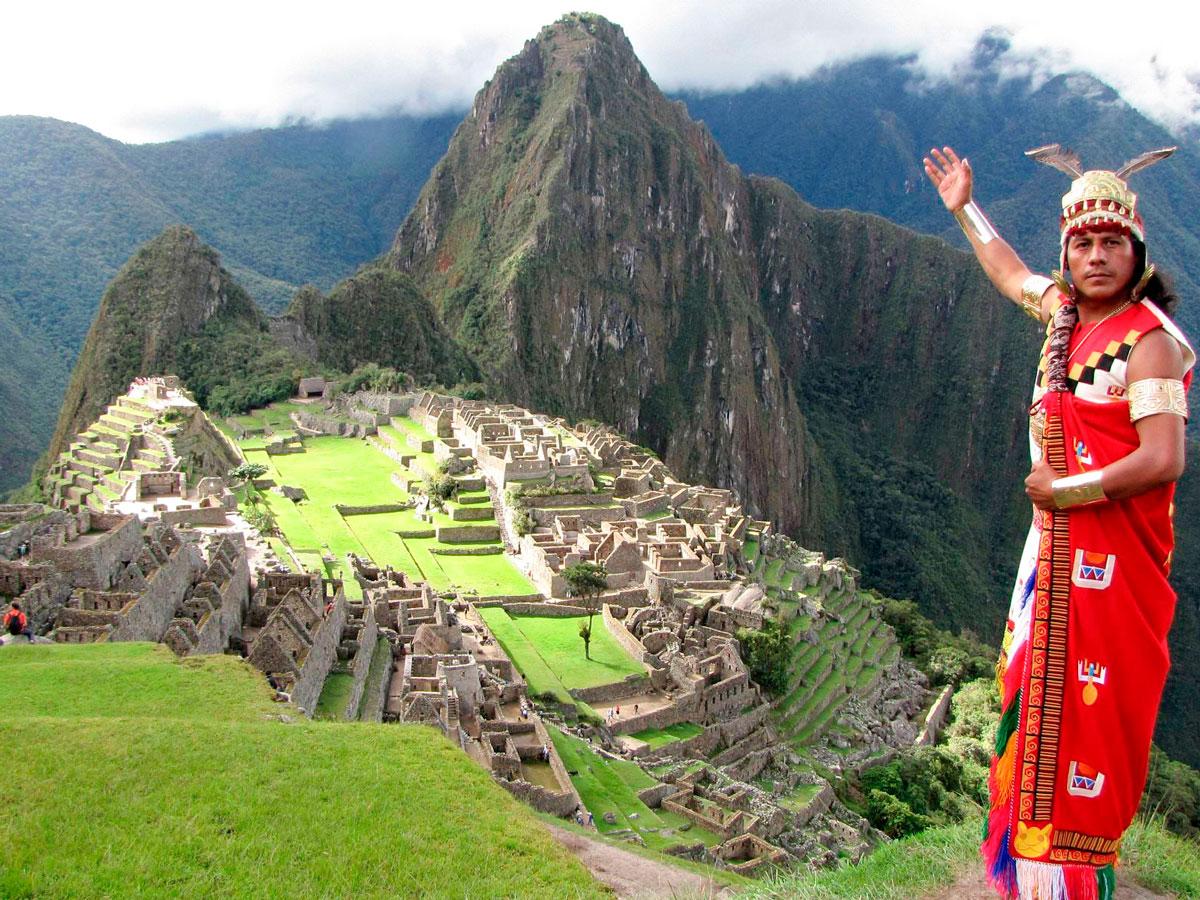
The brand of Machu Picchu is not accidental. It is a masterclass in how a historical site, through a combination of natural grandeur, historical narrative, and strategic positioning, can become an indelible mark on the global consciousness. It’s a brand built on authenticity, mystery, and a promise of an unparalleled experience, all of which are meticulously maintained and amplified through various channels. Understanding this brand requires looking at its genesis, its evolution, and the core elements that make it so compelling.
The Genesis of an Icon: Natural Majesty and Historical Resonance
The inherent physical attributes of Machu Picchu, coupled with the profound historical narrative it represents, form the bedrock of its brand. These elements are not merely descriptive; they are the foundational pillars upon which its global recognition has been built. Without this intrinsic power, no amount of marketing could have elevated it to its current status.
The Unparalleled Natural Setting
Machu Picchu’s location is, quite simply, breathtaking. Perched at an altitude of nearly 8,000 feet in the Andes Mountains of Peru, it is nestled between two imposing peaks: Huayna Picchu and Machu Picchu mountain. The dramatic juxtaposition of meticulously crafted Incan stonework against a backdrop of lush, cloud-forested, and often mist-draped mountains creates a visual spectacle that is both humbling and inspiring.
The geographical isolation of the site, accessible primarily by a winding train journey or a challenging trek, adds to its mystique. This remoteness inherently suggests an untouched, sacred quality, a place that demands effort and reverence to reach. The constant presence of clouds, which often obscure and then dramatically reveal the ruins, contributes to an ethereal and almost magical atmosphere. This visual drama is a key component of its brand, offering a sense of discovery and wonder that few other locations can replicate. The vibrant greens of the surrounding vegetation, the deep blues of the sky (when visible), and the grey, weathered stone of the citadel combine to create a palette that is both natural and profoundly impactful. The agricultural terraces, carved with remarkable precision into the steep mountainsides, further demonstrate human ingenuity harmonizing with the formidable landscape, adding another layer to the visual narrative.
The Enigma of the Lost City
The rediscovery of Machu Picchu by Hiram Bingham in 1911, while not the true “discovery” of the site by locals, marked its entry onto the global stage. The narrative of a “lost city,” hidden from the Spanish conquistadors and the wider world for centuries, is a powerful storytelling element that has become intrinsically linked to its brand. This mystery fuels curiosity and an insatiable desire to understand the lives of the people who built and inhabited this extraordinary place.
The precise purpose of Machu Picchu remains a subject of scholarly debate – was it a royal estate, a religious sanctuary, an astronomical observatory, or a combination of these? This ambiguity only serves to deepen its allure. The lack of definitive answers encourages individual interpretation and personal connection, allowing visitors to project their own sense of wonder and discovery onto the site. The sophisticated engineering, the intricate stonework that fits together without mortar, and the astronomical alignments all point to a highly advanced civilization, yet much of their daily life and ultimate departure from Machu Picchu remains shrouded in historical haze. This inherent narrative of advanced civilization, lost to time, is a potent element of its brand, evoking images of a sophisticated, yet enigmatic, past.
Cultivating a Global Presence: Marketing and Perception Management
Once its inherent allure was recognized, the brand of Machu Picchu has been actively cultivated and managed. This involves strategic marketing, leveraging its unique attributes to attract global attention and position it as an aspirational travel destination. The consistent and effective management of its image has been crucial in maintaining its status as a premier world heritage site.
The Power of Iconic Imagery
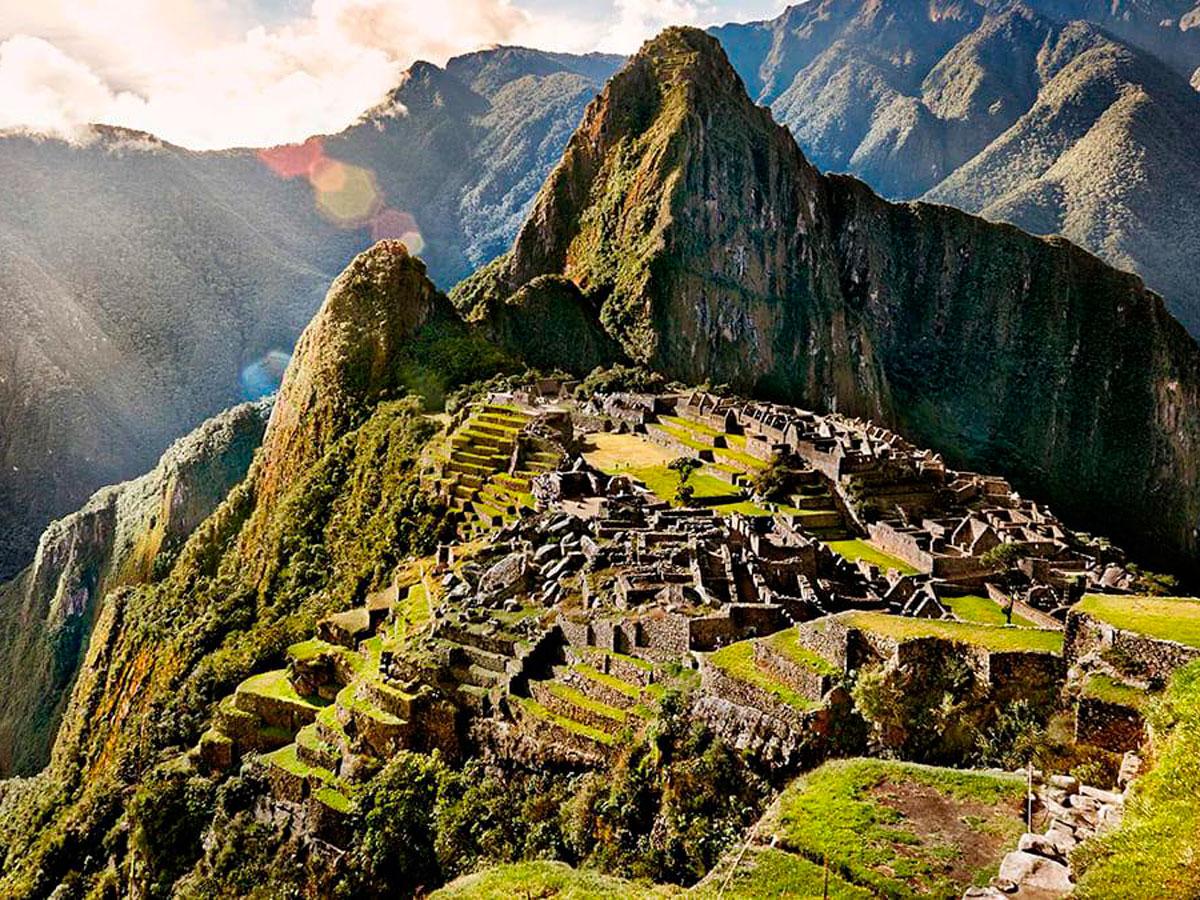
The visual representation of Machu Picchu is arguably its most potent marketing tool. The classic panoramic shot, often taken from the Guardhouse viewpoint, featuring the citadel with Huayna Picchu in the background, has become one of the most recognizable images in the world. This image, replicated countless times in travel magazines, documentaries, and online platforms, acts as a constant advertisement, embedding the site in the global visual lexicon.
The use of high-quality photography and videography, capturing the site in varying light conditions and atmospheric effects, further enhances its visual appeal. Drone footage, time-lapses of changing weather patterns, and intimate shots of architectural details all contribute to a rich tapestry of imagery that constantly reintroduces Machu Picchu to new audiences. This visual branding is not merely about showcasing pretty pictures; it’s about creating an emotional connection, a yearning to experience that same vista firsthand. The consistent visual language employed across various media reinforces the brand, making it instantly recognizable and desirable.
Global Recognition and Endorsements
Machu Picchu’s brand is further solidified through its UNESCO World Heritage Site status, its designation as one of the New7Wonders of the World, and its consistent inclusion in “must-visit” lists and travel awards. These endorsements lend an air of authority and universal acclaim, acting as powerful endorsements for its brand.
The consistent positive press and media coverage, from critical acclaim in travel publications to its depiction in popular culture, all contribute to its elevated status. Furthermore, the sheer volume of visitor numbers, while posing management challenges, also serves as a testament to its global desirability. The ripple effect of word-of-mouth marketing, fueled by millions of satisfied visitors sharing their experiences, is an invaluable component of its brand equity. The perception of Machu Picchu as a bucket-list destination, a journey of discovery and cultural immersion, is a meticulously crafted narrative that resonates with a global audience seeking meaningful travel experiences.
The Enduring Brand Promise: Experience, Authenticity, and Transformation
At its core, the brand of Machu Picchu promises more than just a scenic view; it offers an experience that is both profound and transformative. This promise is rooted in the authenticity of its history and the unique, often emotional, impact it has on those who visit.
The Promise of an Authentic Encounter
In an increasingly homogenized world, the brand of Machu Picchu strongly emphasizes authenticity. It is presented as a genuine glimpse into the ingenuity and spiritual depth of the Incan civilization, largely untouched by the ravages of time and development (relative to other ancient sites). The preservation efforts, while ongoing and subject to debate, are geared towards maintaining this sense of historical integrity.
Visitors are drawn to the idea of connecting with a tangible past, of walking the same stone pathways as an ancient people. The raw materials, the monumental scale of the construction, and the spiritual atmosphere are all presented as elements of an unadulterated historical encounter. This promise of authenticity is a powerful differentiator in the tourism market, appealing to travelers seeking meaningful and enriching experiences that go beyond superficial sightseeing. The presence of llamas grazing peacefully amongst the ruins, the distinct smell of the mountain air, and the echoing silence broken only by the wind all contribute to this authentic sensory experience.

The Transformative Journey
Beyond its historical and visual appeal, the brand of Machu Picchu also taps into a deeper human desire for connection, for perspective, and for a sense of wonder. The journey to Machu Picchu, whether by train or by trek, is often as much a part of the experience as the destination itself. This journey, with its gradual ascent into the mountains, symbolizes a transition, a moving away from the everyday and towards something extraordinary.
Many visitors report a profound emotional and spiritual response to Machu Picchu, describing feelings of peace, humility, and a renewed appreciation for human achievement and the natural world. This transformative potential is a key element of its enduring brand promise. It’s not just about seeing Machu Picchu; it’s about feeling it. This intangible, yet powerful, aspect of the brand is what compels people to undertake arduous journeys and invest significant resources to witness its grandeur. It’s the promise of an experience that lingers long after the visit, a memory etched not just in photographs, but in the soul. The brand of Machu Picchu, therefore, is a potent blend of natural splendor, historical enigma, and a deeply human promise of wonder and transformation, making it a timeless icon in the global landscape of brand appeal.
aViewFromTheCave is a participant in the Amazon Services LLC Associates Program, an affiliate advertising program designed to provide a means for sites to earn advertising fees by advertising and linking to Amazon.com. Amazon, the Amazon logo, AmazonSupply, and the AmazonSupply logo are trademarks of Amazon.com, Inc. or its affiliates. As an Amazon Associate we earn affiliate commissions from qualifying purchases.