
The culinary world often conjures images of intricate techniques and seemingly arcane knowledge. Among these, “tempering eggs” stands out as a phrase that can elicit both curiosity and a touch of trepidation for home cooks and aspiring chefs alike. Far from being a mystical ritual, tempering is a fundamental skill that unlocks a vast array of creamy, luxurious, and stable egg-based dishes. At its core, tempering is a process designed to gently introduce a warm liquid to eggs without causing them to scramble, thereby creating a smooth, emulsified base that is essential for custards, sauces, and many other beloved culinary creations.
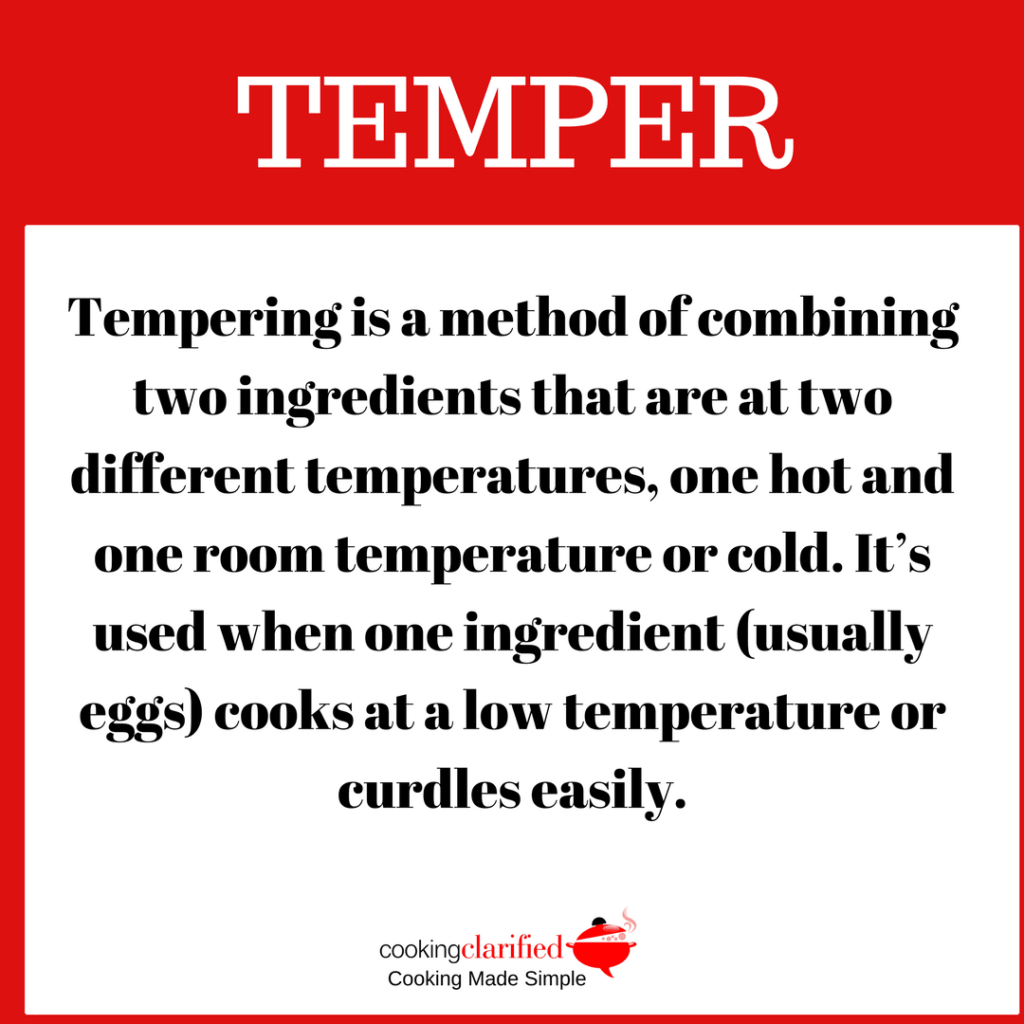
Understanding tempering is not just about avoiding a lumpy disaster; it’s about mastering a technique that elevates the texture and consistency of your food, allowing for a richer mouthfeel and a more refined presentation. This article will delve into the “why” and “how” of tempering eggs, exploring the underlying scientific principles and providing practical guidance for achieving perfect results every time. We will dissect the process, highlight common pitfalls, and offer insights into how this technique is employed in various culinary applications, demonstrating its indispensable role in both classic and contemporary cooking.
The Science Behind the Scramble: Why Eggs Need Tempering
Eggs are a marvel of natural engineering, containing proteins that are highly sensitive to heat. When exposed to sufficient heat, these proteins undergo a process called denaturation, where their complex three-dimensional structures unravel. As the temperature continues to rise, these denatured proteins begin to bond with each other, forming a solid, opaque network – the familiar texture of scrambled eggs. The challenge in many recipes is to incorporate eggs into a hot liquid without exceeding this critical temperature threshold.
Protein Denaturation and Coagulation
The key to understanding tempering lies in the behavior of egg proteins. Egg whites are primarily composed of albumin proteins, while yolks contain lipoproteins and other proteins. When these proteins are heated, they begin to denature around 140°F (60°C) and fully coagulate (set) at higher temperatures, typically between 158°F (70°C) for whites and 165°F (74°C) for yolks. The goal of tempering is to gradually raise the temperature of the egg mixture, allowing the proteins to slowly denature and incorporate into the hot liquid without forming the tight, solid bonds that result in scrambling.
Emulsification and Richness
Egg yolks, in particular, play a crucial role in emulsification. They contain lecithin, a natural emulsifier that helps to bind together liquids that would normally separate, such as oil and water. When properly tempered, the egg yolks, along with their lecithin, are integrated into a hot liquid, creating a stable, smooth mixture. This emulsification process contributes significantly to the rich, creamy texture characteristic of dishes like crème brûlée, hollandaise sauce, and pastry cream. Without successful tempering, the emulsifying properties of the yolk are compromised, leading to a grainy or broken sauce.
The Art of Gradual Introduction: How to Temper Eggs Effectively
The essence of tempering lies in a slow, deliberate process of acclimatizing the eggs to heat. This involves gradually raising the temperature of the egg mixture by incorporating small amounts of the hot liquid into the beaten eggs, effectively “tempering” their sensitivity to heat. This is a far cry from simply dumping cold eggs into a boiling pot.
Preparing the Egg Mixture
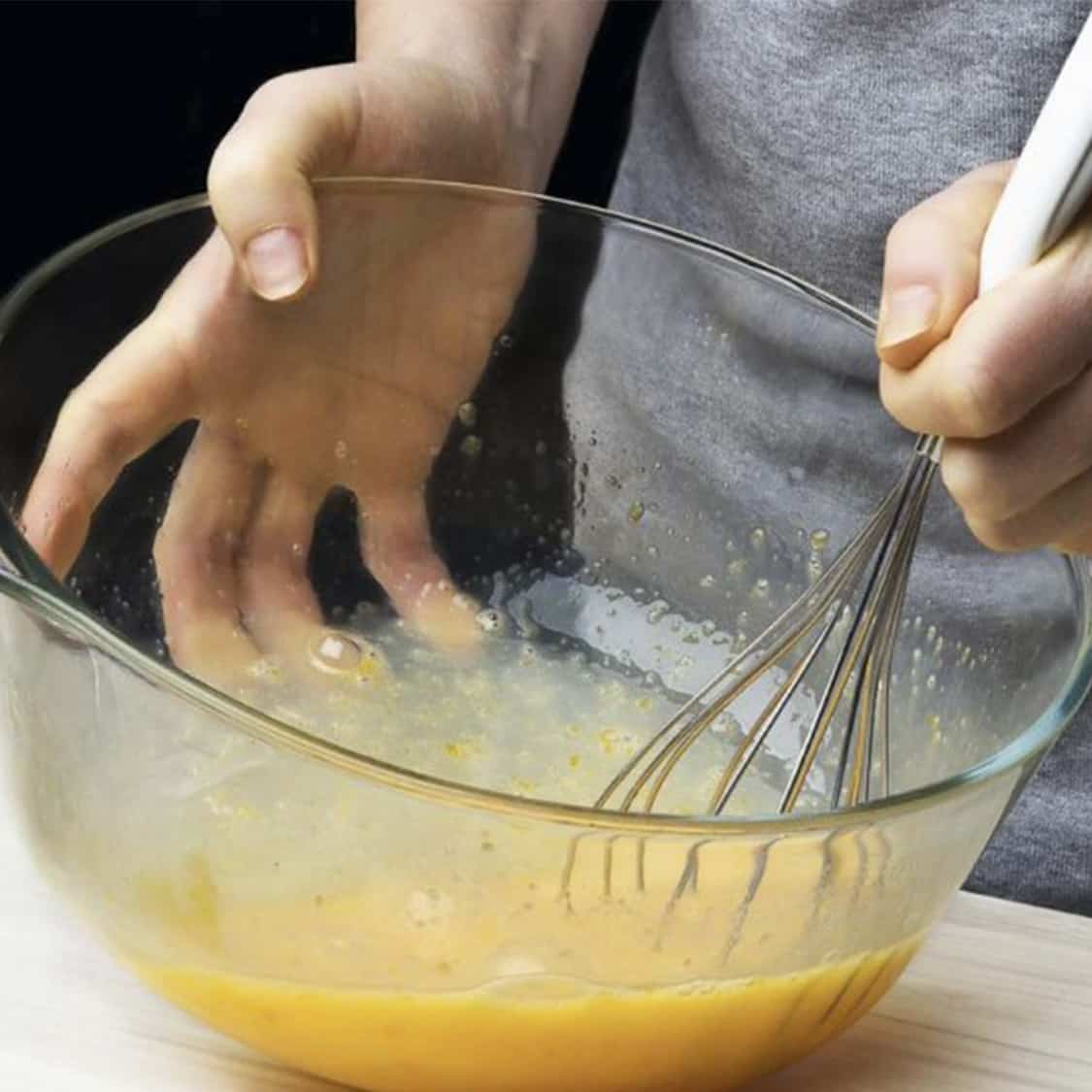
The first step in tempering is to prepare your egg base. Typically, this involves whisking eggs or egg yolks with a sweetener, and sometimes flour or cornstarch, depending on the recipe. The key here is to ensure thorough mixing to break down the yolks and create a homogenous base. A common ratio might be one whole egg or two egg yolks for every cup of liquid. Whisking until the mixture is pale yellow and slightly thickened indicates that the yolks are well broken down and ready for the next stage.
The Gradual Addition Technique
The actual tempering process involves slowly drizzling a small amount of the hot liquid into the beaten eggs while whisking constantly. Imagine adding a whisper of heat to a shy guest, rather than a sudden blast. Start by adding just a ladleful or two of the hot liquid, continuously whisking the eggs. This initial addition warms the eggs gently, beginning the denaturation process without causing them to scramble. Once this small amount of hot liquid is incorporated, the egg mixture will be slightly warmer and more receptive to further heat.
Returning to the Main Mixture
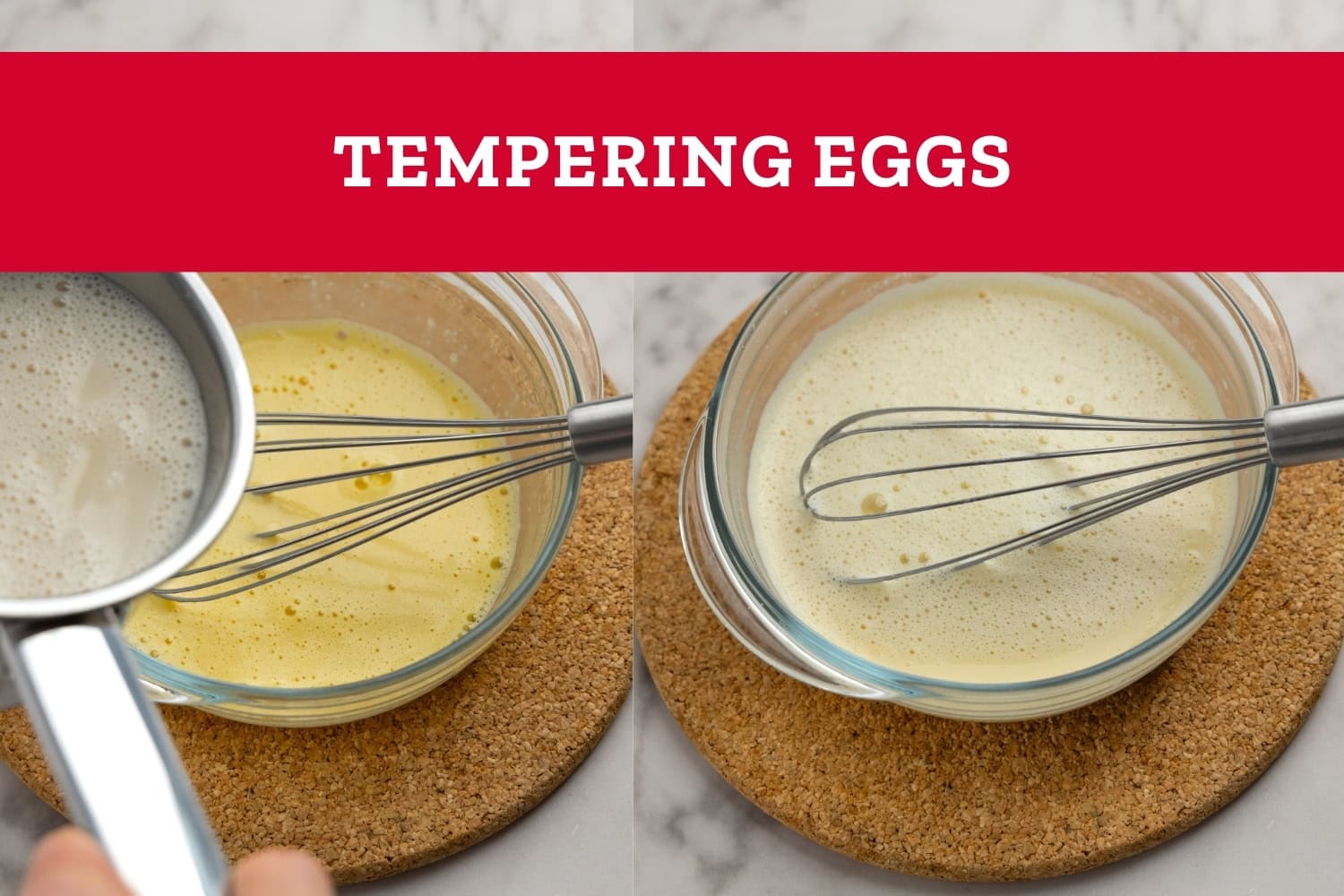
After the eggs have been tempered with a small portion of the hot liquid, the entire warmed egg mixture is then slowly poured back into the remaining hot liquid, again while whisking constantly. This second, now tempered, addition ensures that the eggs are gradually incorporated into the bulk of the hot liquid. The constant whisking is crucial during this stage to ensure even distribution of the warmed egg mixture and to prevent any localized pockets of heat that could lead to scrambling. Continue to whisk and cook gently until the desired consistency is achieved.
Common Pitfalls and Troubleshooting Techniques
Despite its fundamental nature, tempering can be a source of frustration for cooks who encounter unexpected results. The most common issue is, of course, scrambled eggs, but other problems can arise, impacting the final texture and appearance of the dish. Understanding these potential pitfalls and how to address them can save a dish and boost a cook’s confidence.
The Dreaded Scramble: Identifying and Preventing Overheating
The tell-tale sign of overheated eggs is the appearance of small, opaque flecks of cooked egg suspended in your sauce or custard. This occurs when the temperature of the egg mixture rises too quickly, causing the proteins to coagulate prematurely. Prevention is key: always temper slowly, whisk constantly, and use gentle heat. If you notice small flecks appearing, immediately remove the mixture from the heat and whisk vigorously. Sometimes, straining the mixture through a fine-mesh sieve can salvage the dish by removing the visible cooked egg bits, though the texture might still be slightly compromised.
Achieving Smoothness: The Role of Sieving and Low Heat
A perfectly tempered egg mixture should be smooth and velvety. If your final custard or sauce has a slightly grainy texture, it might be due to insufficient whisking during the tempering process or the presence of small, undissolved protein clumps. Sieving the final mixture through a fine-mesh sieve is an excellent way to guarantee a silky-smooth result, regardless of minor imperfections during cooking. Furthermore, always cook tempered egg mixtures over low to medium-low heat. Gentle, consistent heat allows for controlled cooking and minimizes the risk of rapid temperature spikes that can lead to scrambling or a grainy texture. Avoid direct, high heat at all costs.
Dealing with Thin or Watery Results
Occasionally, a tempered egg mixture might turn out thinner than expected. This can happen if too much liquid was used relative to the eggs, if the mixture was not cooked long enough to thicken, or if the heat was too low to effectively activate the thickening properties of the eggs and starches. If the mixture is too thin, you can often thicken it further by returning it to very low heat and whisking continuously. For more significant thinning, a small amount of a cornstarch slurry (cornstarch mixed with a little cold water) can be whisked into the mixture and gently cooked until thickened. However, be mindful that adding too much cornstarch can alter the flavor and texture.
Culinary Applications: Where Tempering Eggs Shines
The technique of tempering eggs is not an isolated skill; it is a foundational element in a multitude of classic and contemporary dishes, contributing to their signature textures and flavors. From the rich embrace of a dessert custard to the savory tang of a hollandaise, tempering is the silent hero behind culinary excellence.
Desserts: The Backbone of Custards and Puddings
Perhaps the most well-known application of tempering eggs is in the creation of custards, puddings, and mousses. Dishes like crème brûlée, crème caramel, flan, and pastry cream rely entirely on the successful tempering of egg yolks into a hot liquid base. The gentle cooking achieved through tempering allows the egg proteins to thicken the liquid without curdling, resulting in the smooth, luxurious mouthfeel that defines these desserts. The sweet, eggy flavor is also enhanced by this process, creating a harmonious balance of sweetness and richness.
Sauces: Emulsifying for Creamy Delights
Beyond desserts, tempering is indispensable in the preparation of many iconic sauces. The quintessential example is hollandaise sauce, where egg yolks are tempered with hot melted butter to create a rich, emulsified sauce that is a perfect accompaniment to dishes like eggs Benedict and asparagus. Similarly, béarnaise sauce, a derivative of hollandaise, also relies on tempered egg yolks. Even savory applications like a rich chowder or a creamy bisque can benefit from a touch of tempered egg to enhance their body and mouthfeel, creating a more satisfying and cohesive dish.
Beyond the Classics: Innovative Uses
While classic applications are abundant, the principle of tempering eggs can be applied in various innovative ways. For instance, in some savory quiches and gratins, a portion of the liquid may be gently warmed and then tempered with the egg mixture before being combined with the rest of the ingredients. This can contribute to a smoother, more integrated texture within the final baked dish. Even in some baked goods, where eggs might be incorporated into a hot fat or liquid base, the principles of tempering can be subtly employed to ensure a desirable crumb structure and moistness. Understanding tempering opens doors to a deeper appreciation and more successful execution of a wide range of culinary endeavors.
aViewFromTheCave is a participant in the Amazon Services LLC Associates Program, an affiliate advertising program designed to provide a means for sites to earn advertising fees by advertising and linking to Amazon.com. Amazon, the Amazon logo, AmazonSupply, and the AmazonSupply logo are trademarks of Amazon.com, Inc. or its affiliates. As an Amazon Associate we earn affiliate commissions from qualifying purchases.