
The world of smart home security is constantly evolving, offering homeowners unprecedented levels of control and awareness over their properties. Among the leading innovators in this space is Ring, a company known for its popular video doorbells and security cameras. As users interact with these devices, they often encounter specific terminology that can sometimes be a source of confusion. One such term is “answered motion.” While it might sound straightforward, understanding its nuances is key to effectively managing your Ring security system and ensuring you’re alerted to genuinely important events.
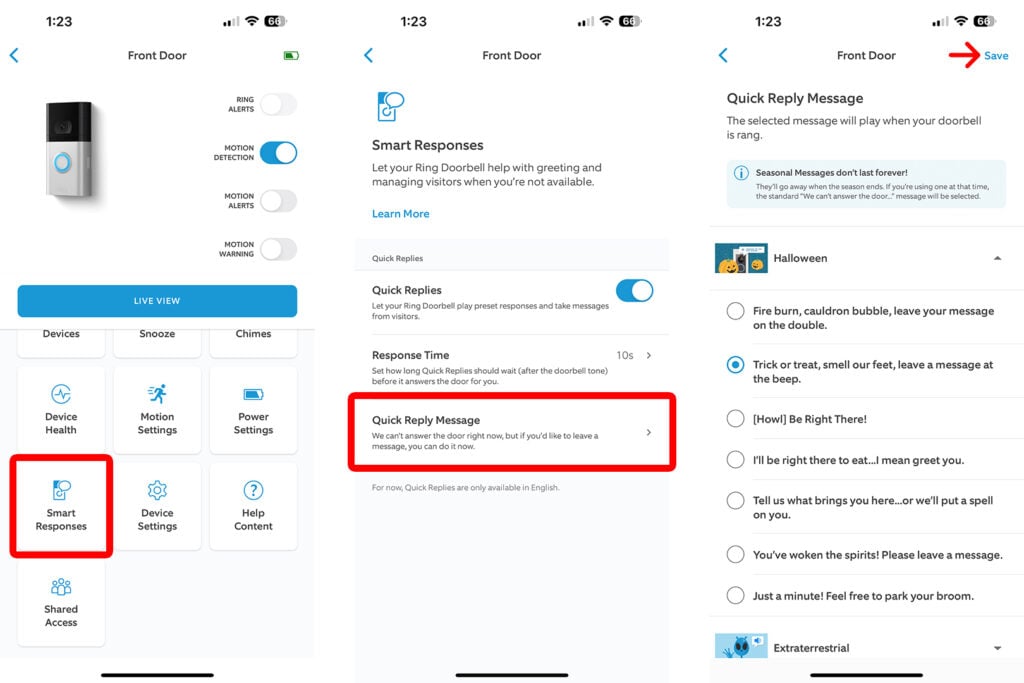
This article delves into the meaning of “answered motion” within the Ring ecosystem, exploring its technical underpinnings, practical implications for users, and how it contributes to a more intelligent and responsive security experience. We will dissect what this feature signifies, why it matters for your alerts, and how you can leverage it to fine-tune your security settings for optimal peace of mind.
Understanding Ring’s Motion Detection: The Foundation of “Answered Motion”
Before we can fully grasp “answered motion,” it’s crucial to understand the foundational technology: Ring’s motion detection system. Ring devices are equipped with motion sensors, primarily passive infrared (PIR) sensors, which detect changes in heat signatures within their field of view. When a PIR sensor registers a significant heat change – indicating the presence of a moving object, such as a person or an animal – it triggers an event.
The Role of Passive Infrared (PIR) Sensors
PIR sensors work by detecting infrared radiation. All objects with a temperature above absolute zero emit infrared radiation. When a warm object moves across the sensor’s field of view, it creates a differential in the infrared energy detected by two or more pyroelectric sensors within the device. This differential change is what triggers the motion detection alert. The sensitivity and range of these PIR sensors are key factors in how effectively your Ring device can pick up movement.
Advanced Motion Detection Features
Beyond basic PIR detection, Ring has incorporated more sophisticated features to refine motion alerts. These include:
- Motion Zones: Users can define specific areas within the camera’s view where they want motion to be detected. This allows you to ignore areas like busy sidewalks or swaying trees, focusing alerts on crucial entry points or yards.
- Person Detection: Leveraging artificial intelligence and machine learning, Ring devices can differentiate between various types of motion. Person detection specifically identifies when a human is detected, significantly reducing false alarms from pets, passing cars, or environmental changes. This feature often relies on analyzing video streams in conjunction with sensor data.
- Customizable Sensitivity: Users can adjust the sensitivity of the motion detection to suit their environment. A lower sensitivity might be appropriate for areas with frequent minor movements, while a higher sensitivity is ideal for detecting subtle changes.
The interplay of these elements – the PIR sensor, defined zones, and AI-powered detection – creates a robust system capable of identifying potential security events. However, the journey from detection to a user-facing alert involves further processing, and this is where “answered motion” plays a critical role.
Decoding “Answered Motion”: The Event Lifecycle
The term “answered motion” refers to a specific stage in the lifecycle of a motion event detected by a Ring device. It signifies that the motion event has been processed by the Ring system, and a subsequent action or verification has occurred. Essentially, it means the initial motion trigger has been “answered” by the system’s logic or by a user’s interaction.
The Initial Motion Trigger
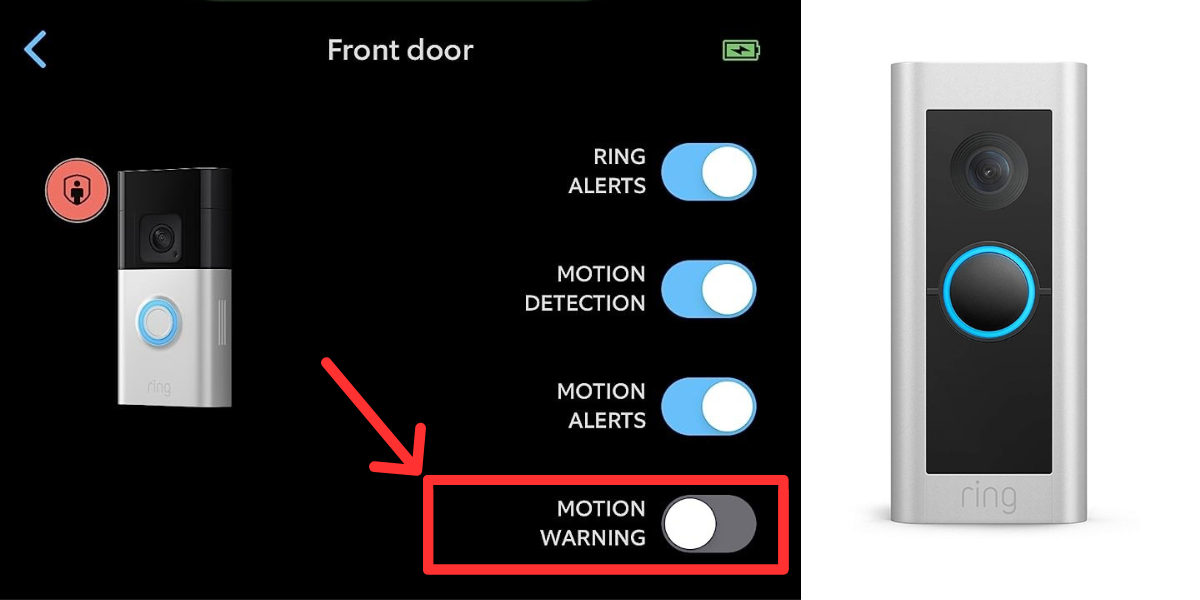
When a Ring device’s motion sensor detects movement that meets its configured criteria (e.g., within a defined zone, potentially identified as a person), it initiates an event. This initial trigger is the raw data point – the system knows something moved. At this stage, the system is still processing the information to determine its significance.
System Processing and Verification
The “answered” aspect comes into play after this initial trigger. Ring’s system then performs several checks and actions:
- Video Recording: The device begins recording video to capture the event.
- AI Analysis (if applicable): If features like Person Detection are enabled, the system analyzes the video stream to classify the detected motion. It determines if it’s a person, an animal, or just environmental interference.
- Notification Logic: Based on the analysis and your device’s settings, the system decides how to proceed. If the motion is deemed significant (e.g., a person detected in a key zone), it will trigger a notification to your connected devices (smartphone, tablet).
- User Interaction: “Answered motion” can also refer to a user’s direct interaction with the alert. When you receive a notification and respond to it – perhaps by viewing the live feed, engaging in two-way talk, or dismissing the alert – you are effectively “answering” the motion event.
Therefore, “answered motion” is not just about detecting movement; it’s about the system’s response to that detection, often culminating in a user notification or an automated action. It signifies that the event has moved beyond a simple sensor activation and has been processed and acted upon by the Ring ecosystem.
Practical Implications and User Benefits of “Answered Motion”
Understanding “answered motion” provides valuable insights into how your Ring system functions and empowers you to optimize its performance. It moves beyond a basic understanding of “motion detected” to a more refined appreciation of intelligent event handling.
Reducing False Alarms and Enhancing Alert Relevance
One of the primary benefits of the sophisticated processing that leads to an “answered motion” event is the reduction of false alarms. By leveraging AI for person detection and allowing users to define specific motion zones, Ring significantly filters out irrelevant triggers. This means you are less likely to receive a notification because a leaf blew across your yard or a cat crossed the driveway. Instead, you receive alerts when the system has identified a movement that warrants your attention, such as a person approaching your door. This heightened relevance of alerts is a cornerstone of effective smart home security.
Customizing Your Security Experience
The “answered motion” concept is intrinsically linked to the customization options available within the Ring app. By understanding how your system processes motion, you can:
- Fine-tune Motion Zones: Carefully drawing your motion zones to encompass only critical areas ensures that only relevant movements trigger alerts. For instance, you might exclude a busy street but include your front porch and driveway.
- Configure Notification Settings: You can choose which types of motion events trigger notifications. For example, you might opt to receive notifications for “Person” detected but not for general “Motion” from less critical areas. This level of granular control allows you to tailor the system to your specific needs and preferences, ensuring you’re alerted to what matters most without being overwhelmed.
- Adjust Motion Sensitivity: While not directly “answered motion,” adjusting sensitivity impacts what becomes an answered motion. A sensitive setting might pick up more, but a well-calibrated setting ensures only meaningful events are answered.

The Role in Event History and Review
When you review your event history in the Ring app, you’ll see records of detected motion. Understanding “answered motion” helps interpret these logs. An “answered motion” event typically means that a recording was made and potentially analyzed. This historical data is invaluable for:
- Reviewing Past Incidents: If something occurred, you can go back and review the video footage associated with the “answered motion” event to see exactly what happened.
- Identifying Patterns: Over time, reviewing your event history can help you identify patterns of activity around your property, which can be useful for security assessments or simply understanding the comings and goings.
- Improving System Settings: By observing what triggers “answered motion” events and whether they were genuine concerns, you can further refine your motion zone settings, notification preferences, and sensitivity levels for future performance.
In essence, the concept of “answered motion” represents the intelligent maturation of smart security technology. It’s about moving beyond simple detection to a system that understands, prioritizes, and communicates relevant events to the user, thereby enhancing both security and convenience. By leveraging these advanced features, Ring users can create a more responsive, personalized, and ultimately, more secure home environment.
aViewFromTheCave is a participant in the Amazon Services LLC Associates Program, an affiliate advertising program designed to provide a means for sites to earn advertising fees by advertising and linking to Amazon.com. Amazon, the Amazon logo, AmazonSupply, and the AmazonSupply logo are trademarks of Amazon.com, Inc. or its affiliates. As an Amazon Associate we earn affiliate commissions from qualifying purchases.