
The phrase “admitted to the hospital” signifies a pivotal moment in a person’s healthcare journey. It’s more than just entering a building; it represents a formal decision by medical professionals that an individual requires a higher level of care, monitoring, or treatment than can be provided in an outpatient setting. This decision is typically made when a patient’s condition is severe, complex, or poses a significant risk if not managed within the structured environment of a hospital. Understanding what it truly means to be admitted, the process involved, and the implications for a patient can alleviate anxiety and empower individuals to navigate this critical phase with greater clarity.

The Clinical Rationale for Hospital Admission
At its core, a hospital admission is driven by a clinical assessment that identifies a need for intensive medical intervention. This need can stem from a sudden, acute event or a worsening of a chronic condition. The decision is not arbitrary but is based on a thorough evaluation of the patient’s symptoms, medical history, diagnostic test results, and the potential for deterioration.
Acute Illnesses and Injuries
Many hospital admissions are prompted by acute medical events that demand immediate and comprehensive care. These can range from life-threatening emergencies like heart attacks, strokes, or severe trauma resulting from accidents, to rapidly progressing infections such as sepsis or pneumonia. In these scenarios, the hospital offers a multidisciplinary team of specialists, advanced diagnostic equipment (MRI, CT scans, X-rays), and immediate access to critical care services like intensive care units (ICUs), operating rooms, and specialized treatment protocols.
Management of Chronic Conditions
While often associated with acute crises, hospital admissions are also crucial for managing chronic diseases that have become unstable or are experiencing significant exacerbations. For individuals with conditions like diabetes, heart failure, or respiratory diseases (e.g., COPD, asthma), a sudden decline in their health can necessitate admission. This allows for a focused effort to stabilize their condition, adjust medication regimens, implement intensive therapies, and educate both the patient and their family on better management strategies to prevent future relapses. Sometimes, a chronic condition can lead to complications that require hospitalization even if the underlying disease is otherwise well-controlled.
Diagnostic Uncertainty and Complex Cases
There are instances where a patient’s symptoms are complex, and the diagnosis is not immediately clear, or when a condition requires intricate diagnostic procedures that can only be performed in a hospital setting. In such cases, admission provides the necessary environment for a battery of tests, specialist consultations, and prolonged observation. This allows physicians to gather the data needed to pinpoint the cause of the illness, develop an accurate treatment plan, and monitor the patient’s response to interventions without the risks associated with managing the unknown at home. This might include rare diseases, complex neurological issues, or suspected serious internal conditions.
The Admission Process: From Decision to Inpatient Care
The journey from recognizing the need for hospital care to becoming an admitted patient involves a series of structured steps designed to ensure a smooth transition and initiate appropriate treatment. This process is managed by healthcare professionals and often involves coordination between different departments within the hospital and sometimes between different healthcare facilities.
Initial Assessment and Decision Making

The process typically begins with an initial assessment, most commonly in an emergency department (ED) or through a direct referral from a physician’s office. In the ED, a patient presents with symptoms that prompt a medical evaluation. Doctors and nurses will conduct a rapid assessment, which may include taking vital signs, reviewing medical history, performing a physical examination, and ordering preliminary tests (blood work, imaging). Based on the findings and the patient’s overall condition, the medical team will determine if admission is necessary. If a patient is being admitted from their physician’s office or another facility, referral paperwork and the patient’s medical records will be crucial to this decision.
The Formal Admission Procedures
Once the decision to admit is made, the patient undergoes formal admission procedures. This typically involves registering at the hospital’s admissions desk. Here, administrative staff will collect necessary personal and insurance information, obtain consent for treatment, and provide the patient with an identification bracelet. This administrative step is vital for patient safety, ensuring accurate record-keeping and billing. Simultaneously, the clinical team will be preparing for the patient’s arrival on a specific hospital unit. This includes notifying the nursing staff, allocating a room, and ensuring any necessary medical equipment is ready.
Transfer to the Inpatient Unit
Following registration and preparation, the patient is transferred to the designated inpatient unit. This could be a general medical ward, a surgical unit, a specialized unit like cardiology or neurology, or an intensive care unit depending on the patient’s needs. Upon arrival on the unit, the patient will be greeted by the nursing staff, who will conduct a more detailed assessment, review the admission orders from the physician, and begin implementing the prescribed treatment plan. This includes administering medications, starting IV fluids, monitoring vital signs, and conducting further tests as ordered. This transition marks the official start of their inpatient stay, where continuous care and observation become paramount.
Implications of Hospital Admission: What Patients and Families Can Expect
Being admitted to the hospital signifies a shift in the patient’s daily life and requires a coordinated effort between the patient, their family, and the healthcare team. Understanding the expectations, rights, and responsibilities during this period is essential for a positive and effective recovery.
Medical Care and Monitoring
The primary implication of hospital admission is the provision of comprehensive medical care. Patients can expect frequent assessments by doctors and nurses, regular administration of medications, and access to diagnostic services. Continuous monitoring of vital signs, pain levels, and overall well-being is a standard part of inpatient care. Depending on the patient’s condition, they may be hooked up to various monitoring equipment that tracks heart rate, blood pressure, oxygen saturation, and other critical indicators. This constant oversight allows for early detection of any changes or complications, enabling swift medical intervention.
Communication and Patient Rights
Effective communication is a cornerstone of successful hospital care. Patients have the right to be informed about their diagnosis, treatment options, potential risks and benefits, and their prognosis. It is crucial for patients to ask questions and voice any concerns they may have to their healthcare providers. Hospitals are also obligated to respect patient privacy and confidentiality. Families often play a vital role in supporting the patient, and hospitals typically have policies regarding visitation. While specific rules can vary, clear communication channels between the medical team and designated family members are usually established to provide updates and discuss care plans.
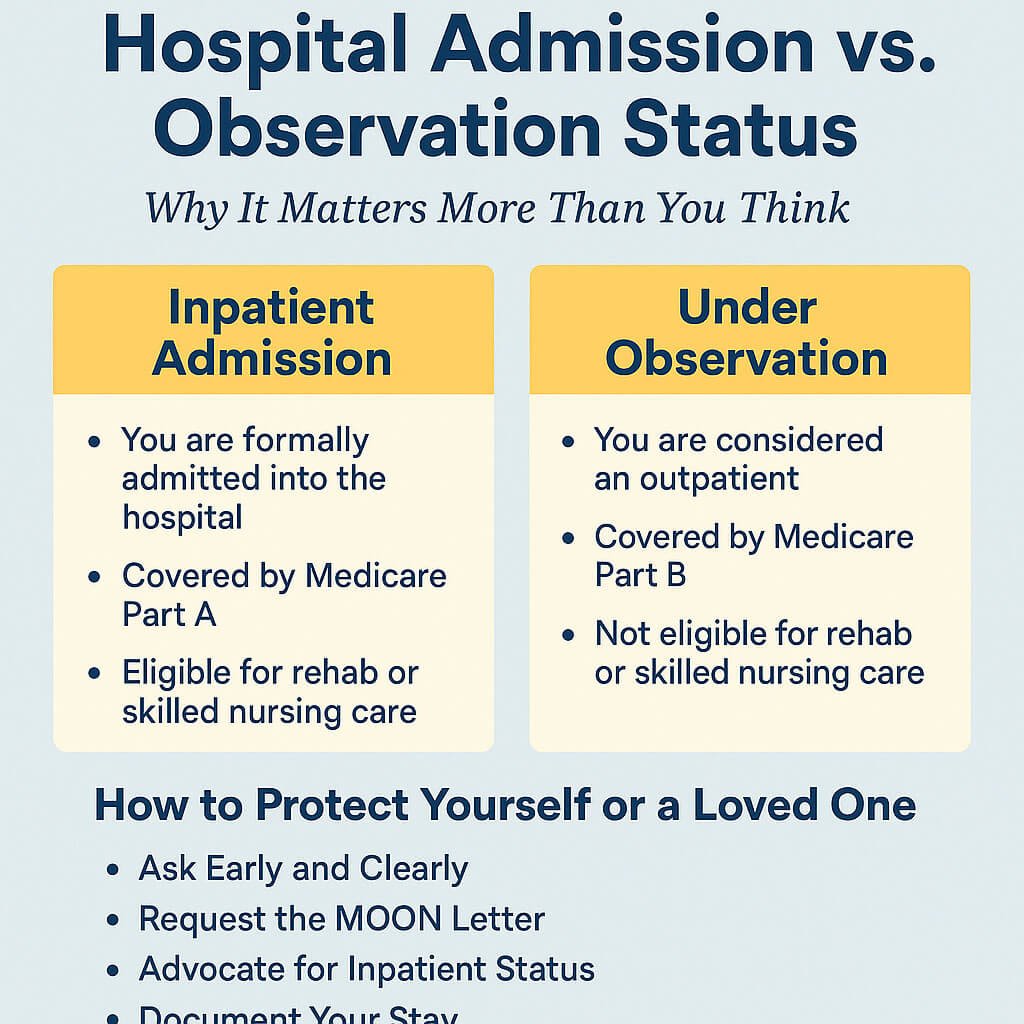
Discharge Planning and Post-Hospital Care
Hospital admission is not an end in itself but a phase in a patient’s recovery. Therefore, discharge planning is an integral part of the inpatient experience, beginning from the moment of admission. The healthcare team will assess the patient’s needs upon leaving the hospital, which may include arranging for follow-up appointments, prescribing medications, recommending home care services, or facilitating transfer to a rehabilitation facility or skilled nursing home. Patients and their families should actively participate in this process, ensuring they understand the post-hospital care instructions, medication schedules, and any necessary lifestyle modifications to promote continued healing and prevent readmission. This proactive approach to discharge planning is critical for a smooth transition back to the community and long-term health.
aViewFromTheCave is a participant in the Amazon Services LLC Associates Program, an affiliate advertising program designed to provide a means for sites to earn advertising fees by advertising and linking to Amazon.com. Amazon, the Amazon logo, AmazonSupply, and the AmazonSupply logo are trademarks of Amazon.com, Inc. or its affiliates. As an Amazon Associate we earn affiliate commissions from qualifying purchases.