
The introduction of the REAL ID Act has significantly altered the landscape of identification across the United States, with each state implementing its own unique design and security features for these enhanced driver’s licenses and identification cards. For residents of Wisconsin, understanding the visual cues and security elements of their state’s REAL ID is crucial for several reasons, primarily revolving around its acceptance for federal purposes. Beyond mere aesthetics, the Wisconsin REAL ID is a product of advanced security technologies designed to prevent fraud and ensure authenticity, making it a vital tool for air travel and access to secure federal facilities. This article delves into the specifics of what a Wisconsin REAL ID looks like, highlighting its key visual distinctions, security features, and the underlying technological principles that underpin its validity.

The transition to REAL ID compliant documents is not just about a new look; it’s about a more robust system of identity verification. While state driver’s licenses have always served as a primary form of identification, the REAL ID Act mandates stricter standards for issuance and presentation. This means that visually, a Wisconsin REAL ID will possess certain characteristics that set it apart from older, non-compliant cards. These visual markers are designed to be easily recognizable by authorized personnel, while the embedded security features work to thwart sophisticated forgery attempts.
Understanding these details empowers Wisconsin residents to ensure they possess a valid form of identification that meets federal requirements, avoiding potential inconveniences when flying or entering federal buildings. This exploration will not only cover the outward appearance but also the technological underpinnings that make the Wisconsin REAL ID a secure and trustworthy document.
Visual Characteristics of a Wisconsin REAL ID
The physical appearance of a Wisconsin REAL ID driver’s license or identification card is designed to be distinct from its predecessor and to incorporate several security features that are visible to the naked eye or with simple magnification. These visual cues are the first line of defense in identifying a genuine document. The State of Wisconsin Department of Transportation (WisDOT) has implemented specific design elements to ensure compliance with federal REAL ID standards while maintaining a clear and recognizable interface for users.
Distinctive Markings and Layout
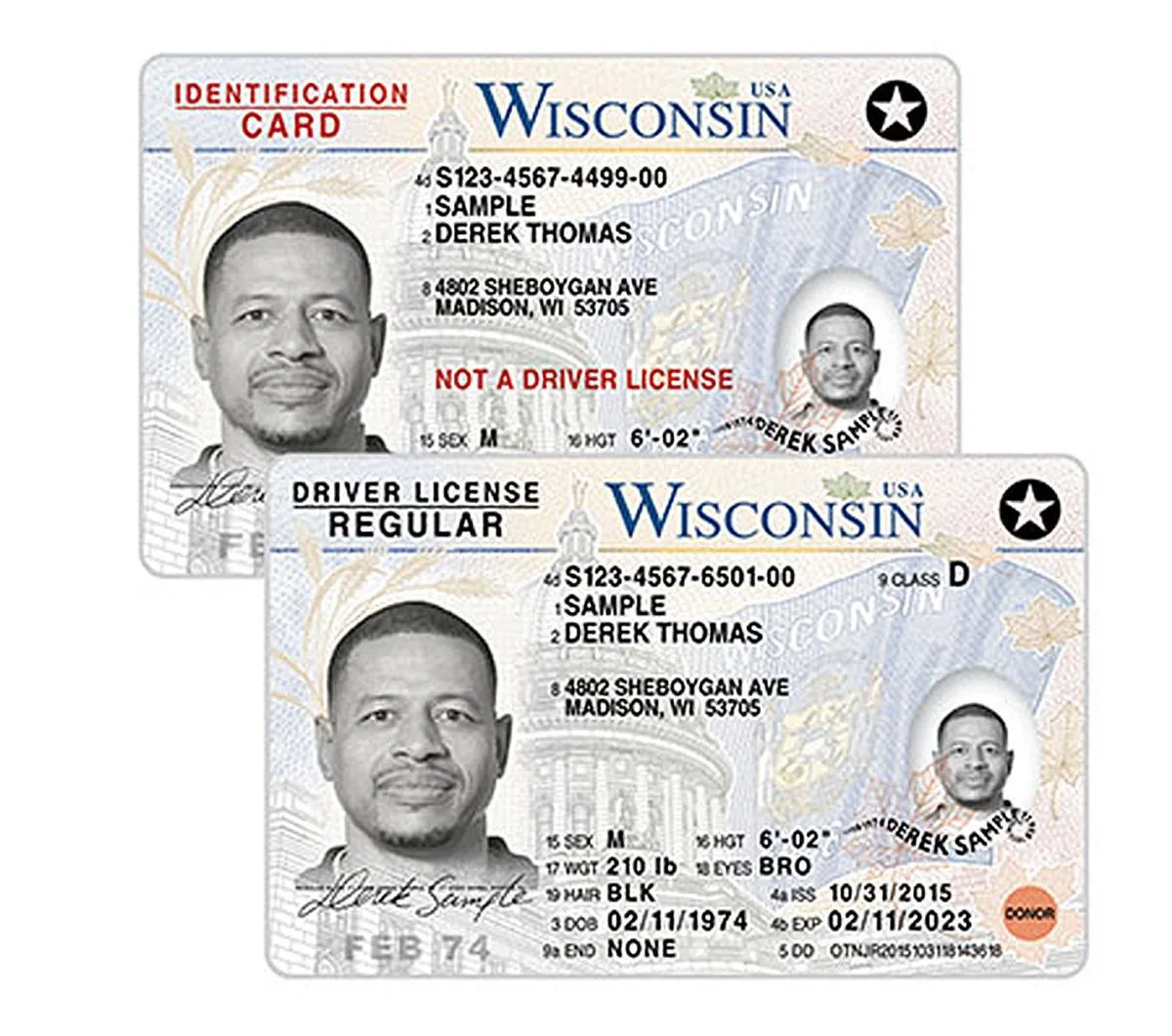
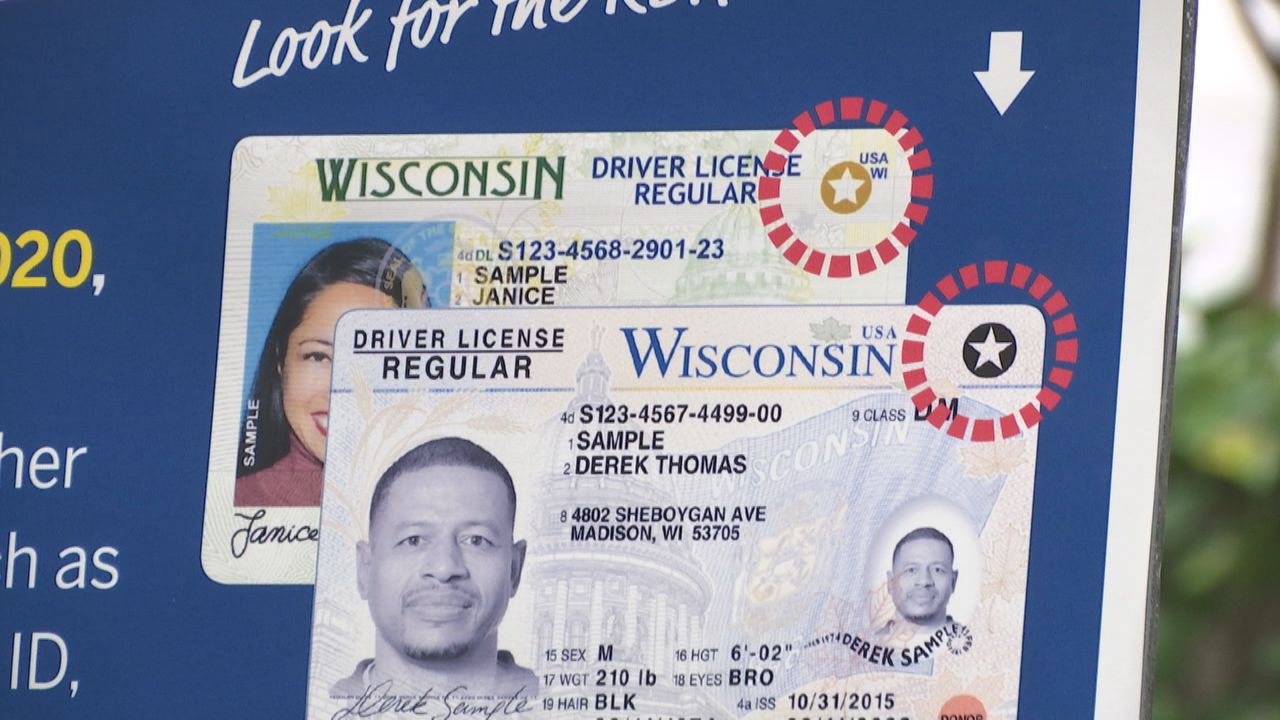
One of the most prominent visual indicators of a Wisconsin REAL ID is the presence of a gold star in the upper right-hand corner of the card. This star is a universal symbol mandated by the REAL ID Act to signify that the document meets federal identification standards. Its inclusion is a clear and immediate way for federal agencies, airlines, and other authorized entities to verify that the card is compliant. The color and placement of this star are standardized across all states that issue REAL IDs, making it an easily recognizable marker for anyone familiar with the program.
Beyond the gold star, the overall layout of the Wisconsin REAL ID typically follows a standardized format, though specific placements of information may vary slightly with updates. Key personal information such as the cardholder’s name, address, date of birth, and physical descriptors (height, eye color) are prominently displayed. The card also features the driver’s license or ID card number, expiration date, and the class of license. High-resolution printing techniques are employed, ensuring that text and images are crisp and clear, contributing to the overall professional and secure appearance of the card. The printing quality itself is a subtle security feature, as counterfeit documents often suffer from fuzzy or pixelated text.
The background of the Wisconsin REAL ID often features intricate patterns and microprinting, which are difficult to replicate accurately. These designs are not merely decorative; they are sophisticated elements that add layers of security. Microprinting, for example, involves printing text in extremely small font sizes that appear as solid lines to the naked eye but can be read under magnification. This is a common security feature in modern identification documents, making it challenging for counterfeiters to reproduce without specialized equipment.
Security Features Visible to the Eye
In addition to the gold star and intricate background designs, several other security features are visually discernible on a Wisconsin REAL ID. These are designed to be checked by trained personnel to confirm the card’s authenticity.
-
Holographic Overlays: Many modern identification cards, including the Wisconsin REAL ID, incorporate holographic elements. These are images or patterns that change appearance or color when viewed from different angles. A common feature might be a holographic image of the state seal or a representation of the Wisconsin state flag. These holograms are embedded within the card material and are notoriously difficult to replicate, making them a significant security deterrent. The dynamic nature of holograms provides a clear visual cue that the card is legitimate and has not been tampered with.
-
Ghost Image and Tactile Features: A secondary, smaller image of the cardholder’s photograph, often referred to as a “ghost image,” is frequently present on the card. This ghost image is usually superimposed over other text or graphics and may be transparent or semi-transparent. Its presence reinforces the authenticity of the primary photograph. Furthermore, some Wisconsin REAL IDs might incorporate tactile features. These are raised elements in the printing, such as the cardholder’s birth date or the State of Wisconsin logo, which can be felt by touch. These tactile elements are produced using specialized printing processes that are hard to mimic.
-
UV-Reactive Ink: Another important visual security feature, often not immediately apparent under normal lighting, is the use of UV-reactive ink. When exposed to ultraviolet (black) light, specific elements of the Wisconsin REAL ID will glow or become visible. This can include patterns, text, or even the cardholder’s photograph. This feature is particularly useful for law enforcement and other authorities who carry UV lights for quick verification in various lighting conditions.
The combination of these visible security features – the gold star, intricate background patterns, microprinting, holograms, ghost images, tactile elements, and UV-reactive ink – collectively contribute to a highly secure and visually distinctive Wisconsin REAL ID. These elements are carefully integrated into the design to make the card robust against forgery and easily verifiable.
Underlying Technology and Security Protocols
The visible features of a Wisconsin REAL ID are underpinned by sophisticated technological advancements and stringent security protocols. These unseen elements are what truly differentiate a REAL ID from a standard identification card and provide the highest level of assurance regarding its authenticity and the identity of the holder. The State of Wisconsin, in collaboration with federal guidelines, has adopted a multi-layered approach to security, incorporating elements that are both difficult to counterfeit and verifiable through specialized equipment.
Data Encoding and Chip Technology
While not always visually apparent, many REAL IDs, including those issued by Wisconsin, may incorporate embedded microchips. These chips are capable of storing a significant amount of information about the cardholder, including encrypted personal data, a digital version of the photograph, and security features that can be read by authorized scanning devices. The data stored on the chip is protected by encryption, making it extremely difficult for unauthorized individuals to access or alter. This technology goes beyond what can be achieved with traditional magnetic stripes or barcode systems, offering a more secure and reliable method of identification verification.
The implementation of chip technology allows for rapid and secure data retrieval by compatible readers. This is particularly beneficial in high-traffic environments like airports, where quick verification is essential. The data on the chip is cryptographically linked to the physical card, meaning any attempt to tamper with the chip would render it unreadable or detectable. The security of this data is paramount, and the protocols used for encryption are designed to meet or exceed federal standards.
Security Printing and Material Science
The physical material of the Wisconsin REAL ID is also a key component of its security. High-quality polycarbonate or durable plastic materials are often used, which are more resistant to wear and tear than traditional laminated paper cards. These materials are also more difficult to alter or forge. Specialized printing techniques are employed to embed security features directly into the card material, making them an integral part of the card itself rather than just surface-level additions.
For instance, the laser engraving of the cardholder’s information and photograph is a common method. Laser engraving creates raised or recessed text and images that are permanent and difficult to alter without leaving visible damage to the card surface. This technique contributes to the tactile feel of the card and adds another layer of security.
Furthermore, the inks used in printing are often specialized. Beyond UV-reactive inks, some inks may be thermochromic, changing color with temperature, or optically variable, changing appearance based on the viewing angle. These advanced inks are not readily available to counterfeiters and require specialized manufacturing processes. The combination of durable materials, advanced printing methods like laser engraving, and sophisticated inks forms a robust physical barrier against fraud.
Data Integrity and Verification Processes
The entire process of issuing a Wisconsin REAL ID is governed by strict data integrity protocols. To obtain a REAL ID, applicants must present a range of original documents verifying their identity, date of birth, social security number, and Wisconsin residency. These documents are meticulously reviewed, and the information is securely entered into the state’s database. This rigorous verification process at the point of issuance is the first critical step in ensuring the integrity of the REAL ID.
Once issued, the information on the Wisconsin REAL ID can be verified through various means. For federal purposes, such as boarding an airplane, the gold star is the primary visual cue. However, for enhanced security checks, authorized personnel may use scanners that can read the embedded chip (if present) or utilize specialized lighting to detect UV-reactive elements. The data stored on the card, whether visually displayed or digitally encoded, is cross-referenced with secure databases. This multi-faceted approach to verification ensures that the cardholder is who they claim to be and that the document itself is legitimate. The underlying technology ensures that any discrepancies in the data or attempts at duplication are readily detectable, reinforcing the trustworthiness of the Wisconsin REAL ID.
Implications and Future of Wisconsin REAL ID
The introduction and implementation of the Wisconsin REAL ID represent a significant step towards enhanced national security and identity verification standards. Its visual distinctions and technological underpinnings are not merely cosmetic changes but are fundamental to its purpose: providing a secure and federally compliant identification document. Understanding what a Wisconsin REAL ID looks like and the technology behind it is crucial for Wisconsin residents as federal enforcement deadlines approach.
Federal Compliance and Travel Requirements
The primary driver behind the REAL ID Act, and thus the Wisconsin REAL ID, is its requirement for individuals to present a compliant identification to board federally regulated commercial aircraft and to access certain federal facilities. Starting May 7, 2025, a standard Wisconsin driver’s license or ID card that does not have the gold star will no longer be sufficient for these purposes. This means that for frequent travelers, possessing a Wisconsin REAL ID is becoming increasingly imperative. The visual cues, particularly the gold star, are designed for quick and easy recognition by Transportation Security Administration (TSA) officers and other federal personnel. The robust security features built into the card are intended to expedite the screening process by reducing the likelihood of fraudulent documents causing delays.
The transition has been phased in to allow individuals ample time to obtain their REAL ID. However, as the final enforcement date draws closer, it is essential for Wisconsin residents to be aware of the visual differences and to secure a REAL ID if they anticipate needing to travel by air or access federal buildings after the deadline. The state has invested in the technology and processes to ensure that its REAL ID is a secure and reliable form of identification that meets federal standards.
Maintaining Security and Preventing Fraud
The technological advancements embedded within the Wisconsin REAL ID are a direct response to the evolving landscape of identity fraud. The combination of visible security features like holograms and microprinting, along with less visible elements such as UV inks and potentially embedded chips, creates a sophisticated defense against counterfeiting and identity theft. The rigorous documentation process required for issuance further fortifies the system, ensuring that only legitimate residents can obtain a REAL ID.
As technology advances, so too will the methods used to create fraudulent documents. Therefore, the security features of identification documents are continuously reviewed and updated by authorities. Wisconsin, like other states, is committed to maintaining the integrity of its identification system. This ongoing commitment to security means that the features and appearance of the Wisconsin REAL ID may evolve over time to stay ahead of potential threats. Residents can be assured that the State of Wisconsin is dedicated to providing a secure and trustworthy identification document that meets the highest standards of security. The Wisconsin REAL ID is not just a piece of plastic; it is a testament to the integration of design, technology, and stringent protocols aimed at safeguarding both individual identity and national security.
aViewFromTheCave is a participant in the Amazon Services LLC Associates Program, an affiliate advertising program designed to provide a means for sites to earn advertising fees by advertising and linking to Amazon.com. Amazon, the Amazon logo, AmazonSupply, and the AmazonSupply logo are trademarks of Amazon.com, Inc. or its affiliates. As an Amazon Associate we earn affiliate commissions from qualifying purchases.