
In the vast and nuanced language of symbolism, few natural elements carry as much immediate recognition and emotional resonance as the rose. Its form, its fragrance, and its color all contribute to a rich tapestry of meaning, historically and culturally imbued with significance. While the red rose is a perennial icon of passionate love, and the white rose a symbol of purity and innocence, the pink rose offers a more complex and multifaceted narrative. When translated into the strategic domain of branding, the pink rose becomes a potent, yet often subtle, communicator of specific brand values, personality traits, and market positioning. Its representation is not a singular, static declaration, but rather a dynamic constellation of associations that can be leveraged to craft compelling brand identities, connect with target audiences, and differentiate in a crowded marketplace.

Understanding what a pink rose represents in a branding context requires delving beyond superficial interpretations. It necessitates an examination of how its inherent symbolic qualities can be strategically deployed to evoke particular emotions, convey specific messages, and ultimately, shape consumer perception. This exploration will unpack the various facets of the pink rose’s symbolism and illuminate how these elements are artfully woven into the fabric of successful brands.
The Spectrum of Pink: Nuance and Meaning in Brand Identity
The color pink itself is a fascinating subject within branding. It’s a color that has evolved significantly in its cultural connotations, moving from associations with childhood and softness to embodying a broader spectrum of emotions and aspirations. The specific shade of pink, from the palest blush to a vibrant fuchsia, further refines its communicative power. A pink rose, therefore, inherits and amplifies these subtle distinctions.
Softness, Gentleness, and Care
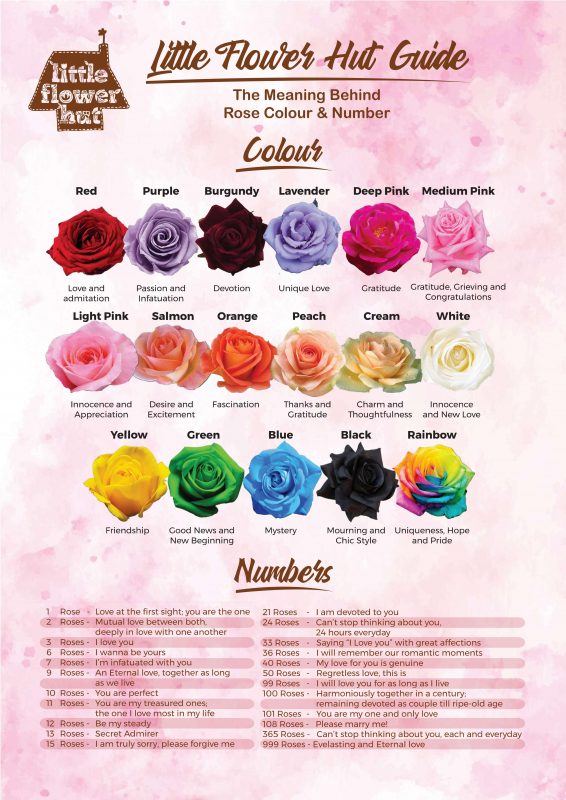
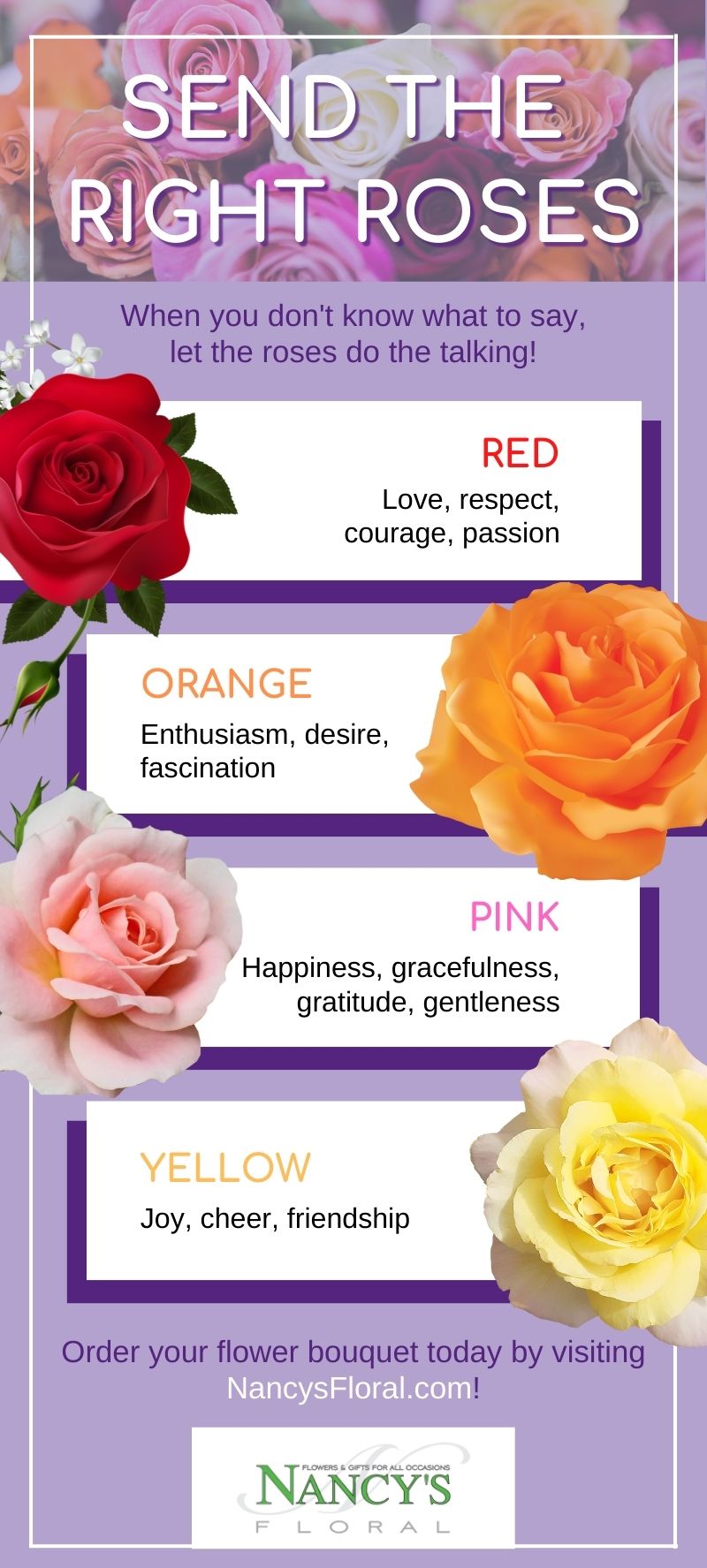
The most universally recognized association of pink is with gentleness and tenderness. A pale pink rose, for instance, can evoke a sense of delicate beauty, nurturing, and inherent kindness. In branding, this translates into a powerful signal for products or services that prioritize comfort, well-being, and emotional support. Think of brands focused on skincare for sensitive skin, children’s products designed for comfort and safety, or even charitable organizations dedicated to caregiving and support services.
For example, a beauty brand might use a delicate pink rose motif to communicate the gentle formulation of their products, assuring consumers of a soothing and non-irritating experience. This visual cue taps into a deep-seated human desire for products that feel safe and benevolent. Similarly, a brand offering maternity wear or baby products would find the soft pink rose a natural fit, immediately communicating warmth, protection, and the gentle transition into new life. The subconscious recognition of these qualities allows brands to establish an immediate emotional connection, fostering trust and a sense of familiarity before any explicit messaging is even conveyed. This is the power of visual language in branding – the pink rose speaks volumes without uttering a single word.
Gratitude, Admiration, and Appreciation
Beyond gentleness, pink roses are also deeply linked to expressions of gratitude, admiration, and appreciation. This is a slightly more mature and sophisticated interpretation of pink, moving beyond simple sweetness to acknowledge a deeper sense of respect and recognition. Brands that aim to foster customer loyalty, celebrate achievements, or express their own appreciation for their patrons can effectively leverage this symbolism.
Consider brands that offer loyalty programs, recognition awards, or premium services. The incorporation of a pink rose, perhaps in their logo or marketing collateral, can subtly communicate that the brand values its customers and the relationships it builds. It’s a way of saying, “We appreciate you,” in a visually elegant and understated manner. This is particularly effective in service-oriented industries where customer relationships are paramount. A spa might use a pink rose to signify the rejuvenating and appreciative experience they offer, or a high-end boutique might use it to convey their admiration for discerning taste. The pink rose becomes a symbol of reciprocal value, signaling that the brand recognizes and cherishes the connection it shares with its audience. This resonates strongly in a market where genuine appreciation can be a significant differentiator.
Joy, Happiness, and Optimism
The brighter, more vibrant shades of pink, often embodied by certain varieties of pink roses, carry with them an undeniable aura of joy, happiness, and optimism. These are the colors of lightheartedness, positive energy, and a cheerful outlook on life. Brands targeting demographics that value positivity, excitement, and a zest for life can effectively harness this aspect of the pink rose’s representation.
Think of brands in the lifestyle sector, fashion, or even the entertainment industry. A vibrant pink rose can inject a sense of fun and effervescence into a brand’s visual identity. It suggests a brand that is approachable, energetic, and optimistic about the future. For instance, a summer fashion line might feature a bold pink rose to evoke feelings of carefree days and sunny dispositions. A confectionery brand might use it to signal a delightful and joyful treat. The psychological impact of these brighter pinks is profound; they are inherently uplifting and can instantly create a positive emotional response in consumers. This makes the pink rose a valuable tool for brands aiming to associate themselves with happiness and a sense of playful indulgence, effectively communicating a brand personality that is both engaging and aspirational.
Strategic Application: Weaving the Pink Rose into Brand Narratives
The power of the pink rose in branding lies not just in its individual symbolic meanings, but in how these meanings are strategically integrated into a brand’s overarching narrative and visual identity. This integration requires careful consideration of the target audience, the brand’s core values, and the desired emotional resonance.
Logo and Visual Identity Design
The most direct application of the pink rose in branding is through its inclusion in logos and visual identity systems. A well-designed logo featuring a pink rose can instantly communicate a brand’s intended personality and values. The style of the rose – whether rendered realistically, abstractly, or minimally – further refines this communication. A stylized, modern pink rose might suggest innovation and contemporary elegance, while a more classic, detailed rendering could convey tradition and timeless beauty.
Beyond the logo, the pink rose can be a recurring motif throughout a brand’s collateral. This includes website design, packaging, marketing materials, social media graphics, and even store interiors. Consistency is key. When the pink rose is used thoughtfully and consistently across all touchpoints, it reinforces the brand’s message and strengthens its recognition. For example, a boutique hotel might use delicate pink rose illustrations on their stationery and in their room decor, creating an immersive experience that reinforces their brand promise of gentle luxury and romantic escape. This creates a cohesive and memorable brand presence, where every visual element contributes to a unified story.
Marketing Campaigns and Messaging
The symbolic meanings of the pink rose can also be directly woven into marketing campaigns and brand messaging. Campaigns can be designed to evoke the emotions associated with pink roses – gentleness, gratitude, joy, or admiration – through storytelling, imagery, and copy.
For instance, a brand might launch a campaign around themes of self-care and appreciation, using imagery of pink roses to visually reinforce the message of treating oneself with kindness and gentleness. Alternatively, a brand could use a pink rose in a campaign celebrating its loyal customers, framing them as individuals deserving of admiration and gratitude. This direct appeal to the symbolic meaning of the rose allows brands to communicate complex emotional concepts in an accessible and impactful way. The pink rose acts as a visual shorthand for these feelings, making the brand’s message more potent and memorable. This approach transcends simple product promotion, creating a deeper emotional connection by aligning the brand with universally understood positive sentiments.
Beyond the Bloom: Evolving Perceptions and Modern Branding
The representation of the pink rose in branding is not static; it evolves alongside societal perceptions and changing market dynamics. While traditional meanings remain influential, modern branding often seeks to imbue these symbols with fresh relevance and broader appeal.
Inclusivity and Diversity
In recent years, pink has increasingly been embraced as a color that transcends traditional gender stereotypes. This evolving perception allows brands to use the pink rose in a more inclusive manner, appealing to a wider audience without alienating specific demographics. A brand that champions diversity and inclusivity might strategically incorporate the pink rose as a symbol of warmth, welcome, and acceptance for all.
This shift is particularly important in industries that have historically been perceived as gender-specific. By using the pink rose in a way that feels modern and progressive, brands can signal their commitment to inclusivity and resonate with a contemporary consumer base that values such principles. The pink rose, in this context, represents a bridge, connecting traditional notions of beauty and care with modern ideals of equality and open-mindedness. This sophisticated use of symbolism demonstrates a brand’s awareness and adaptability, crucial for staying relevant in today’s diverse marketplace.
A Symbol of Resilience and Growth
While not as overt as its associations with gentleness or joy, the pink rose can also subtly represent resilience and growth. The flower itself endures various seasons, blooming with renewed vibrancy. In branding, this can be interpreted as a brand’s ability to overcome challenges, adapt to change, and emerge stronger.
A brand that has navigated difficult periods or is focused on personal development and continuous improvement might find the pink rose a fitting symbol. It speaks to a journey of overcoming adversity and blossoming into something beautiful and strong. This nuanced interpretation adds another layer of depth to the pink rose’s representation, appealing to consumers who value perseverance, self-improvement, and the inherent beauty of growth. It transforms the pink rose from a simple decorative element into a powerful emblem of enduring strength and optimistic progression, showcasing the brand’s character and its commitment to evolving positively.
In conclusion, the pink rose, when strategically employed in branding, offers a rich and adaptable symbolic language. From conveying tenderness and gratitude to embodying joy and even resilience, its multifaceted representation allows brands to forge deep emotional connections with their audiences. By understanding and artfully integrating the nuanced meanings of the pink rose, businesses can craft compelling identities, resonate with target markets, and cultivate enduring brand loyalty in a world that increasingly values authenticity, emotional depth, and thoughtful communication.
aViewFromTheCave is a participant in the Amazon Services LLC Associates Program, an affiliate advertising program designed to provide a means for sites to earn advertising fees by advertising and linking to Amazon.com. Amazon, the Amazon logo, AmazonSupply, and the AmazonSupply logo are trademarks of Amazon.com, Inc. or its affiliates. As an Amazon Associate we earn affiliate commissions from qualifying purchases.