
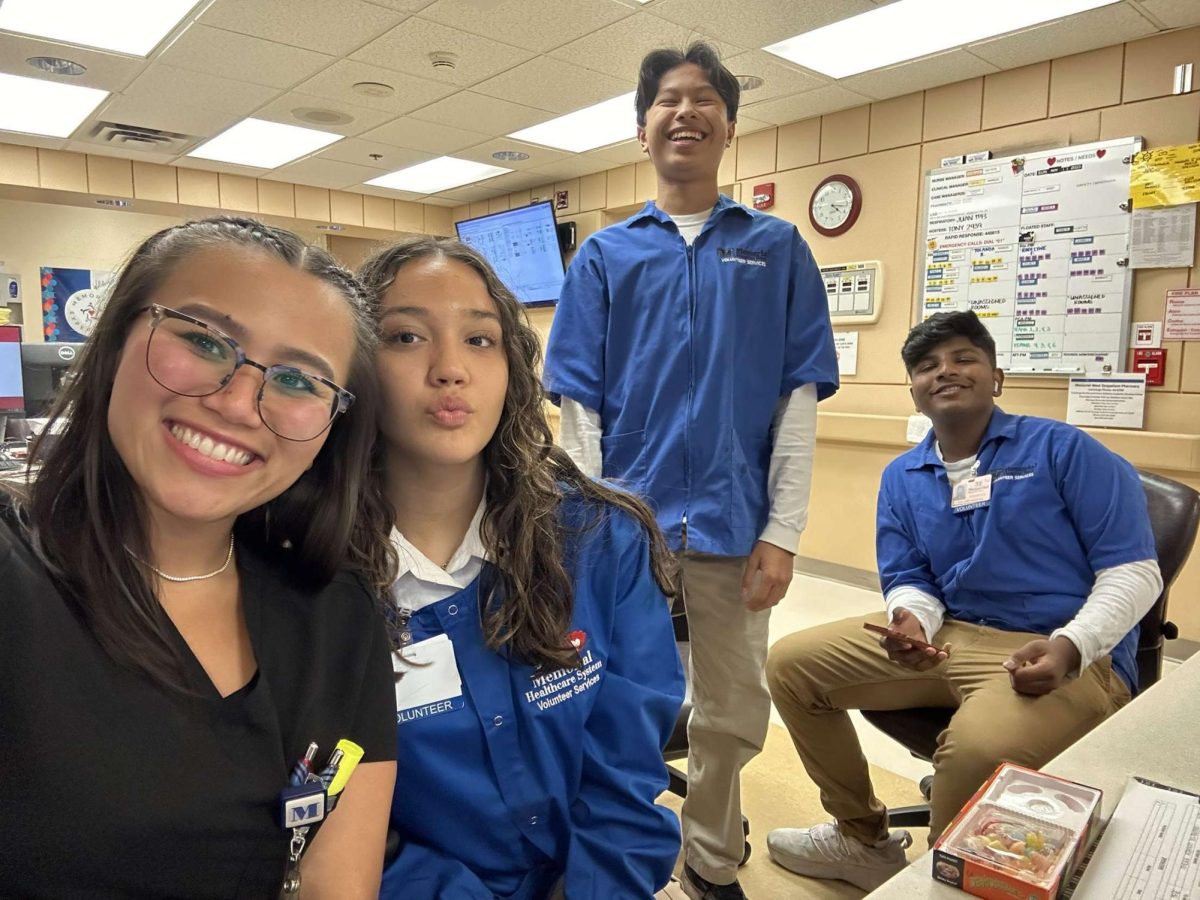
The image of a hospital is often shaped by the dedicated individuals who offer their time and compassion without expectation of financial reward. Hospital volunteers are far more than just helpful hands; they are integral to the patient experience, supporting the staff, and reinforcing the hospital’s commitment to its community. Understanding their multifaceted roles is crucial for appreciating their impact on patient well-being and the overall brand of healthcare institutions. In essence, a hospital volunteer acts as a living embodiment of the hospital’s values, enhancing its reputation and fostering a positive perception amongst those it serves.

The Diverse Roles of Hospital Volunteers: Beyond Basic Assistance
The contributions of hospital volunteers extend far beyond simple administrative tasks. They are instrumental in creating a more comfortable, supportive, and human-centered environment for patients, their families, and even the hospital staff. Their presence can alleviate stress, provide companionship, and offer practical support that directly impacts the perceived quality of care. This commitment to service is a cornerstone of any healthcare provider’s brand identity, showcasing a dedication to holistic patient well-being.
Patient Companionship and Emotional Support
One of the most profound contributions of hospital volunteers is offering companionship and emotional support to patients. In the often sterile and overwhelming environment of a hospital, a friendly face and a listening ear can make a significant difference. Volunteers spend time talking with patients, reading to them, playing games, or simply sitting with them, providing a vital human connection. This can be particularly impactful for patients who are isolated, elderly, or have limited family support. The simple act of presence can reduce feelings of loneliness and anxiety, contributing to a more positive healing process. For patients facing difficult diagnoses or long recoveries, this consistent, compassionate interaction is a powerful testament to the hospital’s commitment to care beyond the medical. This human touch is a crucial element in shaping the hospital’s brand as a place of empathy and comfort.
Wayfinding and Information Services
Navigating a large hospital can be disorienting for patients and visitors. Volunteers often serve as vital guides, helping individuals find their way to appointments, departments, or the rooms of loved ones. They provide directions, answer questions about hospital services, and offer general assistance, ensuring a smoother and less stressful experience. This role directly impacts the initial impression a visitor has of the hospital. A well-informed and helpful volunteer can create a welcoming atmosphere, reinforcing the hospital’s brand as organized, efficient, and guest-friendly. Conversely, a confusing or unhelpful experience can detract from even the most advanced medical care.
Administrative and Clerical Support
While not always the most visible aspect of their work, volunteers frequently provide essential administrative and clerical support. This can include tasks such as filing, answering phones, preparing mailings, stocking supply rooms, or assisting with data entry. By taking on these routine duties, volunteers free up valuable time for nurses, doctors, and administrative staff, allowing them to focus more intensely on patient care. This behind-the-scenes assistance is critical for the smooth operation of the hospital, and it indirectly contributes to the hospital’s brand by ensuring that medical professionals can dedicate their expertise where it’s most needed. The efficiency gained through volunteer support allows the hospital to deliver on its promise of high-quality healthcare.
Assisting with Patient Comfort and Convenience
Volunteers often go the extra mile to enhance patient comfort and convenience. This might involve delivering flowers or mail, assisting patients with basic needs like refilling water pitchers, or helping them select meals. In some instances, volunteers may assist with transporting non-critical patients to and from appointments within the hospital. These seemingly small acts of service contribute significantly to the overall patient experience. They demonstrate attentiveness to individual needs and a commitment to making the hospital stay as pleasant as possible. This focus on patient satisfaction is a key differentiator in building a strong and positive hospital brand.
The Impact of Volunteers on the Hospital Brand Identity
Hospital volunteers are more than just a supporting cast; they are active contributors to the hospital’s brand identity. Their actions, attitudes, and dedication directly influence how patients, their families, and the wider community perceive the institution. In a competitive healthcare landscape, a strong and positive brand is essential for attracting patients, retaining staff, and fostering community trust. Volunteers play a pivotal role in cultivating this essential image.
Enhancing Patient Satisfaction and Loyalty
A positive patient experience is paramount for any healthcare provider. Volunteers contribute significantly to this by providing compassionate care, personalized attention, and a welcoming atmosphere. When patients feel cared for and respected, their overall satisfaction increases. This enhanced satisfaction can lead to greater patient loyalty, positive word-of-mouth referrals, and improved online reviews – all critical components of a robust hospital brand. The emotional connection fostered by volunteers can transform a potentially stressful hospital stay into a more positive memory, solidifying the hospital’s reputation as a place that prioritizes patient well-being.

Strengthening Community Relations and Trust
Hospitals often serve as central pillars within their communities. Volunteer programs provide a tangible way for the hospital to engage with and give back to the community it serves. When community members volunteer their time, it builds bridges, fosters understanding, and strengthens the hospital’s ties. This active involvement cultivates goodwill and trust, positioning the hospital not just as a medical facility but as a caring and engaged community partner. A hospital with a visible and active volunteer base is often perceived as more approachable, humane, and dedicated to the well-being of its neighbors, which significantly bolsters its brand reputation.
Reinforcing Hospital Values and Mission
Every hospital has a mission statement and a set of core values that guide its operations. Volunteers, by their very actions, embody and reinforce these principles. Their commitment to service, compassion, and dedication to helping others demonstrates the hospital’s values in action. This visible representation of the hospital’s mission helps to shape its brand narrative and communicate its core purpose to everyone who interacts with the institution. Volunteers become living ambassadors, translating abstract values into tangible experiences for patients and the public.
Differentiation in a Competitive Healthcare Market
In today’s competitive healthcare market, hospitals are constantly seeking ways to differentiate themselves. A well-structured and impactful volunteer program can be a significant differentiator. It showcases a commitment to patient-centered care and a holistic approach to healing that goes beyond clinical expertise alone. A hospital that actively involves its community through volunteering often stands out as more compassionate, resourceful, and dedicated, thereby enhancing its brand appeal and attracting patients who value these qualities.
Recruitment, Training, and Management: The Backbone of Effective Volunteer Programs
The success of any volunteer program, and by extension its positive impact on the hospital’s brand, hinges on effective recruitment, thorough training, and consistent management. These operational aspects ensure that volunteers are well-prepared, supported, and aligned with the hospital’s goals and standards.
Strategic Recruitment and Screening
Attracting the right individuals is the first step in building a strong volunteer team. This involves clearly defining volunteer roles, identifying desired skills and attributes, and actively recruiting from diverse community segments. Comprehensive screening processes, including background checks and interviews, are crucial to ensure the safety and well-being of patients and staff. A thoughtful recruitment strategy ensures that volunteers are not only willing but also well-suited to contribute positively to the hospital environment and, by extension, its brand.
Comprehensive Training and Onboarding
Once recruited, volunteers require thorough training to understand their roles, responsibilities, and the hospital’s policies and procedures. This onboarding process typically includes orientation to the hospital’s mission and values, patient privacy (HIPAA), infection control protocols, and specific job-related skills. Effective training empowers volunteers with the knowledge and confidence to perform their duties effectively, ensuring they represent the hospital’s brand accurately and professionally. Ongoing training and professional development opportunities further enhance their capabilities and commitment.
Ongoing Support and Recognition
To maintain a motivated and engaged volunteer force, ongoing support and recognition are essential. This includes providing supervisors who offer guidance, opportunities for feedback, and regular check-ins. Recognizing volunteers’ contributions through appreciation events, awards, or simple acknowledgments is vital. This fosters a sense of value and belonging, encouraging volunteers to continue their service and positively impact the hospital’s brand through their sustained dedication. A well-supported volunteer feels valued, and this positivity radiates outwards, enhancing the overall perception of the hospital.
Conclusion: Volunteers as Essential Architects of the Hospital Brand
In conclusion, the question “what does a hospital volunteer do?” reveals a role far more expansive and impactful than might initially be assumed. Hospital volunteers are indispensable assets, contributing not only to the operational efficiency of healthcare facilities but, crucially, to the very essence of their brand. They are the compassionate conduits of human connection, the welcoming faces of reassurance, and the silent champions of the hospital’s mission. Their dedication transforms sterile environments into places of comfort, alleviates the burdens on clinical staff, and significantly enhances the patient experience.
By offering their time and empathy, volunteers directly influence patient satisfaction, strengthen community ties, and visibly embody the values that define a healthcare institution. In an increasingly competitive landscape, these human elements are not mere additions but fundamental differentiators. A well-managed volunteer program, built on strategic recruitment, comprehensive training, and consistent support, ensures that these individuals are empowered to contribute meaningfully. Ultimately, hospital volunteers are not just assisting; they are actively shaping and reinforcing the positive brand identity of the hospitals they serve, making them integral to the success and reputation of modern healthcare.
aViewFromTheCave is a participant in the Amazon Services LLC Associates Program, an affiliate advertising program designed to provide a means for sites to earn advertising fees by advertising and linking to Amazon.com. Amazon, the Amazon logo, AmazonSupply, and the AmazonSupply logo are trademarks of Amazon.com, Inc. or its affiliates. As an Amazon Associate we earn affiliate commissions from qualifying purchases.