
The criminal justice system, often perceived through the lens of courtroom dramas and legal proceedings, has a critical financial component that directly impacts an individual’s liberty. When someone is arrested and facing charges, their freedom until trial hinges on their ability to secure release, and this is where the role of a bail agent becomes paramount. While the term “bail” itself is readily understood, the intricate workings of the bail bond industry and the multifaceted responsibilities of a bail agent are less commonly explored. This article delves into the financial underpinnings of bail, dissecting the services bail agents provide, their business models, and the economic principles that govern their operations, firmly placing their profession within the realm of Money.

The Financial Framework of Bail: Understanding the Bail Bond System
Bail is a legal mechanism designed to ensure that a defendant appears for their scheduled court dates. It’s a financial guarantee, typically set by a judge, that the accused will return to face legal proceedings. If the defendant fails to appear, the bail amount is forfeited to the court. However, for many individuals, the full cash amount of bail is prohibitively expensive. This is where the bail bond system, and consequently the bail agent, steps in.
The Economics of Risk and Collateral
At its core, the bail bond system is a business built on managing financial risk. Bail agents, also known as bail bondsmen or bounty hunters (though the latter term often refers to a specific enforcement role), are essentially intermediaries who post bail on behalf of defendants. They are not lending money in the traditional sense; rather, they are providing a financial guarantee to the court.
When a defendant is unable to afford the full bail amount, they can approach a bail agent. The agent will then assess the risk associated with posting the bond. This assessment involves various factors, including the severity of the charges, the defendant’s criminal history, their ties to the community (employment, family, residency), and their perceived flight risk.
In exchange for the bail agent posting the full bail amount, the defendant (or their family or friends) pays a non-refundable fee, typically a percentage of the total bail amount, usually between 10% and 20%. This fee is the bail agent’s primary source of income. For instance, if a bail amount is set at $10,000, the defendant might pay the bail agent $1,000 to $2,000.
Beyond the fee, bail agents often require collateral to further secure the bond. This collateral acts as a safeguard for the agent in case the defendant flees. Common forms of collateral include real estate (property deeds), vehicles, jewelry, or other valuable assets. The value of the collateral is typically commensurate with the bail amount, ensuring that the agent can recoup their losses if the defendant absconds. The legal framework surrounding collateral is complex, and bail agents must adhere to strict regulations to prevent predatory practices.
The Role of Surety Companies
A crucial element in the bail bond industry is the involvement of surety companies. These are insurance companies that back the bail bonds posted by individual agents. When a bail agent posts a bond, they are acting as an agent for a surety company. The surety company underwrites the risk, and if the defendant fails to appear and the bail agent cannot recover the funds, the surety company ultimately bears the financial responsibility.
Bail agents pay a portion of their fees to the surety company for this backing. This arrangement allows bail agents to operate with a larger financial capacity than they might have on their own. The surety company, in turn, diversifies its risk across many agents and bonds, managing its exposure through actuarial analysis and risk management strategies. This symbiotic relationship is fundamental to the financial viability of the bail bond system.
The Business Operations and Financial Management of a Bail Agent
Operating as a bail agent is a specialized business that requires more than just an understanding of the legal system; it demands astute financial acumen and robust business management practices. The profitability and sustainability of a bail agency are directly tied to how effectively these financial aspects are managed.
Revenue Generation and Profitability Metrics
The primary revenue stream for bail agents is the non-refundable fee paid by defendants or their indemnitors for posting bail. As mentioned, this fee is typically a percentage of the total bail amount. While this fee might seem small on an individual bond, the aggregate revenue for a successful agency can be substantial.
Profitability is influenced by several factors. The volume of cases handled is a key driver of revenue. Agencies operating in areas with higher arrest rates and bail amounts will naturally have greater potential for earnings. However, the “loss ratio” – the percentage of bonds that result in forfeiture and subsequent financial loss for the agent and surety company – is a critical metric. A low loss ratio indicates effective risk assessment and defendant management, directly contributing to higher profitability.
Bail agents also incur operating expenses. These include licensing fees, insurance premiums, office rent, salaries for any staff, marketing costs, and potentially legal fees. The cost of maintaining relationships with surety companies and the fees paid to them for underwriting also factor into the financial equation. Successful bail agents meticulously track these expenses to ensure their revenue comfortably exceeds their costs.
Risk Assessment and Underwriting Practices
The ability to accurately assess risk is the cornerstone of a bail agent’s financial success. This is not a static process; it involves ongoing evaluation and adaptation. The initial risk assessment, conducted before posting a bond, determines the likelihood of a defendant appearing for court. Factors considered include:
- Flight Risk: Evidence of strong ties to the community, such as stable employment, a permanent residence, and family responsibilities, reduces flight risk. Conversely, a lack of these ties, or a history of absconding, increases it.
- Severity of Charges: More serious offenses often carry higher bail amounts and a greater incentive for defendants to flee.
- Criminal History: Prior convictions or failures to appear in court signal a higher risk.
- Financial Capacity of Indemnitor: The financial stability of the person or entity providing collateral or co-signing the bond is also considered.
Beyond the initial assessment, bail agents engage in ongoing monitoring of defendants. This might involve periodic check-ins, verifying compliance with court orders (like travel restrictions), and staying informed about the defendant’s case progress.
Financial Tools and Technologies for Bail Agents
While the bail bond industry has traditionally been viewed as somewhat analog, technology is increasingly playing a role in enhancing the financial operations and risk management capabilities of bail agents.
- Case Management Software: Specialized software helps agents track active bonds, manage client information, schedule court dates, and monitor payment statuses. This improves efficiency and reduces the likelihood of administrative errors that could lead to financial losses.
- Online Application and Payment Systems: Streamlining the application process and allowing for secure online payments can improve customer experience and accelerate revenue collection.
- Database Access: Access to public records, criminal databases, and credit reporting agencies can aid in more robust risk assessments.
- GPS Tracking and Monitoring: In some cases, bail agents may utilize GPS tracking devices as a condition of release, providing real-time data on a defendant’s location, thereby mitigating flight risk and providing valuable data for financial security.
- Financial Planning Software: Standard business financial planning tools are essential for budgeting, forecasting, and analyzing profitability.
The effective adoption and utilization of these financial tools are crucial for modern bail agents to remain competitive and financially sound.
Legal and Ethical Considerations in Bail Agency Operations
The bail bond industry operates within a heavily regulated environment, and adherence to these legal and ethical standards is not only crucial for maintaining a license but also for ensuring the long-term financial health and reputation of a bail agency.
Regulatory Compliance and Licensing
Bail agents are typically required to obtain state-issued licenses to operate. These licenses often involve demonstrating financial solvency, passing background checks, and completing specific training programs. The licensing process ensures that only qualified individuals are involved in posting bail.
Regulations vary significantly by state, but common areas of oversight include:
- Fee Structures: Limits on the percentage of the bail amount that can be charged as a non-refundable fee.
- Collateral Handling: Strict rules governing how collateral must be handled, secured, and returned.
- Advertising: Restrictions on misleading or deceptive advertising practices.
- Record Keeping: Requirements for maintaining detailed records of all transactions, bonds, and client interactions.
Non-compliance can result in hefty fines, license suspension or revocation, and even criminal charges, all of which have direct and severe financial implications for a bail agency.
The Ethics of Collateral and Indebtedness
The financial transactions involved in bail bonds can create complex ethical dilemmas. Bail agents must navigate these with integrity to maintain public trust and avoid legal repercussions.
- Predatory Practices: Some individuals and agencies have been accused of predatory practices, such as charging exorbitant fees, misrepresenting terms, or exploiting vulnerable defendants and their families. Ethical bail agents prioritize transparency and fair dealing.
- Coercion and Duress: Agents must not engage in coercive tactics to secure collateral or payments. The agreement to post bail and provide collateral should be voluntary and clearly understood.
- Fair Collateral Valuation: Ensuring that collateral is valued fairly and that the terms for its return are clearly defined is paramount. Misleading valuations or unfair retention of collateral can lead to legal disputes and financial penalties.
The financial stability of a bail agency is inextricably linked to its ethical conduct. A reputation for fairness and integrity can attract more business and build stronger relationships with clients, surety companies, and the legal community, ultimately contributing to sustained financial success.
The Role of Bounty Hunters and Enforcement
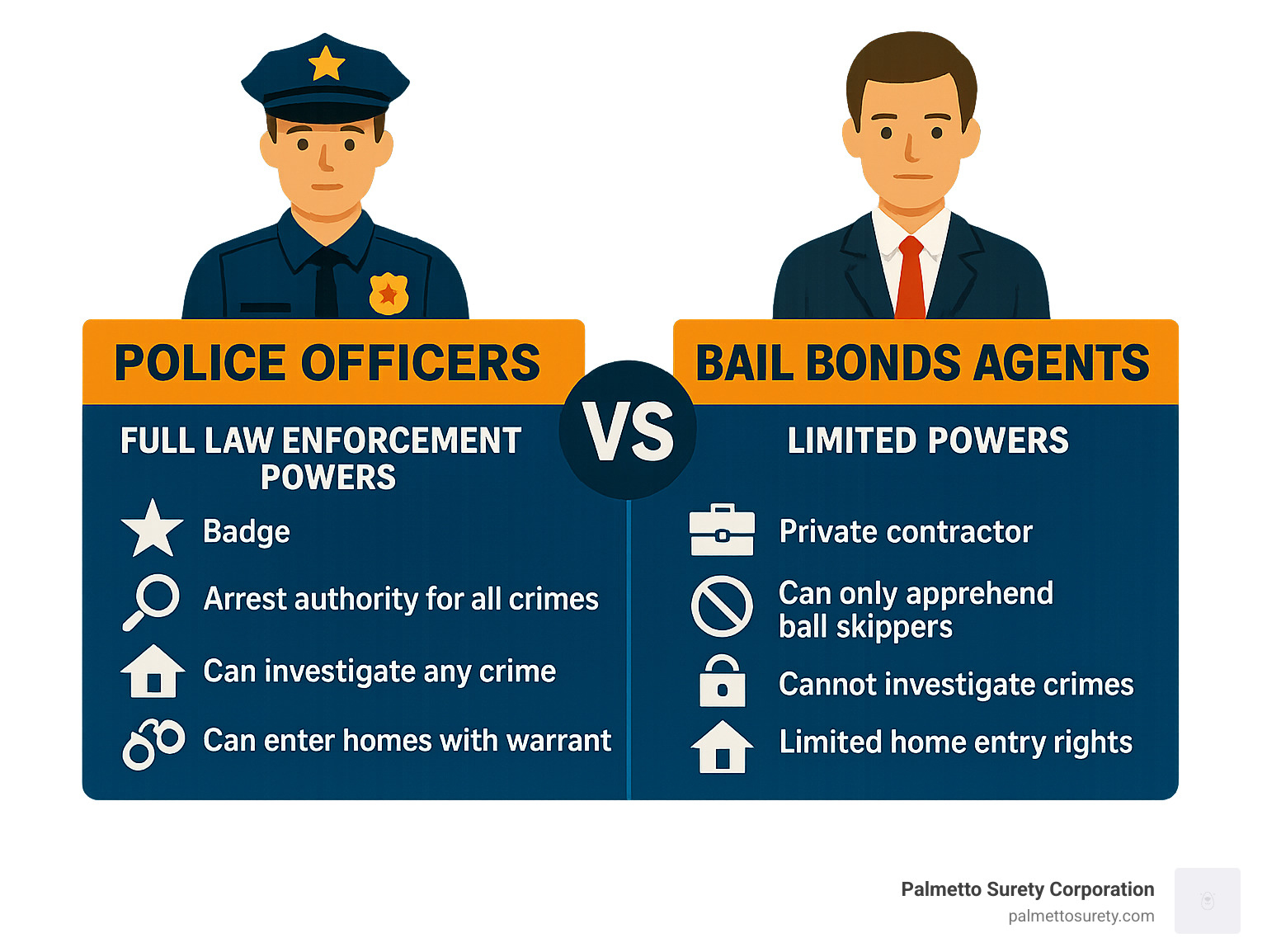
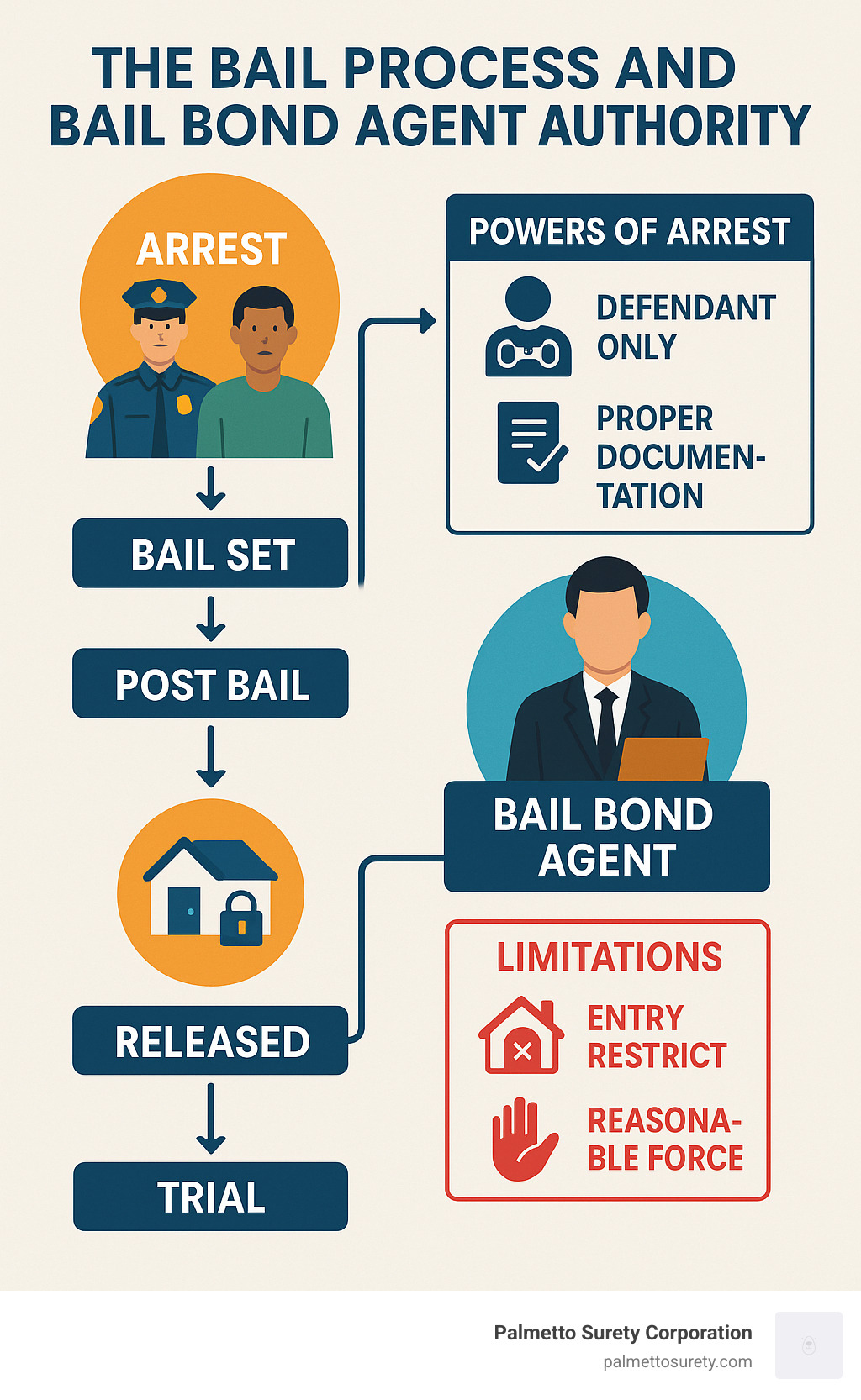
While not all bail agents actively engage in bounty hunting, this aspect of the industry is a critical component of the financial recovery process. When a defendant fails to appear in court, the bail bond is forfeited. In such situations, bail agents, or specialized bounty hunters working on their behalf, are tasked with locating and apprehending the fugitive.
The financial incentive for bounty hunters is often a percentage of the forfeited bail amount. Their success in apprehending fugitives directly impacts the bail agent’s ability to recover losses. This process involves significant investigative work, risk assessment, and adherence to strict legal guidelines regarding arrest powers and use of force. The efficiency and effectiveness of this enforcement arm are crucial for the financial viability of the bail bond system. A high rate of successful apprehensions can significantly reduce the overall financial risk for bail agents and surety companies.
In conclusion, the role of a bail agent is deeply embedded in the financial mechanics of the criminal justice system. Their ability to assess financial risk, manage collateral, navigate complex regulations, and maintain ethical business practices directly dictates their financial success and the effectiveness of the bail bond system in ensuring court appearances. Understanding what a bail agent does is, in essence, understanding a vital, albeit often overlooked, facet of financial intermediation within a system dedicated to justice and public safety.
aViewFromTheCave is a participant in the Amazon Services LLC Associates Program, an affiliate advertising program designed to provide a means for sites to earn advertising fees by advertising and linking to Amazon.com. Amazon, the Amazon logo, AmazonSupply, and the AmazonSupply logo are trademarks of Amazon.com, Inc. or its affiliates. As an Amazon Associate we earn affiliate commissions from qualifying purchases.