
The persistent itch and the unsettling discovery of tiny specks on the scalp can send anyone into a panic. Is it dandruff, a common and usually harmless scalp condition, or is it something more invasive, like lice eggs, also known as nits? Differentiating between these two can be crucial for effective treatment and peace of mind. While both can cause discomfort and visible signs on the scalp, their appearance, attachment, and implications are vastly different. Understanding these distinctions is the first step in addressing the issue correctly and decisively.
The Microscopic Differences: Visual Identification of Lice Eggs and Dandruff
The most significant difference between lice eggs and dandruff lies in their physical characteristics and how they adhere to the hair shaft. This distinction is paramount for accurate identification, especially when dealing with a potentially itchy and contagious situation.
Lice Eggs (Nits): Tiny, Oval, and Tenacious
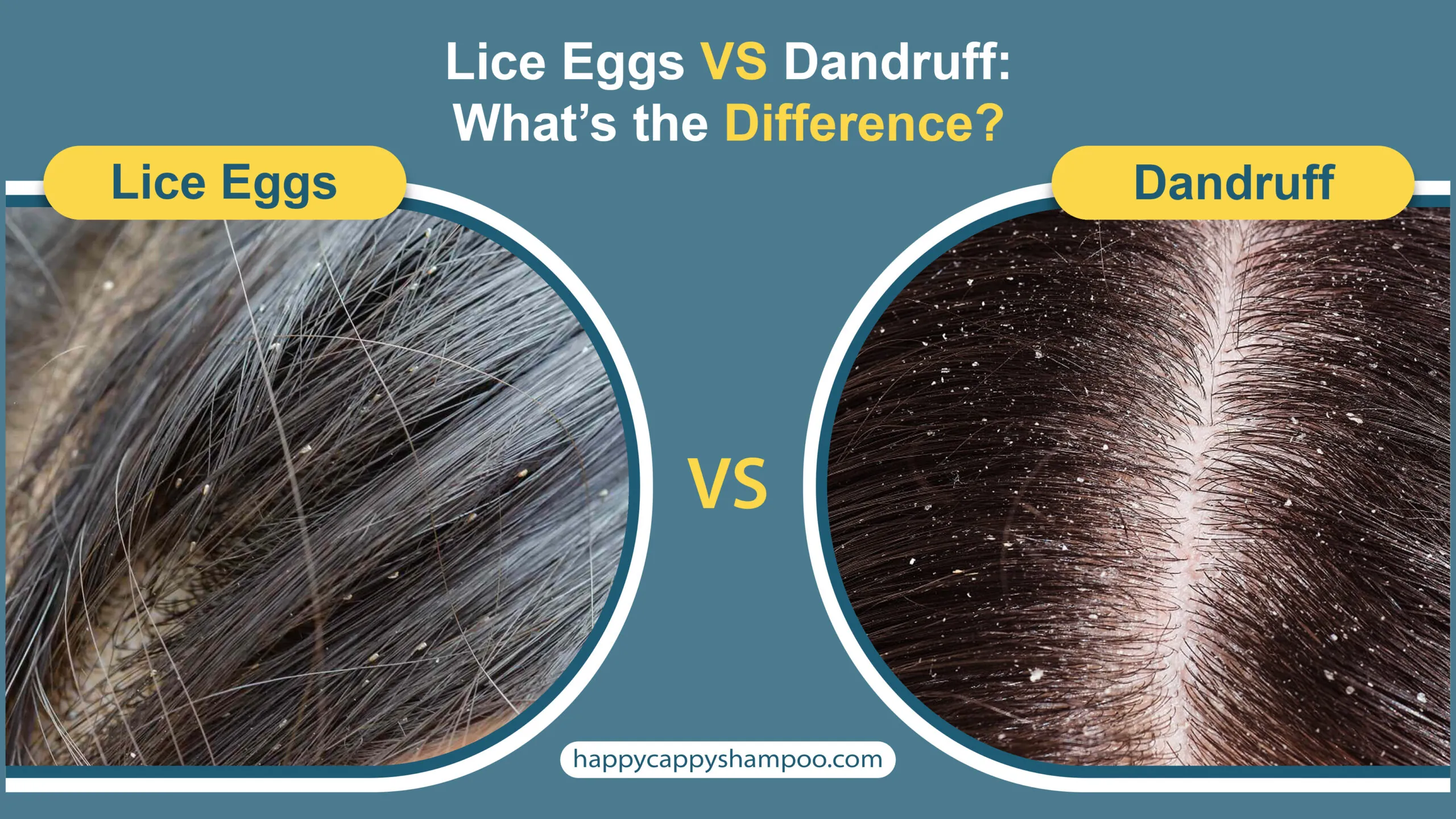
Lice eggs, or nits, are the reproductive units of head lice. They are remarkably small, typically measuring about 0.5 millimeters in length – roughly the size of a speck of dust or a small sesame seed. Their shape is generally oval, and their color can vary. Unhatched nits are often a pale yellow to white color, while hatched nits, which are empty egg casings, may appear more translucent or off-white.
The most distinguishing feature of nits is their firm attachment to the hair shaft. Unlike dandruff flakes, which are loose and easily dislodged, nits are glued to the hair with a strong, saliva-like substance secreted by the female louse. This adhesive is incredibly resilient, making it difficult to remove nits by simply shaking or brushing the hair. They are typically found closest to the scalp, within a few millimeters, as this is the ideal temperature and environment for hatching. However, as the hair grows, nits can be found further down the shaft, but their proximity to the scalp is a strong indicator of active infestation.
Under magnification, the shell of a nit is often clearly visible, and its oval shape is more pronounced. The sticky substance binding it to the hair can also be observed. The texture of a nit is also different from dandruff; it feels slightly harder and more defined.
Dandruff Flakes: Loose, Irregular, and Scalp-Shedding
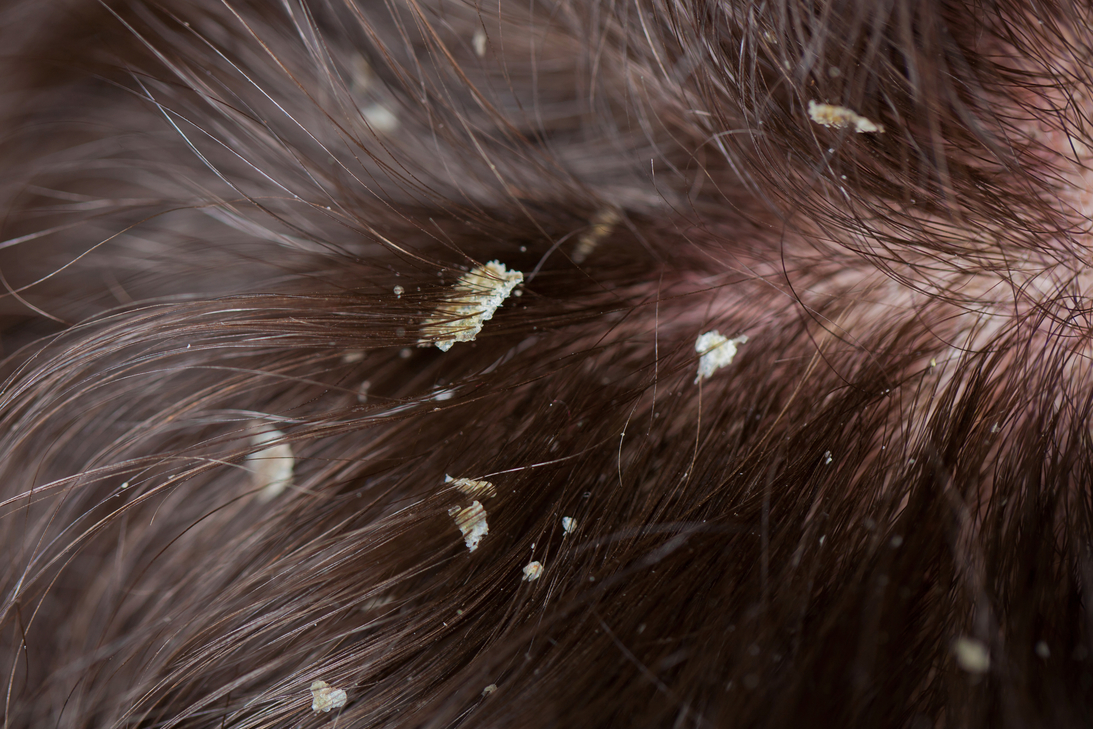
Dandruff, on the other hand, is a common condition characterized by the shedding of dead skin cells from the scalp. These flakes are typically much larger than nits, ranging in size from small specks to larger, more noticeable fragments of skin. Their shape is generally irregular and can vary significantly, often appearing as thin, wispy pieces. The color of dandruff flakes is usually white or off-white, and they can sometimes have a slightly yellowish tint if there is an associated oily scalp condition like seborrheic dermatitis.
Crucially, dandruff flakes are not attached to the hair shaft. They are loose remnants of dead skin that naturally slough off the scalp. This means they can be easily brushed or shaken away from the hair and clothing. While dandruff can cause itching, the primary characteristic is the visible shedding of these skin particles. The texture of dandruff is typically softer and more powdery compared to the more solid structure of a nit.
When examined under magnification, dandruff flakes appear as fragmented pieces of skin. They lack the distinct oval shape and the strong adhesive bond seen with lice eggs. Their looseness and tendency to fall freely are key indicators that differentiate them from nits.
Location and Behavior: Where to Look for Clues
The location on the scalp and the behavior of these specks can provide further vital clues in distinguishing between lice eggs and dandruff. The differences in where and how they are found are not accidental; they are directly related to their biological origins and functions.
Nits: Clinging to the Hair, Near the Source
As mentioned, nits are almost always found attached to the hair shaft. Their preferred location is close to the scalp, typically within half an inch. This is because the warmth of the scalp is essential for the development of the louse embryo within the egg. Female lice meticulously attach each egg to a hair strand, ensuring it is securely held until hatching. The careful placement of nits near the scalp is a survival strategy for the lice.
While the majority of nits are found close to the scalp, it is possible to find older, hatched nits further down the hair shaft. These will appear more translucent and will not contain a viable embryo. However, the presence of numerous nits close to the scalp is a strong indicator of a current and active infestation. If you are finding specks that are firmly attached to the hair, especially near the roots, the likelihood of them being nits is high.
Furthermore, lice themselves, which are small, wingless insects, are also found on the scalp, usually in the warmer areas like behind the ears and at the nape of the neck. While the question focuses on eggs, observing the presence of live lice further solidifies the diagnosis of a head lice infestation.
Dandruff: Scattered on the Scalp and Hair
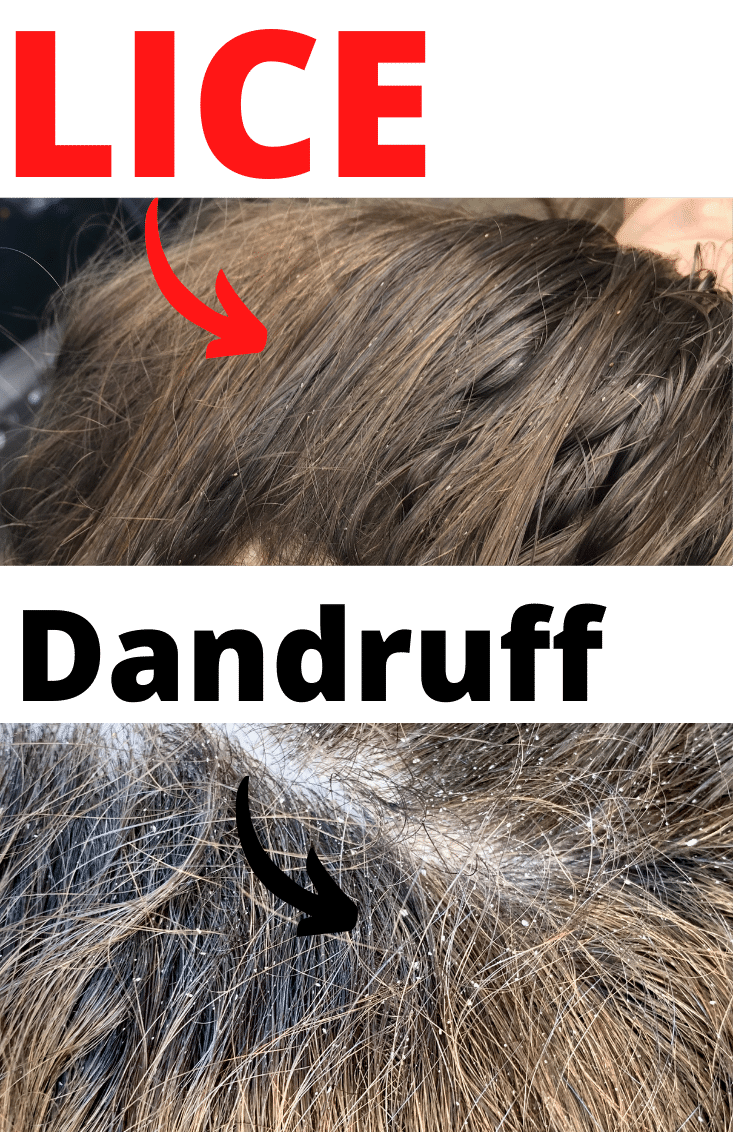
Dandruff, being shed skin cells, is generally found on the scalp and then disperses into the hair. While it can accumulate on the hair strands as they fall, it is not inherently attached to them in the same way nits are. You are more likely to see dandruff flakes scattered across the scalp itself, on the shoulders of clothing, or accumulating in the hair without a direct, firm connection.
The distribution of dandruff can be more widespread across the entire scalp, though it may be more noticeable in certain areas. It’s not limited to the immediate vicinity of the hair follicle in the way nits are. The ease with which dandruff flakes can be removed from the hair is a stark contrast to the tenacious grip of nits. If you can easily brush or comb away the specks, it’s almost certainly dandruff.
The “Feel” Test: Tactile Differentiation
Beyond visual inspection, the “feel” test can offer another layer of confirmation when trying to distinguish between lice eggs and dandruff. The tactile difference can be quite pronounced, providing valuable information even before resorting to a magnifying glass.
Nits: Hard, Solid, and Firmly Attached
When you try to slide a finger down a hair shaft with a nit attached, you will encounter a distinct resistance. The nit feels like a small, solid bump or bead on the hair. It doesn’t slide freely. If you attempt to flick or pinch it off, it will likely remain firmly attached, requiring significant effort or even damaging the hair to remove it. This firmness is due to the strong adhesive substance.
The texture of a nit, even to the touch, is more defined and less yielding than a flake of dandruff. It feels like a foreign object meticulously glued in place. This sensation is a key differentiator and a strong indicator that you are dealing with more than just a simple skin shedding issue.
Dandruff: Soft, Powdery, and Easily Dislodged
In contrast, when you run your finger down a hair shaft with dandruff on it, there is no significant resistance. The flakes are soft and easily dislodged. They will often crumble or slide off the hair with the slightest pressure. The sensation is more akin to touching a small, dry particle that is resting on the hair rather than being an integral part of it.
The texture of dandruff is typically powdery or flaky. It doesn’t have the same solid, bead-like feel as a nit. This ease of removal and the softer texture are hallmarks of dandruff. If the specks feel soft and come off with minimal effort when you try to move them along the hair, you are almost certainly looking at dandruff.
Implications and Next Steps: Addressing the Correct Issue
The fundamental difference between lice eggs and dandruff lies in their nature and the implications for your health and well-being. Identifying them correctly is not just about satisfying curiosity; it’s about taking the appropriate action to resolve the problem.
Head Lice: Contagious and Requiring Treatment
Head lice are parasitic insects that feed on human blood. They are highly contagious, spreading through direct head-to-head contact. An infestation requires prompt and effective treatment to eradicate the lice and prevent further spread. This typically involves specialized lice-killing shampoos, conditioners, or lotions, followed by meticulous combing with a fine-toothed nit comb to remove all lice and nits. Environmental cleaning, such as washing bedding and clothing in hot water, is also crucial to prevent re-infestation.
If you suspect lice eggs, it’s essential to confirm the diagnosis and begin treatment immediately. Ignoring a lice infestation can lead to prolonged discomfort, increased itching, and potential secondary skin infections from scratching. Seeking advice from a healthcare professional or a reputable lice treatment center can provide guidance and ensure thorough eradication.
Dandruff: A Common Scalp Condition
Dandruff, while sometimes irritating and aesthetically bothersome, is not contagious and does not pose the same public health concern as head lice. It is usually managed with over-the-counter medicated shampoos that contain active ingredients like pyrithione zinc, selenium sulfide, ketoconazole, or salicylic acid. These shampoos help to control the shedding of skin cells, reduce inflammation, and alleviate itching.
If you are experiencing dandruff, consistent use of an appropriate anti-dandruff shampoo should help manage the condition. If symptoms persist or worsen, consulting a dermatologist can help identify underlying causes and recommend more targeted treatments.
In conclusion, while both lice eggs and dandruff can present as small specks on the scalp, a careful examination of their appearance, attachment, location, and feel will reveal distinct differences. Understanding these differences is key to accurate identification, appropriate treatment, and ultimately, regaining a healthy and comfortable scalp. The key takeaway is to look for firm attachment to the hair shaft, an oval shape, and proximity to the scalp for nits, while loose, irregular flakes easily dislodged from the scalp point towards dandruff.
aViewFromTheCave is a participant in the Amazon Services LLC Associates Program, an affiliate advertising program designed to provide a means for sites to earn advertising fees by advertising and linking to Amazon.com. Amazon, the Amazon logo, AmazonSupply, and the AmazonSupply logo are trademarks of Amazon.com, Inc. or its affiliates. As an Amazon Associate we earn affiliate commissions from qualifying purchases.