
The allure of crystals has captivated humanity for millennia, transcending cultures and epochs. From ancient adornments to modern-day wellness practices, these shimmering geological formations evoke a sense of wonder and mystery. But beyond their aesthetic appeal, what is the true meaning behind crystals? This exploration delves into the multifaceted interpretations and applications of crystals, examining their historical significance, their place in spiritual and wellness traditions, and their growing presence in contemporary culture.
The Ancient Roots of Crystal Significance
The human fascination with crystals is not a recent phenomenon. Throughout history, various civilizations attributed profound meaning and power to these mineral wonders, weaving them into the fabric of their societies and belief systems. Understanding these historical connections provides a crucial foundation for appreciating their contemporary relevance.
Crystals in Antiquity: Power, Protection, and Divinity
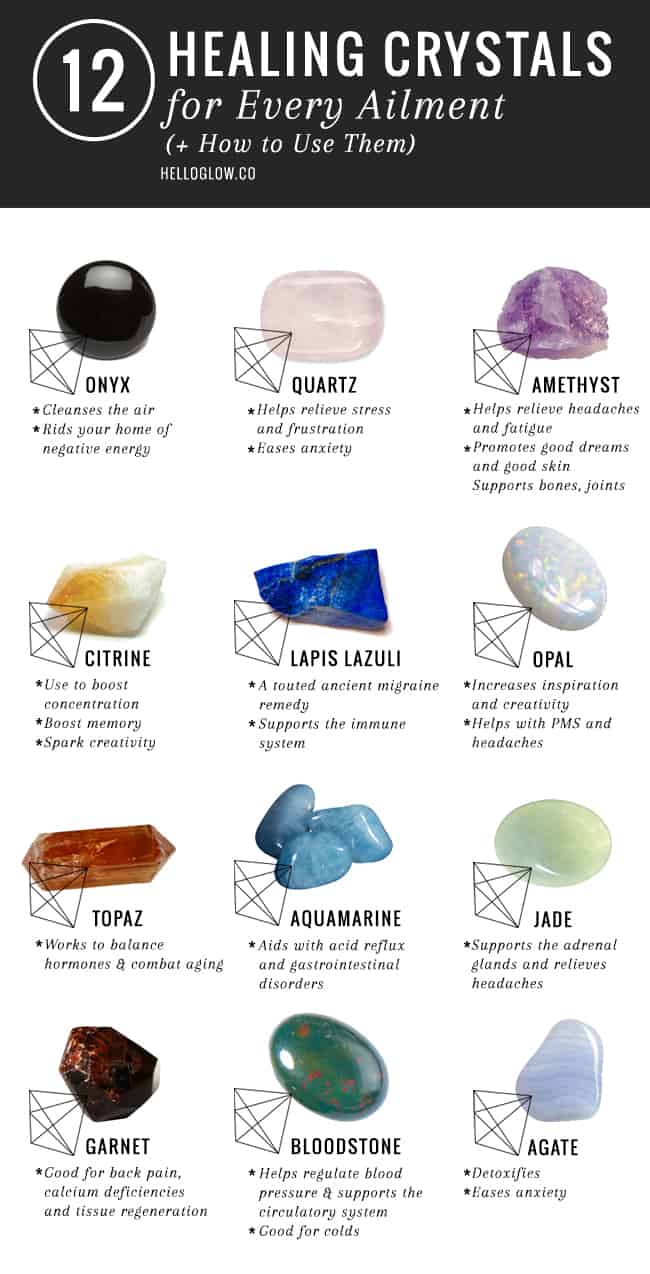
From the glittering jewels of Egyptian pharaohs to the protective amulets of Roman soldiers, crystals held significant cultural and symbolic value in ancient times. In ancient Egypt, lapis lazuli was associated with the heavens and divine royalty, used in elaborate funerary masks and sacred objects. Amethyst was believed to ward off intoxication and promote clear thinking, making it a prized possession for rulers and scholars.
The ancient Greeks and Romans also held crystals in high esteem. The word “crystal” itself originates from the Greek word “krystallos,” meaning “ice,” reflecting a belief that clear quartz was a solidified form of water, imbued with its pure essence. They used various stones for medicinal purposes, talismans, and religious rituals, believing specific crystals could influence health, luck, and even the weather.
In Eastern traditions, particularly in ancient India and China, crystals were integrated into philosophies of energy and healing. Ayurveda, the traditional Indian system of medicine, recognized the potential of certain gemstones to balance bodily energies and promote well-being. Similarly, in Traditional Chinese Medicine (TCM), jade was revered for its ability to nourish the “Qi” (life force) and promote longevity.
The Material and the Mystical: Early Perceptions
The perceived meaning of crystals in antiquity was a complex blend of their tangible properties and their attributed mystical qualities. Their inherent beauty, rarity, and durability made them valuable commodities, symbols of wealth, status, and power. However, beyond their material worth, their unique formations, vibrant colors, and perceived energies led to deeper interpretations.
Philosophers and mystics alike pondered the origins and essence of these crystalline structures. Some believed they held the condensed energies of the earth, while others saw them as conduits to the spiritual realm. This duality – the appreciation for their physical form and the reverence for their perceived metaphysical properties – laid the groundwork for future interpretations of crystal meaning.
Crystals in Spiritual and Wellness Practices
In contemporary society, crystals have found a prominent place within various spiritual and wellness communities. They are embraced not just for their beauty but for their purported ability to influence emotional, mental, and physical well-being. This resurgence of interest highlights a modern quest for holistic health and a connection to natural energies.
The Concept of Crystal Energy and Vibrations
A core tenet in the modern understanding of crystal meaning is the concept of their inherent energy or vibrations. Proponents believe that each crystal possesses a unique energetic signature, determined by its mineral composition, color, and crystalline structure. These vibrations are thought to interact with the human body’s own energetic field, promoting balance, healing, and specific desired outcomes.
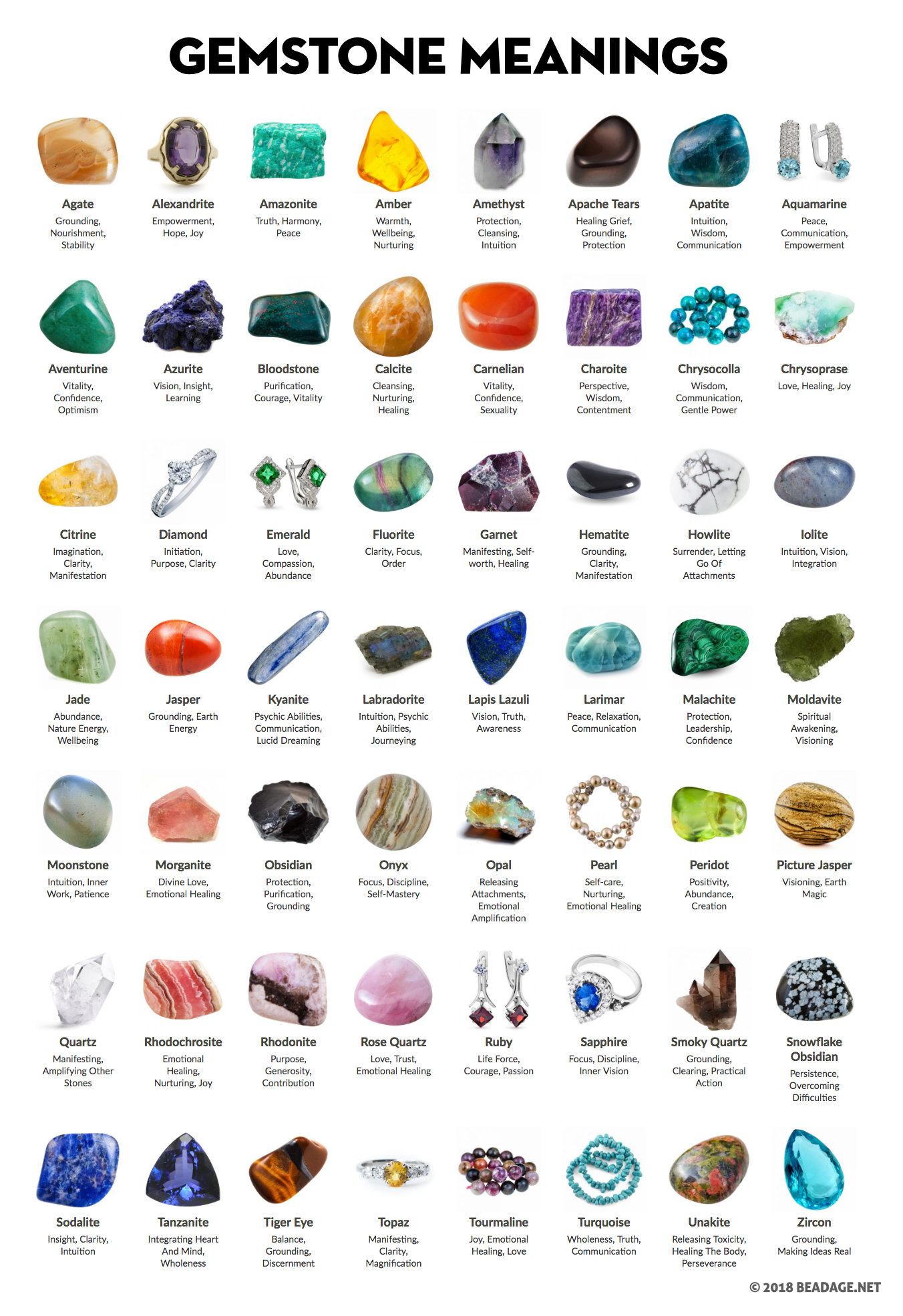
For instance, rose quartz is widely believed to radiate love and emotional healing energy, often used to open the heart chakra and foster compassion. Clear quartz, with its perceived ability to amplify energy and intention, is frequently employed for clarity, focus, and spiritual connection. Amethyst, as in ancient times, is still associated with tranquility, intuition, and stress relief, often used during meditation or placed in bedrooms to promote restful sleep.
Crystal Grids, Elixirs, and Intention Setting
The application of crystal energy extends to various practices aimed at harnessing these purported vibrations for specific purposes. Crystal grids, arrangements of crystals in geometric patterns, are created with a particular intention in mind, such as abundance, protection, or healing. The crystals are believed to work synergistically, amplifying each other’s energies to manifest the desired outcome.
Crystal elixirs, created by infusing water with the energetic properties of crystals (either by placing stones in water or using indirect methods to avoid direct contact), are another popular method. These elixirs are consumed with the intention of absorbing the crystal’s healing qualities internally.
Furthermore, the practice of setting intentions with crystals is paramount. Whether holding a crystal during meditation, carrying it in a pocket, or placing it in a living space, individuals imbue the stone with their desires and aspirations. The crystal then serves as a tangible reminder and a focal point for these intentions, believed to aid in their manifestation.
Holistic Healing and Mind-Body Connection
The use of crystals in wellness practices is often intertwined with a holistic approach to health, emphasizing the interconnectedness of the mind, body, and spirit. Many individuals turn to crystals as a complementary therapy, seeking to address imbalances and support their overall well-being.
For those experiencing stress and anxiety, stones like lavender, selenite, or blue lace agate are often recommended for their calming properties. For individuals seeking grounding and stability, hematite or black tourmaline are popular choices. The perceived energetic qualities of crystals are seen as a way to reconnect with nature’s inherent healing power, offering a sense of peace and centeredness in a fast-paced world.
The Evolving Landscape of Crystal Meaning
As crystals continue to permeate popular culture, their meanings are constantly being interpreted and reinterpreted. While ancient traditions provide a rich foundation, modern understandings are shaped by personal experiences, cultural trends, and evolving scientific curiosity.
Crystals in Popular Culture and Consumerism
Crystals have moved from niche spiritual circles into mainstream retail and popular culture. They are featured in fashion accessories, home decor, and even incorporated into beauty products. This widespread availability has made them more accessible but has also led to discussions about commercialization and authenticity.
The aesthetic appeal of crystals, their vibrant colors and unique forms, makes them highly marketable. This has resulted in a surge of crystal shops, online retailers, and even “crystal healing” certifications. While this democratization of crystals can be empowering, it also raises questions about the dilution of traditional meanings and the potential for misinformation.
Personal Interpretation and Intuitive Connection
Ultimately, the meaning of a crystal can be deeply personal. While general associations and traditional beliefs exist, many individuals connect with crystals on an intuitive level, feeling drawn to specific stones and experiencing unique effects. This subjective experience is a vital component of the evolving landscape of crystal meaning.
Many practitioners emphasize the importance of personal resonance. A crystal that is highly recommended for one person might not feel right for another, and vice-versa. This highlights the idea that the “meaning” of a crystal is not solely dictated by external lore but also by the individual’s own energetic field and their intention in engaging with the stone. This personal connection can lead to unique discoveries and a deeper, more individualized practice.

Scientific Perspectives and Skepticism
It is important to acknowledge that from a scientific perspective, the purported energetic and healing properties of crystals are largely unsubstantiated by empirical evidence. While the placebo effect can be a powerful factor in any therapeutic practice, the direct, quantifiable influence of crystal vibrations on human physiology remains a subject of scientific debate and skepticism.
However, the enduring appeal of crystals suggests a deeper human need that they fulfill. Whether it’s a connection to nature, a desire for control and intention in a chaotic world, or simply the comfort derived from beautiful objects and personal rituals, crystals offer a tangible focal point for these intangible aspects of human experience. The meaning of crystals, therefore, can also be understood as a reflection of our own inner landscapes and our ongoing search for meaning and well-being.
aViewFromTheCave is a participant in the Amazon Services LLC Associates Program, an affiliate advertising program designed to provide a means for sites to earn advertising fees by advertising and linking to Amazon.com. Amazon, the Amazon logo, AmazonSupply, and the AmazonSupply logo are trademarks of Amazon.com, Inc. or its affiliates. As an Amazon Associate we earn affiliate commissions from qualifying purchases.