
In today’s rapidly evolving digital landscape, the concept of “plugins” has become an integral part of how we interact with and enhance our technology. From boosting the functionality of your favorite software to personalizing your online experience, plugins are the unsung heroes that empower us to do more. Whether you’re a seasoned tech enthusiast or just starting to explore the possibilities, understanding how to install and manage plugins is a fundamental skill that can unlock a world of new capabilities. This article will guide you through the process, covering the general principles and then delving into specific contexts relevant to the broad topics of Tech, Brand, and Money.
Understanding the Plugin Ecosystem
Before diving into the installation process, it’s crucial to grasp what plugins are and why they are so prevalent. At its core, a plugin is a piece of software that adds a specific feature or functionality to an existing larger application. Think of it as an add-on or an extension that doesn’t operate independently but rather works in conjunction with another program.
The Power of Extensibility
The beauty of plugins lies in their ability to make software incredibly versatile. Developers design their applications with extensibility in mind, allowing third-party developers or even users to create and integrate new features without altering the core codebase of the original application. This fosters a dynamic and innovative ecosystem where users can tailor their tools to their exact needs.
Common Plugin Use Cases
The applications of plugins are vast and touch upon every facet of our digital lives:
- Software Enhancement: Most popular software suites, from web browsers and content management systems (CMS) to creative suites and productivity tools, rely heavily on plugins. For example, web browsers use extensions to block ads, manage passwords, or translate pages. CMS platforms like WordPress utilize plugins to add e-commerce functionality, improve SEO, or enhance security.
- Creative Workflows: Designers and developers often use plugins to automate repetitive tasks, add new filters and effects to image editing software, or integrate with other services.
- Productivity Boosters: Many applications offer plugins that streamline workflows, integrate with communication tools, or provide advanced data analysis capabilities.
- Gaming: In the gaming world, mods (which are essentially plugins for games) can introduce new levels, characters, gameplay mechanics, or graphical enhancements, significantly extending a game’s lifespan and appeal.
Plugin Installation: A General Overview
While the specifics of plugin installation vary depending on the application, there are common underlying principles and steps involved. The general process usually involves:
- Finding the Plugin: Identifying a plugin that meets your needs. This often involves visiting a plugin marketplace, an official website, or a community repository.
- Downloading the Plugin: Obtaining the plugin file(s). This could be an installer package, a ZIP archive, or a direct download from an in-app store.
- Installation: Integrating the plugin into the host application. This might involve running an installer, uploading files to a specific directory, or using an in-app management interface.
- Configuration: Setting up any necessary options or preferences for the plugin to function correctly.
- Activation: Ensuring the plugin is enabled and ready to use.
Understanding these general steps provides a solid foundation as we move into more specific contexts.
Installing Plugins for Enhanced Tech Experiences
In the realm of Tech, plugins are indispensable for optimizing your digital toolkit and staying ahead of the curve. From boosting your web browsing experience to supercharging your productivity, the right plugins can make a significant difference.
Web Browser Extensions: Your Digital Swiss Army Knife
Web browsers are arguably the most common platform for plugin usage, known as “extensions.” These small programs can dramatically alter how you interact with the internet.
Installing Browser Extensions: A Step-by-Step Approach
The process for installing browser extensions is generally straightforward and similar across major browsers like Chrome, Firefox, Edge, and Safari.
- Access the Extension Store: Each browser has an official online store where you can discover and download extensions.
- Chrome: Chrome Web Store
- Firefox: Firefox Add-ons
- Edge: Microsoft Edge Add-ons
- Safari: Mac App Store (for Safari extensions)
- Search for Your Desired Extension: Use the search bar within the store to find extensions for specific functionalities. For instance, you might search for “password manager,” “ad blocker,” “dark mode,” or “productivity tracker.”
- Review the Extension Details: Before installing, always take a moment to read the extension’s description, check its ratings and reviews, and review the permissions it requests. This is crucial for digital security – ensure the extension is from a reputable source and that its permissions align with its stated purpose.
- Click “Add to [Browser Name]”: Once you’ve found an extension you want, click the “Add” or “Install” button.
- Grant Permissions: A pop-up window will appear, detailing the permissions the extension needs to operate. Carefully review these. If you’re comfortable, click “Add Extension.”
- Confirmation and Access: The extension will be installed, and you’ll usually see an icon appear in your browser’s toolbar. Clicking this icon often provides access to the extension’s settings or interface. Some extensions might require a browser restart, though this is less common nowadays.
Popular Categories of Browser Extensions:
- Productivity:
- Grammar and Writing Assistants: Grammarly, LanguageTool
- Task Management: Todoist, Any.do
- Note-Taking: Evernot Web Clipper, Notion Web Clipper
- Focus Tools: StayFocusd, Forest
- Security and Privacy:
- Ad Blockers: uBlock Origin, AdBlock Plus
- Password Managers: LastPass, Bitwarden
- VPN Extensions: NordVPN, ExpressVPN (often integrated)
- Customization:
- Dark Mode: Dark Reader
- Tab Management: OneTab, The Great Suspender
- Shopping and E-commerce:
- Coupon Finders: Honey, Rakuten
- Price Trackers: CamelCamelCamel (for Amazon)
Software-Specific Plugins: Tailoring Your Tools
Beyond browsers, many desktop applications and software suites offer plugin architectures to extend their capabilities. This is particularly common in areas like graphic design, video editing, audio production, and even development environments.
General Steps for Installing Software Plugins:
The method for installing software plugins can vary significantly, but here are the most common approaches:
- In-App Plugin Marketplaces/Managers: Many modern applications have built-in stores or management interfaces where you can browse, install, and update plugins directly. This is often the most user-friendly method.
- Example: Adobe Creative Cloud applications often have an “Exchange” or “Marketplace” where you can find plugins.
- Manual Installation (File Placement): For some software, you might need to download plugin files (often in a .zip or a specific plugin format) and manually place them in a designated folder within the application’s installation directory.
- How to Find the Folder: The application’s documentation or the plugin developer’s website will usually specify the correct folder location. This can sometimes involve navigating deep into your system’s Program Files or Application Support folders.
- Example: Many audio plugins (VST, AU) require placing the plugin file in specific VST/AU plugin folders.
- Installer Applications: Some plugins come with their own dedicated installer programs. You simply run the installer, and it handles placing the plugin files and registering them with the host application.
- Example: Many specialized graphics plugins or game mods use this method.
- Package Managers (for Developers): For software development tools and environments, package managers like npm (Node.js), pip (Python), or NuGet (.NET) are used to install extensions and libraries that act as plugins.
- Example: Installing a new linter or code formatter for VS Code via its extension marketplace.
Key Considerations for Software Plugins:
- Compatibility: Always ensure the plugin is compatible with the specific version of the software you are using. Outdated plugins can cause crashes or prevent the software from running.
- System Requirements: Some plugins might have their own system requirements (e.g., a certain amount of RAM or a specific operating system version).
- Official Sources: Prioritize downloading plugins from the official developer’s website or their authorized marketplace to avoid malware.
- Documentation: Read the plugin’s documentation carefully for installation instructions and configuration tips.
Plugins for Brand Building and Marketing
While not as immediately obvious as in the tech sphere, plugins also play a crucial role in how brands are built, marketed, and managed in the digital space. Content Management Systems (CMS), social media platforms, and marketing automation tools all leverage plugins to enhance their capabilities.
Enhancing Your Online Presence with CMS Plugins
For businesses and individuals managing websites, Content Management Systems like WordPress, Joomla, and Drupal are the backbone of their online presence. Plugins are essential for transforming a basic website into a powerful marketing and engagement tool.
Popular Plugin Categories for Websites:
- Search Engine Optimization (SEO):
- Purpose: To improve your website’s visibility in search engine results.
- Examples: Yoast SEO, Rank Math. These plugins help with keyword optimization, meta descriptions, sitemaps, and readability analysis.
- E-commerce:
- Purpose: To turn your website into an online store.
- Examples: WooCommerce (for WordPress), Shopify Lite. These plugins handle product listings, shopping carts, payment gateways, and shipping.
- Performance and Caching:
- Purpose: To speed up your website, which is crucial for user experience and SEO.
- Examples: WP Super Cache, W3 Total Cache, LiteSpeed Cache. They store static versions of your pages to load faster.
- Security:
- Purpose: To protect your website from hackers, malware, and spam.
- Examples: Wordfence Security, Sucuri Security. They offer firewalls, malware scanning, and login protection.
- Contact Forms and Lead Generation:
- Purpose: To allow visitors to contact you and to capture leads.
- Examples: Contact Form 7, Gravity Forms, WPForms.
- Social Media Integration:
- Purpose: To easily share content on social media and display social feeds.
- Examples: Social Media Share Buttons & Social Sharing Icons, Smash Balloon.
Installing CMS Plugins (Focus on WordPress):
WordPress is the most popular CMS globally, and its plugin installation process is a prime example.
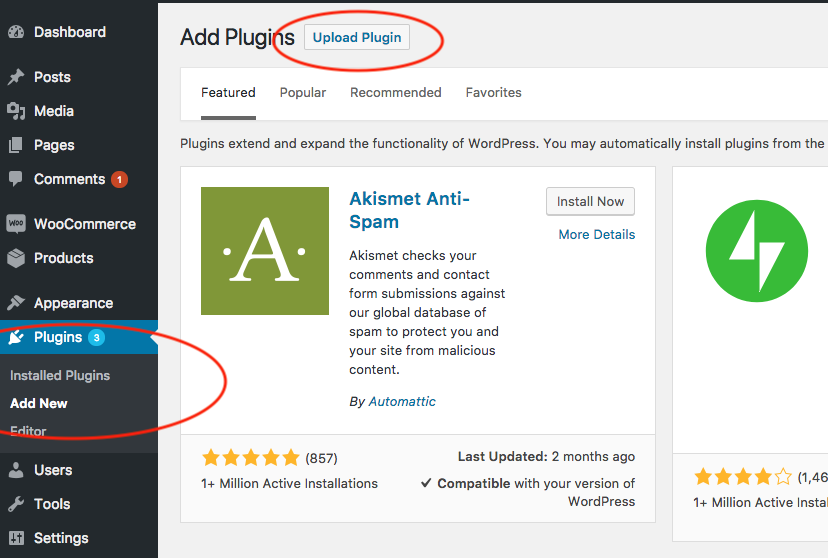
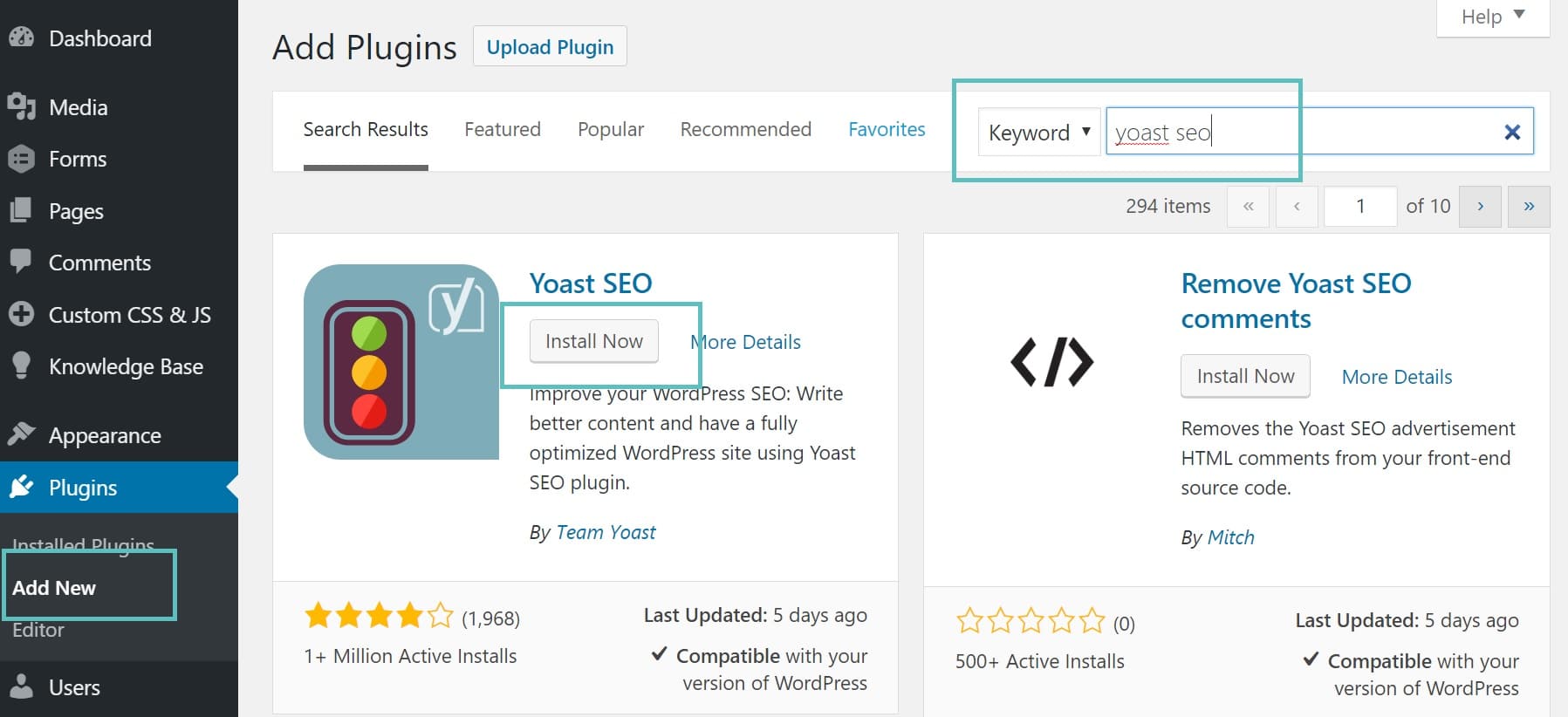
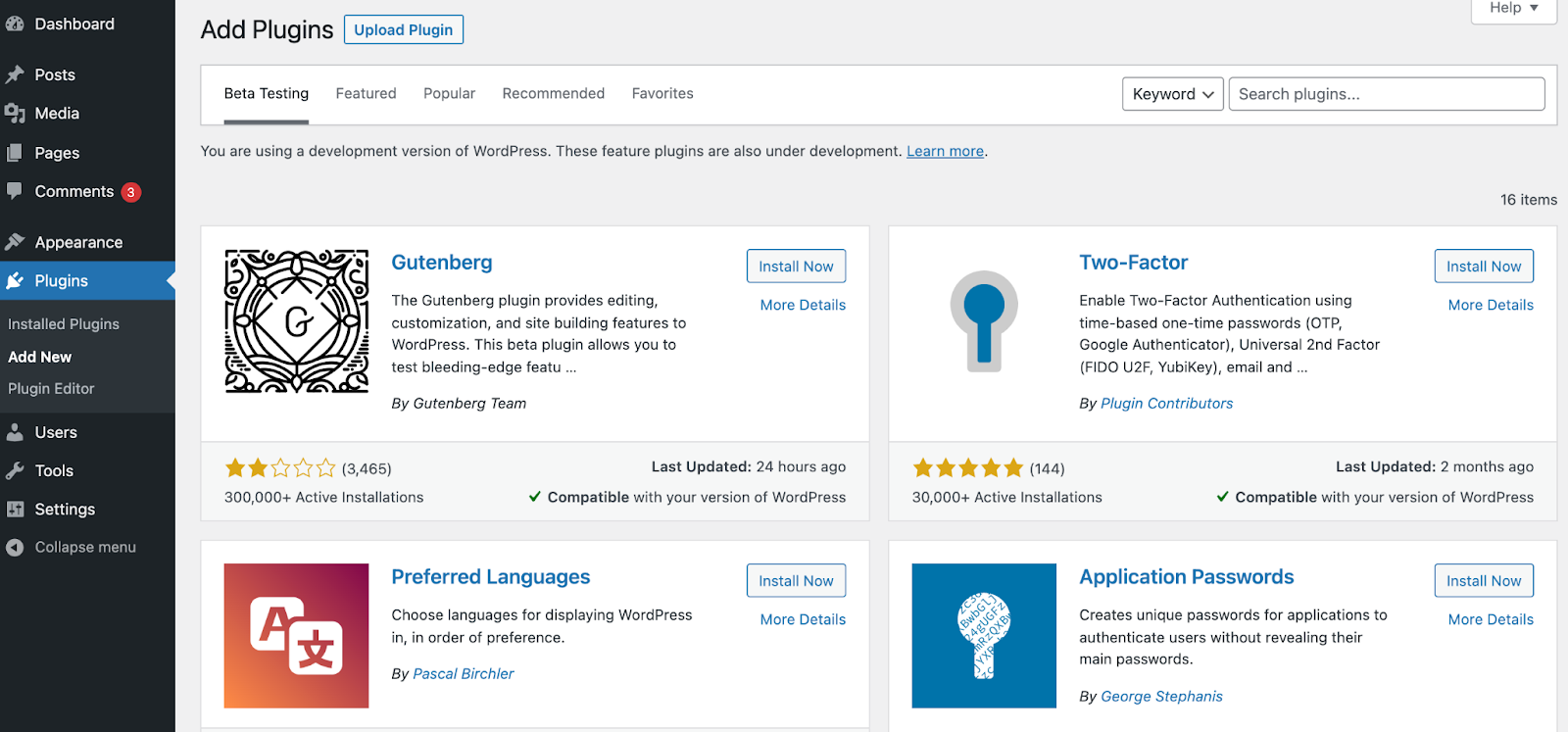
- Navigate to the Plugin Dashboard: Log in to your WordPress admin dashboard. In the left-hand menu, hover over “Plugins” and click “Add New.”
- Search for Plugins: You’ll see a page with featured, popular, and recommended plugins. You can also use the search bar at the top right to find specific plugins.
- Install and Activate:
- Once you find a plugin, click the “Install Now” button. WordPress will download and install the plugin for you.
- After installation, the button will change to “Activate.” Click “Activate” to enable the plugin on your website.
- Configure Plugin Settings: Most plugins have a dedicated settings page, usually found under the “Settings” menu or as a new item in the main admin menu. Here, you’ll configure the plugin’s options to suit your needs.
- Upload Plugin (if downloaded manually): If you’ve downloaded a plugin as a ZIP file from a third-party source (ensure it’s reputable!), go to “Plugins” > “Add New.” Then, click the “Upload Plugin” button at the top of the page, choose your ZIP file, and click “Install Now,” followed by “Activate.”
Marketing Automation and CRM Plugins
Businesses that use Customer Relationship Management (CRM) software or marketing automation platforms often rely on plugins or integrations to connect with other tools and services.
- Connecting to Email Marketing Services: Plugins or integrations allow CRMs to sync contacts with Mailchimp, HubSpot, or Constant Contact.
- Website Integration: Plugins can embed forms from your CRM or marketing platform directly onto your website to capture leads.
- Social Media Monitoring: Some platforms offer plugins that integrate social media feeds and engagement metrics into your CRM.
The installation for these often involves connecting accounts through API keys or OAuth authentication, usually guided by the platform’s integration settings.
Plugins for Financial Management and Online Income
The Money aspect of our digital lives is also being transformed by plugins, whether it’s managing personal finances more effectively or building online income streams.
Personal Finance and Investment Tools
While dedicated finance apps are common, many general-purpose tools can be enhanced with plugins for financial management.
- Spreadsheet Software: Plugins for Excel or Google Sheets can add specialized financial functions, data import/export capabilities, or link to real-time market data.
- Browser Extensions for Budgeting: Some extensions can track online spending by categorizing transactions from e-commerce sites, helping you visualize your budget.
- Investment Platforms: Many brokerage platforms allow for API access or have partner integrations that can be considered a form of plugin, allowing third-party tools to analyze your portfolio or execute trades based on predefined strategies.
Installing Financial Plugins:
- Spreadsheet Add-ons: For Google Sheets, you’d go to “Extensions” > “Add-ons” > “Get add-ons.” For Excel, you’d go to “Insert” > “Get Add-ins.”
- Browser Extensions: Similar to general browser extensions, found in the respective browser web stores.
- API Integrations: For more advanced financial tools, installing often involves authorizing access to your financial accounts through secure protocols, guided by the platform.
Plugins for Online Income and E-commerce
For those looking to generate income online, particularly through e-commerce or content creation, plugins are essential.
- E-commerce Platform Plugins: As mentioned in the Brand section, WooCommerce, Shopify plugins, and similar extensions are fundamental for setting up and managing online stores. They handle everything from product display to secure payment processing.
- Content Monetization Plugins: For bloggers and website owners, plugins can help integrate advertising networks (like Google AdSense), affiliate marketing links, or even subscription management systems to create recurring revenue.
- Productivity and Automation Plugins for Freelancers: Freelancers might use plugins in their project management tools to track billable hours, generate invoices automatically, or integrate with client communication platforms.
Installing E-commerce and Monetization Plugins:
The installation process for these often mirrors that of CMS plugins described earlier. For platforms like Shopify, their app store is a central hub for finding and installing these extensions. For self-hosted solutions like WooCommerce, it’s via the WordPress plugin directory.
Conclusion: Empowering Your Digital Journey with Plugins
Understanding how to install plugins is no longer just for the technically inclined; it’s a vital skill for anyone looking to maximize their efficiency, enhance their online presence, and leverage technology to its fullest potential. Whether you’re aiming to surf the web more productively, build a robust brand online, or manage your finances and income streams more effectively, plugins offer a powerful and accessible way to customize and extend the tools you use every day. By familiarizing yourself with the general principles of plugin installation and understanding the specific methods for your chosen platforms, you can unlock a world of new possibilities and truly personalize your digital journey. Always remember to prioritize reputable sources and review permissions to ensure a safe and secure experience.
aViewFromTheCave is a participant in the Amazon Services LLC Associates Program, an affiliate advertising program designed to provide a means for sites to earn advertising fees by advertising and linking to Amazon.com. Amazon, the Amazon logo, AmazonSupply, and the AmazonSupply logo are trademarks of Amazon.com, Inc. or its affiliates. As an Amazon Associate we earn affiliate commissions from qualifying purchases.