
In an era increasingly defined by technological innovation and a global pivot towards sustainability, homeowners and businesses are constantly seeking smarter, more efficient ways to power their lives. Among the most popular renewable energy solutions, solar panel installations stand out, offering significant long-term savings and a reduced carbon footprint. A common question that arises for many considering this transition, especially those with robust roofing structures, is: “Can solar panels be installed on a metal roof?” The unequivocal answer is yes, and often, it presents a remarkably advantageous scenario for solar integration. Far from being a mere possibility, the combination of solar technology and metal roofing creates a powerful synergy that maximizes efficiency, durability, and return on investment.

This article delves into the intricate details of installing solar panels on metal roofs, exploring the numerous benefits, addressing potential challenges, and outlining the critical considerations for a successful project. From understanding different metal roof types and innovative mounting technologies to assessing the financial and environmental payoff, we will provide a comprehensive guide for anyone looking to harness the sun’s power atop their resilient metal structure.
The Synergistic Potential: Why Metal Roofs and Solar Power are a Perfect Match
The decision to install solar panels is a significant investment, one that benefits immensely from a sturdy and long-lasting foundation. Metal roofs, renowned for their exceptional durability and extended lifespan, offer precisely that. When paired with advanced photovoltaic (PV) technology, they create a resilient, high-performance energy system built to last for decades. This partnership isn’t just about compatibility; it’s about unlocking a suite of advantages that collectively enhance the value and efficiency of a solar energy system.
Understanding Metal Roof Types and Their Solar Compatibility
Not all metal roofs are created equal, and understanding their distinctions is crucial for selecting the most appropriate solar mounting strategy. Each type presents unique characteristics that influence the ease, cost, and method of solar panel installation.
Standing Seam Metal Roofs: The Ideal Candidate
Standing seam metal roofs are widely considered the gold standard for solar panel installations. Characterized by their raised, interlocking seams that run vertically up the roof, these roofs offer unparalleled advantages. The design allows for non-penetrating clamps to be securely attached directly to these seams, bypassing the need to drill holes into the roof surface. This method preserves the roof’s watertight integrity, prevents leaks, and often simplifies the installation process. The inherent strength of standing seam panels also means they can comfortably bear the additional weight of solar arrays without structural concerns, making them a prime choice for homeowners and commercial entities prioritizing both technological integration and structural preservation. This non-invasive mounting technique contributes significantly to the overall lifespan of both the roof and the solar system, reducing maintenance headaches and long-term repair costs.
Corrugated and Ribbed Metal Roofs: Robust and Versatile
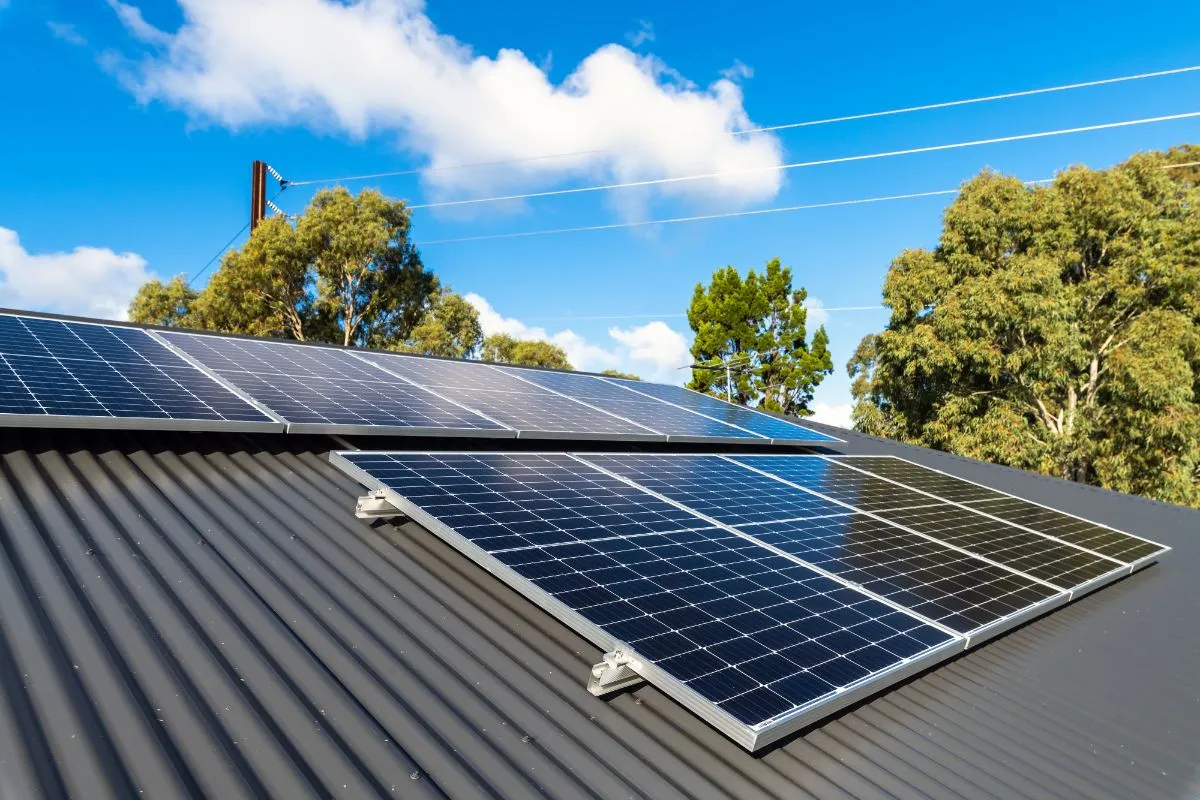
Corrugated and ribbed metal roofs are popular for their strength, cost-effectiveness, and industrial aesthetic. While they don’t offer the direct clamping advantage of standing seam roofs, they are still highly compatible with solar installations. For these roof types, mounting systems typically involve attaching rails to the roof’s surface using specialized fasteners that penetrate the metal panels. Crucially, these penetration points are sealed with high-quality, weather-resistant flashing and sealants to prevent water ingress. Modern mounting hardware is designed to distribute weight effectively across the roof’s structure, ensuring stability and safety. The robust nature of corrugated and ribbed metal, often found on agricultural buildings, workshops, and certain residential properties, provides a solid base for solar arrays, making them a versatile option for diverse applications.
Metal Shingles and Tiles: Aesthetic Integration
Metal shingles and tiles are designed to mimic the appearance of traditional roofing materials like asphalt shingles, slate, or clay tiles, offering aesthetic appeal alongside the benefits of metal. Installing solar panels on these roofs requires a similar approach to traditional shingle roofs, often utilizing rail-based systems with L-feet brackets secured into the roof deck beneath the metal shingles. While this method involves penetrations, expert installers use meticulous flashing and sealing techniques to ensure the roof remains waterproof. The key here is to balance the need for secure mounting with the preservation of the roof’s aesthetic qualities. For those who prioritize a clean look, this option allows for the integration of cutting-edge solar tech without compromising the architectural integrity of their property.
Unpacking the Advantages: Benefits of Solar on Metal Roofs
The synergy between solar panels and metal roofs extends beyond mere compatibility, delivering a host of advantages that make this combination particularly compelling for forward-thinking property owners.
Enhanced Durability and Lifespan
Metal roofs are legendary for their longevity, often lasting 40 to 70 years or more, significantly outperforming traditional asphalt shingles (which typically last 15-30 years). Solar panels, with an operational lifespan of 25-30 years, are perfectly matched to the durability of a metal roof. This alignment ensures that the roof will likely outlast the solar array, or at least match its lifespan, eliminating the costly and disruptive need to remove and reinstall panels for roof replacement during the solar system’s operational life. This long-term stability is a critical financial advantage, reducing future expenses and increasing the overall return on investment.
Superior Structural Integrity
Metal roofs are built to withstand extreme weather conditions, including high winds, heavy snow loads, and hail. This inherent structural integrity provides an exceptionally stable platform for solar panels. The additional weight of a solar array, though generally well-distributed, requires a robust foundation. Metal roofs, particularly standing seam, are often engineered with superior weight-bearing capabilities, making them an ideal and safe choice for supporting advanced energy systems. This peace of mind, knowing your roof can handle the load, is invaluable.
Efficient Installation and Reduced Penetrations
For standing seam metal roofs, the non-penetrating clamp system revolutionized solar installation. By attaching directly to the seams, installers avoid drilling holes into the roof surface, drastically reducing the risk of leaks and preserving the roof’s warranty. This method not only speeds up the installation process but also minimizes potential damage to the roofing material, making it a highly efficient and desirable option. Even for other metal roof types, advancements in mounting hardware and sealing techniques ensure that penetrations are secure and watertight, often providing a more reliable seal than installations on less durable roofing materials.
Improved Energy Efficiency and Passive Cooling
Metal roofs inherently reflect more solar radiation than darker roofing materials like asphalt. This reflectivity contributes to lower attic temperatures and reduced cooling costs, especially in warmer climates. When solar panels are installed, they create an additional air gap between the panels and the roof surface. This air gap further enhances ventilation and acts as an insulating layer, leading to even greater passive cooling benefits for the building below. The combination thus offers a dual benefit: direct electricity generation and enhanced energy efficiency through improved thermal performance, contributing to a lower overall energy bill.
Optimized ROI and Financial Incentives
The long lifespan and low maintenance requirements of both metal roofs and solar panels translate into a compelling long-term return on investment (ROI). Furthermore, governments and local authorities often offer a variety of financial incentives, such as federal tax credits (like the Investment Tax Credit in the US), state rebates, and local programs, to encourage renewable energy adoption. These incentives can significantly offset the initial investment cost, making solar on a metal roof a financially astute decision. The durability of the system minimizes future repair costs, and the consistent energy production leads to substantial savings on electricity bills over decades, establishing a clear path to profitability and enhancing property value.
Navigating the Installation Landscape: Mounting Technologies and Considerations
While the benefits are clear, a successful solar installation on a metal roof hinges on selecting the right mounting technology and meticulously addressing various site-specific considerations. The evolution of mounting hardware has made installations on metal roofs increasingly straightforward and secure, but expertise remains paramount.
Innovative Mounting Solutions for Metal Roofs
The solar industry has responded to the growing demand for metal roof installations with a range of specialized and highly effective mounting systems.
Clamp-Based Systems for Standing Seam
As highlighted, clamp-based systems are the star players for standing seam metal roofs. These robust clamps are designed to grip the raised seams of the roof without piercing the metal. They come in various profiles to match different seam designs, ensuring a snug and secure fit. Rails are then typically attached to these clamps, onto which the solar panels are bolted. This non-invasive method is celebrated for preserving the roof’s integrity, preventing leaks, and often simplifying installation. It also means that if panels ever need to be removed or replaced, the roof itself remains undamaged.
Rail and L-Foot Systems for Corrugated and Ribbed Roofs
For corrugated and ribbed metal roofs, traditional rail-based systems are employed, adapted with specialized L-foot brackets. These brackets are designed to accommodate the unique profile of the metal panels, attaching to the roof structure through the metal sheeting. The critical component here is the flashing and sealing. High-quality, durable flashings (often rubberized or custom-fabricated metal pieces) are meticulously installed around each penetration point to create a watertight barrier, preventing any moisture from reaching the roof deck. The L-feet then provide the attachment points for the rails, which support the solar panels. This method, when executed by experienced professionals, ensures a secure and leak-free installation.
Adhesive and Direct-Attach Systems
Less common but gaining traction are adhesive and direct-attach systems, particularly for specific scenarios or low-slope metal roofs. Adhesive systems use strong, weather-resistant adhesives to bond mounting hardware directly to the metal roof surface, eliminating penetrations. These are often used for thin-film solar panels or specific lightweight PV solutions. Direct-attach systems, like some microinverters that bolt directly to specialized brackets, can also reduce the overall system profile. While offering benefits like reduced labor and no penetrations, their applicability depends on roof type, local climate conditions, and specific product warranties. Thorough evaluation is crucial for these less conventional methods.
Key Factors for a Successful Installation
Beyond choosing the right mounting hardware, several critical factors must be thoroughly assessed to ensure a safe, efficient, and long-lasting solar installation on a metal roof.
Assessing Roof Condition and Age
Before any solar array is installed, a comprehensive assessment of the existing metal roof’s condition and age is paramount. Even though metal roofs are durable, wear and tear, previous poor installations, or environmental damage can compromise their integrity. An experienced solar installer will inspect the roof for rust, loose panels, damaged seams, or any other issues that could affect the long-term performance or safety of the system. If the roof is nearing the end of its projected lifespan, it might be more cost-effective to replace or repair it before installing solar panels, avoiding the expense of removing and reinstalling the array later.
Understanding Weight Distribution and Structural Load
While metal roofs are strong, adding solar panels introduces additional weight. A structural engineer’s assessment is often recommended, especially for older buildings or larger commercial installations, to confirm that the existing roof structure can safely support the combined load of the panels, mounting hardware, and anticipated snow or wind loads. This due diligence ensures the safety and longevity of both the roof and the solar system, complying with local building codes and safety standards. Advanced AI tools are beginning to assist in rapid structural analysis, offering faster and more accurate load calculations for complex roof geometries.
Permitting, Regulations, and Warranty Implications
Solar installations are subject to local building codes, electrical codes, and zoning regulations. Obtaining the necessary permits is a non-negotiable step and typically handled by the solar installer. It’s also crucial to understand how the installation might affect existing roof warranties. Reputable installers will use methods and materials that either do not void the roof warranty (as is often the case with non-penetrating clamps on standing seam roofs) or will provide their own comprehensive installation warranty that covers any potential issues related to their work. Transparency regarding warranties from both the roof manufacturer and the solar installer is key to protecting your investment.
The Critical Role of Installer Expertise
Perhaps the most important factor is the selection of a qualified and experienced solar installer. Installing solar panels on a metal roof requires specialized knowledge of different metal roof types, appropriate mounting hardware, sealing techniques, and structural considerations. An experienced installer will conduct a thorough site assessment, recommend the optimal system design, navigate the permitting process, and ensure a safe, code-compliant, and aesthetically pleasing installation. Their reputation, reviews, and accreditations (such as NABCEP certification) are indicators of their competence and commitment to quality. For property owners, entrusting this complex technological integration to true professionals is essential for maximizing both performance and peace of mind.
Addressing Challenges and Maximizing Value
While the advantages of installing solar on a metal roof are compelling, it’s prudent to address potential challenges and understand how to mitigate them. By doing so, property owners can fully capitalize on the investment and maximize the value derived from their sustainable energy system.
Overcoming Potential Hurdles
No significant investment is without its considerations, and solar on metal roofs is no exception. Understanding these points allows for proactive planning.
Initial Cost and Investment
The upfront cost of a metal roof is typically higher than asphalt shingles, and specialized solar mounting hardware for metal roofs can sometimes add to the overall solar installation cost. However, this initial investment must be viewed through a long-term lens. The combined lifespan of a metal roof and a solar array (50+ years for the roof, 25-30+ years for solar) significantly outweighs the lifespan of conventional alternatives. When factoring in energy savings, incentives, and the avoidance of future roof replacements, the total cost of ownership over decades makes this option highly competitive and often more financially prudent in the long run. Savvy financial planning, often assisted by online income calculators and expert financial tools, can clearly demonstrate the ROI.
Heat Management and Ventilation
While metal roofs reflect solar radiation, they can also conduct heat efficiently, which might theoretically impact the performance of solar panels if not properly addressed. However, the air gap created by most solar mounting systems beneath the panels actually aids in convection, allowing air to circulate and dissipate heat. This “passive cooling” effect can even improve panel efficiency by preventing excessive temperature buildup, as solar panels tend to perform better at cooler temperatures. Proper system design by the installer, including consideration of panel spacing and roof orientation, can further optimize heat management and ventilation, turning a potential concern into an advantage.
Aesthetics and Property Value
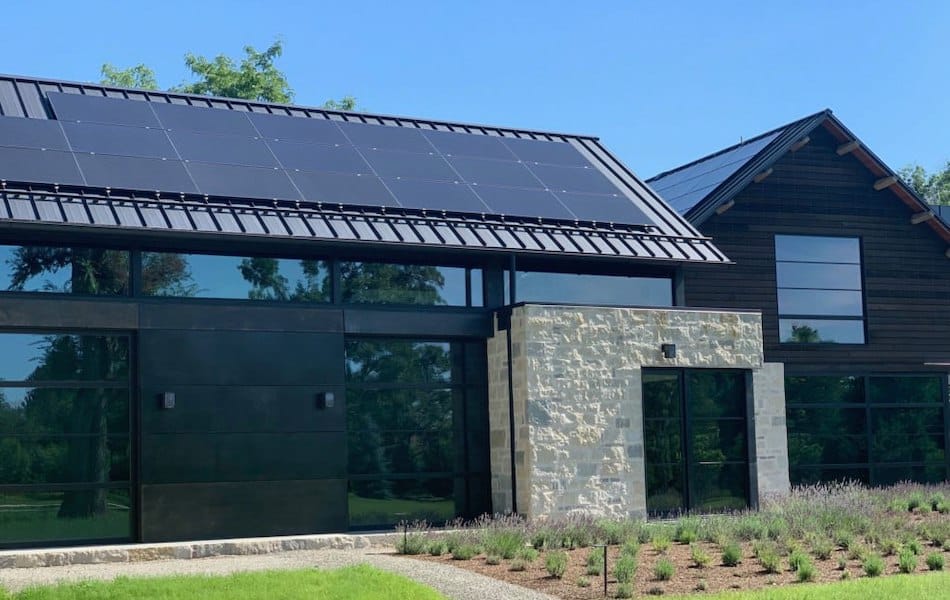
Some property owners express concerns about the visual impact of solar panels on their roof. While solar panels are functional, modern designs are increasingly sleek and integrated. The clean lines of many metal roofs, especially standing seam, can complement the uniform appearance of solar arrays, creating a sophisticated, high-tech aesthetic. Moreover, the addition of a high-quality solar energy system undeniably enhances property value. Buyers in today’s market are increasingly valuing energy independence, lower utility bills, and sustainable features, positioning solar-equipped homes and businesses as desirable assets. This contributes to personal branding for homeowners and corporate identity for businesses embracing green technologies.
The Financial and Environmental Payback
The decision to go solar on a metal roof is not just about technology; it’s a strategic move that delivers substantial financial and environmental rewards.
Calculating Your Return on Investment (ROI)
The ROI for a solar installation on a metal roof is robust. It’s calculated by considering the initial investment (after incentives), the annual savings on electricity bills, and the value added to the property. With electricity prices steadily rising, the predictable cost of solar energy offers a hedge against inflation. Over the lifespan of the system, owners can save tens of thousands of dollars, making the payback period often between 5-10 years, after which the electricity generated is essentially free. Businesses can also leverage solar for tax depreciation, further improving their financial statements. Utilizing online ROI calculators and consulting with financial advisors specializing in renewable energy can provide precise projections tailored to specific circumstances.
Harnessing Tax Credits and Incentives
Understanding and maximizing available financial incentives is crucial for accelerating the ROI. The federal Investment Tax Credit (ITC) in the United States, for example, allows homeowners to deduct a significant percentage of the cost of installing a solar energy system from their federal taxes. Many states and local municipalities also offer their own rebates, property tax exemptions, or performance-based incentives (like SRECs – Solar Renewable Energy Credits) that further reduce the net cost of installation. These incentives are powerful drivers for adoption and underscore the financial attractiveness of solar power. Staying informed about these ever-evolving programs is key to maximizing financial benefits.
Contributing to a Sustainable Future
Beyond the financial gains, installing solar panels on a metal roof makes a tangible contribution to environmental sustainability. By generating clean, renewable electricity, you significantly reduce your reliance on fossil fuels, thereby lowering your carbon footprint and mitigating climate change. This commitment to green energy aligns with global efforts towards a more sustainable planet and positions property owners as responsible stewards of environmental resources. For individuals, it’s a personal branding statement of eco-consciousness; for businesses, it’s a critical component of corporate social responsibility and a boost to their brand strategy, attracting environmentally aware customers and talent.
Making an Informed Decision: Your Path to Solar on Metal
Embarking on a solar journey, especially with the added advantage of a metal roof, is a forward-thinking decision. By following a structured approach, you can ensure a smooth transition to clean, self-generated power.
Step-by-Step Guide to Going Solar
The process of going solar can be streamlined with proper planning and expert guidance.
Research and Consultation
Begin by thoroughly researching reputable solar installers specializing in metal roof installations in your area. Look for companies with strong track records, positive customer reviews, and relevant certifications. Schedule consultations to discuss your energy needs, budget, and specific roof characteristics. This initial phase is about gathering information, comparing proposals, and asking pertinent questions about technology, warranties, and the installation process. Leveraging digital tools for comparison and understanding different solar technologies can greatly assist this research phase.
System Design and Quotation
Based on your energy consumption, roof size and orientation, and local sun exposure, the installer will design a custom solar PV system. This design will specify the number and type of panels, inverter technology (string inverters, microinverters, or power optimizers), and the appropriate mounting system for your specific metal roof type. You’ll receive a detailed quotation outlining all costs, estimated energy production, projected savings, and applicable incentives. This is where you scrutinize the financial details, ensuring clarity on ROI and all associated expenses.
Installation and Activation
Once the design is approved, permits are secured, and financing is in place, the installation team will get to work. The actual installation typically takes a few days, depending on the system size and complexity. After installation, the system undergoes inspection by local authorities and the utility company. Upon final approval, your system is activated, and you begin generating your own clean electricity. Post-installation, many providers offer monitoring apps and AI tools to track your system’s performance, ensuring optimal output and giving you real-time insights into your energy production and savings.
Frequently Asked Questions
A few common questions often arise when considering solar panels on metal roofs.
Will it void my roof warranty?
For standing seam roofs using non-penetrating clamps, the roof warranty is typically unaffected as no holes are drilled. For other metal roof types requiring penetrations, reputable installers use approved flashing and sealing methods designed to maintain the roof’s integrity. Always confirm with both your roof manufacturer and your solar installer regarding warranty implications. A professional solar installer will guarantee their workmanship, often providing a separate warranty for the installation itself.
Is it more expensive than other roof types?
The initial cost for solar on a metal roof might be slightly higher due to specialized mounting hardware or the higher base cost of a metal roof itself. However, when considering the long-term benefits – extreme durability, longer lifespan, reduced need for future roof replacements, and lower maintenance – the total cost of ownership over decades is often significantly lower and more financially advantageous than installing solar on shorter-lived roofing materials.
How long does the installation take?
The physical installation process for a residential solar system on a metal roof typically takes between 1-5 days, depending on the system size and complexity. The overall process, from initial consultation to system activation, can range from 1 to 3 months, largely influenced by permitting processes, utility approvals, and scheduling.
What if my roof is old?
If your metal roof is nearing the end of its predicted lifespan (e.g., 30-40 years old for a 50-year roof), it’s generally advisable to replace or repair the roof before installing solar panels. This avoids the significant expense of having to remove and reinstall the panels when the roof eventually needs replacement. A thorough roof inspection is always recommended before any solar project begins.
In conclusion, installing solar panels on a metal roof is not just feasible but an exceptionally smart and sustainable investment. The inherent strengths of metal roofing, coupled with modern solar technology and expert installation, create a high-performance energy system that delivers significant financial savings, enhances property value, and makes a substantial contribution to a greener future. For anyone looking to embrace renewable energy, a metal roof offers the perfect foundation for decades of clean power generation.
aViewFromTheCave is a participant in the Amazon Services LLC Associates Program, an affiliate advertising program designed to provide a means for sites to earn advertising fees by advertising and linking to Amazon.com. Amazon, the Amazon logo, AmazonSupply, and the AmazonSupply logo are trademarks of Amazon.com, Inc. or its affiliates. As an Amazon Associate we earn affiliate commissions from qualifying purchases.