
In the sprawling, brutal world of Westeros, few figures loomed as large or cast as dark a shadow as Ser Gregor Clegane, famously known as “The Mountain.” From his introduction as a ruthless knight of immense stature and strength to his horrific transformation and eventual, cataclysmic end, The Mountain was a constant, terrifying force. His arc wasn’t just a story of violence and vengeance; it was a testament to the power of character design, technological execution, and strategic narrative development within a mega-production like Game of Thrones.

While fans primarily recall his unparalleled brutality, his iconic duel with Oberyn Martell, or the ultimate showdown in “Cleganebowl,” a deeper analysis reveals how The Mountain’s journey intertwines with modern concepts across technology, brand strategy, and the economics of entertainment. This article ventures beyond the lore to explore how a character forged in fantasy mirrors principles relevant to our digital age, from cutting-edge visual effects to the personal branding of actors and the substantial financial investments required to bring such a formidable presence to life. By examining The Mountain through the distinct lenses of tech, brand, and money, we gain a unique perspective on his enduring legacy and the intricate machinery behind one of television’s most unforgettable villains.
The Technological Specter: Engineering the Mountain’s Might and Mayhem
The very existence of The Mountain as a believable, intimidating force on screen was a marvel of production. His towering presence, his disproportionate strength, and especially his chilling post-resurrection state, all relied heavily on a sophisticated interplay of physical casting, practical effects, and groundbreaking digital technology. In many ways, his on-screen evolution offers a fascinating case study in how technology trends in filmmaking can elevate character impact.
From Practical Effects to Digital Domination: Crafting the Colossus
Bringing a character of Gregor Clegane’s immense physical specifications to life required a meticulous approach, beginning with casting. Game of Thrones famously employed three different actors for the role, each contributing to the character’s terrifying aura. Conan Stevens, Ian Whyte, and most notably, the Icelandic strongman Hafþór Júlíus Björnsson, each brought their unique physical prowess. Björnsson, a former World’s Strongest Man winner, was a casting coup, lending an authentic, almost unbelievable physicality to the role. His sheer size meant that many of his scenes could rely on practical effects, making his interactions with other, smaller characters feel genuinely imposing.
However, practical effects alone could not fully convey the supernatural strength and unholy endurance attributed to The Mountain, particularly after his “reanimation.” This is where advanced CGI and visual effects (VFX) became indispensable. Techniques like forced perspective were used to exaggerate his height even further, making regular characters appear even more diminutive in his presence. For moments requiring extreme strength, such as crushing a man’s skull or wielding a massive sword with one hand, digital enhancements smoothed the edges of reality, making the impossible seem plausible.
The most profound technological investment in The Mountain’s character came during his transformation by Qyburn. The “Franken-Mountain” or “Ser Robert Strong” was a masterpiece of prosthetic makeup fused with digital effects. The subtle changes in his skin texture, the vacant stare, the unnaturally slow and deliberate movements, and the visible signs of decay beneath his armor all required meticulous digital painting and rendering. The production team leveraged high-end software and powerful render farms to create a version of The Mountain that was both recognizable and horrifyingly alien. This blend of traditional makeup artistry with cutting-edge digital wizardry showcased the pinnacle of modern production technology, making his terrifying presence a tangible reality for viewers and demonstrating how far digital security and proprietary software protect the unique assets of such a valuable IP.
Qyburn’s Unethical AI? The “Franken-Mountain” as a Bio-Tech Nightmare
Looking at The Mountain’s reanimation through a contemporary tech lens, particularly in the realm of bio-tech and AI, offers a chilling speculative exercise. Qyburn’s process, described as dark magic but executed with scientific precision in the show, can be analogized to a terrifying frontier in bio-engineering and artificial intelligence. He didn’t just heal Gregor; he repurposed him, turning a dying man into an unthinking, unwavering sentinel. This transformation could be seen as an early, crude form of bio-enhancement, pushing the boundaries of life and death, and controlling a biological entity through external means.
Imagine if Qyburn’s “science” were applied using modern AI tools. We might envision complex neural networks designed to control motor functions in deceased subjects, or algorithms that predict and execute defensive maneuvers with cold, robotic efficiency. The “Franken-Mountain” embodies a nightmare scenario where technology eradicates free will, reducing a complex individual to a mere tool. This mirrors contemporary ethical debates surrounding AI control, mind-machine interfaces, and the potential for technology to be used for dehumanizing purposes. The concept of creating a perfectly obedient, infinitely loyal, and incredibly powerful guard resonates with discussions around AI-powered security systems or even autonomous military applications.
In a strange way, The Mountain post-resurrection represents the ultimate “productivity” hack for a ruthless monarch like Cersei: an unkillable, unyielding automaton with singular focus. He is the ultimate app for protection, devoid of moral considerations or personal agenda. This dark reflection compels us to consider the ethical implications when advanced technology, whether it be a medieval “bio-tech” experiment or a futuristic AI system, falls into the wrong hands. It serves as a potent narrative, reminding us that with great technological power comes the potential for profound moral dilemmas and unintended consequences.
Branding the Beast: How Gregor Clegane Became an Unforgettable Icon
Beyond his fearsome presence, The Mountain evolved into a distinctive “brand” within the Game of Thrones universe. His character, from his imposing physique to his signature cruelty, was strategically developed to evoke specific emotions and serve particular narrative functions. This extends not only to his in-universe role but also to how the actors portraying him built their personal brands, and how HBO leveraged his notoriety in its broader marketing strategy.
Personal Branding Through Brutality: The Actors Behind the Mask
The journey of the actors who portrayed The Mountain offers compelling insights into personal branding. While three actors took on the mantle, it was Hafþór Júlíus Björnsson who most indelibly stamped his personal brand onto the character. Björnsson’s pre-existing fame as a world-renowned strongman provided a unique foundation. His casting wasn’t just about finding a big man; it was about finding the strongest man, blurring the lines between fiction and reality. This synergy allowed him to leverage his GoT role to amplify his strongman career and vice versa.
Björnsson’s social media presence exploded, with fans eager to follow both his athletic endeavors and his behind-the-scenes glimpses of Westeros. He strategically used his “Mountain” persona to promote fitness brands, engage in high-profile boxing matches, and participate in various endorsements. This is a masterclass in personal branding: taking a powerful, recognizable role from a global phenomenon and using it as a springboard for diverse ventures, creating an enduring public identity tied to strength, discipline, and intimidation. The GoT role didn’t just give him a paycheque; it provided a global platform for his existing brand and opened doors to new online income streams and entrepreneurial “side hustles.”
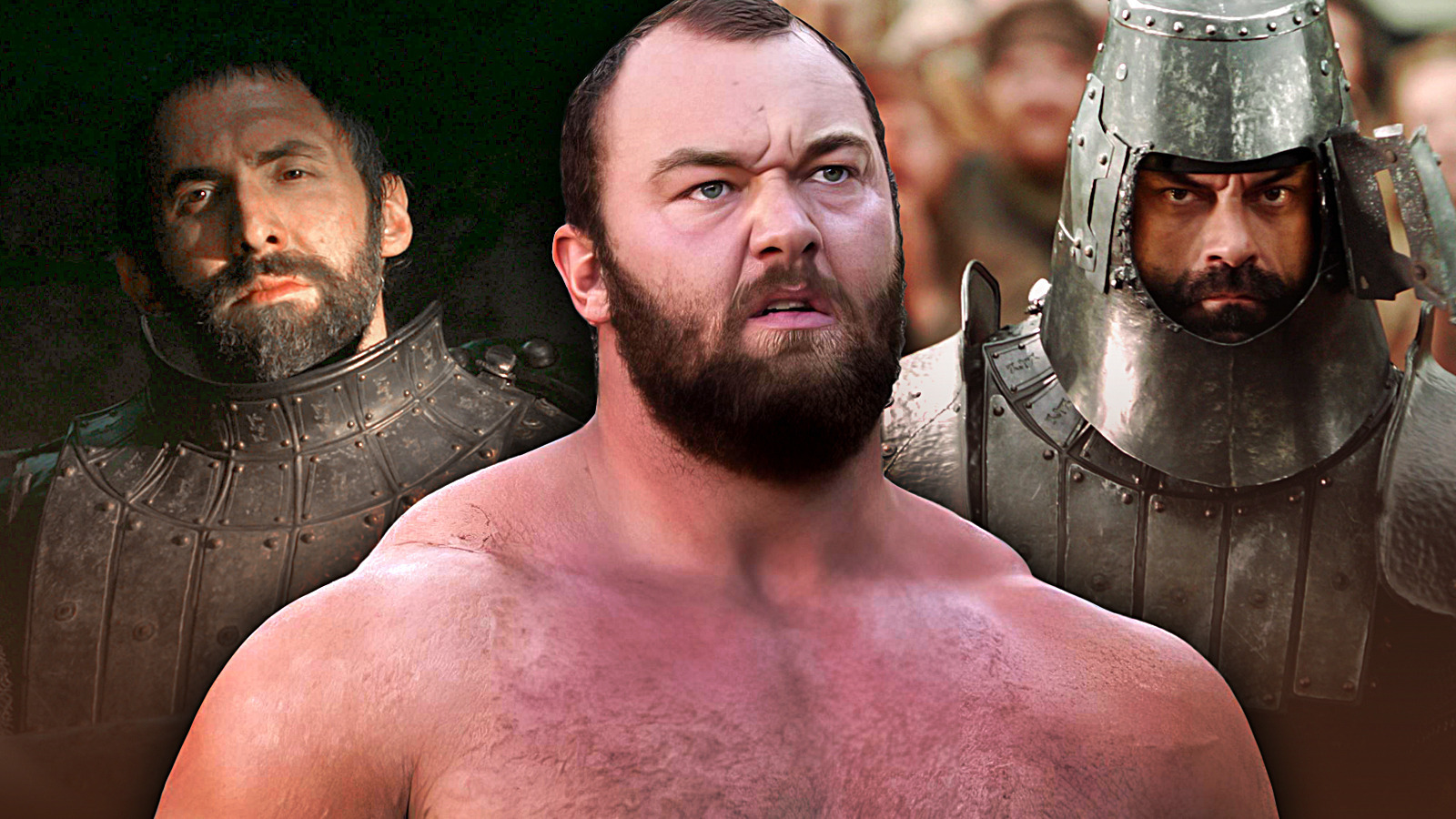
Similarly, Conan Stevens and Ian Whyte, though having shorter tenures, also saw their personal brands boosted by their association with GoT. These roles became significant talking points in their careers, helping them secure other roles and solidify their presence in the fantasy and genre acting communities. They became part of a prestigious “alumni” of the show, benefiting from its immense popularity and critical acclaim.
The Corporate Identity of Carnage: Marketing GoT’s Most Feared Knight
From a broader “Brand” perspective, The Mountain served as a crucial component of Game of Thrones’ corporate identity, specifically in how the show marketed its darker, more brutal elements. He wasn’t just a character; he was a symbol of unchecked power, the ruthlessness of feudal society, and the ultimate embodiment of Cersei Lannister’s iron will. His presence signaled the stakes and the inherent danger within Westeros.
HBO’s marketing campaigns subtly (and sometimes overtly) highlighted key moments involving The Mountain. Promotional materials, trailers, and fan discussions frequently referenced his iconic scenes, particularly the duel with Oberyn Martell and the eventual “Cleganebowl.” These were not merely plot points but highly anticipated spectacles that generated massive buzz, driving viewership and reinforcing the show’s reputation for shocking, visceral storytelling. The network understood that characters like The Mountain, with their clear narrative function and powerful visual appeal, were excellent tools for brand reinforcement.
Furthermore, The Mountain, despite his villainy, became a recognizable icon for merchandising. Action figures, Funko Pops, and various collectibles featuring his armored likeness or even his grotesque reanimated form underscored his popularity and marketability. He became a significant asset in the show’s “brand strategy,” representing a key facet of its appeal: raw power, unrelenting vengeance, and the visceral reality of a world without mercy. This strategic deployment ensured that The Mountain’s “reputation” (as a terrifying character) was consistently managed and leveraged to enhance the overall GoT brand, making him a memorable part of pop culture history.
The Gold and The Gore: Economic Footprints of a Giant
Producing a show of Game of Thrones’ magnitude, featuring characters like The Mountain, involves astronomical financial investment. Every detail, from casting and special effects to fight choreography and global promotion, represents significant capital expenditure. Examining The Mountain’s role through a “Money” lens reveals how such a character contributes to the complex financial ecosystem of a blockbuster television series and how actors can leverage their fame for long-term financial gain.
Investing in Spectacle: The Cost of Bringing The Mountain to Life
Game of Thrones was renowned for its lavish production values, with budgets famously escalating to an estimated $15 million per episode in its final season. A significant portion of this investment was directed towards creating the show’s immersive world, including its epic battles and memorable characters. The Mountain, being a character who frequently appeared in high-impact, effects-heavy scenes, undoubtedly contributed to these substantial costs.
Consider the various financial outlays:
- Casting: Securing actors of the caliber and unique physical attributes of Hafþór Júlíus Björnsson comes at a premium. His specialized skills as a strongman added authenticity, which translates into value for the production.
- Special Effects & Prosthetics: The practical effects for his armor, the elaborate prosthetics for his reanimated state, and the extensive CGI required to enhance his presence and actions (e.g., crushing skulls, fight choreography enhancements) represent millions in investment. Each pixel, each render, each hour of artist time is a financial resource poured into the visual spectacle.
- Fight Choreography & Stunts: Orchestrating complex fight sequences, particularly those involving a character of The Mountain’s size and distinct fighting style, requires specialized choreographers, stunt coordinators, and a large team of stunt performers, all of whom need to be compensated.
This extensive “investing” in the spectacle was not merely an artistic choice; it was a critical business finance decision. HBO understood that delivering unparalleled visual quality and character depth would drive subscription numbers, merchandising sales, and international licensing deals. The impressive portrayal of characters like The Mountain, who embodied the show’s brutal essence, was a key differentiator in a competitive streaming landscape, directly contributing to the show’s massive financial success and return on investment.
Online Income and Side Hustles: The Post-GoT Legacy
The financial impact of The Mountain extends far beyond the production budget, particularly for the actors who portrayed him. For Hafþór Júlíus Björnsson, the role became a powerful catalyst for diversifying his income streams and building an impressive portfolio of “side hustles” long after the show concluded. His newfound global recognition allowed him to significantly expand his “online income” potential.
Post-GoT, Björnsson leveraged his social media following (millions across Instagram, YouTube, and Facebook) for lucrative brand endorsements, particularly within the fitness, nutrition, and lifestyle sectors. He promoted protein supplements, workout gear, and health applications, transforming his character’s image of immense strength into a marketable persona for healthy living (albeit with an extreme edge). His personal YouTube channel provided an additional platform for monetized content, offering insights into his training, diet, and daily life, all while subtly reinforcing his “Mountain” identity.
Moreover, his engagement in professional boxing matches against other strongmen and celebrities was a direct consequence of his GoT fame. These pay-per-view events generated significant revenue, showcasing how a major role can open doors to completely new, high-earning ventures. These are quintessential examples of how an actor can strategically use their platform to build multiple “online income” channels and “side hustles,” effectively diversifying their personal financial portfolio. The “financial tools” he and his team would employ for managing endorsements, fight purses, and social media monetization would be sophisticated, akin to managing a small business. The Mountain, in this context, wasn’t just a character; he was a launchpad for an entrepreneurial journey, demonstrating the tangible economic value of cultural impact.

Conclusion
The story of Ser Gregor Clegane, The Mountain, is far more than a tale of brutality and vengeance within the narrative confines of Game of Thrones. When examined through the lenses of technology, brand, and money, his character transforms into a fascinating case study reflecting the intricate dynamics of modern entertainment production and the broader digital economy. From the complex technological feats required to render his terrifying physicality and unholy reanimation, mirroring advancements and ethical dilemmas in bio-tech and AI, to the strategic branding that cemented his status as an unforgettable icon—both for the show and for the actors who embodied him—The Mountain stands as a testament to multi-faceted impact.
Furthermore, the substantial financial investment in bringing such a formidable character to life underscores the business acumen behind Game of Thrones’ monumental success. Simultaneously, the post-show career trajectories of its actors, particularly Hafþór Júlíus Björnsson, highlight the burgeoning opportunities for online income and diversified ventures in the era of personal branding and digital influence. The Mountain, in his unique blend of fantasy and real-world relevance, thus offers a potent reminder that even the darkest corners of fictional worlds can illuminate profound insights into our increasingly interconnected and technologically driven reality. His legacy isn’t just etched in the annals of Westeros; it resonates through the very trends shaping our modern tech, brand, and money landscapes.
aViewFromTheCave is a participant in the Amazon Services LLC Associates Program, an affiliate advertising program designed to provide a means for sites to earn advertising fees by advertising and linking to Amazon.com. Amazon, the Amazon logo, AmazonSupply, and the AmazonSupply logo are trademarks of Amazon.com, Inc. or its affiliates. As an Amazon Associate we earn affiliate commissions from qualifying purchases.