
In an era defined by instant gratification and unparalleled technological advancements, the concept of “TV on Demand” has transcended a mere feature to become the cornerstone of modern entertainment consumption. Gone are the days when viewers were tethered to rigid broadcast schedules, forced to plan their evenings around specific showtimes or miss out entirely. TV on Demand, often abbreviated as VOD (Video On Demand), represents a revolutionary shift, empowering individuals to access a vast library of television shows, movies, documentaries, and other video content at their convenience, anytime, anywhere, and on a device of their choosing.
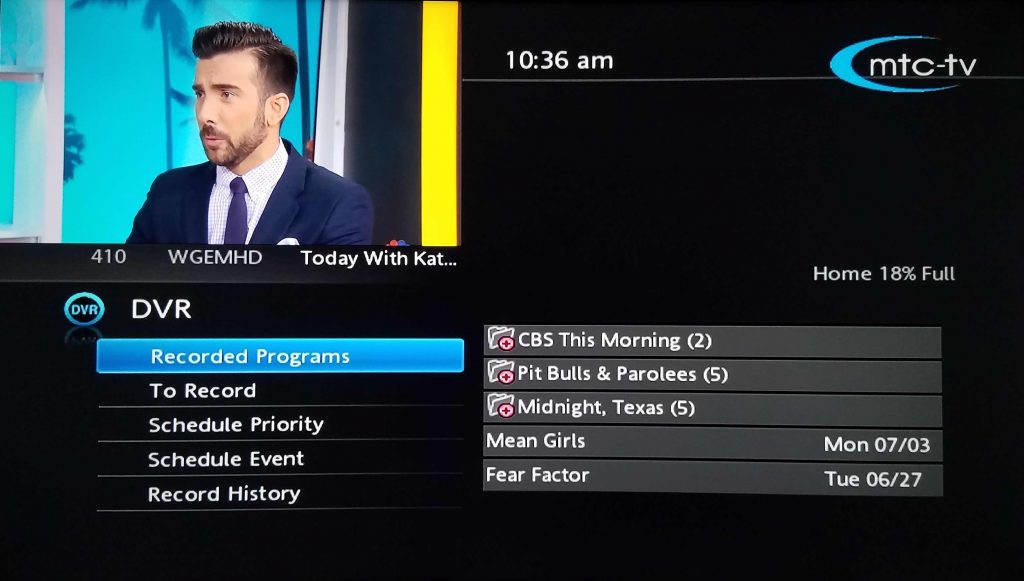
At its core, TV on Demand signifies a departure from linear broadcasting. Instead of content being pushed out at predetermined intervals, it is pulled by the consumer whenever they desire. This transformative model is not a single technology but rather an ecosystem comprising various delivery mechanisms, business models, and content strategies that have fundamentally reshaped how we interact with media. From its nascent forms in pay-per-view services to the sophisticated, AI-driven streaming platforms we know today, VOD has steadily evolved, integrating complex technological infrastructures, redefining brand strategies, and creating entirely new avenues for financial models and content monetization. Understanding what TV on Demand truly means requires delving into its technological underpinnings, its economic and branding implications, and its profound impact on both consumers and the broader media industry.
The Technological Backbone of On-Demand Entertainment
The journey from traditional broadcast television to the seamless experience of on-demand viewing is a testament to relentless technological innovation. At its heart, TV on Demand is a triumph of digital technology, leveraging high-speed internet, advanced compression algorithms, and sophisticated delivery networks to bring an entire world of content directly to our fingertips.
From Broadcast to Broadband: A Paradigm Shift
The foundational difference between linear television and VOD lies in their delivery mechanisms. Traditional broadcasting relies on terrestrial, satellite, or cable signals transmitting content at a fixed schedule, regardless of whether anyone is actively watching a particular show. Viewers tune in to a live stream, and missing an episode often means waiting for a rerun or a physical release.
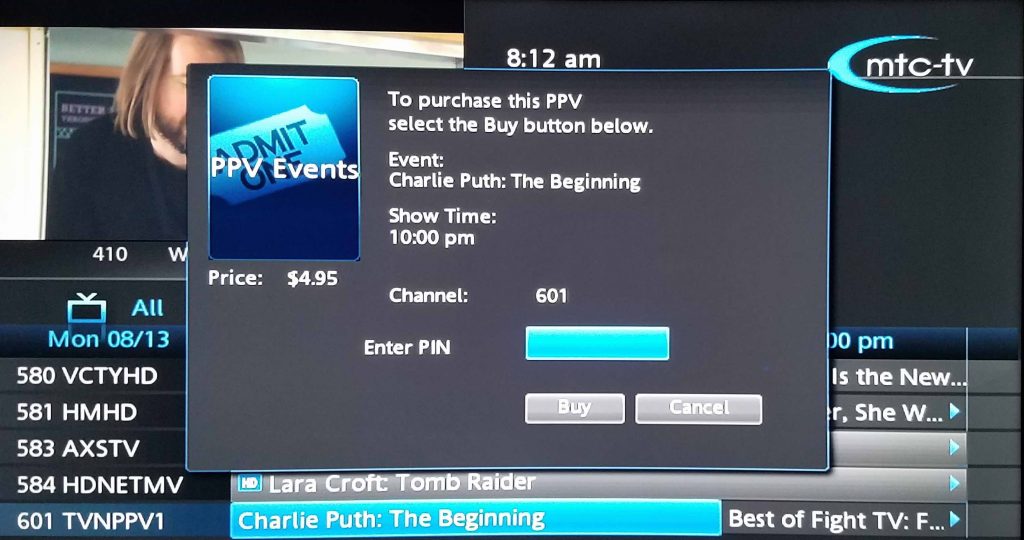
The advent of broadband internet connectivity was the catalyst for VOD’s widespread adoption. Broadband provided the necessary bandwidth to transmit large video files quickly and reliably. Early forms of on-demand content emerged in the late 20th and early 21st centuries, primarily through cable TV providers offering “pay-per-view” (PPV) movies or a limited library of shows accessible for a fee. These initial iterations were constrained by server capacity and rudimentary streaming technologies, often resulting in choppy playback or limited selection.
The true paradigm shift occurred with the maturation of streaming technology. Instead of downloading an entire file before watching, streaming allows content to be played in real-time as it downloads, buffering only a small portion ahead. This eliminated long waits and made instant access a reality, paving the way for the dedicated streaming services we recognize today. This evolution wasn’t just about faster internet; it was about reimagining content delivery from a push model to a dynamic, user-initiated pull model.
Core Technologies and Platforms
Behind every click, play, or binge-watching session lies a complex web of interconnected technologies working in harmony.
- Streaming Protocols: The backbone of modern VOD is robust streaming protocols. Technologies like HTTP Live Streaming (HLS) from Apple and MPEG-DASH (Dynamic Adaptive Streaming over HTTP) are crucial. These protocols segment video content into small chunks and deliver them over standard HTTP, dynamically adjusting the video quality based on the viewer’s internet speed and device capabilities. This ensures a smooth viewing experience, minimizing buffering even when bandwidth fluctuates.
- Content Delivery Networks (CDNs): To ensure low latency and high availability globally, VOD providers heavily rely on CDNs. CDNs are geographically distributed networks of servers that store copies of content closer to end-users. When a user requests a video, the CDN directs the request to the nearest server, drastically reducing the distance data has to travel and accelerating delivery. This global infrastructure is vital for serving billions of hours of video to audiences worldwide efficiently.
- Device Compatibility: A key strength of VOD is its ubiquitous accessibility. Content is no longer confined to a single television set. Smart TVs, smartphones, tablets, laptops, gaming consoles, and dedicated streaming sticks (like Roku, Apple TV, Amazon Fire Stick) all serve as platforms. This multi-device accessibility is enabled by robust app development, cross-platform optimization, and standardized video codecs, allowing for a consistent user experience across diverse hardware.
- User Interfaces and Recommendation Algorithms: The user experience (UX) is paramount. Intuitive interfaces allow users to browse vast libraries, search for specific titles, and manage their watchlists. More importantly, advanced AI tools and machine learning algorithms are at play behind the scenes. These algorithms analyze viewing history, preferences, and interactions to generate highly personalized content recommendations. This intelligent curation helps users discover new content they might enjoy, increasing engagement and satisfaction.
- Digital Security and Rights Management: Protecting content from unauthorized access and piracy is a critical concern. Digital Rights Management (DRM) technologies are employed to encrypt content and control its usage, preventing illegal copying and distribution. Furthermore, robust digital security measures are essential for protecting user accounts, payment information, and personal data from cyber threats. Features like two-factor authentication, strong password policies, and end-to-end encryption are integral to maintaining trust and security in the VOD ecosystem.
The Business and Branding of Binge-Watching
Beyond the technological marvel, TV on Demand represents a profound shift in business models, marketing strategies, and brand identity within the entertainment industry. It has spawned new giants, challenged old paradigms, and fundamentally altered how value is created and captured from content.
Subscription Models and Revenue Streams
The economic success of TV on Demand is largely built upon innovative and diverse revenue models, moving away from the advertising-heavy, single-stream income of traditional television.
- SVOD (Subscription Video On Demand): This is perhaps the most recognizable model, exemplified by services like Netflix, Disney+, and Amazon Prime Video. Subscribers pay a recurring fee (monthly or annually) for unlimited access to a library of content. This model provides stable, predictable revenue for platforms, allowing them to invest heavily in original content production. The “streaming wars” are largely a battle for SVOD subscribers, focusing on acquiring and retaining users through exclusive and high-quality content.
- AVOD (Advertising Video On Demand): Services like Tubi, Peacock (free tier), and Pluto TV offer content free of charge, supported by advertisements embedded within the programming. This model democratizes access to VOD for those unwilling or unable to pay subscription fees, while still generating revenue through ad impressions. It allows advertisers to reach targeted audiences based on viewing habits and demographics, leveraging data analytics.
- TVOD (Transactional Video On Demand): This model allows users to pay for content on a per-transaction basis, either by renting for a limited period (e.g., 48 hours) or purchasing for permanent access. Platforms like Apple TV (iTunes Store), Google Play Movies & TV, and Amazon Prime Video often offer new movie releases via TVOD before or alongside their physical or SVOD availability. This provides an immediate revenue stream for new content and caters to specific user demands for individual titles.
- Hybrid Models: Many platforms now employ hybrid strategies, offering free ad-supported tiers alongside premium ad-free subscription options, or integrating TVOD purchases within an SVOD service. This flexibility allows platforms to cater to a broader range of consumer preferences and maximize revenue potential.
The financial implications of these models are immense. They have shifted investment from linear programming to vast digital libraries, leading to massive capital expenditure on content production and acquisition. Traditional broadcasters have had to adapt, launching their own VOD services or licensing content to competitors, navigating complex business finance landscapes.
Building and Maintaining Brand Identity in a Crowded Market
In a landscape saturated with content, a strong brand identity is crucial for VOD services to differentiate themselves, attract subscribers, and foster loyalty.
- Content Strategy as a Brand Differentiator: The primary way VOD services build their brand is through their content. Netflix is synonymous with a vast library and early adoption of binge-watching. Disney+ is defined by its family-friendly content and iconic franchises. HBO Max (now Max) is known for prestige dramas. Developing original content and securing exclusive licenses are not just content plays; they are fundamental brand strategy decisions that shape public perception and attract specific demographics.
- User Experience (UX) as a Brand Touchpoint: The ease of navigation, the quality of recommendations, and the reliability of streaming all contribute to the overall user experience, which is a direct reflection of the brand. A seamless, personalized, and stable experience reinforces positive brand associations, while technical glitches or poor design can quickly erode reputation.
- Marketing and Promotion: VOD platforms employ sophisticated marketing strategies, leveraging data analytics to identify target audiences and tailor promotional campaigns. Social media, influencer marketing, and traditional advertising are all used to build anticipation for new releases and highlight unique selling propositions. For instance, Netflix’s “Tudum” fan event is a global branding exercise to engage its community.
- Personal Branding for Creators: While primarily associated with platforms like YouTube, the VOD ecosystem also supports individual creators and niche content. Independent filmmakers, documentarians, and web series creators can find distribution and build personal brands on platforms that allow for submission or through partnerships. This provides new avenues for online income and side hustles for creative professionals.
- Corporate Identity and Reputation Management: Beyond content, the corporate identity of VOD giants like Netflix or Amazon Prime Video extends to their values, customer service, and even their public stance on social issues. Managing their reputation, especially in response to content controversies, service outages, or pricing changes, is vital for long-term brand health. This often involves strategic communication and proactive engagement with their subscriber base.
The Impact on Consumers and Content Creation
TV on Demand has not merely changed how we watch; it has profoundly altered what we watch, when we watch, and even who creates the content. Its impact reverberates across consumer habits, creative industries, and the very concept of entertainment as a passive experience.
Reshaping Viewing Habits and Productivity
The most immediate and apparent impact of VOD is the liberation of the viewer. The phrase “watch what you want, when you want” encapsulates the core promise of VOD.
- Freedom and Flexibility: No longer dictated by a fixed schedule, consumers gained unprecedented control. This flexibility allows integration of entertainment into busy lifestyles, facilitating viewing during commutes, late-night sessions, or shared family time. It also means viewers can pause, rewind, or re-watch content as often as desired.
- The Binge-Watching Phenomenon: Perhaps the most iconic cultural shift brought about by VOD is binge-watching. The release of entire seasons at once (or rapid episodic drops) transformed television from a weekly appointment to an immersive, multi-hour experience. This has altered storytelling, allowing for more complex narratives, character development, and cliffhangers that reward sustained engagement.
- Impact on Traditional TV and Advertising: VOD has significantly fragmented the traditional television audience, leading to declining live viewership for many broadcast channels. This, in turn, has pressured traditional broadcasters to adapt, invest in their own VOD offerings, and innovate their advertising strategies, moving towards more targeted digital ads rather than broad-stroke commercials.
- Personalization vs. Algorithmic Bubbles: While personalization through AI tools is a celebrated feature, it also raises questions about algorithmic bubbles. By constantly serving content similar to what users have already watched, VOD platforms can inadvertently limit exposure to diverse perspectives or genres, potentially narrowing cultural horizons.
- Productivity Implications: The ease of access and the immersive nature of VOD can have varied impacts on productivity. For some, it offers a relaxing escape and a way to de-stress, potentially boosting overall well-being. For others, it can lead to excessive consumption, impacting sleep, work, or social activities, requiring conscious time management and digital well-being strategies. Conversely, VOD platforms can also be tools for learning, offering documentaries, educational series, and skill-based tutorials, making them productive resources.
Empowering Content Creators and New Monetization Avenues
VOD has democratized content creation and distribution, lowering barriers to entry and fostering a vibrant ecosystem of new talent and diverse voices.
- Lower Barriers to Entry: Traditional media production and distribution were capital-intensive and gatekept. VOD platforms, especially those with user-generated content (UGC) capabilities, allow independent creators with modest budgets to produce and distribute their work to a global audience. This has led to an explosion of diverse content, from short films to web series.
- Rise of User-Generated Content (UGC) Platforms: While not purely VOD in the traditional sense, platforms like YouTube and Twitch, which host vast libraries of user-uploaded videos and stream recorded live sessions, embody the on-demand principle for independent creators. They allow creators to build communities, develop unique content, and monetize their work.
- Online Income Opportunities: VOD provides numerous avenues for online income. Creators on UGC platforms can earn through ad revenue sharing, direct viewer support (e.g., Patreon, YouTube Super Chat), brand sponsorships, and merchandise sales. Filmmakers can license their independent productions to larger VOD services or self-distribute via transactional models. This has fueled a new economy of creative side hustles, where individuals can turn passions into profitable ventures.
- Evolution of Production Studios and Talent Acquisition: The demand for fresh, original content has led to a boom in production, with VOD giants becoming major studios themselves. This has created massive opportunities for writers, directors, actors, and crew members. It has also changed talent acquisition, as platforms seek out unique voices and innovative storytelling approaches from around the globe.
- Side Hustles and Fan Communities: The VOD ecosystem has also spawned tangential side hustles. Content reviewers, podcasters analyzing shows, fan artists, and creators of companion content all contribute to the broader VOD experience and can monetize their efforts. These activities foster vibrant online communities around shared interests, further entrenching VOD in cultural discourse.
The Future Landscape of On-Demand Entertainment
The journey of TV on Demand is far from over. As technology continues to advance and consumer expectations evolve, the VOD landscape is poised for further innovation, presenting both exciting opportunities and complex challenges.
Innovations on the Horizon
The future of VOD promises an even more immersive, personalized, and interactive experience, driven by emerging technologies.
- Interactivity and Personalization: Expect more interactive storytelling, where viewers can make choices that affect the narrative (e.g., Netflix’s “Bandersnatch”). Hyper-personalization will go beyond recommendations, potentially allowing for custom content edits or tailored viewing experiences based on mood or preference, powered by advanced AI tools.
- Virtual Reality (VR) and Augmented Reality (AR) Integration: The line between watching and experiencing will blur. VR and AR technologies could offer fully immersive cinematic experiences, virtual viewing parties with friends, or AR overlays that provide contextual information about characters or settings.
- Enhanced Viewing Experiences: The relentless pursuit of higher fidelity will continue with 4K, 8K, and beyond, coupled with High Dynamic Range (HDR) and spatial audio technologies, delivering unparalleled visual and auditory immersion.
- Convergence of Gaming, Social Media, and Streaming: The boundaries between different forms of digital entertainment will dissolve further. Imagine integrated gaming experiences within a movie, live social commentary streams alongside VOD content, or even content creation tools built directly into streaming platforms.
- AI Tools for Content Creation and Optimization: AI will not just recommend content but also assist in its creation, from scriptwriting and animation to optimizing post-production workflows and even generating synthetic media. This could further democratize content creation and lead to an explosion of hyper-niche programming.
Navigating Challenges and Opportunities
While the future is bright, VOD platforms face significant challenges that will shape their evolution.
- Content Saturation and the “Streaming Wars”: The sheer volume of content and the multitude of services are leading to “subscription fatigue.” Consumers are increasingly selective, forcing platforms to continually invest in high-quality, exclusive content and innovative features to justify their price points.
- Subscription Churn: Retaining subscribers is a major challenge. Users often subscribe for specific shows and then cancel once they’ve watched them. Platforms must find ways to foster continuous engagement and demonstrate ongoing value.
- Data Privacy and Digital Security Concerns: As VOD platforms gather more data to personalize experiences, concerns about privacy and how that data is used will intensify. Robust digital security measures will be paramount to prevent breaches and maintain user trust.
- Global Expansion and Localization Challenges: Expanding into new markets requires careful consideration of cultural nuances, local content preferences, regulatory environments, and infrastructure limitations. Successful global VOD requires more than just translating content; it demands deep localization and a nuanced understanding of diverse audiences.
- Sustainable Business Models: With increasing production costs and fierce competition, developing sustainable business models that balance growth, profitability, and customer satisfaction will be crucial. This might involve further experimentation with hybrid models, tiered pricing, and innovative partnerships.
In conclusion, TV on Demand is far more than just a convenient way to watch shows; it is a monumental technological achievement that has democratized entertainment, revolutionized business strategies, and fundamentally reshaped our relationship with media. From its humble beginnings to its current status as a global phenomenon, VOD stands as a testament to human ingenuity, continuously pushing the boundaries of what’s possible in digital entertainment. Its ongoing evolution promises an even more exciting and personalized future, blending cutting-edge technology, savvy brand strategy, and innovative financial models to keep us all engaged, entertained, and perpetually on demand.
aViewFromTheCave is a participant in the Amazon Services LLC Associates Program, an affiliate advertising program designed to provide a means for sites to earn advertising fees by advertising and linking to Amazon.com. Amazon, the Amazon logo, AmazonSupply, and the AmazonSupply logo are trademarks of Amazon.com, Inc. or its affiliates. As an Amazon Associate we earn affiliate commissions from qualifying purchases.