
In the intricate symphony of a modern internal combustion engine, where thousands of components work in precise harmony, some unsung heroes tirelessly perform their duties, often without a driver’s awareness. Among these vital yet inconspicuous components is the knock sensor – a small, sophisticated device that plays an outsized role in your vehicle’s performance, efficiency, and longevity. Far from a mere accessory, the knock sensor is a critical guardian, constantly listening to the engine’s heartbeat to prevent potentially catastrophic damage. It’s a prime example of how advanced technology, often hidden beneath the hood, contributes to the reliability and sophistication of our everyday machines. This sensor embodies the essence of “Tech” – applying precise engineering to solve complex problems, optimize performance, and ensure digital security, in this case, the security of your engine’s internal health.
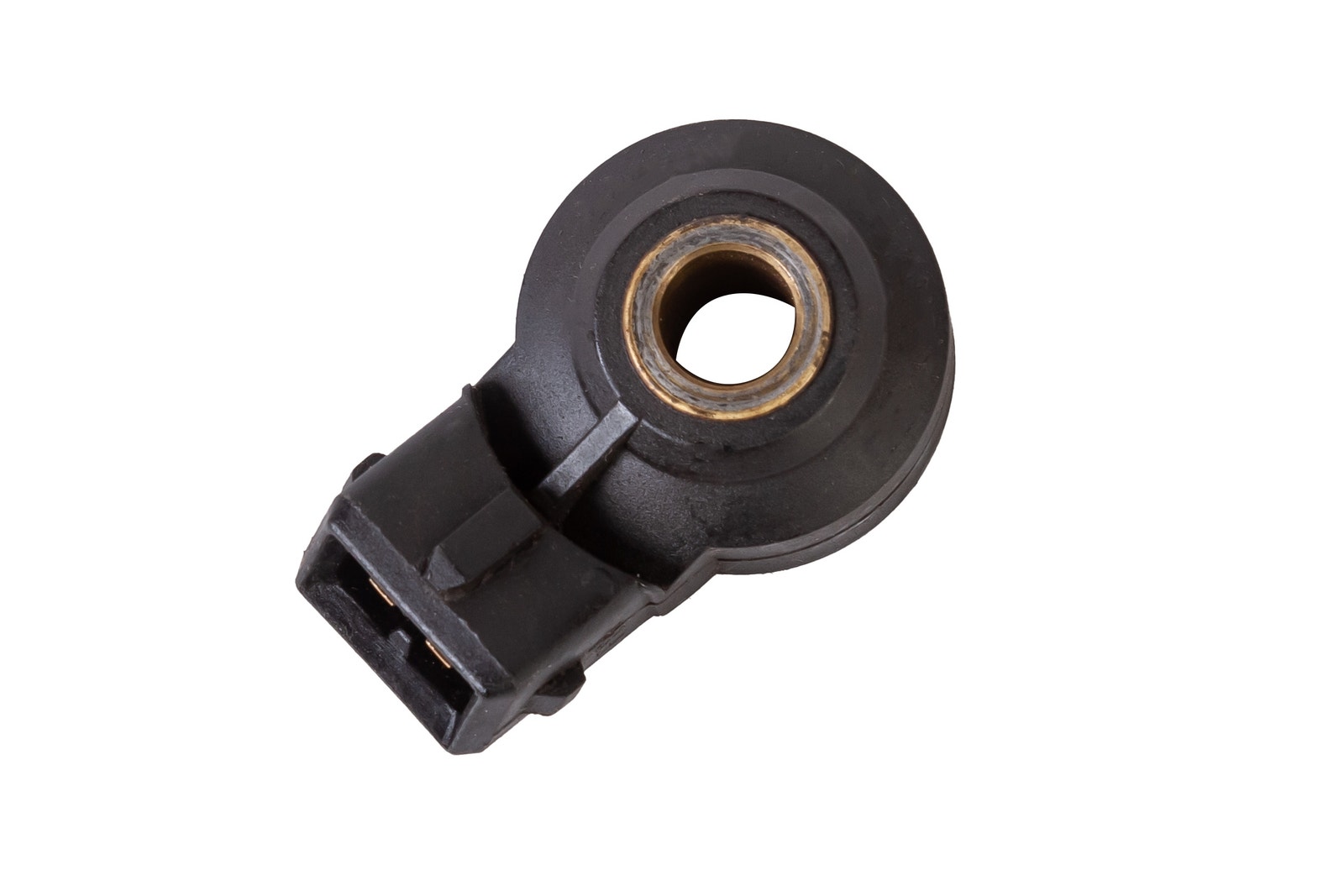
The Silent Guardian: How the Knock Sensor Protects Your Engine
At its core, the knock sensor is a marvel of miniaturized engineering, designed to detect a destructive phenomenon known as “engine knock” or “detonation.” Understanding this process is key to appreciating the sensor’s indispensable role.
Understanding Engine Knock (Detonation)
Engine knock is an abnormal combustion event that occurs within the cylinders of an internal combustion engine. In an ideal scenario, the air-fuel mixture in a cylinder is ignited by the spark plug, and a controlled flame front propagates smoothly across the combustion chamber. However, under certain conditions, parts of the air-fuel mixture, away from the spark plug, can spontaneously ignite before the flame front reaches them. This creates multiple pressure waves that collide, producing a characteristic metallic “pinging” or “knocking” sound.
The causes of engine knock are varied and often interconnected:
- Low Octane Fuel: Octane is a measure of a fuel’s resistance to auto-ignition. Using a lower octane fuel than recommended by the manufacturer makes the engine more susceptible to knocking.
- Advanced Ignition Timing: If the spark plug fires too early, the mixture can ignite prematurely, leading to knock.
- High Temperatures: Overheating the engine or excessively high intake air temperatures can increase the likelihood of detonation.
- Carbon Buildup: Deposits on piston tops and cylinder heads can create hot spots, acting like glow plugs, and also increase the compression ratio, both promoting knock.
- Excessive Compression: Engines designed with very high compression ratios are inherently more prone to knock, requiring higher octane fuels.
The danger of engine knock cannot be overstated. The colliding pressure waves create extreme localized temperatures and pressures that can severely damage internal engine components. This includes pitting or melting piston tops, bending connecting rods, damaging valves, and even cracking cylinder heads. Over time, persistent knocking can lead to catastrophic engine failure, translating into thousands of dollars in repair costs – a significant hit to personal finance and an unfortunate lesson in the importance of vehicle maintenance.
The Piezoelectric Principle: Listening to the Engine’s Vibrations
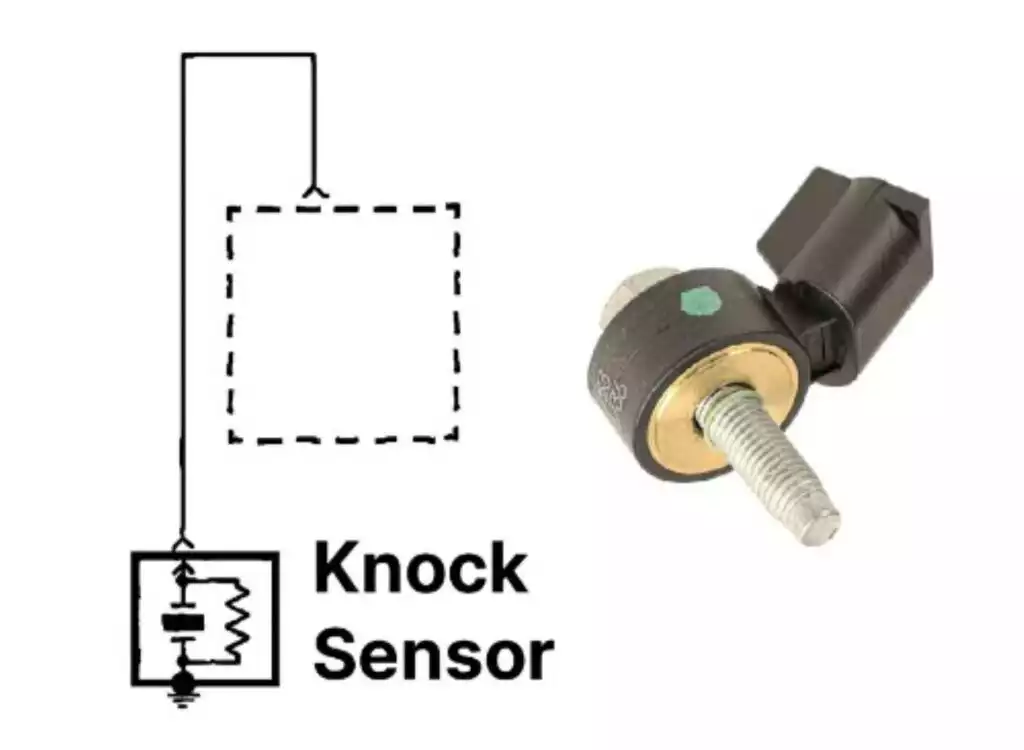
So, how does the knock sensor detect this subtle yet destructive phenomenon? Most knock sensors operate on the piezoelectric principle. A piezoelectric material (often a ceramic) generates an electrical charge when subjected to mechanical stress or vibration. Conversely, it deforms when an electrical voltage is applied.
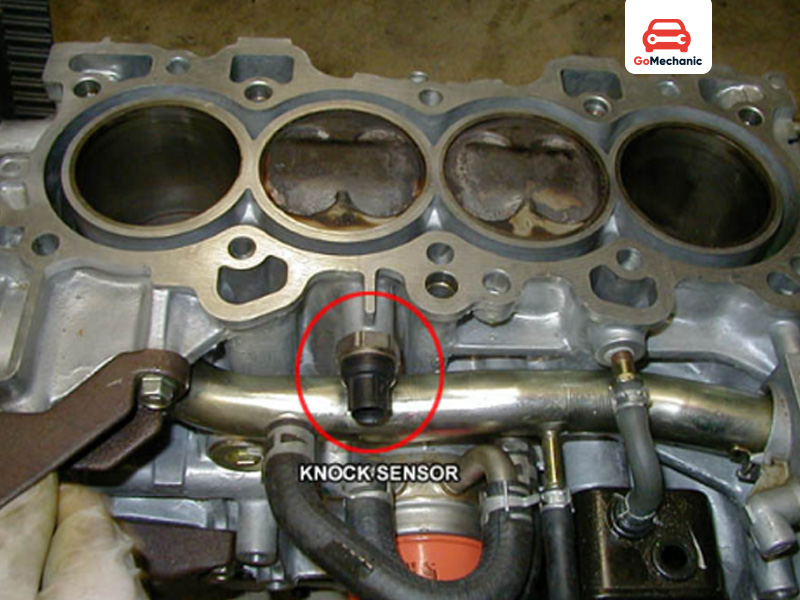
The knock sensor is strategically mounted directly onto the engine block, typically in a location where it can best “hear” the engine’s internal vibrations. When engine knock occurs, it generates specific high-frequency vibrations that are distinct from the normal operational noises of the engine (like valve clatter or piston slap). The piezoelectric element within the sensor converts these mechanical vibrations into tiny electrical voltage signals. The frequency and amplitude of these signals correspond to the intensity and nature of the engine’s internal sounds. This ingenious design allows the sensor to act as the engine’s auditory system, a critical piece of diagnostic “gadgetry” within the vehicle’s broader technological ecosystem.
The ECU’s Role: Interpretation and Corrective Action
The raw electrical signals generated by the knock sensor are not directly useful to the driver; their true power lies in their interpretation by the vehicle’s central processing unit: the Engine Control Unit (ECU), sometimes referred to as the Powertrain Control Module (PCM). The ECU is the brain of the modern engine, a powerful computer running sophisticated software and algorithms.
When the knock sensor sends its vibrational data, the ECU constantly monitors and analyzes these signals. It employs advanced signal processing techniques to differentiate between the normal, harmless mechanical noises of the engine and the specific, harmful frequencies associated with detonation. The ECU compares the sensor’s input against predefined parameters and maps stored in its memory, which include optimal ignition timing settings for various engine speeds, loads, and temperatures.
If the ECU detects the signature of engine knock, it immediately takes corrective action to prevent damage. The primary response is to retard the ignition timing. This means delaying the spark plug’s firing slightly, which gives the fuel more time to burn before the piston reaches its peak compression, thereby reducing the likelihood of uncontrolled auto-ignition. The ECU can retard timing for individual cylinders or across the entire engine, depending on the system’s sophistication and the source of the knock. In some cases, the ECU might also adjust fuel delivery or boost pressure (in turbocharged engines) to further mitigate the knocking condition.
This rapid, iterative process of sensing, analyzing, and adjusting occurs thousands of times per second. Once the ECU no longer detects knock, it gradually advances the ignition timing back to its optimal setting, seeking the sweet spot between maximum performance and engine protection. This continuous, real-time feedback loop is a testament to the integrated “Tech” in modern vehicles, ensuring both safety and efficiency without driver intervention.
Beyond Protection: Impact on Performance, Efficiency, and Longevity
While its primary role is to prevent engine damage, the knock sensor’s influence extends far beyond mere protection, directly contributing to a vehicle’s overall performance, fuel economy, and operational lifespan. This makes it a crucial component not just for technical integrity, but also for economic and environmental benefits.
Optimizing Performance and Fuel Economy
Without a knock sensor, engine manufacturers would have to design and calibrate engines very conservatively. They would set ignition timing to be permanently retarded, well below the point where knock might occur, just to be safe. While this would prevent damage, it would severely compromise engine power output and fuel efficiency.
The knock sensor allows the ECU to operate a vehicle closer to the edge of optimal ignition timing. This means the engine can run with maximum spark advance possible for any given operating condition, extracting the most power and efficiency from every drop of fuel, without risking detonation. When you press the accelerator, the ECU can advance timing aggressively, knowing that the knock sensor will immediately signal if things go awry, allowing it to pull back just enough to prevent damage.
This dynamic optimization leads to tangible benefits:
- Increased Horsepower and Torque: By running closer to optimal timing, the engine generates more power.
- Improved Fuel Economy: Efficient combustion means less wasted energy, translating into more miles per gallon. This directly impacts “Personal Finance” by reducing fuel costs over the vehicle’s lifetime.
- Adaptive Performance: The system constantly adapts to varying fuel quality, ambient temperatures, and even driver behavior, ensuring consistent performance.
This seamless integration of sensor data and ECU control showcases “Technology Trends” in automotive design, emphasizing adaptive and intelligent systems that enhance the user experience.
Extending Engine Lifespan and Reducing Emissions
The knock sensor’s ability to prevent destructive detonation is paramount to the long-term health of an engine. By mitigating the forces that cause component wear and failure, it directly contributes to:
- Extended Engine Lifespan: Protecting pistons, valves, and connecting rods from damage dramatically prolongs the engine’s operational life, saving owners from costly major overhauls or engine replacements. This is a clear financial benefit, making the vehicle a better “investment.”
- Reduced Maintenance Costs: Fewer instances of engine damage mean fewer trips to the mechanic for major repairs, impacting a vehicle owner’s “Money” management positively.
- Lower Emissions: An engine running efficiently with optimal combustion timing also produces fewer harmful pollutants. Incomplete or abnormal combustion associated with knock can lead to higher emissions of hydrocarbons, carbon monoxide, and nitrogen oxides. By preventing knock and ensuring efficient combustion, the knock sensor indirectly contributes to cleaner air and helps vehicles meet stringent environmental standards. This reflects a broader societal benefit driven by “Technology” in engineering design.
Troubleshooting, Maintenance, and Advanced Sensor Technologies
Like any electronic component, a knock sensor can fail. Recognizing the symptoms, understanding basic diagnostics, and appreciating the evolution of this technology are essential for vehicle owners and enthusiasts alike. This section delves into the practical “Tech” aspects of the knock sensor.
Common Symptoms of a Failing Knock Sensor
A malfunctioning knock sensor can leave your engine vulnerable to damage and significantly impair its performance. Common indicators include:
- Check Engine Light (CEL): This is often the first and most obvious sign. The ECU will detect an electrical fault with the sensor or an inability to control knock effectively, triggering a diagnostic trouble code (DTC).
- Reduced Power and Acceleration: With a faulty knock sensor, the ECU might revert to a “safe mode” or a conservative timing map to protect the engine, significantly retarding timing and reducing power.
- Poor Fuel Economy: In conservative mode, the engine runs less efficiently, leading to increased fuel consumption.
- Rough Idling or Hesitation: Inconsistent timing or fuel delivery due to a lack of proper knock feedback can cause the engine to run roughly, especially at idle, or hesitate during acceleration.
- Audible Knocking/Pinging Sounds: If the sensor has failed and the ECU can no longer compensate, you might actually start to hear the metallic knocking sound from the engine, indicating active detonation. This is a serious warning sign that requires immediate attention.
Diagnosing and Replacing a Knock Sensor
Diagnosing a faulty knock sensor typically starts with scanning the vehicle’s On-Board Diagnostics II (OBD-II) system for trouble codes. Common codes related to the knock sensor include P0325 (Knock Sensor 1 Circuit Malfunction) or P0330 (Knock Sensor 2 Circuit Malfunction), among others. A professional mechanic will use a scan tool to check the sensor’s live data stream, looking for abnormal voltage readings or no signal at all. They might also use an oscilloscope to check the waveform output, comparing it to specifications.
Replacing a knock sensor can range from a relatively straightforward DIY task to a complex job requiring extensive engine disassembly, depending on its location. Some sensors are easily accessible on the side of the engine block, while others are located deep within the engine valley, sometimes requiring the removal of the intake manifold. Due to the critical nature of this component and the potential for expensive damage, professional diagnosis and replacement are often recommended. Investing in professional repair ensures the job is done correctly, safeguarding your vehicle’s engine and preserving its resale value – a smart move in “Personal Finance.”
The Evolution of Knock Sensing: From Simple to Sophisticated
Knock sensing technology has evolved significantly since its introduction. Early systems used a single broadband sensor that detected vibrations across a wide frequency range. Modern systems, however, are far more sophisticated:
- Multiple Sensors: Many engines now feature multiple knock sensors, sometimes one per cylinder bank, or even one per cylinder, allowing for more precise, individual cylinder-specific knock detection and timing adjustments.
- Narrowband Filtering: Advanced ECUs employ sophisticated digital signal processing to filter out normal engine noise and isolate the specific frequencies associated with knock, improving accuracy.
- Integration with Other Systems: Knock sensor data is tightly integrated with other engine management systems, such as variable valve timing (VVT), direct injection, and turbocharger boost control, to create a highly optimized and responsive engine.
- Acoustic Sensing: Beyond piezoelectric, researchers explore other methods, though piezoelectric remains dominant.
This continuous refinement highlights “Technology Trends” in automotive engineering, emphasizing greater precision, real-time adaptability, and seamless integration of various subsystems to achieve optimal performance and durability.
The Economic and Branding Implications of Engine Health
The knock sensor, while a purely technical component, has tangible ripple effects on both the financial well-being of vehicle owners and the market perception of automotive brands. Its reliable operation underpins significant “Money” and “Brand” considerations.
Financial Returns of Proactive Vehicle Maintenance
For the average consumer, a car represents a significant financial investment, often second only to a home. The knock sensor plays a pivotal role in protecting that investment.
- Preventing Catastrophic Costs: As discussed, engine knock can lead to tens of thousands of dollars in repair or replacement costs. A functioning knock sensor effectively prevents these “black swan” financial events, making it an indispensable part of a sound personal finance strategy for vehicle ownership.
- Optimizing Operating Expenses: By ensuring optimal fuel efficiency and prolonging engine life, the knock sensor directly contributes to lower long-term operating costs. This is an example of “Investing” in preventative maintenance yielding significant returns. Over a car’s lifespan, the cumulative savings in fuel and avoided repairs can be substantial, akin to managing an “Online Income” stream by minimizing outgoings.
- Preserving Resale Value: A well-maintained engine that has never suffered from chronic knock will command a higher resale value. Prospective buyers look for reliability and a clean service history, both of which are supported by a healthy engine management system. This aligns with asset management principles, where maintaining an asset’s condition maximizes its future worth.
- Reducing Downtime: A vehicle that is constantly breaking down due to engine issues isn’t just expensive; it’s also inconvenient, potentially impacting one’s ability to commute, work, or engage in “Side Hustles” that depend on reliable transportation.
Brand Reputation and Consumer Trust in Automotive Manufacturing
For automotive manufacturers, the reliability and performance of their engines are paramount to their “Brand Strategy” and “Corporate Identity.” The knock sensor, as a key enabler of engine health, directly contributes to these aspects.
- Reputation for Reliability: Brands known for producing durable, long-lasting engines often have sophisticated engine management systems that effectively prevent issues like knock. This builds consumer trust and fosters a positive “Reputation” in the marketplace. Conversely, brands plagued by engine reliability issues see their reputation suffer, impacting sales and customer loyalty.
- Performance and Innovation Marketing: Manufacturers can highlight their advanced engine technologies, including their precise knock detection and control systems, as a competitive advantage in their “Marketing” campaigns. This positions them as innovators who prioritize both performance and engine longevity.
- Case Studies in Engineering Excellence: Vehicles that consistently deliver high performance and durability over hundreds of thousands of miles effectively become “Case Studies” in engineering excellence, showcasing the robustness of their underlying technologies, including the knock sensor.
- Impact on Reviews and Consumer Perception: Automotive reviews often focus on long-term reliability and cost of ownership. Engines that perform flawlessly thanks to robust systems like the knock sensor receive positive reviews, influencing purchasing decisions and strengthening the brand. A poorly performing or unreliable engine can quickly damage a brand’s image, regardless of other features. The knock sensor, therefore, plays an indirect but critical role in shaping market perception and maintaining customer confidence.
The Future of Engine Management: AI and IoT Integration
As automotive technology continues its rapid evolution, the role of the knock sensor and its integration with broader systems is set to become even more sophisticated. The future promises greater intelligence and connectivity, firmly aligning with cutting-edge “Technology Trends” and “AI Tools.”
Predictive Maintenance and AI-Driven Diagnostics
The current knock sensor system is reactive: it detects knock and then corrects it. The future, however, is moving towards predictive maintenance.
- AI for Early Warning: Imagine knock sensors feeding data into AI algorithms that can analyze subtle shifts in vibration patterns over time, long before a hard knock occurs or a sensor fails. These AI tools could predict potential issues like carbon buildup, deteriorating fuel quality, or an impending sensor failure before they become critical.
- IoT for Real-time Monitoring: Through the Internet of Things (IoT), vehicles will be able to stream this sensor data in real-time to manufacturer diagnostic centers or even directly to the owner’s smartphone app. This would enable remote diagnostics, proactive service scheduling, and personalized maintenance recommendations. Such systems enhance “Digital Security” by ensuring continuous, optimized operation and protection against unexpected failures.
- Self-Healing Systems: In the long term, AI could enable engines to “self-heal” or adapt more radically. For instance, an AI could adjust not just timing, but also fuel pressure, turbocharger geometry, or even variable valve lift to counteract nascent knock conditions, moving beyond current capabilities.
Enhanced Engine Control for Hybrid and Autonomous Vehicles
Even with the rise of electric vehicles, the internal combustion engine will remain a significant part of the automotive landscape, especially in hybrid configurations.
- Optimized Hybrid Performance: In hybrid vehicles, the internal combustion engine often operates under intermittent and highly varied loads. The knock sensor will be crucial for seamlessly optimizing its performance and efficiency during these transitions, ensuring smooth power delivery and maximizing fuel economy when the engine is active.
- Autonomous Vehicle Reliability: As vehicles become more autonomous, the expectation of flawless, self-managing operation will increase. Components like the knock sensor, which contribute to engine reliability and longevity, will be even more critical. Drivers (or occupants) will expect their autonomous vehicles to manage their own health, schedule maintenance, and preemptively address issues, all driven by sophisticated sensor arrays and AI. This contributes to the overall “Gadgets” aspect of advanced car tech, where the car itself is a highly intelligent, self-aware device.
- Fuel Agnostic Engines: Research into engines that can run on various fuel types (e.g., flex-fuel, hydrogen blends) will rely heavily on advanced knock sensing to adapt combustion parameters in real-time to the specific fuel being used, ensuring both performance and protection.
Conclusion
The knock sensor, often unseen and unheard by the average driver, is a technological linchpin in the modern internal combustion engine. From its ingenious piezoelectric mechanism to its symbiotic relationship with the Engine Control Unit, it tirelessly works to safeguard against engine damage, optimize performance, and enhance fuel efficiency. Its role extends beyond mere mechanics, impacting the financial health of vehicle owners by preventing costly repairs and extending vehicle lifespan, while simultaneously bolstering the brand reputation of automotive manufacturers.
As we look to the future, the knock sensor stands ready to integrate with emerging technologies like AI and IoT, ushering in an era of predictive maintenance and even more sophisticated engine management. It exemplifies how specialized “Tech” components, continuously refined, underpin the safety, efficiency, and intelligence of the vehicles that drive our world, proving that sometimes, the most critical innovations are those that work silently in the background, ensuring smooth sailing mile after mile.
aViewFromTheCave is a participant in the Amazon Services LLC Associates Program, an affiliate advertising program designed to provide a means for sites to earn advertising fees by advertising and linking to Amazon.com. Amazon, the Amazon logo, AmazonSupply, and the AmazonSupply logo are trademarks of Amazon.com, Inc. or its affiliates. As an Amazon Associate we earn affiliate commissions from qualifying purchases.