
From the ground, a water tower often stands as a monolithic sentinel, a familiar landmark silhouetted against the sky. Its external appearance – sometimes adorned with a town’s name, logo, or a whimsical design – is a common sight. Yet, few ever get to glimpse the hidden world within these colossal structures. Beyond the steel or concrete shell lies a complex, often immense, cavern dedicated to one of humanity’s most vital resources: water. Understanding what goes on inside a water tower is not merely a matter of curiosity; it’s a deep dive into engineering, public health, and increasingly, the cutting edge of technology, brand stewardship, and financial foresight that ensures our communities thrive.

At its core, a water tower functions on a remarkably simple principle: gravity. Elevated storage tanks use the force of gravity to maintain constant water pressure throughout a distribution system, ensuring that water flows reliably from taps and fire hydrants. Without them, pumps would need to run continuously, consuming vast amounts of energy and providing inconsistent pressure. But the “look” of the inside is far more intricate than just a big tank of water. It’s a carefully engineered environment, meticulously maintained to safeguard water quality and structural integrity, now increasingly infused with intelligent systems that redefine its operation.
Beyond the Steel: A Glimpse into the Water Tower’s Inner Sanctum
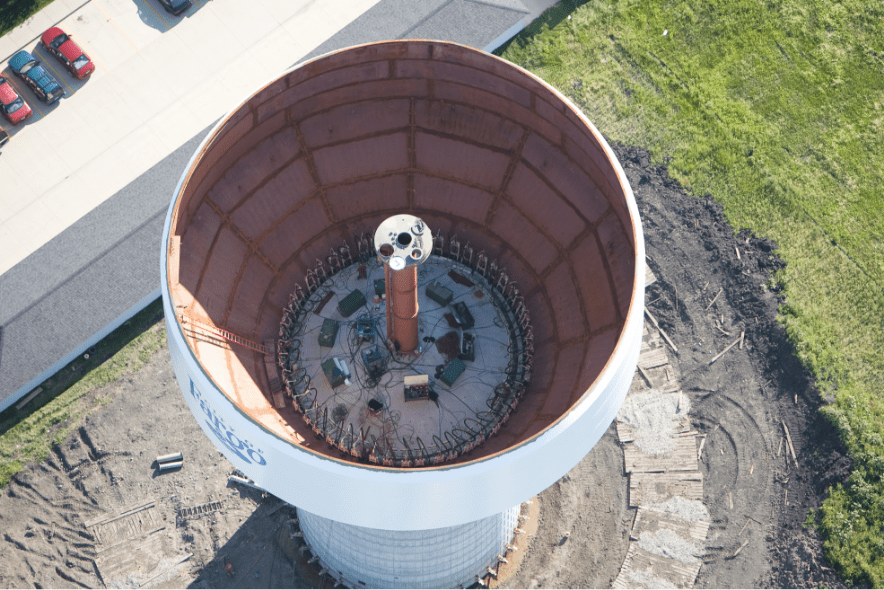
Stepping inside a water tower is an experience typically reserved for specialized maintenance crews and inspectors. The immediate impression is one of vastness and an echoing silence, punctuated only by the subtle gurgle of water or the hum of integrated systems. The conditions can range from damp and cool to surprisingly dry, depending on whether the tank is full, emptying, or undergoing maintenance.
The Anatomy of Water Storage: Materials and Structure
The primary purpose of a water tower’s interior is containment. This means the internal surfaces are designed for durability, hygiene, and resistance to corrosion and biological growth.
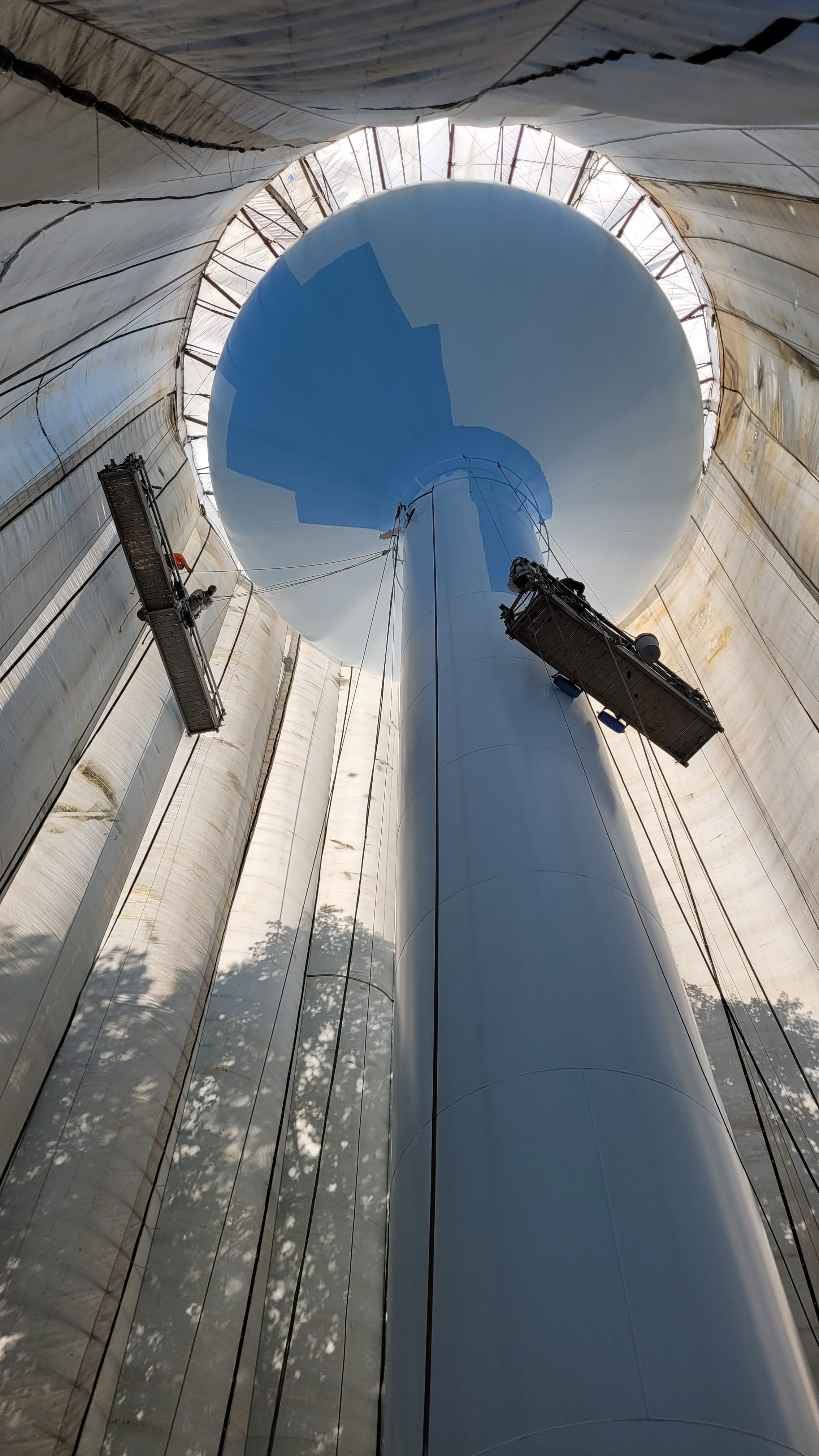
- Walls and Floor: Most modern water towers, particularly those made of steel, are coated on the inside with specialized linings. These linings are crucial for several reasons. Firstly, they act as a barrier, preventing direct contact between the water and the steel, thus inhibiting rust and corrosion – a major threat to structural integrity and water quality. These coatings are typically epoxy or polyurethane-based, food-grade, and certified for potable water use. They are smooth, non-toxic, and designed to be easily cleaned. Concrete towers also feature specialized internal coatings or linings to prevent leakage and maintain water quality. The sheer scale of these internal surfaces means that applying and maintaining these coatings is a significant engineering task.
- Pipes and Valves: Connecting to the main water supply and distribution network, a complex array of pipes penetrates the tank’s floor or side. These include inlet pipes (bringing water into the tank from treatment plants or wells), outlet pipes (distributing water to homes and businesses), and sometimes overflow pipes (to prevent overfilling). These pipes are equipped with large valves, often automated, to control water flow. Inside, you might see large, robust pipes, often several feet in diameter, extending downwards or across the tank.
- Access and Safety Features: For maintenance and inspection, access is paramount. Ladders, often made of galvanized steel or aluminum, extend from the access hatch at the top or side down to the floor of the tank. These ladders are robust, sometimes caged for safety, and comply with strict occupational safety regulations for confined spaces. There might also be internal platforms or walkways, especially in larger tanks, to facilitate inspection of upper sections or internal bracing. Vents are also present, allowing air to enter and exit as water levels fluctuate, preventing a vacuum or excessive pressure build-up, while also being screened to prevent pests and debris from entering.
The Silent Guardian: What Resides Within
Beyond the physical structure, the “inside” of a water tower is fundamentally defined by the clean water it holds. When full, the vast space is entirely submerged, a silent reservoir ensuring constant pressure. When empty for maintenance, the true scale of its interior becomes apparent – a hollow, often echoing chamber that smells faintly of industrial coatings or damp concrete. The atmosphere can be disorienting, with the only light coming from external access points or temporary lighting brought in by crews. This environment, while sterile and functional, is a testament to the unseen infrastructure that underpins urban life.
The Technological Evolution of Water Infrastructure: Smart Towers and Digital Guardians
The seemingly static nature of a water tower belies a dramatic transformation happening within the water utility sector. The integration of advanced technology, a core tenet of modern infrastructure management, is rapidly redefining how water towers are monitored, maintained, and optimized. This shift directly ties into the “Tech” focus of our website, moving water management into an era of unprecedented efficiency and reliability.
Sensing the Flow: IoT, AI, and Real-time Monitoring
The modern water tower is no longer a dumb tank. It’s becoming a highly instrumented node in a smart water network, thanks to the Internet of Things (IoT) and Artificial Intelligence (AI).
- Advanced Sensors: Inside the tower, a network of sophisticated sensors now monitors critical parameters in real-time. These include:
- Water Level Sensors: Providing precise data on water volume, allowing utilities to optimize pumping schedules and predict demand fluctuations.
- Pressure Transducers: Monitoring output pressure to ensure consistent delivery across the network.
- Water Quality Sensors: Detecting parameters like pH, chlorine levels, turbidity, and even specific contaminants. These sensors are crucial for early warning systems, ensuring the water remains safe for consumption.
- Structural Health Monitors: Accelerometers, strain gauges, and corrosion sensors embedded within the tower’s structure or coatings can detect subtle shifts, fatigue, or early signs of material degradation, far before they become visible problems.
- IoT Connectivity: Data from these sensors is continuously transmitted via secure wireless networks (cellular, satellite, or dedicated IoT protocols) to a central control system. This real-time data flow transforms reactive maintenance into proactive asset management.
- AI and Machine Learning: The sheer volume of data generated by these sensors would be overwhelming without AI. AI algorithms analyze historical and real-time data to:
- Predict Demand: Optimizing pumping operations to reduce energy consumption.
- Detect Anomalies: Identifying unusual water level drops (potential leaks), sudden pressure changes, or water quality deviations that could indicate a problem requiring immediate attention.
- Predictive Maintenance: Forecasting when specific components (pumps, valves, coatings) might fail, allowing for scheduled maintenance before costly breakdowns occur. This extends asset lifespan and reduces operational downtime.
Maintaining Precision: Robotics, Drones, and Predictive Analytics
The confined and often submerged interior of a water tower presents significant challenges for inspection and maintenance. Here, robotics and advanced analytical tools are stepping in to enhance safety and efficiency.
- Autonomous Inspection Robotics: Specialized submersible robots and remotely operated vehicles (ROVs) equipped with high-resolution cameras, sonar, and even water quality probes can navigate the interior of a full water tower. They provide detailed visual inspections of coatings, welds, and structural elements without draining the tank, thereby minimizing disruption to water supply and reducing costly confined space entries for human workers.
- Drone Technology for External & Internal Access: While typically used externally, smaller, specialized drones are being developed for internal inspection of empty tanks, offering rapid visual assessments of high-up areas and hard-to-reach crevices, improving safety by reducing the need for human climbing.
- Digital Twins and AR/VR: Utilities are increasingly creating “digital twins” – virtual replicas of their water towers. These models, fed with real-time sensor data, allow engineers to simulate various scenarios, test maintenance strategies, and visualize potential issues in a safe, virtual environment. Augmented Reality (AR) tools can overlay digital information onto a live view of the tower’s interior during inspections, guiding technicians and highlighting critical data points. Virtual Reality (VR) is invaluable for training maintenance crews on confined space entry protocols and emergency procedures, offering immersive, risk-free simulations.
Digital Security: Protecting a Vital Resource
As water infrastructure becomes more digitized, the imperative for robust digital security intensifies. SCADA (Supervisory Control and Data Acquisition) systems, which control pumps, valves, and monitor sensors, are critical targets for cyber threats. Protecting these systems from malicious attacks – which could range from disrupting water supply to altering water quality parameters – is paramount. This involves multi-layered security protocols, continuous threat monitoring, regular penetration testing, and adherence to stringent cybersecurity standards for critical infrastructure. The integrity of the data transmitted from within the water tower, and the control over its operations, hinges on an unbreachable digital perimeter.
Building Trust, Sustaining Communities: The Brand and Economic Imperatives of Water Towers
Beyond their immediate function and technological sophistication, water towers embody significant “Brand” and “Money” dimensions. They are not just engineering marvels; they are symbols of municipal well-being, demanding substantial financial investment and careful economic stewardship.
The Unseen Brand Ambassador: Reputation and Public Trust
While the brand topics of our website often focus on corporate identity or personal branding, a water tower plays a subtle yet profound role in municipal branding and public perception.
- Symbol of Reliability: The consistent presence of a water tower signifies a reliable, safe water supply – a fundamental expectation of citizens. This reliability builds trust in local government and utility providers. A well-maintained water system, even if unseen, bolsters the community’s “brand” as a healthy, functional place to live and work.
- Community Identity: Many water towers become local landmarks, their exterior designs reflecting civic pride. While this is external, the knowledge that the interior is meticulously maintained contributes to the public’s positive association. Any failure in water quality or supply, even if quickly resolved, can severely damage this public trust, illustrating the fragility of this “brand” reputation.
- Transparency and Communication: In an age of increased public scrutiny, how a utility communicates about its water infrastructure, including its water towers, contributes to its brand. Explaining the technology, maintenance efforts, and investment in water quality builds confidence and fosters a positive perception of stewardship. This includes effective crisis communication should any water quality issues arise.
- Corporate Social Responsibility (CSR): For utilities, ensuring sustainable water management practices, investing in eco-friendly technologies, and promoting water conservation are critical aspects of their brand. The efficient operation of a water tower, enhanced by smart technologies, directly supports these CSR objectives by reducing energy consumption and water waste.
The Economic Lifeline: Investment, Efficiency, and Future-Proofing
The construction, operation, and maintenance of water towers represent significant financial commitments, directly aligning with the “Money” focus of our website.
- Capital Investment: Building a single water tower can cost millions of dollars, depending on its size, materials, and location. This requires substantial upfront capital, often sourced through municipal bonds, grants, or public utility budgets. These are long-term investments, expected to last for decades.
- Operational Costs and ROI: Beyond construction, there are ongoing operational costs: energy for pumping water into the tower, maintenance of internal coatings and mechanical systems, and the salaries of skilled personnel. The integration of technology, particularly IoT and AI, offers a compelling return on investment (ROI). Predictive maintenance reduces emergency repairs, extends asset life, and minimizes costly service disruptions. Optimized pumping schedules, driven by AI, can lead to substantial energy savings, reducing the utility’s operating expenses and ultimately, costs for consumers.
- Risk Management: The financial implications of infrastructure failure or water contamination are immense. A failing water tower can lead to millions in repair costs, potential lawsuits, and severe economic disruption to a community. Investing in advanced monitoring and maintenance technologies is a form of financial risk mitigation, protecting against catastrophic failures and ensuring continuity of service.
- Economic Impact: A reliable water supply is a cornerstone of economic development. Industries, businesses, and households all depend on it. Water towers, as critical components of this supply, therefore play an indirect but vital role in a region’s economic stability and growth. Financial planning for water infrastructure ensures that communities can continue to attract investment and support their populations.
- Financing the Future: As climate change and population growth strain water resources, financing future-proof water infrastructure becomes paramount. This involves exploring innovative funding models, leveraging public-private partnerships, and securing smart investments that prioritize resilience, efficiency, and sustainability. For individuals, this translates to understanding water tariffs and supporting local infrastructure bonds, directly linking personal finance to the collective investment in essential services.
The Human Element: Safety, Expertise, and the Future of Water Management
Ultimately, the complex world inside and around a water tower requires human expertise, diligent safety practices, and a forward-thinking approach to stewardship.
Navigating the Confined Space: Safety Protocols and Training
Working inside a water tower is a high-risk activity due to the confined space, potential for hazardous atmospheres (e.g., oxygen deficiency), fall hazards, and the need for specialized equipment. Strict safety protocols are mandatory, including:
- Permit-Required Confined Space Entry: This involves extensive planning, atmospheric monitoring, ventilation, and a standby rescue team.
- Specialized Training: Crews undergo rigorous training in confined space rescue, industrial hygiene, and working at heights.
- Personal Protective Equipment (PPE): Respirators, harnesses, specialized lighting, and communication devices are standard.
These human safety considerations are directly impacted by technological advancements, with remote inspections and robotic interventions aiming to reduce human exposure to these hazardous environments.
The Future of Water Stewardship: A Holistic Approach
The interior of a water tower, once a simple container, has become a microcosm of modern infrastructure management – a place where engineering, advanced technology, financial acumen, and public trust converge. The future of water stewardship is holistic, recognizing that robust infrastructure is not just about pipes and pumps, but about intelligent systems, sustainable financing, and a brand built on reliability and foresight. As technology continues to evolve, the “look” of a water tower’s inside will increasingly include not just water and metal, but a dense web of sensors, data streams, and predictive insights, all working silently to ensure the consistent flow of life’s most precious resource.
aViewFromTheCave is a participant in the Amazon Services LLC Associates Program, an affiliate advertising program designed to provide a means for sites to earn advertising fees by advertising and linking to Amazon.com. Amazon, the Amazon logo, AmazonSupply, and the AmazonSupply logo are trademarks of Amazon.com, Inc. or its affiliates. As an Amazon Associate we earn affiliate commissions from qualifying purchases.