
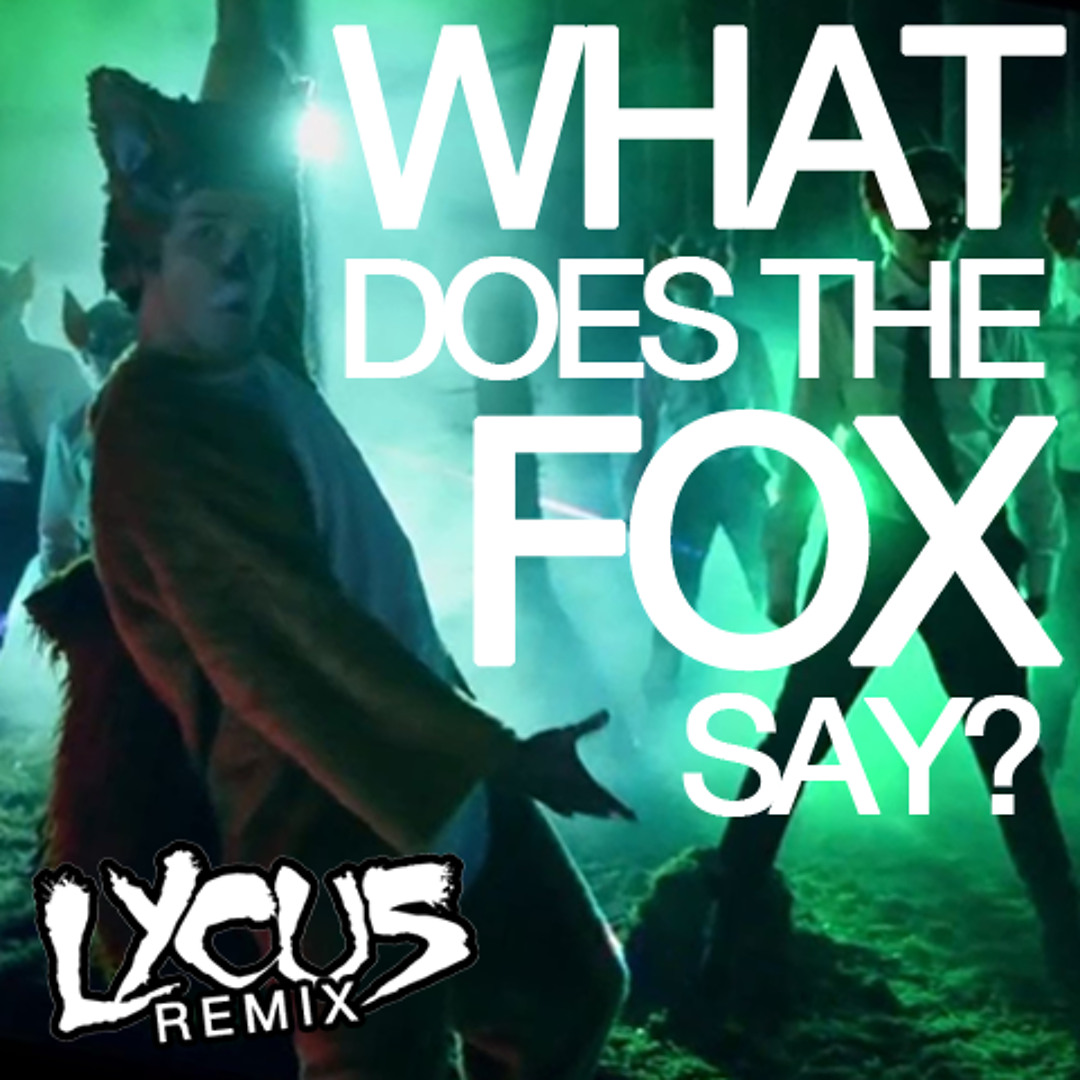
In an era saturated with digital content, very few creations manage to pierce through the noise and capture the global imagination quite like “What Does the Fox Say?” by the Norwegian comedy duo Ylvis. Released in September 2013, this absurdly catchy song and its accompanying music video didn’t just become a viral sensation; it transformed into a cultural touchstone, prompting millions to ponder the previously unasked question of what sound a fox actually makes. Beyond its comedic brilliance and undeniable earworm quality, the phenomenon of “What Does the Fox Say?” offers a rich, multi-faceted case study into the interconnected worlds of technology, branding, and finance in the digital age. It serves as a microcosm of how modern platforms facilitate unprecedented reach, how compelling content can build powerful brands, and how unexpected virality can translate into significant economic opportunity. Let us delve into the depths of this peculiar hit, dissecting its mechanics through the lenses of the tech, brand, and money ecosystems.

The Technological Underpinnings of Viral Success
The rapid global dissemination and enduring legacy of “What Does the Fox Say?” would have been unimaginable just a decade or two prior to its release. Its success story is inextricably linked to the advancements in digital technology and the evolving landscape of online content distribution. From the platforms that hosted it to the tools that created it, technology was the indispensable engine of its virality.
The YouTube Ecosystem and Algorithmic Amplification
At the heart of the song’s explosion was YouTube, the undisputed king of online video platforms. YouTube didn’t just serve as a host; it was the primary launchpad and accelerator for “What Does the Fox Say?” The platform’s sophisticated recommendation algorithm played a crucial role, identifying initial engagement signals – high view counts, likes, shares, and comments – and then pushing the video to progressively wider audiences. Early shares on social media giants like Facebook and Twitter created the initial ripple effect, but YouTube’s internal mechanisms transformed it into a tidal wave. This phenomenon highlights how modern algorithms act as gatekeepers and kingmakers, capable of elevating content from obscurity to global fame in a matter of days. Understanding these algorithms, even retrospectively, offers invaluable insights for contemporary content creators and marketers striving for similar reach. Without YouTube’s infrastructure, its robust streaming capabilities, and its global reach, “What Does the Fox Say?” might have remained a niche Norwegian sketch rather than an international anthem.
Production Tech & Accessibility: Democratizing Content Creation
While the content itself was a testament to Ylvis’s comedic genius, the actual production of the “What Does the Fox Say?” video showcased the increasing accessibility of high-quality media creation tools. The video’s polished yet somewhat whimsical aesthetic was achievable without the astronomical budgets once reserved for major record labels. Modern video editing software, often available at consumer-friendly price points or even as open-source solutions, combined with increasingly capable cameras and audio production tools, empowers creators to produce professional-grade content from virtually anywhere. This democratization of production technology means that compelling ideas, rather than colossal budgets, are the true currency of the digital age. For aspiring artists and entrepreneurs, this translates to lower barriers to entry, enabling “side hustles” that can evolve into full-fledged businesses. Furthermore, the digital nature of such creations also brings to the fore the importance of digital security – protecting intellectual property, managing cloud storage for assets, and securing distribution channels against piracy and unauthorized use.
Predicting & Producing Hits with AI (A Retrospective Look)
Looking back, one might wonder if artificial intelligence could have predicted the success of “What Does the Fox Say?” While its absurdity was arguably its core appeal, AI tools designed to analyze viral trends, audience engagement patterns, and even sentiment could potentially offer valuable foresight. Today, the landscape has evolved further, with AI not just analyzing but actively participating in content creation. AI-powered music composition tools can generate melodies and harmonies, text-to-video generators can animate scenes from scripts, and AI can even assist with voiceovers and visual effects. While “What Does the Fox Say?” was undoubtedly a product of human creativity, its story serves as a fascinating precursor to a future where AI might aid, or even directly contribute to, the next viral sensation. The unique blend of human absurdity and technological distribution that characterized Ylvis’s hit now stands at the precipice of an era where AI might learn to emulate, if not originate, similar forms of engaging content, presenting new questions for the intersection of art and algorithm.
Branding Beyond the Bizarre: From Meme to Marketing Powerhouse
Beyond its technological facilitators, “What Does the Fox Say?” offers a masterclass in brand building, albeit an unconventional one. It demonstrates how a single piece of viral content can transform the personal brand of its creators and influence corporate branding strategies globally. The song moved beyond mere entertainment to become a brand in itself, spawning numerous derivatives and becoming a benchmark for content marketing.
Cultivating Personal and Corporate Brand Identity
For Ylvis, “What Does the Fox Say?” redefined their personal brand. Already established comedians in Norway, the song catapulted them onto the international stage, transforming them from national entertainers into global celebrities. They shrewdly leveraged this sudden fame, appearing on talk shows, performing live, and engaging with their newfound audience. This wasn’t merely about capitalising on a hit; it was about strategically shaping their image as clever, quirky, and internationally relevant artists. The song, in essence, became their corporate identity for a time, a highly recognizable product that communicated their unique blend of humor. This case illustrates a powerful lesson in personal branding: sometimes, the most authentic and unexpected content can be the most effective in differentiating an individual or group in a crowded market. Managing this rapid ascent and maintaining authenticity amid global attention became a critical aspect of their brand strategy, ensuring that the viral moment translated into sustained relevance.

The Echo Chamber of Brand Engagement
The pervasive popularity of “What Does the Fox Say?” created an irresistible opportunity for other brands to engage. From meme generators and parody videos to merchandise and even major advertising campaigns, the “fox” theme became a versatile cultural shorthand. Companies integrated the song’s catchy chorus or its signature absurdity into their marketing efforts, seeking to tap into the widespread positive sentiment and immediate recognition associated with it. This phenomenon highlights a key principle of modern content marketing: creating something so shareable and memorable that it transcends its original context and becomes part of a larger cultural conversation. It underscores the power of user-generated content and brand co-creation, where the audience actively participates in extending the life and reach of the content. Brands that successfully harnessed the “fox” trend demonstrated agility and an understanding of digital culture, proving that timely and relevant engagement with viral phenomena can significantly boost brand visibility and resonate with target demographics.
Reputation Management in the Digital Age
While “What Does the Fox Say?” was overwhelmingly positive in its reception, its journey also implicitly touches upon the critical domain of reputation management in the digital age. Viral fame, especially for content that is quirky or absurd, always carries the risk of backlash, misinterpretation, or overexposure. Ylvis and their team navigated this adeptly, ensuring the narrative remained light-hearted and focused on the song’s comedic intent. For any individual or corporate brand, a viral moment, whether planned or accidental, demands careful stewardship. It requires monitoring public sentiment, responding to commentary (positive and negative), and ensuring that the brand’s core values are consistently communicated. The ability to maintain brand integrity and positive public perception during a period of intense global scrutiny, as Ylvis did, is a testament to effective brand management. It serves as a reminder that while virality can be a brand’s greatest asset, it also necessitates vigilance and a proactive approach to shaping public opinion.
The Economics of Virality: Monetizing the Mystical Fox
Beyond the laughs and the branding opportunities, “What Does the Fox Say?” translated into substantial financial success. It stands as a vivid example of how creative content, amplified by technology and strategically managed as a brand, can generate significant income through diverse online and offline channels. Its economic impact showcases the powerful financial potential of the creator economy and the changing landscape of intellectual property monetization.
Unlocking Online Income Streams
The most immediate and substantial financial gain from “What Does the Fox Say?” came directly from its performance on digital platforms. YouTube ad revenue, generated from its hundreds of millions of views, represented a significant, direct income stream for Ylvis and their production company. This was complemented by performance royalties from digital streaming platforms (Spotify, Apple Music, etc.) and radio airplay across the globe. The song’s intellectual property also became a valuable asset for licensing. Deals for its use in television shows, commercials, video games, and even children’s books added further to the revenue portfolio. This multi-faceted approach to monetization demonstrates how a single piece of digital content can be leveraged across numerous platforms and media, generating an intricate web of income streams. For modern creators, understanding these diverse channels – from direct ad revenue to complex licensing agreements – is crucial for building a sustainable online income.
Beyond Views: Merchandise, Tours, and Side Hustles
The economic impact of “What Does the Fox Say?” extended far beyond passive digital royalties. The tangible products derived from its popularity, such as official merchandise (T-shirts, plush toys, costumes) and digital downloads, added significant revenue. More importantly, the song acted as an enormous promotional tool for Ylvis’s core business: live performance. Their newfound global fame led to increased demand for their comedy tours and appearances, transforming a viral hit into a powerful engine for their entertainment career. This illustrates how a highly visible creative project can serve as a catalyst for other ventures, effectively acting as a “side hustle” that dramatically elevates the primary business. For many entrepreneurs and creative professionals, this model—where online content drives demand for offline services or physical products—is a cornerstone of generating robust business finance. Financial tools for tracking international royalties, managing cross-border payments, and accounting for diverse income sources became essential for Ylvis and their team to effectively manage their burgeoning financial empire.
Investing in the Future of Digital Content
The story of “What Does the Fox Say?” also offers insights for the investment world. It underscores the increasing value of intellectual property in the digital realm and the potential for substantial returns on investments in creative talent and digital media companies. Investors seeking to capitalize on the creator economy might look at companies that facilitate content creation, distribution, or monetization (e.g., software developers for video editing, platforms for influencer marketing, companies specializing in digital rights management). The success of “What Does the Fox Say?” is a potent reminder of the disproportionate returns possible when a creative endeavor truly captures cultural momentum. Understanding the economics of virality, therefore, becomes paramount for financial professionals looking to invest in the future of digital entertainment and media, where intangible assets like viral content can become incredibly valuable long-term assets, shaping portfolios and driving market trends.
Conclusion
“What Does the Fox Say?” by Ylvis is far more than just a novelty song that took the internet by storm. It stands as an exceptional case study, offering profound insights into the intricate interplay of technology, branding, and finance in the digital age. Its journey from a quirky Norwegian sketch to a global phenomenon highlights the transformative power of platforms like YouTube, the strategic imperative of brand building in an interconnected world, and the significant economic opportunities that arise from viral content.
For those navigating the tech landscape, it underscores the critical role of algorithms and the ever-evolving accessibility of creative tools. For brand strategists and marketers, it serves as a masterclass in cultivating personal identity, leveraging cultural memes for engagement, and managing reputation in the relentless spotlight of the internet. And for individuals and businesses focused on money, it provides a vivid illustration of how online income streams, intellectual property, and strategic side hustles can converge to create substantial financial success. “What Does the Fox Say?” may have been born of comedic absurdity, but its legacy continues to offer invaluable lessons for creators, entrepreneurs, and investors alike who seek to understand and thrive in the dynamic, often unpredictable, world of digital content.
aViewFromTheCave is a participant in the Amazon Services LLC Associates Program, an affiliate advertising program designed to provide a means for sites to earn advertising fees by advertising and linking to Amazon.com. Amazon, the Amazon logo, AmazonSupply, and the AmazonSupply logo are trademarks of Amazon.com, Inc. or its affiliates. As an Amazon Associate we earn affiliate commissions from qualifying purchases.