
The rhythm of your paycheck dictates a significant portion of your financial life. While many are familiar with the weekly or bi-weekly pay schedule, a substantial number of employees find themselves on a semi-monthly pay cycle. Understanding what this means is crucial for effective budgeting, financial planning, and ensuring you’re making the most of your hard-earned money. This article delves into the intricacies of semi-monthly pay, exploring its mechanics, advantages, disadvantages, and how it fits into the broader landscape of personal finance and even broader economic trends.
Decoding the Semi-Monthly Pay Cycle
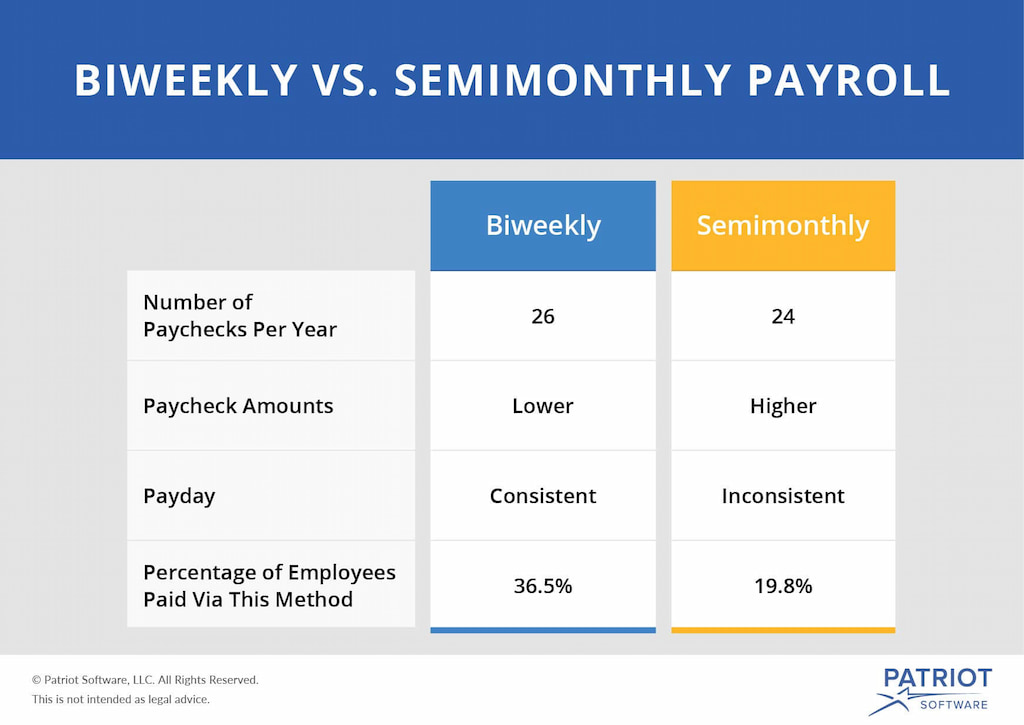
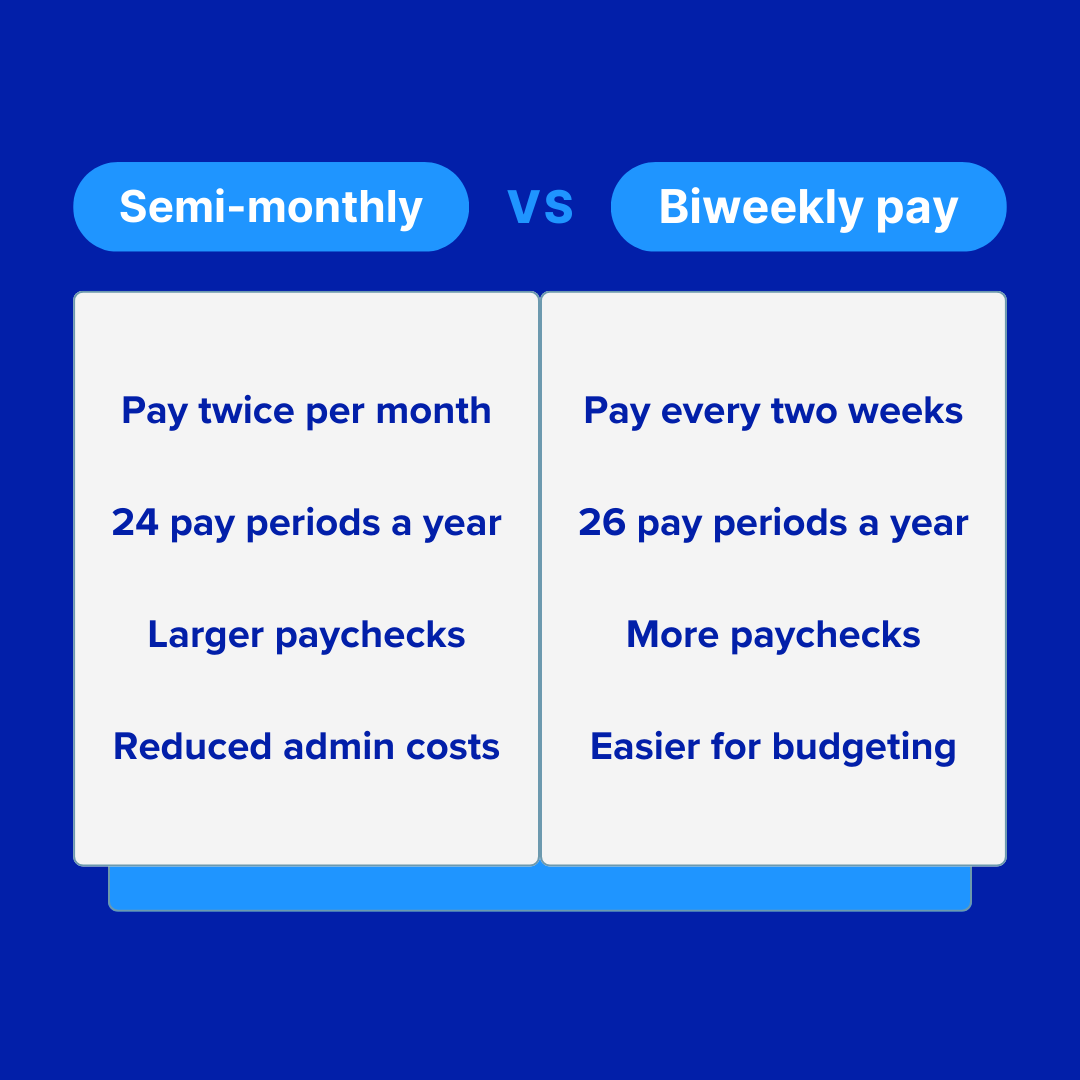
At its core, being paid semi-monthly means you receive your salary or wages twice each calendar month. This typically translates to 24 paychecks per year, rather than the 26 you’d get with a bi-weekly schedule. The most common structure for semi-monthly pay is to have paydays fall on the 15th and the last day of each month. However, variations exist, and some companies might opt for other dates, such as the 10th and the 25th, or the 5th and the 20th.
The key distinction from bi-weekly pay lies in the consistency of the pay periods. Bi-weekly pay results in 26 pay periods because there are 52 weeks in a year, and 52 divided by 2 equals 26. This occasionally leads to a situation where employees receive three paychecks in a single month, which can be a welcome bonus but also requires careful management. Semi-monthly pay, on the other hand, ensures precisely two paychecks per month, leading to a more predictable annual income stream.
How Does Semi-Monthly Pay Affect Your Net Income?
The amount you receive in each semi-monthly paycheck is generally half of your gross monthly salary. For example, if you earn $60,000 annually, your gross monthly salary is $5,000. With semi-monthly pay, you would typically receive $2,500 before taxes and deductions on each payday.
It’s important to remember that your net pay – the amount that actually lands in your bank account – will be lower than your gross pay due to several deductions. These commonly include:
- Federal, State, and Local Income Taxes: These are typically withheld based on the information you provide on your W-4 form (federal) and similar state forms. The amount withheld can be influenced by your filing status, the number of dependents you claim, and other deductions.
- Social Security and Medicare Taxes (FICA): These are federal taxes that fund social insurance programs.
- Health Insurance Premiums: If you opt for employer-sponsored health insurance, your share of the premium will likely be deducted from each paycheck.
- Retirement Plan Contributions: Contributions to 401(k)s, 403(b)s, or other retirement savings plans are often deducted pre-tax from your pay.
- Other Deductions: This can include things like life insurance premiums, disability insurance, union dues, or any wage garnishments.
The consistency of semi-monthly pay means these deductions are spread out evenly across the year, contributing to a steady outflow of funds rather than the occasional larger deduction that can occur with bi-weekly pay (e.g., when a full month’s health insurance premium is due on a specific payday).
Navigating the Financial Landscape with Semi-Monthly Pay
While the mechanics of semi-monthly pay are straightforward, its impact on your financial life is multifaceted. Understanding these implications can help you optimize your financial strategies.
Advantages of Semi-Monthly Pay
- Predictable Budgeting: The most significant advantage of semi-monthly pay is the predictability it offers. With two consistent paychecks each month, budgeting becomes simpler. You know precisely how much income you can expect on the 15th and the end of the month, allowing you to allocate funds for bills, savings, and discretionary spending with greater accuracy. This predictability is particularly beneficial for individuals who prefer a structured approach to their finances.
- Easier Bill Payment Management: Many bills, such as rent or mortgage payments, loan installments, and utility bills, are due monthly. Receiving paychecks on the 15th and the end of the month often aligns well with these payment due dates. This can prevent the stress of having to juggle multiple bills around a single payday, especially if your pay cycle doesn’t neatly align with all your financial obligations.
- Reduced Financial Surprises: Unlike the occasional three-paycheck months in a bi-weekly system, semi-monthly pay eliminates the surprise of an extra paycheck. While a three-paycheck month can be a financial boon, it can also lead to overspending if not managed carefully. Semi-monthly pay ensures a more consistent flow of income and expenses, reducing the temptation for impulse spending associated with an unexpected influx of cash.
- Potential for Smoother Cash Flow for Businesses: For businesses that offer semi-monthly pay, it can contribute to more predictable payroll expenses. This allows for better financial forecasting and management of cash flow, which is a critical aspect of business finance. Consistent payroll outflows can simplify accounting and financial reporting.
Disadvantages of Semi-Monthly Pay
- Fewer Paychecks Annually: The most apparent downside is receiving only 24 paychecks per year compared to the 26 from a bi-weekly schedule. This means that over the course of the year, each individual paycheck will represent a slightly larger portion of your overall income. This can feel less frequent when you need money for unexpected expenses.
- Potential for Larger Gaps Between Paydays: While bill payments might align well, the longer interval between paychecks (roughly two weeks) can sometimes feel like a longer wait, especially if you’re used to the more frequent influx of funds from a weekly or even bi-weekly schedule. This can be challenging if you have significant short-term financial needs or tend to live paycheck to paycheck.
- The “Dry Spell” Effect: In months where a payday falls very close to the end of the month and the next payday is also at the beginning of the next month, you might experience a longer period without receiving funds. For example, if your last payday is on the 28th of month A, and your next payday is on the 15th of month B, you have to stretch your funds for over two weeks.
- Less Opportunity for “Bonus” Paychecks: As mentioned, bi-weekly employees can sometimes benefit from a three-paycheck month. While this requires discipline, it can provide a valuable opportunity for accelerated savings or debt repayment. Semi-monthly pay eliminates this possibility.
Maximizing Your Semi-Monthly Income: Strategies and Financial Tools
Regardless of your pay frequency, effective financial management is key. For those on a semi-monthly schedule, adopting specific strategies can help mitigate any potential drawbacks and capitalize on the inherent predictability.
Budgeting and Financial Planning
The cornerstone of any successful financial strategy is a well-crafted budget. For semi-monthly earners, this involves understanding your income and expenses across the entire month, rather than focusing on individual pay periods.
- The “Monthly” Mindset: Shift your thinking from “what can I do with this paycheck?” to “what can I do with my monthly income?” Allocate your total monthly income to cover all your expenses, savings goals, and discretionary spending.
- Utilize Budgeting Apps and Software: Technology can be a powerful ally. Numerous personal finance apps and software programs (e.g., Mint, YNAB, PocketGuard) can help you track your spending, categorize expenses, and set financial goals. Many of these tools can be customized to your specific pay frequency.
- Automate Savings: Set up automatic transfers from your checking account to your savings or investment accounts on your paydays. This ensures that you’re consistently putting money aside for emergencies, long-term goals, or investments without having to manually remember to do so.
- Track Your Spending Diligently: Understand where your money is going. Categorize your expenses (housing, food, transportation, entertainment, etc.) and identify areas where you can potentially cut back. This is especially important to avoid overspending between paychecks.
Leveraging Financial Tools and Opportunities
Beyond budgeting, various financial tools and strategies can enhance your financial well-being.
- Emergency Fund: A robust emergency fund is crucial for everyone, but especially for those with a slightly longer gap between paychecks. Aim to have 3-6 months of living expenses saved in an easily accessible account to cover unexpected events like job loss, medical emergencies, or major home repairs.
- Debt Management: If you have outstanding debts, consider how your semi-monthly pay impacts your repayment strategy. Prioritize high-interest debts to minimize the total interest paid over time. Some individuals may choose to use the extra two paychecks in a bi-weekly system to aggressively tackle debt, so be mindful of this when comparing pay frequencies. However, with semi-monthly pay, consistent, planned payments are more effective.
- Investing for the Future: Even with semi-monthly pay, consistent investing is vital for long-term wealth building. Contributions to retirement accounts like 401(k)s or IRAs should be a priority. Explore other investment avenues such as stocks, bonds, or mutual funds, and consider dollar-cost averaging, where you invest a fixed amount regularly, which aligns well with a semi-monthly pay schedule.
- Understanding Your Pay Stub: Familiarize yourself with your pay stub. It details your gross pay, all deductions, and your net pay. Understanding these components can help you identify potential errors or optimize your tax withholdings.
Technology and Semi-Monthly Pay
The digital age has revolutionized how we manage our finances. For those paid semi-monthly, technology offers several advantages:
- Direct Deposit: This is a standard practice for most employers, ensuring your pay is automatically deposited into your bank account on payday. This eliminates the need for paper checks and offers immediate access to your funds.
- Online Banking and Mobile Apps: These tools provide real-time access to your account balances, transaction history, and the ability to transfer funds, pay bills, and manage your budget on the go. This constant oversight is invaluable for staying on track with your financial goals.
- Financial Management Software and Apps: As mentioned earlier, these tools can provide detailed insights into your spending habits, help you create and stick to budgets, and track your progress towards financial goals. Many offer features that can be tailored to semi-monthly pay cycles, such as forecasting your cash flow.
- AI-Powered Financial Assistants: Emerging AI tools are increasingly offering personalized financial advice, investment recommendations, and even automated bill payment. These can help you make smarter financial decisions and optimize your savings and investments.

Conclusion: Making Semi-Monthly Pay Work for You
Being paid semi-monthly is a common and often advantageous pay structure. While it means fewer paychecks per year, its inherent predictability can be a powerful tool for effective budgeting, consistent bill payment, and overall financial stability. By understanding the nuances of this pay cycle and implementing smart financial strategies, leveraging available technology, and maintaining diligent financial habits, individuals paid semi-monthly can confidently manage their money, achieve their financial goals, and build a secure future. The key lies not in the frequency of your pay, but in the discipline and intelligence with which you manage it.
aViewFromTheCave is a participant in the Amazon Services LLC Associates Program, an affiliate advertising program designed to provide a means for sites to earn advertising fees by advertising and linking to Amazon.com. Amazon, the Amazon logo, AmazonSupply, and the AmazonSupply logo are trademarks of Amazon.com, Inc. or its affiliates. As an Amazon Associate we earn affiliate commissions from qualifying purchases.