
The humble gnat. For many, the mere mention of these minuscule flying insects conjures up images of annoying swarms hovering around outdoor lights or becoming uninvited guests in our homes. But beyond their irritating presence, what exactly are gnats, and what do they look like? While often grouped together under a general term, “gnat” encompasses a diverse range of small, winged insects, and understanding their appearance is the first step in effective identification and management. This article will delve into the visual characteristics of gnats, exploring their common features, variations across different gnat types, and how their appearance might be misinterpreted. We’ll also touch upon the broader implications of understanding these creatures, drawing parallels to the importance of detailed observation and clear identification in fields like technology, branding, and finance.
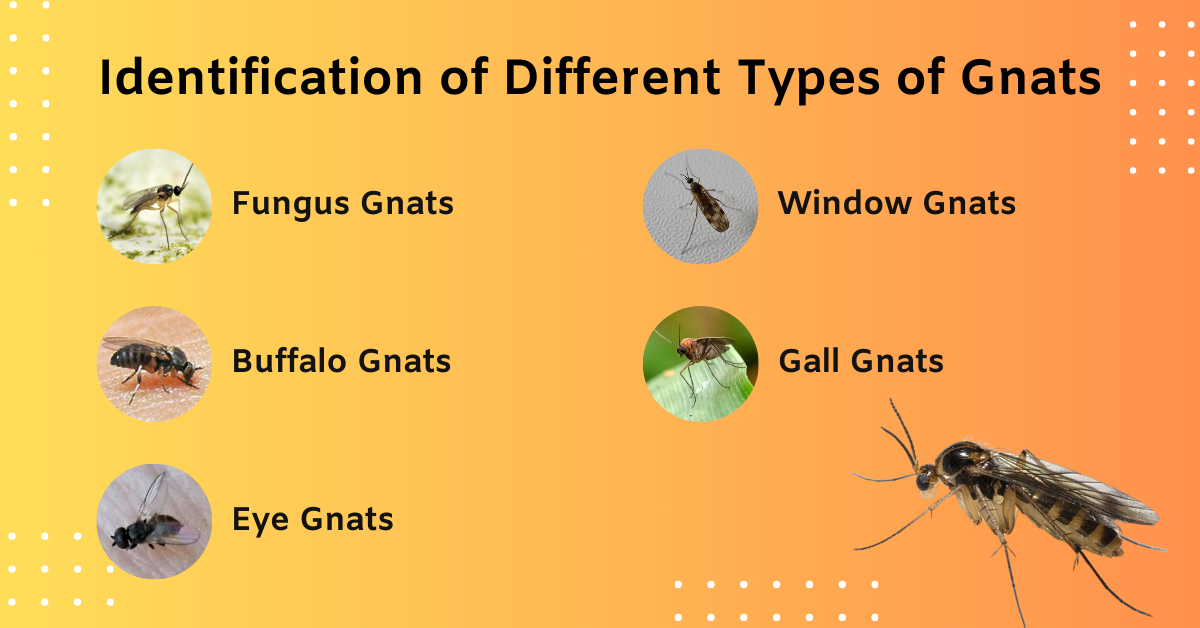
The Common Gnat: A Microscopic Examination
When we speak of “gnats” in a general sense, we’re typically referring to a group of small, often dark-colored flying insects, usually measuring no more than a few millimeters in length. Their most striking visual characteristic is their size – they are undeniably tiny. This diminutive stature makes them easy to overlook individually but formidable in their collective swarms.
Body Structure and Coloration
Gnats, in general, possess a slender, elongated body. This body is segmented into three main parts: the head, thorax, and abdomen.
- Head: The head is typically small and bears a pair of compound eyes, which, given their size, can appear as dark spots. Some species might have noticeably large eyes relative to their head size. They also possess antennae, which can vary in length and structure depending on the specific gnat type, but are generally delicate and filament-like.
- Thorax: The thorax is the central segment where the legs and wings are attached. Gnats have three pairs of slender legs, which are often difficult to discern without magnification. Their wings are the most defining feature for flight; they are membranous, often transparent or semi-transparent, and have a network of veins that are usually faint. The wing shape can vary, but they are typically ovular or somewhat elongated.
- Abdomen: The abdomen is the rearmost section of the body and can vary in shape, from slender to slightly more bulbous. Its coloration is usually dark – ranging from dark brown to black, and sometimes with subtle shades of gray or even reddish-brown. This dark coloration often helps them blend into their surroundings.
Size and Scale
The defining visual aspect of a gnat is its minuscule size. Most commonly encountered gnats are between 1 to 5 millimeters (0.04 to 0.2 inches) in length. To put this into perspective, a common housefly is typically around 6 to 7 millimeters long. This means a gnat is roughly the size of a grain of sand or a poppy seed. This smallness is precisely why they can easily slip through window screens or even be inhaled unintentionally. Their flight patterns can also be distinctive – they often exhibit a jerky, erratic movement, or hover in stationary swarms.
Common Misidentifications
Due to their small size and often similar appearance, gnats are frequently mistaken for other tiny insects. This is where a closer look becomes crucial.
- Fruit Flies: While both are small and attracted to food sources, fruit flies typically have red or dark eyes and are often found around ripening or fermenting fruits and vegetables. Their bodies might appear slightly more robust than some gnat species.
- Midges: Midges are a broad category that includes many gnat-like insects. Some gnats are indeed midges, but the term “midge” can also refer to insects that are more aquatic in their larval stage and might have different adult appearances.
- Thrips: These are significantly smaller than most gnats, usually less than 2 millimeters, and possess fringed wings.
- Small Mosquitoes: While some mosquitoes are small, they generally have a more distinct proboscis (mouthpart) for piercing and feeding, and their body shape can be more elongated.
Understanding these subtle differences is key to accurately identifying the pest you’re dealing with, much like understanding the nuances between different software programs or investment vehicles is crucial for making informed decisions.
Diving Deeper: Variations Within the Gnat Family
The term “gnat” is an umbrella term that covers a wide array of insect families. While they share commonalities in size and general appearance, specific types of gnats exhibit distinct visual characteristics that can aid in their identification.
Fungus Gnats: The Houseplant’s Nemesis
Fungus gnats are a common nuisance in homes, particularly for plant enthusiasts.
- Appearance: These gnats are typically dark gray or black and have a slender, delicate body. Their legs are long and thin, and their wings are clear with a distinctive Y-shaped vein pattern. They are often seen fluttering around houseplants or emerging from moist soil. Their size is usually around 2 to 5 millimeters. They are often mistaken for fruit flies, but their flight pattern is more erratic and they are primarily attracted to damp soil and decaying organic matter.
- Behavioral Clues: Their presence is almost always linked to overwatered houseplants or other sources of decaying organic material. Their larvae live in the soil and feed on fungi and plant roots.
Drain Flies: The Unpleasant Houseguests
Drain flies, also known as moth flies, are often found in bathrooms, kitchens, and other areas with stagnant water and decaying organic matter.
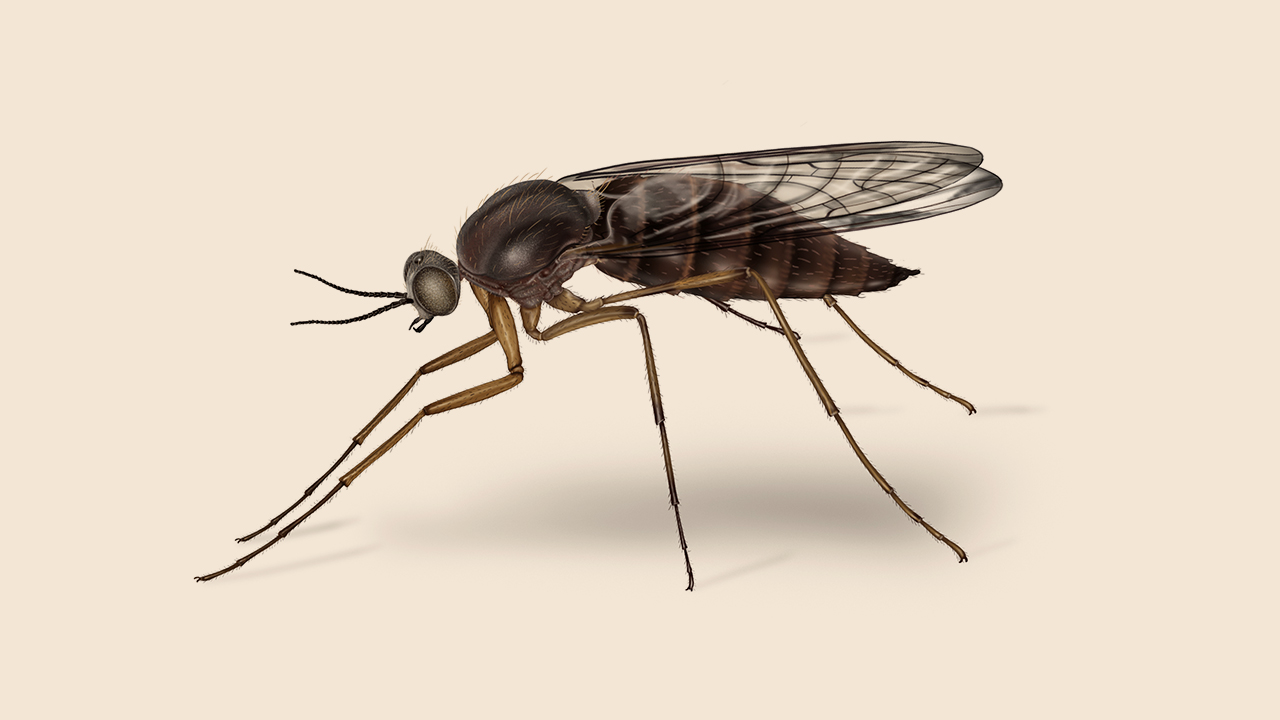
- Appearance: These gnats are easily distinguished by their fuzzy, moth-like appearance. They are typically small, around 2 to 4 millimeters, and have hairy bodies and wings that give them a velvety texture. Their coloration is usually grayish-brown to black. When at rest, they often hold their wings roof-like over their bodies.
- Habitat Clues: Their primary breeding grounds are the organic slime that accumulates in drains, sewer pipes, and other damp, stagnant areas. Their appearance is quite distinct from the more slender fungus gnat, making them easier to identify once you’re familiar with their “fuzzy” look.
Biting Gnats (No-See-Ums): The Invisible Attackers
This category encompasses several families of biting gnats, often referred to as “no-see-ums” because of their extremely small size and the fact that their bite is often felt before they are seen.
- Appearance: These gnats are among the smallest, often measuring just 1 to 2 millimeters. They are typically dark in color, ranging from black to brownish-gray. Their bodies are more compact and robust than fungus gnats. Their wings are broad and often have dark spots or patterns, though this can be difficult to discern without magnification.
- Behavioral Clues: The most defining characteristic of these gnats is their bite. Unlike other gnats that are a nuisance due to their swarming, biting gnats are actively seeking a blood meal. They are most active at dawn and dusk and are often found in damp, humid environments, especially near bodies of water. Their small size and ability to penetrate fine mesh screens make them particularly frustrating.
Midges: A Broader Family with Diverse Looks
As mentioned earlier, midges are a broad group that includes many insects colloquially called gnats.
- Appearance: Midges vary significantly in size and appearance. Some resemble slender gnats with long legs and antennae, while others might be more robust. Their coloration can range from pale yellow to dark brown or black. Some species of midges, like chironomids, are aquatic in their larval stage and have adults that are often found swarming near water bodies.
- Distinguishing Features: Often, the key to distinguishing midges from other gnats lies in their wing venation or the structure of their antennae, which might require closer examination or identification by an entomologist.
The Importance of Accurate Identification: Beyond the Annoyance
Understanding what gnats look like goes beyond mere curiosity about a common pest. In various aspects of our lives, precise identification and understanding of details are paramount.
In the Realm of Technology: From Software Bugs to AI Innovations
In the tech world, the ability to identify and categorize is fundamental.
- Software Development: Identifying a bug or an anomaly in software requires meticulous observation of its behavior and appearance. Developers need to understand the specific error code, the user interface glitch, or the unexpected output to pinpoint the root cause. Misidentifying a bug can lead to wasted development time and ineffective solutions. This is akin to mistaking a fungus gnat for a fruit fly – both are small flying insects, but their origins and solutions differ significantly.
- AI Tools and Algorithms: The effectiveness of AI hinges on its ability to learn from and identify patterns in vast datasets. Whether it’s image recognition, natural language processing, or predictive analytics, the AI must accurately classify and differentiate between various inputs. If an AI misidentifies a cat as a dog, its subsequent actions and predictions will be flawed. This highlights the need for precise visual and data classification, much like discerning the subtle differences between gnat species.
- Gadget Reviews and Comparisons: When consumers are looking to purchase new gadgets, reviews often focus on minute details – the camera’s image quality, the processor’s speed, the battery life. A detailed comparison requires understanding the specifications and how they translate into real-world performance. A seemingly minor difference in a gnat’s wing vein pattern might be the key to its identification; similarly, a subtle difference in a gadget’s technical specifications can lead to a vastly different user experience.
Crafting a Powerful Brand: Identity and Perception
Brand strategy, personal branding, and corporate identity all rely on clear and consistent visual representation and messaging.
- Visual Identity: A brand’s logo, color palette, and typography are its visual signature. These elements need to be distinct and memorable, avoiding confusion with competitors. Just as understanding the specific visual cues of a gnat helps in its identification, a strong brand needs unique visual markers. A poorly designed logo that resembles another company’s can lead to brand dilution and confusion.
- Brand Messaging: The way a brand communicates its value proposition and identity needs to be precise. Misinterpreting market trends or failing to articulate the unique selling points can lead to ineffective marketing campaigns. This is analogous to a gnat swarm being more of a nuisance than a direct threat; the perception of the brand needs to be managed carefully.
- Reputation Management: A brand’s reputation is built on consistent delivery and public perception. Negative reviews or public relations crises can arise from misunderstandings or misrepresentations. Addressing these issues requires a clear understanding of what went wrong and how to communicate corrections effectively, much like identifying the exact species of gnat causing a problem to implement the correct control measures.
Navigating the Financial Landscape: Informed Decisions for Growth
Personal finance, investing, and business finance all demand careful analysis and precise identification of opportunities and risks.
- Investment Strategies: Investors must be able to distinguish between different asset classes, risk levels, and market opportunities. Mistaking a speculative stock for a stable dividend-paying one can lead to significant financial losses. Understanding the underlying fundamentals and visual cues (like market charts and company reports) is crucial. This is comparable to identifying a biting gnat – its behavior and intent are critical to know.
- Online Income and Side Hustles: When exploring ways to generate income, individuals need to be discerning. Identifying legitimate opportunities from scams requires a keen eye for detail and an understanding of how different business models operate. A seemingly simple online income opportunity might have complex underlying mechanisms, just as a gnat’s simple appearance can mask a complex life cycle.
- Business Finance: For businesses, understanding cash flow, profit margins, and financial statements is vital for survival and growth. Accurate financial reporting and analysis require meticulous attention to detail. Misinterpreting a balance sheet or failing to identify an inefficient expense can have serious consequences.
Conclusion: The Power of Observation and Precision
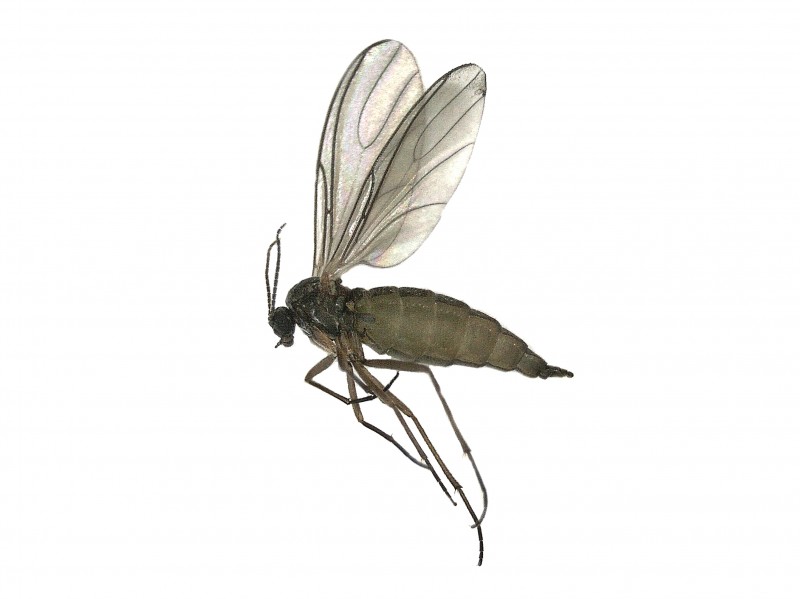
While the question “what do gnats look like?” might seem straightforward, the answer reveals a complex world of tiny creatures with distinct characteristics. From their slender bodies and delicate wings to their varied colorations and behaviors, each gnat species possesses unique identifiers. This pursuit of precise identification, even for something as small as a gnat, mirrors the critical importance of detail and accuracy in fields as diverse as technology, branding, and finance. Whether we are debugging code, crafting a compelling brand identity, or making informed investment decisions, the ability to observe, understand, and differentiate is the foundation of success. By paying close attention to the visual cues and behavioral patterns of these tiny pests, we not only gain a better understanding of our environment but also reinforce the fundamental principle that knowledge, gained through careful observation, is power.
aViewFromTheCave is a participant in the Amazon Services LLC Associates Program, an affiliate advertising program designed to provide a means for sites to earn advertising fees by advertising and linking to Amazon.com. Amazon, the Amazon logo, AmazonSupply, and the AmazonSupply logo are trademarks of Amazon.com, Inc. or its affiliates. As an Amazon Associate we earn affiliate commissions from qualifying purchases.