
In a world brimming with acronyms and specialized jargon, “Fibo” might seem like another enigmatic term reserved for niche experts. However, its meaning is far more profound and pervasive than a simple abbreviation might suggest. “Fibo” is a shorthand, a colloquialism, primarily referring to the Fibonacci sequence and its related principles, most notably the Golden Ratio. Far from being an arcane mathematical concept, the influence of Fibonacci spirals through nature, art, architecture, and, perhaps most surprisingly, the modern domains of technology, branding, and financial market analysis.
This article delves into the multi-layered meaning of “Fibo,” uncovering its ancient origins before exploring its contemporary relevance across the critical pillars of Tech, Brand, and Money. Whether you’re a technologist seeking elegant algorithms, a marketer crafting visual harmony, or an investor deciphering market movements, understanding “Fibo” can unlock new perspectives and practical tools. Join us as we demystify this powerful concept and reveal its surprising impact on our interconnected world.
The Ancient Roots of “Fibo”: Unpacking the Fibonacci Sequence
To truly grasp “what Fibo means,” one must journey back to the medieval European landscape where a brilliant mathematician laid the groundwork for a sequence that would echo through centuries. The core of “Fibo” lies in this mathematical progression and its profound connection to natural phenomena and aesthetic balance.
Who Was Fibonacci?
The man behind the “Fibo” legacy was Leonardo Pisano, better known by his posthumous name, Fibonacci. Born around 1175 in Pisa, Italy, Fibonacci was an influential Italian mathematician of the Middle Ages. His extensive travels throughout the Mediterranean region, particularly his time in North Africa, exposed him to the sophisticated Hindu-Arabic numeral system, which was far superior to the Roman numerals prevalent in Europe at the time.
Fibonacci returned to Italy with a mission: to introduce these revolutionary numerals and their accompanying arithmetic methods to the Western world. He accomplished this through his seminal work, Liber Abaci (Book of Calculation), published in 1202. While the book primarily served to popularize the decimal system, it also contained a now-famous mathematical problem: calculating the growth of a hypothetical rabbit population. This problem inadvertently introduced the sequence that would forever bear his name, demonstrating how a pair of rabbits, if left to breed, would multiply over time following a specific numerical pattern.
The Magic of the Sequence and the Golden Ratio
The Fibonacci sequence is deceptively simple: each number in the sequence is the sum of the two preceding ones. It typically starts with 0 and 1:
0, 1, 1, 2, 3, 5, 8, 13, 21, 34, 55, 89, 144, and so on, infinitely.
Beyond its straightforward generation, the sequence holds a deeper secret: its intimate connection to the Golden Ratio, often denoted by the Greek letter Phi (Φ). As you take any two consecutive numbers in the Fibonacci sequence and divide the larger one by the smaller one, the ratio gets progressively closer to approximately 1.6180339887… This irrational number, the Golden Ratio, has been revered for millennia for its aesthetic appeal and appears repeatedly in nature, art, and design.
From the spiral arrangement of seeds in a sunflower to the branching patterns of trees, the unfurling of fern fronds, the chambers of a nautilus shell, and even the proportions of the human body, the Fibonacci sequence and the Golden Ratio manifest as fundamental blueprints for growth and balance. This omnipresence is what gives “Fibo” its mystique and power, making it a natural candidate for application in fields seeking inherent order and harmony.
Fibo in the Digital Age: Technology and Its Applications
The principles of Fibonacci, born from observing nature’s growth, have found surprising and sophisticated applications within the realm of modern technology. From optimizing algorithms to influencing user experience, “Fibo” is a subtle but impactful force in how we build and interact with the digital world.
Algorithms and Data Structures
In computer science, efficiency is paramount. The Fibonacci sequence has inspired several ingenious algorithmic solutions:
- Fibonacci Search Technique: This is an efficient search algorithm used for finding the minimum or maximum of a unimodal function over an interval. Unlike binary search, which requires calculating the midpoint, Fibonacci search only relies on addition and subtraction, making it potentially faster on certain hardware architectures where multiplication/division are expensive. It’s particularly useful in numerical optimization problems.
- Fibonacci Heaps: These are a type of heap data structure that implements a priority queue. They offer better amortized running times for several operations (like insertion, decrease-key, and merging) compared to other heap structures like binary heaps, making them valuable in graph algorithms such as Dijkstra’s shortest path algorithm and Prim’s minimum spanning tree algorithm.
- Pseudorandom Number Generation: Some methods for generating pseudorandom numbers, particularly certain types of lagged Fibonacci generators, leverage the sequence’s properties to produce sequences of numbers that appear random, which is crucial for simulations, cryptography (though less directly for strong crypto), and statistical sampling.
AI, Machine Learning, and Computational Design
The quest for optimal solutions and intelligent systems in AI and machine learning often benefits from mathematical principles, and Fibonacci concepts can play a role:
- Optimization in Machine Learning: Just as in traditional algorithms, Fibonacci search techniques can be applied to optimize hyperparameters in machine learning models, efficiently searching for the best parameter values within a defined range. While not as universally adopted as grid search or random search, it offers a deterministic and efficient approach for unimodal functions.
- Computational Design and Generative Art: Designers and architects are increasingly using computational tools to explore complex forms. The Golden Ratio and Fibonacci spirals provide a framework for creating aesthetically pleasing and naturally harmonious structures and patterns. From optimizing spatial arrangements in a building to generating intricate visual designs in generative art, “Fibo” principles can guide algorithms to produce results that resonate with human perception of beauty and balance. This allows for the creation of new forms that feel inherently “right.”
Productivity and UX Design
Beyond complex algorithms, the influence of Fibonacci extends to the more human-centric aspects of technology: user experience (UX) and interface design.
- Layout and Proportionality: The Golden Ratio is frequently employed in web design, app interfaces, and document layouts to create visually balanced and intuitive user experiences. Designers use it to determine ideal content widths, sidebar proportions, font sizes, and spacing. For instance, a main content area might be 1.618 times wider than a sidebar, or a primary font size could be chosen such that subsequent headings are scaled up or down by the Golden Ratio for harmonious typography.
- Visual Hierarchy and Readability: By applying Fibonacci principles, designers can establish a clear visual hierarchy, guiding the user’s eye naturally through the information. This makes interfaces feel less cluttered, more organized, and ultimately, more productive for the user. A well-proportioned layout reduces cognitive load and enhances readability, making apps and websites more enjoyable and efficient to use. Even the placement of interactive elements or calls to action can subtly leverage these proportions for maximum impact.
Branding with the Golden Touch: Fibo in Design and Strategy
The power of “Fibo” isn’t confined to numbers and code; it’s a potent force in the world of branding, where aesthetics, perception, and emotional connection reign supreme. Businesses, from startups to global corporations, often subconsciously or deliberately harness the Golden Ratio to create compelling visual identities and brand experiences that resonate deeply with audiences.
Aesthetic Principles and Visual Harmony
At its core, branding is about creating a memorable and appealing identity. The Golden Ratio and Fibonacci sequence provide a natural framework for achieving visual harmony:
- Logo Design: Many iconic logos, upon closer inspection, reveal adherence to the Golden Ratio. Companies like Apple, Twitter, Pepsi, and National Geographic are often cited as examples where their logos’ proportions (e.g., circle sizes, line lengths, spatial arrangements) align with Phi. The perceived balance and pleasing nature of these designs are believed to be rooted in this mathematical principle, making them inherently attractive and memorable.
- Website and Layout Design: Beyond technical UX, the Golden Ratio informs the overall aesthetic composition of brand assets. Web pages, brochures, and advertisements often use Golden Ratio rectangles to determine optimal content areas, image placements, and whitespace. This creates a sense of order and sophistication that enhances the brand’s perceived professionalism and trustworthiness.
- Photography and Composition: The Golden Spiral, derived from the Fibonacci sequence, offers a powerful compositional tool for photographers and visual artists. Placing key elements along the spiral or at its intersection points can create dynamic, visually engaging images that naturally draw the viewer’s eye through the scene, enhancing the storytelling aspect of brand visuals.
Crafting Compelling Brand Experiences
The influence of “Fibo” extends beyond mere visuals, subtly shaping the overall brand experience and narrative:
- Content Structure and Storytelling: While less direct than visual applications, the concept of balanced progression inherent in the Fibonacci sequence can inspire content strategy. Structuring narratives, presentations, or even marketing campaigns with ascending complexity or building momentum in a “Fibo-like” progression can create a satisfying and engaging experience for the audience. This could involve, for instance, introducing concepts in small, digestible chunks that build upon each other, mirroring the sequence’s additive nature.
- Psychological Impact: The widespread presence of the Golden Ratio in nature suggests that humans are naturally predisposed to find its proportions appealing. When brands integrate these proportions into their identity – from their products to their advertising – they tap into a subconscious sense of order and beauty. This can foster a positive emotional response, making the brand feel more trustworthy, premium, and aesthetically pleasing, thereby strengthening brand loyalty and reputation.
- Product Design: Physical products, from smartphones to furniture, also benefit from Golden Ratio proportions. A device designed with these ratios might feel more comfortable in hand, appear more balanced, and simply look “better” to the consumer, contributing to a premium brand perception. The pursuit of timeless design often inadvertently or intentionally aligns with these ancient principles of proportion.
Decoding Financial Markets: “Fibo” in Investing and Trading
Perhaps the most common and impactful modern interpretation of “Fibo” for a broader audience, particularly in the context of “Money,” lies in its application within financial markets. Technical analysts and traders worldwide regularly employ Fibonacci tools to predict price movements, identify potential turning points, and manage risk.
Fibonacci Retracements: A Cornerstone of Technical Analysis
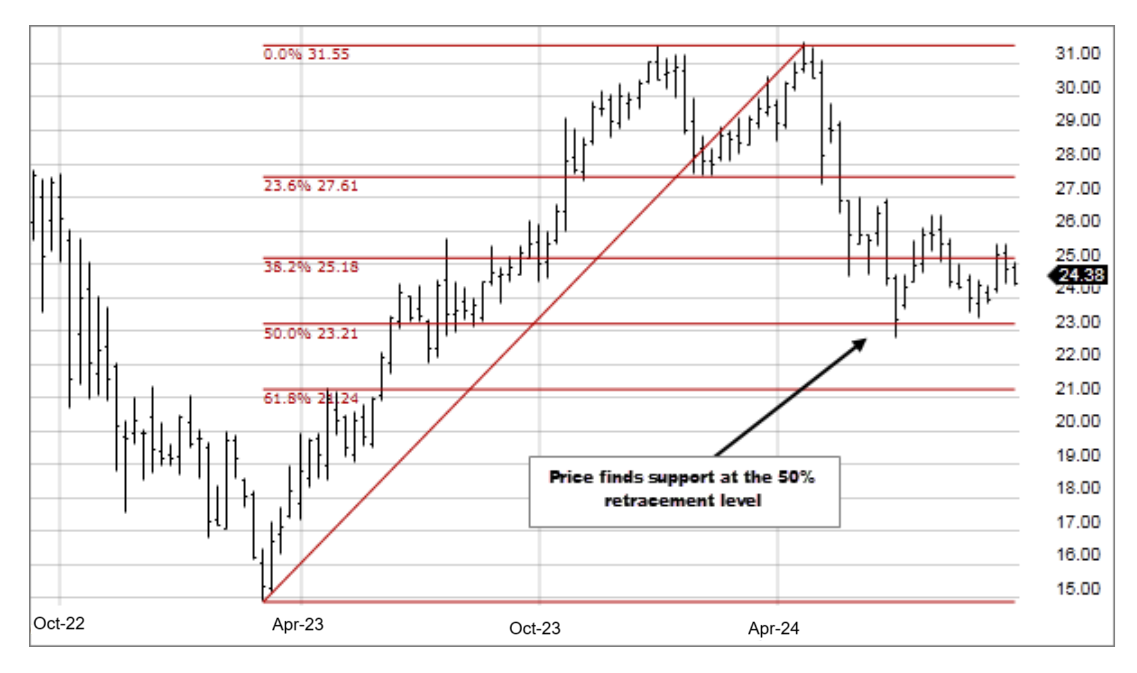
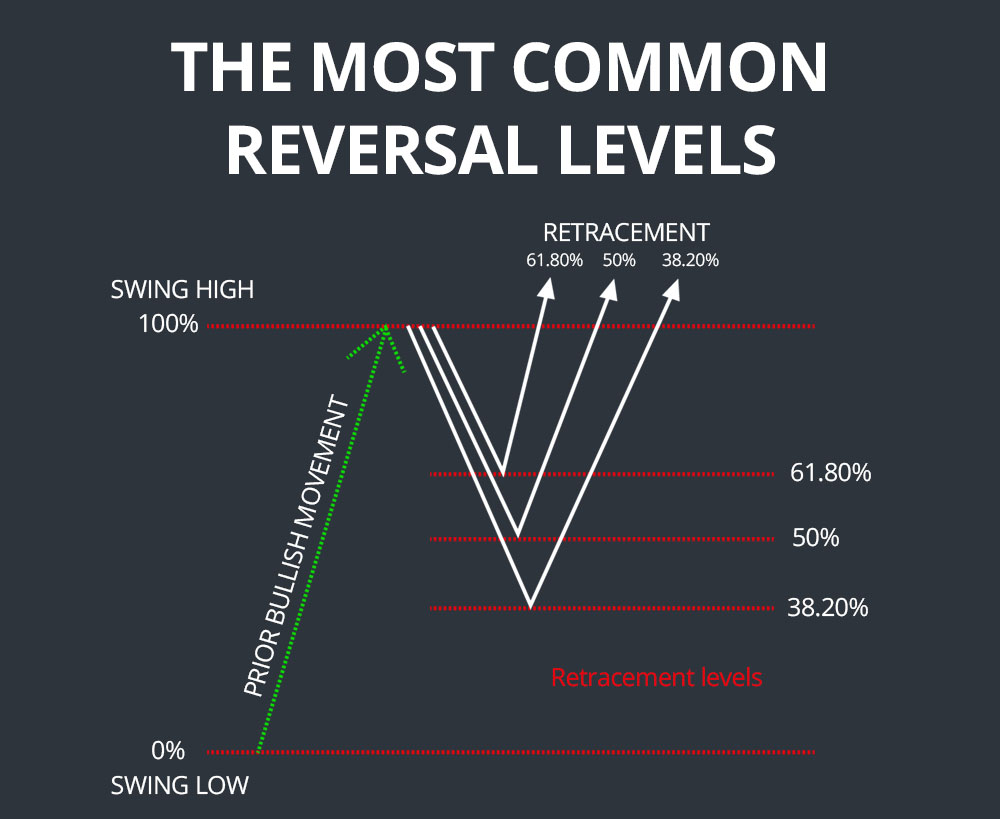
Fibonacci retracements are by far the most widely used “Fibo” tool in trading. The premise is that after a significant price move (up or down), the price will often retrace, or pull back, a predictable percentage of that move before continuing in its original direction. These percentages are derived from the Fibonacci sequence:
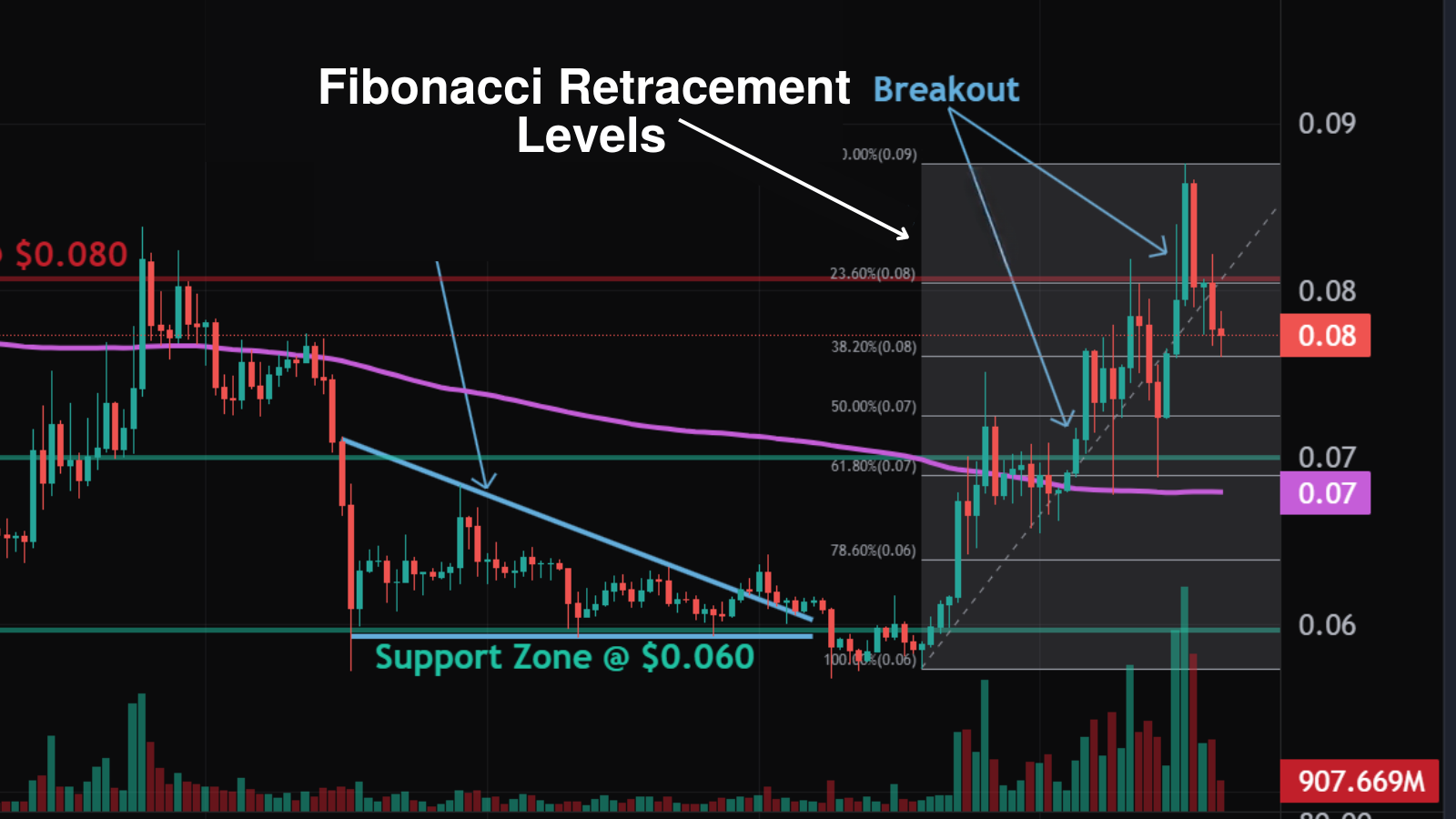
- Key Retracement Levels: The most common retracement levels are 23.6%, 38.2%, 50%, 61.8%, and 78.6%. While 50% isn’t a true Fibonacci ratio, it’s widely accepted as a strong psychological support/resistance level and is often included. The 61.8% level (the inverse of the Golden Ratio, 1/1.618 ≈ 0.618) is considered particularly significant.
- How They are Used: Traders identify a significant high and low point in a price trend and then draw Fibonacci retracement levels between these two points. The resulting horizontal lines indicate potential areas where the price might find support (during a pullback in an uptrend) or resistance (during a rally in a downtrend). A price reversing cleanly off a 38.2% or 61.8% retracement level can signal a continuation of the original trend. They are used to pinpoint entry points for trades, place stop-loss orders, and estimate potential targets.
Fibonacci Extensions and Projections: Setting Targets
While retracements look at pullbacks within an existing move, Fibonacci extensions and projections aim to forecast potential price targets beyond the initial price swing. They are used to identify where a price trend might extend to once it has broken past its previous high or low.
- Key Extension Levels: Common extension levels include 123.6%, 161.8%, 200%, and 261.8%. These levels are calculated by extending beyond the initial price swing by Fibonacci-derived percentages.
- How They are Used: Traders use extensions to determine profit targets. For example, if a stock breaks out of a consolidation after a retracement, a trader might look for the price to reach the 161.8% extension level as a potential take-profit zone. They provide a framework for anticipating the magnitude of future price movements, helping traders plan their exits and understand the potential reward of a trade.
Fibonacci Time Zones and Arcs: Adding a Temporal Dimension
Beyond price levels, “Fibo” can also be applied to the dimension of time, though these tools are less commonly used than retracements and extensions:
- Fibonacci Time Zones: These are a series of vertical lines plotted at intervals corresponding to Fibonacci numbers (1, 2, 3, 5, 8, 13, 21, etc.) along the time axis of a chart. The idea is that these time intervals might highlight periods where significant price reversals or changes in trend are likely to occur. While less precise, they offer a temporal perspective to market analysis, suggesting that market psychology might adhere to Fibonacci patterns over time.
- Fibonacci Arcs: Arcs combine both price and time. They are drawn by first identifying a significant price swing, then drawing a base line. From the end of this base line, three arcs are drawn, corresponding to the 38.2%, 50%, and 61.8% Fibonacci levels, but these arcs are drawn from the endpoint of the price swing, curving with time. They act as dynamic support and resistance levels, potentially indicating turning points where price might interact with these curved boundaries over time.
The Psychology and Debate: Why Fibo Works (or Seems To)
The effectiveness of Fibonacci tools in financial markets is a subject of ongoing debate. Is it simply a self-fulfilling prophecy, where so many traders use these levels that their collective actions make them significant? Or do these ratios reflect some inherent order in market psychology, akin to their presence in natural phenomena?
Many believe that the power of Fibonacci levels stems from human psychology and collective behavior. As human emotions (greed and fear) drive market movements, and as these emotions are often influenced by patterns and ratios found in nature, it’s plausible that market participants, consciously or subconsciously, react to these levels. When enough traders place buy or sell orders at or near these Fibonacci levels, they can indeed become significant support or resistance zones.
It’s crucial to understand that Fibonacci tools are not infallible predictors. They are best used as complementary tools within a broader technical analysis strategy, combined with other indicators, chart patterns, and fundamental analysis. They provide probabilities, not certainties, and serve as valuable frameworks for understanding potential market behavior rather than guarantees of future movements.
Conclusion
“What does Fibo mean?” is a question that leads down fascinating paths, revealing a concept far richer and more impactful than its simple shorthand suggests. From the ancient insights of Leonardo Pisano to its pervasive influence in the 21st century, “Fibo” — encompassing the Fibonacci sequence and the Golden Ratio — embodies a fundamental principle of growth, balance, and aesthetic harmony found in nature.
We’ve explored its intelligent integration into the fabric of Technology, where it optimizes algorithms, enhances data structures, and guides intuitive UX design. We’ve seen its transformative power in Branding, enabling designers to craft logos, layouts, and experiences that resonate with an innate human appreciation for beauty and proportion. And critically, we’ve delved into its vital role in understanding Money and financial markets, providing traders and investors with invaluable tools for identifying potential turning points and managing risk.
Ultimately, “Fibo” is more than just a sequence of numbers; it’s a versatile framework, a lens through which we can better understand and interact with the complex systems around us. Whether you’re building the next great app, shaping a brand’s identity, or navigating the volatility of financial markets, recognizing and applying the principles of “Fibo” can offer unique advantages, fostering innovation, enhancing appeal, and informing strategic decisions in an increasingly interconnected and data-driven world. Its enduring relevance is a testament to the timeless power of mathematics to illuminate the patterns that shape our existence.
aViewFromTheCave is a participant in the Amazon Services LLC Associates Program, an affiliate advertising program designed to provide a means for sites to earn advertising fees by advertising and linking to Amazon.com. Amazon, the Amazon logo, AmazonSupply, and the AmazonSupply logo are trademarks of Amazon.com, Inc. or its affiliates. As an Amazon Associate we earn affiliate commissions from qualifying purchases.