
In the dynamic and ever-evolving landscape of technology, where new software applications, digital tools, and intricate systems are launched at an astonishing pace, one crucial role stands as a guardian of quality, reliability, and user satisfaction: the Quality Assurance (QA) Engineer. Often misunderstood as simply “bug finders,” QA engineers are, in fact, integral architects of software excellence, deeply embedded in every stage of the development lifecycle. Their work transcends mere error detection; it encompasses strategic planning, meticulous execution, and a holistic understanding of how software impacts users, businesses, and ultimately, a brand’s reputation and financial health.
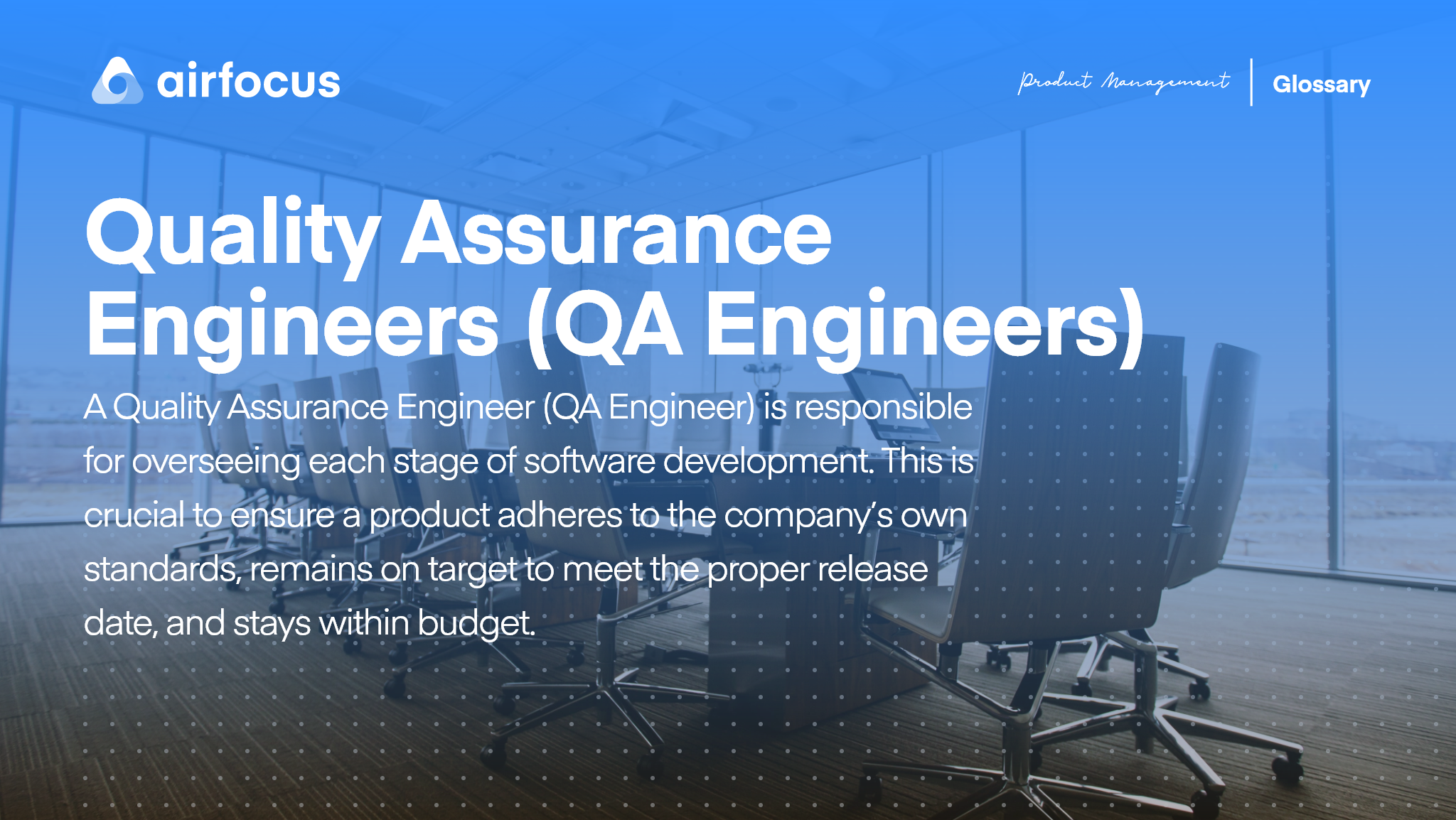
A QA engineer is a specialist dedicated to ensuring that a software product meets specific standards of quality, functionality, performance, and usability before it reaches the end-user. This involves a rigorous process of testing, analysis, and validation, aimed at identifying defects, preventing issues, and ensuring the software aligns perfectly with both design specifications and stakeholder expectations. In a world increasingly reliant on digital solutions, the contributions of a QA engineer are not just valuable; they are indispensable, directly influencing a product’s success and a company’s standing in the competitive market.
The Core Technical Realm of a QA Engineer: Ensuring Software Excellence
The primary domain of a QA engineer lies firmly within the “Tech” sphere, where they are on the front lines, interacting directly with software, systems, and cutting-edge tools. Their responsibilities are deeply technical, requiring a keen understanding of development processes, programming logic, and various testing methodologies.
Ensuring Software Excellence and Reliability
At its heart, the QA engineer’s role is to ensure the excellence and reliability of software. This involves a comprehensive set of tasks that begin long before any code is even written and continue well after a product has been deployed.
Initially, QA engineers dive deep into requirements analysis. They scrutinize functional and non-functional specifications, seeking clarity, consistency, and completeness. By understanding what the software is supposed to do and how it’s supposed to perform, they can anticipate potential issues and design effective test strategies. This proactive approach is critical; identifying ambiguities or flaws in requirements early can prevent significant rework and cost later in the development cycle.
Following this, they embark on test planning and strategy development. This involves defining the scope of testing, identifying the types of tests to be conducted (e.g., functional, integration, system, regression, performance, security), selecting appropriate tools, and outlining success criteria. A well-crafted test plan serves as a roadmap, guiding the entire testing effort.
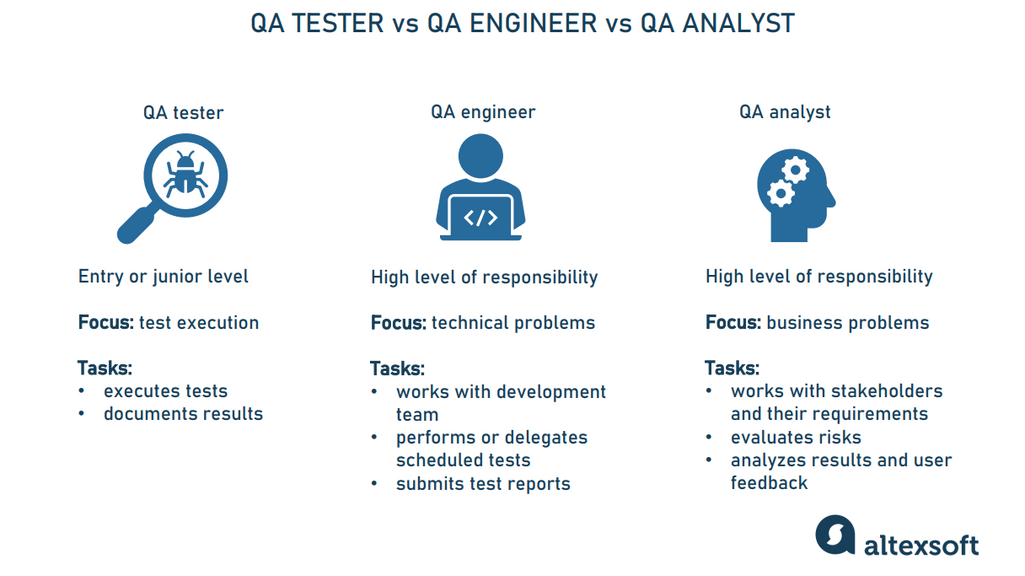
Next comes test case design and execution. This is where the rubber meets the road. QA engineers create detailed test cases, which are step-by-step instructions outlining specific inputs, actions, and expected outcomes. These test cases are then executed, either manually or through automation, to verify that the software behaves as intended. When discrepancies are found, they meticulously document bug reports, providing clear, concise information about the defect, including steps to reproduce it, actual results, and expected results. Effective bug reporting is crucial for developers to quickly understand and fix issues.
Modern QA heavily relies on test automation. Engineers utilize a variety of frameworks and tools like Selenium for web applications, Appium for mobile, or Postman for API testing. They write scripts to automate repetitive test cases, allowing for faster feedback cycles and greater test coverage, especially during regression testing, which ensures that new code changes haven’t inadvertently broken existing functionality. This continuous testing approach is often integrated into Continuous Integration/Continuous Delivery (CI/CD) pipelines, making quality assurance an inseparable part of the DevOps culture.
Furthermore, QA engineers perform specialized testing such as performance testing (to assess speed, responsiveness, and stability under various loads), security testing (to identify vulnerabilities), and usability testing (to evaluate the user-friendliness and intuitiveness of the interface). Their collaboration with development teams is constant, providing invaluable feedback, participating in code reviews, and contributing to a shared understanding of quality. This iterative process of testing, reporting, and re-testing is fundamental to delivering a robust and reliable software product.
Navigating the Digital Landscape: Tools, Trends, and Security
The world of a QA engineer is constantly evolving, requiring them to stay abreast of the latest “Technology Trends,” “Software,” and “AI Tools.” They are not just users of technology but active participants in shaping its quality and security.
QA engineers are at the forefront of validating new “Apps” and “Gadgets.” Whether it’s a new mobile application, a smart device, or an enterprise software solution, they ensure that these innovations are fit for purpose, reliable, and secure. They adapt their testing methodologies to new architectural patterns like microservices, cloud-native applications, and serverless computing, understanding the unique challenges each presents.
The rise of “AI Tools” also presents new frontiers for QA. Engineers are increasingly tasked with testing machine learning models, ensuring their accuracy, fairness, and robustness. This involves validating data pipelines, evaluating model performance, and testing for potential biases, a complex and emerging area of expertise.
“Digital Security” is another critical aspect where QA engineers play a vital role. By conducting penetration testing, vulnerability scanning, and adhering to secure coding practices during testing, they help protect against cyber threats. Ensuring that sensitive data is handled securely and that applications are resilient to attacks is paramount, directly contributing to the overall integrity and trustworthiness of a digital product.
Ultimately, the QA engineer’s work directly impacts user “Productivity.” Stable, bug-free software allows users to accomplish their tasks efficiently and without frustration. By ensuring the software is intuitive and performs as expected, QA engineers contribute significantly to a positive user experience, fostering greater adoption and satisfaction. Their mastery of various testing tools – from test management systems like Jira to automation frameworks and performance testing tools like JMeter – empowers them to navigate this complex digital landscape effectively, delivering high-quality products that meet the demands of a fast-paced technological world.
QA as a Guardian of Brand and Reputation
Beyond the technical aspects, the role of a QA engineer profoundly impacts a company’s “Brand” and “Reputation.” In today’s interconnected world, a single software flaw can quickly tarnish a meticulously built brand identity, underscoring the QA engineer’s crucial role as a guardian of corporate image and customer trust.
Protecting Corporate Identity Through Quality
A company’s “Brand Strategy” is inextricably linked to the quality of its products and services. For technology companies, software is the product, and its performance directly reflects on the “Corporate Identity.” A buggy application, a slow website, or a system riddled with errors does more than just inconvenience users; it erodes trust, undermines credibility, and can significantly damage a company’s “Reputation.”
QA engineers act as the first line of defense against such damage. By rigorously testing software and ensuring it meets high standards of functionality, reliability, and performance, they ensure that the user experience aligns with the brand’s promise. If a brand prides itself on innovation and seamless experiences, then every piece of software it releases must uphold these values. A QA engineer’s meticulous work ensures that the digital manifestation of the brand is as polished and reliable as its marketing campaigns suggest.

Consider the impact on “Marketing” and “Case Studies.” A successful, high-quality product provides powerful narratives for marketing teams, enabling them to showcase positive user experiences and robust features. Conversely, a product plagued by issues becomes a marketing nightmare, leading to negative reviews and complaints that spread rapidly across social media and review platforms. QA ensures that the product being marketed lives up to its hype, forming the bedrock for positive “Case Studies” and testimonials.
Furthermore, QA contributes indirectly but significantly to “Design.” While designers focus on aesthetics and user flow, QA engineers ensure that the implemented design not only looks good but also functions flawlessly and provides an intuitive, bug-free experience. They validate that the user interface (UI) elements respond correctly, that navigation is smooth, and that the overall user experience (UX) is coherent and free from frustrating glitches. This collaboration ensures that the visual promise of the design is matched by the functional reality, reinforcing a strong and positive brand image.
Ultimately, QA engineers safeguard the investment a company makes in its “Brand Strategy.” They understand that every bug fixed and every feature verified contributes to building a stronger, more trustworthy brand that customers are willing to embrace and advocate for.
User Experience and Customer Satisfaction: The Brand’s True Measure
In the digital age, “User Experience” (UX) and “Customer Satisfaction” are paramount, serving as the true measures of a brand’s success. QA engineers are pivotal in cultivating a positive UX, directly impacting customer loyalty and retention.
When a user encounters a bug, a crash, or an unexpected behavior, their immediate reaction is often frustration and dissatisfaction. These negative experiences can lead to high churn rates, where users abandon an application or service. A QA engineer’s dedication to rooting out these issues before launch ensures that users enjoy a smooth, predictable, and pleasant interaction with the software. This positive experience strengthens their relationship with the product and, by extension, with the brand.
QA engineers often participate in or analyze the results of “Usability Testing,” where real users interact with the software. Their insights help refine the product, making it more intuitive and user-friendly. By advocating for the end-user throughout the development process, they ensure that the software not only works technically but also meets user expectations and solves their problems effectively.
Moreover, a high-quality product generates positive word-of-mouth, favorable app store ratings, and glowing online “Reviews.” These organic endorsements are invaluable for a brand, significantly influencing potential customers. Conversely, poor quality leads to negative reviews and public complaints, which can be incredibly difficult for a brand to overcome. The work of a QA engineer directly contributes to earning and maintaining these positive sentiments, making quality a powerful competitive differentiator.
In essence, QA engineers are not just testing software; they are protecting the brand’s promise. They ensure that what a company delivers matches what it promotes, building a foundation of trust and reliability that is essential for long-term customer relationships and sustained brand growth. Their work is a testament to the idea that quality is not just a feature; it’s a fundamental aspect of identity and a cornerstone of “Reputation.”
The Financial Impact and Value of QA Engineering
While the technical and branding aspects of QA are evident, the financial implications of a QA engineer’s work are equally profound. Their contributions directly impact a company’s “Money” bottom line, affecting everything from development costs and project ROI to long-term profitability and even career opportunities within the sector.
Driving Business Value and Mitigating Financial Risks
The adage “an ounce of prevention is worth a pound of cure” perfectly encapsulates the financial value of QA engineering. The cost of fixing a defect increases exponentially the later it is discovered in the software development lifecycle. A bug found during requirements analysis or development is significantly cheaper to fix than one discovered after deployment, which can lead to costly patches, emergency fixes, reputational damage, and even legal repercussions. QA engineers, by identifying and helping resolve issues early, are instrumental in mitigating financial risks and driving business value.
From a “Business Finance” perspective, effective QA directly contributes to a healthier budget. By preventing critical bugs from reaching production, QA engineers help avoid expensive rollbacks, costly customer support escalations, and potential financial penalties associated with service level agreement (SLA) breaches. They ensure smooth and successful product launches, which are critical for generating initial revenue and market traction. A failed launch due to software defects can lead to significant lost sales, diminished market share, and a tangible negative impact on a company’s “Online Income” streams.
Furthermore, high-quality software translates into greater customer satisfaction, which in turn leads to increased customer retention, higher lifetime value, and stronger revenue streams. Users are more likely to subscribe to, purchase, or recommend a product that consistently works well. This sustained customer loyalty and positive market perception directly boost profitability and the overall Return on Investment (ROI) for software development projects. QA engineers ensure that the considerable investment in developing a software product yields the desired financial returns, making software a valuable asset rather than a liability.
The impact also extends to operational efficiency. Reliable software reduces the burden on customer support teams, freeing up resources and lowering operational costs. It minimizes downtime, ensuring that business-critical systems run without interruption, thereby maintaining productivity and revenue generation. In essence, a strong QA function isn’t an expense; it’s a strategic investment that safeguards financial stability and fuels sustainable growth.
Career in QA: A Path to Personal Finance and Growth
Beyond the organizational financial benefits, a career as a QA engineer offers a robust and rewarding path for “Personal Finance” and professional growth. The demand for skilled QA professionals continues to rise as software becomes more complex and pervasive across industries.
The “salary” for QA engineers is competitive, reflecting the critical nature of their role. Entry-level positions offer a solid starting point, with significant growth potential as engineers gain experience, specialize in areas like test automation or performance testing, and move into leadership roles such as QA Lead, Test Manager, or QA Architect. This career trajectory provides a stable and increasing income stream, allowing individuals to achieve their personal financial goals.
Moreover, the evolving technological landscape means that QA engineers are continuously learning and developing new skills. “Investing” in one’s skills through certifications in automation tools, cloud platforms, or specific testing methodologies (e.g., ISTQB) enhances marketability and earning potential. This continuous professional development ensures that QA professionals remain relevant and in-demand, making their careers resilient to market shifts.
The digital economy also opens avenues for “Online Income” and “Side Hustles” for experienced QA engineers. Freelance QA consulting, offering testing services to startups, or contributing to open-source testing projects are viable ways to supplement income or even transition to full-time independent work. The skills learned in a traditional QA role are highly transferable and valued in the broader tech ecosystem.
For those interested in “Business Finance” or entrepreneurial ventures, a deep understanding of software quality derived from a QA background can be invaluable. It provides insights into product viability, market readiness, and the critical importance of customer satisfaction – all essential ingredients for launching successful businesses or contributing to robust financial strategies. The analytical and problem-solving skills honed as a QA engineer are applicable far beyond the testing lab, empowering individuals to make informed financial decisions and pursue diverse career opportunities within and outside the tech industry.
In conclusion, the QA engineer’s role is far more than technical; it is a strategic function that underpins the stability, reputation, and financial success of any software-driven enterprise. By ensuring product quality, they safeguard brand identity, cultivate customer loyalty, and directly contribute to the bottom line, making them indispensable assets in the modern digital economy.
aViewFromTheCave is a participant in the Amazon Services LLC Associates Program, an affiliate advertising program designed to provide a means for sites to earn advertising fees by advertising and linking to Amazon.com. Amazon, the Amazon logo, AmazonSupply, and the AmazonSupply logo are trademarks of Amazon.com, Inc. or its affiliates. As an Amazon Associate we earn affiliate commissions from qualifying purchases.