
The role of a Managing Director (MD) stands as one of the most pivotal and demanding positions within any organization. Often considered the nexus between the executive board’s strategic vision and the company’s day-to-day operational realities, an MD is tasked with steering the ship through both calm and turbulent waters. This multifaceted leadership role demands not only a keen understanding of core business functions but also a profound ability to integrate strategic thinking, financial acumen, brand stewardship, and technological innovation. In today’s rapidly evolving business landscape, an MD is no longer just an operational head; they are a visionary, a financial guru, a brand custodian, and crucially, a technological pioneer.
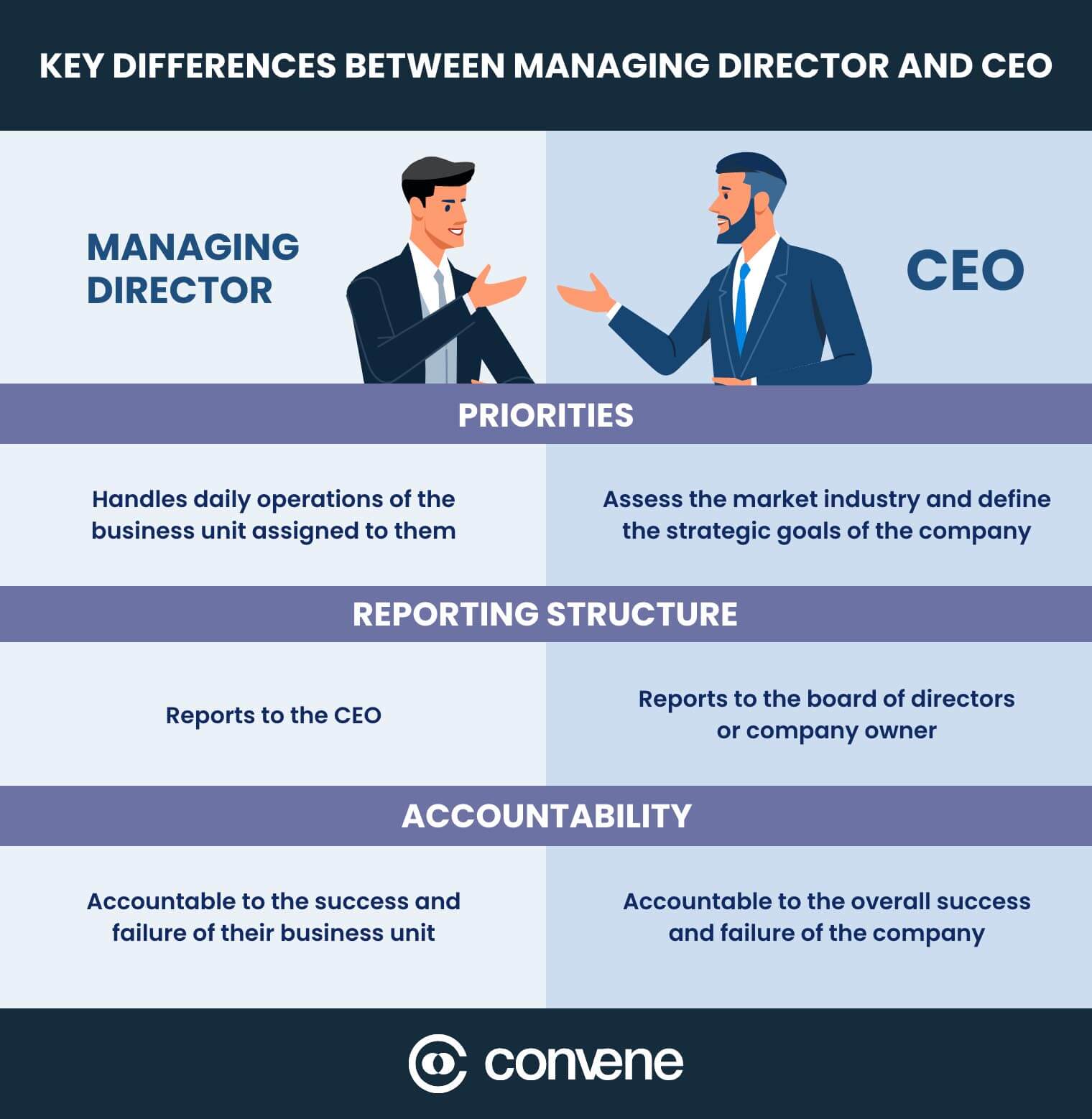
This article delves into the intricate responsibilities and expectations associated with the Managing Director position, examining how these leaders orchestrate success across the critical pillars of modern business: technology, brand, and finance. We’ll explore the strategic directives, financial oversight, brand development, and technological integration that define this dynamic leadership role, painting a comprehensive picture of what it truly means to be a Managing Director in the 21st century.
The Strategic Architect: Vision, Planning, and Execution
At its core, the Managing Director’s role is to act as the primary strategic architect for the company. They are responsible for translating the overarching goals and objectives set by the board into actionable strategies that drive growth, efficiency, and market relevance. This involves a continuous cycle of vision casting, detailed planning, and diligent execution, all while keeping a finger on the pulse of industry shifts and competitive landscapes.
Crafting the Future: Vision and Strategy Development
An MD’s journey begins with articulating a clear, compelling vision for the company’s future. This involves an in-depth analysis of market trends, competitive positioning, and internal capabilities. They must identify potential opportunities for expansion, diversification, or consolidation, always with an eye toward sustainable growth. For instance, in the realm of Tech, an MD might evaluate how emerging technologies like AI, blockchain, or advanced data analytics can be leveraged to create new products, optimize existing processes, or disrupt traditional markets. Their strategic foresight helps in identifying the next big wave in technology that could give the company a competitive edge.
Simultaneously, the MD must meticulously consider the company’s Brand. How will the chosen strategy impact the corporate identity, market perception, and customer loyalty? Strategic development isn’t just about financial gains; it’s about building and reinforcing a brand that resonates with its target audience and stakeholders. The MD leads the charge in ensuring that the brand narrative aligns with the company’s strategic direction. From a Money perspective, this strategic planning involves forecasting financial performance, setting realistic budgets, and allocating capital effectively to fuel growth initiatives. It’s about ensuring that the chosen path is not only innovative and appealing but also financially viable and profitable in the long term. This intricate balance of vision, market understanding, and resource management forms the bedrock of an MD’s strategic responsibilities.
Translating Strategy into Action: Operational Leadership
A brilliant strategy is only as good as its execution. This is where the MD’s operational leadership comes into play. They are responsible for overseeing departmental heads, delegating responsibilities, and establishing key performance indicators (KPIs) to monitor progress. This involves ensuring that all operational activities align with the overarching strategic goals. For example, if the strategy involves a significant digital transformation, the MD would champion the implementation of new Software and systems across departments, ensuring seamless integration and adoption. They would drive initiatives to leverage AI Tools for automating tasks, enhancing decision-making, and improving overall productivity.
In terms of Brand, the MD ensures that every aspect of the company’s operations, from customer service to product delivery, reflects the brand promise. They foster a culture where employees understand and embody the company’s values, reinforcing its reputation internally and externally. Operationally, this might involve quality control measures that protect brand integrity or training programs that enhance customer experience. Financially, operational leadership is about meticulous Budget Control and cost optimization. The MD continuously seeks efficiencies, manages working capital, and ensures that financial targets are met through disciplined execution. They scrutinize expenditures related to Tech investments and Brand campaigns, demanding clear ROI and alignment with financial objectives. Effective operational leadership ensures that strategic visions materialize into tangible results, driving both efficiency and profitability.
The Financial Steward: Driving Growth and Profitability
The Managing Director holds ultimate responsibility for the financial health and performance of the organization. Their role extends beyond mere oversight; it encompasses active participation in financial planning, risk assessment, and investment decisions that secure the company’s long-term viability and profitability. They are the ultimate guardian of the company’s assets and future earnings.
Navigating the Financial Landscape: Budgeting and Resource Allocation
A core responsibility of the MD is to navigate the complex financial landscape through robust budgeting and strategic resource allocation. This involves meticulously forecasting revenues and expenses, creating comprehensive annual budgets, and making critical decisions about capital expenditure. In a world increasingly driven by Tech, MDs must determine how much to invest in cutting-edge Software, new hardware, AI Tools, or cybersecurity infrastructure. They must weigh the potential for increased efficiency and innovation against the associated costs, often requiring detailed ROI analyses. Should the company invest in a new ERP system or a more advanced marketing automation platform? These are questions the MD must answer, always linking the investment back to tangible financial benefits.
The MD also allocates funds crucial for Brand building and maintenance. This includes budgets for marketing campaigns, public relations, design, and reputation management. Understanding that brand equity is a valuable asset, they ensure sufficient investment to cultivate a strong market presence and protect the company’s image. From a broader Money perspective, the MD reviews financial statements, analyzes cash flow, and manages debt and equity. They are responsible for setting ambitious yet achievable financial targets, such as revenue growth, profit margins, and shareholder value, and then devising the strategies to achieve them. This involves not only managing internal finances but also engaging with external stakeholders like investors and lenders, demonstrating the company’s financial stability and growth potential.
Risk Management and Investment Decisions
Beyond budgeting, the MD is crucial in identifying and mitigating financial risks. This includes everything from market volatility and economic downturns to compliance risks and operational inefficiencies that could impact the bottom line. They ensure the company adheres to financial regulations and implements robust internal controls to safeguard assets. A significant aspect of this involves assessing Tech-related risks, such as Digital Security threats, data breaches, and system failures, and investing in preventative measures. The MD understands that a cyberattack can have devastating financial and reputational consequences, making cybersecurity a top financial priority.
Moreover, MDs are instrumental in making significant investment decisions, whether it’s for expanding into new markets, acquiring other companies, or investing in R&D. These decisions are heavily data-driven, relying on financial modeling, due diligence, and a clear understanding of potential returns. For instance, an MD might greenlight an investment in a startup developing disruptive AI Tools if it aligns with the company’s long-term strategy and offers a promising financial outlook. They also consider how these investments might impact the company’s Brand reputation and market positioning. A poorly chosen investment can damage both financial health and brand image. By balancing growth opportunities with prudent risk management, the Managing Director ensures the company’s financial resilience and continuous growth.
The Brand Ambassador: Shaping Identity and Reputation
In an increasingly interconnected and transparent world, the Managing Director serves as the ultimate custodian and ambassador of the company’s brand. Their role extends far beyond internal operations to actively shaping how the company is perceived by customers, employees, partners, and the wider public. A strong brand is not just a logo; it’s a promise, an experience, and a valuable asset that drives loyalty and revenue.
Cultivating Brand Identity and Market Presence
The MD plays a pivotal role in defining and articulating the company’s core values, mission, and unique selling proposition. They work closely with marketing and communications teams to ensure a cohesive and compelling brand identity across all touchpoints. This involves overseeing Brand Strategy, guiding the development of Corporate Identity, and ensuring that all external communications reflect the desired image. For example, if the company aims to be perceived as a leader in sustainable Tech, the MD ensures that products, marketing messages, and operational practices all reinforce this commitment. They are responsible for approving major marketing campaigns and public relations initiatives, understanding their impact on market presence and customer perception.
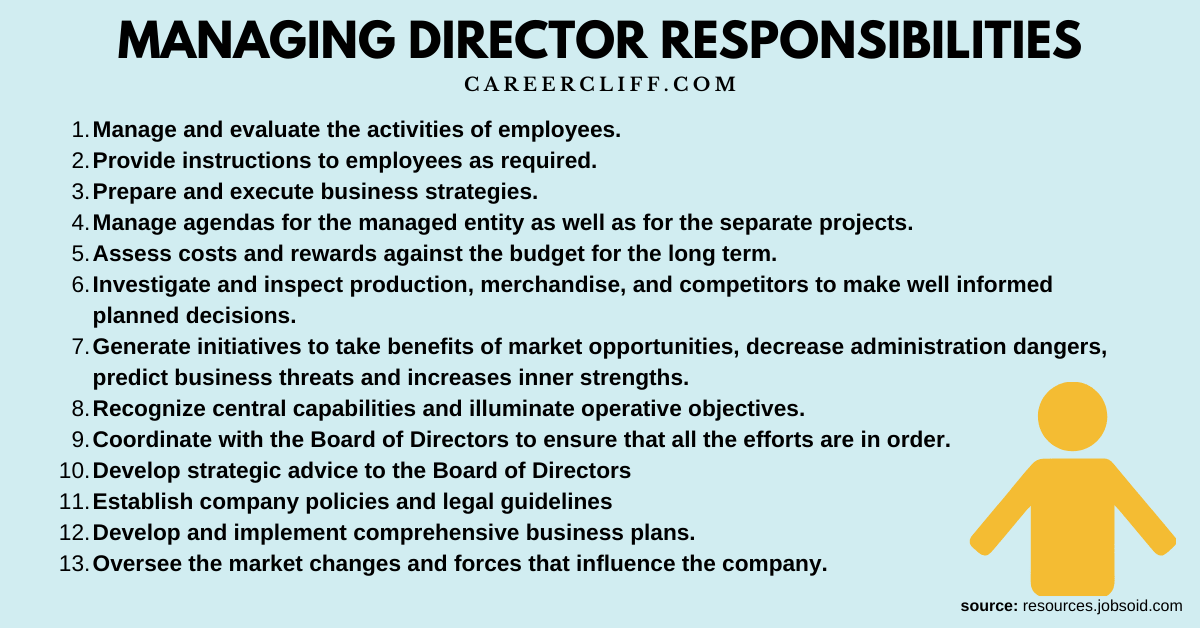
Furthermore, the MD leverages Tech to enhance the brand’s reach and engagement. This includes exploring how Digital Marketing Tools, social media platforms, and data analytics can be used to understand customer sentiment, personalize communication, and expand market penetration. They might advocate for the use of AI Tools to analyze brand performance, predict market trends, or even generate engaging content. From a Money perspective, the MD recognizes that brand value is a significant intangible asset. A strong brand can command premium pricing, reduce customer acquisition costs, and enhance market share, all of which directly contribute to the company’s financial health. Investing in branding is seen as an investment in future revenue and long-term business stability.
Crisis Management and Stakeholder Engagement
One of the most challenging, yet critical, aspects of an MD’s role in brand stewardship is crisis management. When unforeseen events threaten the company’s reputation – be it a product recall, a data breach, or a public controversy – the MD is often the public face of the response. They must communicate transparently and effectively, taking decisive action to mitigate damage and restore trust. This requires a deep understanding of Reputation Management and the ability to navigate intense public scrutiny. Leveraging Tech in these situations is crucial; monitoring social media sentiment, using rapid communication tools, and having a robust Digital Security response plan are all under the MD’s purview to protect the brand.
Beyond crises, the MD is responsible for continuous stakeholder engagement. This involves building and maintaining strong relationships with investors, key customers, employees, suppliers, and regulatory bodies. They represent the company at industry events, investor calls, and important forums, acting as the primary ambassador. Their ability to inspire confidence and articulate the company’s vision significantly impacts investor relations and overall Financial Tools and investment opportunities. By fostering positive relationships and ensuring consistent, honest communication, the MD reinforces the company’s Brand Strategy and secures its social license to operate, ultimately safeguarding both its reputation and its financial future.
The Technological Innovator: Embracing the Digital Frontier
In the modern business landscape, technology is not just a supporting function; it is a core driver of strategy, efficiency, and competitive advantage. The Managing Director, therefore, must be a proactive technological innovator, championing digital transformation and ensuring the organization remains at the cutting edge. They are responsible for integrating technology not just for operational gains, but as a fundamental aspect of their Brand Strategy and Money generation.
Driving Digital Transformation and Innovation
An MD’s leadership in Tech involves recognizing emerging trends and understanding their potential impact on the business model. This means continuously evaluating new Technology Trends, from advanced analytics and cloud computing to the latest AI Tools and machine learning applications. They drive initiatives to integrate these innovations across departments, fostering a culture of continuous learning and adaptation. For example, an MD might push for the adoption of sophisticated Software to streamline supply chain management, or invest in AI Tools for predictive maintenance, thereby reducing operational costs and improving service delivery. They must ensure that the company’s digital infrastructure is robust, scalable, and future-proof.
Moreover, the MD promotes internal innovation, encouraging teams to experiment with new Apps and Gadgets that can enhance productivity or create new business opportunities. This isn’t just about efficiency; it’s about staying relevant and competitive. By embracing digital transformation, the MD ensures the company’s Brand is perceived as modern, forward-thinking, and customer-centric. They understand that a seamless digital experience for customers or efficient internal processes can significantly boost brand reputation. From a Money perspective, these technological investments are directly linked to potential returns: cost savings from automation, new revenue streams from digital products, or increased market share due to superior technological capabilities. The MD carefully assesses the ROI of each tech initiative, ensuring it contributes positively to the bottom line.
Enhancing Productivity and Security with Technology
Beyond innovation, the MD is also responsible for leveraging Tech to enhance day-to-day productivity and ensure robust Digital Security. This involves selecting and implementing productivity tools, collaboration platforms, and project management Software that empower employees and optimize workflows. They champion Tutorials and training programs to ensure the workforce is adept at using new technologies, maximizing their utility and impact. By streamlining processes and improving communication through technology, the MD creates a more agile and efficient organization, directly impacting operational costs and employee satisfaction.
Critically, the MD prioritizes Digital Security. In an era of escalating cyber threats, protecting sensitive company data, intellectual property, and customer information is paramount. The MD ensures that robust cybersecurity frameworks are in place, investing in the latest security Software, training employees on best practices, and developing comprehensive incident response plans. A major data breach can cause irreparable damage to the company’s Brand, leading to loss of customer trust, regulatory fines, and significant financial setbacks. Therefore, digital security is not just an IT concern but a strategic imperative driven by the MD to protect the company’s assets and reputation. They understand that secure and efficient technological infrastructure is fundamental to sustaining Business Finance and fostering trust among all stakeholders.
Leadership in the Modern Era: Skills and Attributes
The complex and dynamic nature of the Managing Director role demands a unique blend of skills and attributes. While technical competencies in Tech, Brand, and Money are crucial, it is the soft skills and leadership qualities that ultimately differentiate an effective MD from the rest. The ability to inspire, adapt, and make sound decisions under pressure is paramount.
Essential Soft Skills for an MD
At the heart of an MD’s effectiveness lies exceptional communication. They must be able to articulate complex strategies to diverse audiences, from the board to junior employees, and convey the company’s Brand message with clarity and conviction to external stakeholders. This includes active listening, persuasive speaking, and the ability to negotiate effectively. Emotional intelligence is another critical trait, enabling the MD to understand and manage their own emotions, as well as those of others, fostering a positive and productive work environment. This is especially important when leading teams through significant Tech transitions or during periods of financial stress.
Adaptability and resilience are also non-negotiable. The business world is constantly changing, driven by new Technology Trends, shifting market dynamics, and unpredictable economic conditions. An MD must be able to pivot strategies quickly, learn from setbacks, and maintain a steady hand through challenges. Their decision-making skills must be sharp, often requiring them to analyze vast amounts of data (enabled by AI Tools and analytics Software) and make high-stakes choices that impact the company’s Money and future direction. Finally, ethical leadership is fundamental. An MD is the moral compass of the organization, setting the tone for integrity and accountability across all business practices, from financial dealings to brand communications.
The Evolving Role in a Dynamic World
The role of a Managing Director is not static; it continuously evolves in response to global trends and technological advancements. Today’s MD must embrace continuous learning, staying abreast of the latest Technology Trends, geopolitical shifts, and economic indicators. They must understand the nuances of Personal Branding as their own reputation often mirrors that of the company. Their ability to understand and interpret global events impacts not only Business Finance and investment decisions but also the company’s overall Brand Strategy and market positioning.
Furthermore, the modern MD often champions initiatives related to sustainability, diversity, and social responsibility. These are no longer peripheral concerns but integral components of a strong Brand and long-term financial health. The MD must integrate these considerations into strategic planning, ensuring the company operates as a responsible corporate citizen. This forward-looking perspective, coupled with a deep understanding of the interplay between Tech, Brand, and Money, defines the successful Managing Director in the 21st century.

Conclusion
The Managing Director role is undeniably one of the most challenging and rewarding positions in the corporate hierarchy. It demands a sophisticated blend of strategic vision, financial stewardship, brand advocacy, and technological leadership. From crafting long-term strategies and overseeing meticulous operational execution to navigating complex financial landscapes, cultivating a powerful brand identity, and championing digital transformation, the MD is the holistic orchestrator of business success.
In an era defined by rapid technological advancement, intense market competition, and evolving consumer expectations, the Managing Director serves as the pivotal figure who ensures an organization not only survives but thrives. They are the driving force connecting innovation with profitability, reputation with growth, and ultimately, vision with reality. The MD’s unwavering dedication to integrating Tech, reinforcing Brand, and optimizing Money is what truly defines their indispensable contribution to any modern enterprise.
aViewFromTheCave is a participant in the Amazon Services LLC Associates Program, an affiliate advertising program designed to provide a means for sites to earn advertising fees by advertising and linking to Amazon.com. Amazon, the Amazon logo, AmazonSupply, and the AmazonSupply logo are trademarks of Amazon.com, Inc. or its affiliates. As an Amazon Associate we earn affiliate commissions from qualifying purchases.