
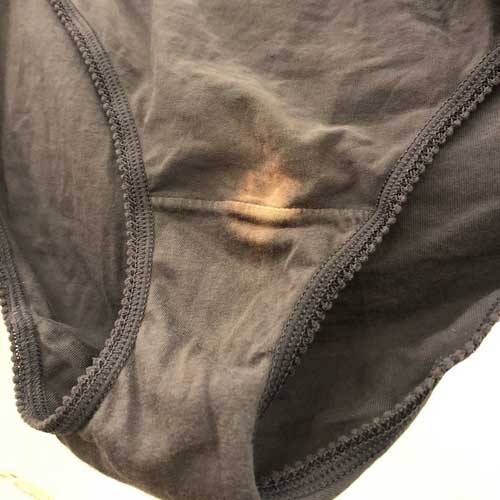
It’s a common, yet often perplexing, sight: those tell-tale white or discolored spots appearing in your underwear. For many, it’s an unsettling discovery that raises questions about hygiene, health, and even what might be going on within the body. While the immediate reaction might be one of concern, the truth is often far less dramatic and more rooted in biological processes. This article will delve into the common causes of these mysterious spots, dissecting the science behind them and offering clarity to a commonly misunderstood issue. We’ll explore the role of bodily fluids, the interaction with laundry chemicals, and even touch upon potential – though rare – medical indicators.
Understanding the Science Behind Underwear Stains
The appearance of white or discolored spots in underwear is primarily linked to the natural secretions of the female reproductive system. These secretions, often referred to as vaginal discharge, are a normal and healthy bodily function. Their composition and appearance can fluctuate due to a variety of factors, including the menstrual cycle, sexual activity, and hormonal changes. The key to understanding the “bleach spot” phenomenon lies in recognizing that vaginal discharge, when mixed with certain elements present in laundry detergents or even residual bleach from washing, can undergo a chemical reaction that results in discoloration.
Vaginal Discharge: A Normal Bodily Function
Vaginal discharge is a fluid produced by the glands in the cervix and vagina. Its primary purpose is to keep the vagina clean, lubricated, and protected from infection. The consistency, color, and odor of vaginal discharge can vary significantly from woman to woman and throughout a woman’s menstrual cycle.
- During ovulation: Discharge tends to be clear, stretchy, and resembles raw egg whites. This is due to an increase in estrogen levels, which prepares the body for potential conception. This type of discharge, being clear and watery, might be less prone to causing noticeable stains.
- Before menstruation: Discharge can become thicker, creamier, and whiter. This is also influenced by hormonal shifts, particularly the increase in progesterone. This thicker, whiter discharge is more likely to be the culprit behind those discolored spots.
- Other factors: Stress, diet, certain medications (like antibiotics), and sexual arousal can also influence the characteristics of vaginal discharge.
The pH balance of the vagina is also crucial. A healthy vagina typically has an acidic pH, which helps to maintain a balance of beneficial bacteria and ward off harmful ones. When this pH is disrupted, it can lead to changes in discharge, sometimes resulting in a less acidic or even alkaline environment.
The Chemical Reaction: Discharge Meets Laundry Agents
The “bleach spot” effect is not typically caused by bleach itself within the body. Instead, it’s a chemical interaction that occurs after the discharge has come into contact with your underwear and subsequently the laundry process.
- Detergent Breakdown: Many laundry detergents contain enzymes and surfactants designed to break down organic matter – which includes bodily fluids. When these detergents interact with the proteins and other components in vaginal discharge, they can sometimes cause a slight breakdown or alteration in the discharge’s chemical structure.
- pH Sensitivity: If the vaginal discharge is more alkaline than usual, it can react differently with the chemicals in detergents or even the residual bleach left in washing machines from previous loads. The alkaline nature of the discharge can neutralize some of the acidic components in laundry products, potentially leading to a reaction that alters the fabric’s dye.
- Residue from Bleach: While it’s unlikely that your body is producing bleach, it’s possible that trace amounts of bleach could be present in your washing machine or on your underwear from a previous wash. If your discharge has a particular pH or composition at that time, it could react with these residual bleach particles, causing a localized bleaching effect on the fabric. However, this is a less common scenario than the chemical interaction with detergent components.
The key takeaway here is that the “bleach spot” is often a byproduct of the natural composition of vaginal discharge interacting with the chemicals used to clean your underwear. It’s a sign that your laundry products are doing their job, sometimes a little too effectively in specific areas.
When to Consider Other Possibilities
While vaginal discharge is the most common cause of white or discolored spots in underwear, it’s important to acknowledge that other factors can contribute. In rare instances, these spots could be an indicator of a health concern. Understanding these possibilities can help you differentiate between normal bodily functions and when to seek professional medical advice.
Infections and Their Indicators

Changes in vaginal discharge are often the first sign of an infection. While these changes might not always manifest as distinct “bleach spots,” they can contribute to discoloration or a different type of staining.
- Yeast Infections (Candidiasis): These are very common and characterized by a thick, white, cottage cheese-like discharge. While typically described as white, it can sometimes cause a chalky residue.
- Bacterial Vaginosis (BV): BV can cause a thin, grayish-white discharge with a strong, fishy odor. This type of discharge might not cause distinct spots but can lead to general discoloration.
- Sexually Transmitted Infections (STIs): Some STIs, like trichomoniasis, can cause a frothy, greenish-yellow discharge. Chlamydia and gonorrhea can sometimes cause increased discharge, which might be clear, white, or yellowish.
If you notice significant changes in the color, consistency, or odor of your vaginal discharge, accompanied by itching, burning, or pain, it’s crucial to consult a healthcare provider. These symptoms, rather than the specific appearance of a “bleach spot,” are more indicative of an underlying infection.
Other Less Common Causes
Beyond discharge and infections, other less frequent factors might contribute to unusual marks in your underwear.
- Urinary Tract Infections (UTIs): While UTIs primarily affect the urinary tract, severe or persistent infections could potentially lead to some subtle changes in bodily fluids that might interact with underwear. However, this is not a primary symptom.
- Medication Side Effects: Certain medications can alter bodily fluid composition. For example, some hormonal therapies or antibiotics might have a temporary impact on vaginal pH or discharge.
- Dietary Factors: While less direct, significant shifts in diet can sometimes influence the body’s overall pH and fluid balance, which could, in turn, subtly affect discharge.
It’s important to reiterate that the vast majority of white or discolored spots are benign and related to normal vaginal discharge. However, being aware of potential secondary indicators like persistent odor, itching, or pain can empower you to make informed decisions about your health.
Managing and Preventing Underwear Stains: A Practical Approach
While the “bleach spot” phenomenon is generally harmless, it can be a cosmetic concern for some. Understanding how to manage and potentially prevent these marks involves a combination of good hygiene practices, mindful laundry routines, and, when necessary, seeking professional advice.
Best Practices for Personal Hygiene
Maintaining good personal hygiene is fundamental to overall health and can help minimize the occurrence of excessive or altered discharge.
- Gentle Cleansing: Wash the vulvar area daily with mild, unscented soap and water. Avoid harsh soaps, douches, or feminine hygiene sprays, as these can disrupt the natural pH balance of the vagina and lead to imbalances.
- Proper Drying: After washing, gently pat the area dry with a clean towel. Moisture can create an environment where bacteria or yeast can thrive, potentially altering discharge.
- Breathable Underwear: Opt for underwear made from natural, breathable fabrics like cotton. These materials allow air circulation, reducing moisture buildup and helping to maintain a healthy environment. Avoid synthetic materials like nylon or polyester, which can trap heat and moisture.
- Regular Changes: Change your underwear at least once a day, and more frequently if you experience heavy discharge or after exercise.

Optimizing Your Laundry Routine
Your laundry habits can significantly impact how your underwear looks and how these stains are managed.
- Hot Water Washing: Washing underwear in hot water can help to sanitize fabrics and break down organic matter more effectively. However, always check the care label on your underwear to ensure hot water won’t damage the fabric or elastic.
- Appropriate Detergents: Choose a gentle, hypoallergenic laundry detergent that is free from harsh chemicals, dyes, and perfumes. These are less likely to cause reactions with bodily fluids.
- Avoid Overuse of Bleach: While bleach is a powerful disinfectant, its overuse can damage fabric and, as discussed, potentially interact with bodily fluids in unexpected ways. For everyday laundry, consider alternatives like oxygen bleach or simply relying on hot water and a good detergent. If you do use bleach, ensure it’s thoroughly rinsed out.
- Separate Washes: Consider washing your underwear separately from other items, especially if you are concerned about cross-contamination or if you’ve used bleach on other garments. This also allows you to use a hotter water setting specifically for your underwear if needed.
- Pre-Treating Stains (If Desired): If you are concerned about stains, you can pre-treat your underwear with a stain remover specifically designed for biological stains before washing. Follow the product instructions carefully.
By adopting these practices, you can effectively manage the appearance of your underwear and ensure a healthy, comfortable experience. Remember, the occasional white spot is typically a sign of a healthy body. However, paying attention to significant changes in discharge and seeking medical advice when necessary is always the most prudent approach to your well-being.
aViewFromTheCave is a participant in the Amazon Services LLC Associates Program, an affiliate advertising program designed to provide a means for sites to earn advertising fees by advertising and linking to Amazon.com. Amazon, the Amazon logo, AmazonSupply, and the AmazonSupply logo are trademarks of Amazon.com, Inc. or its affiliates. As an Amazon Associate we earn affiliate commissions from qualifying purchases.