
In an increasingly interconnected and complex world, the seemingly simple question, “What does a background check look like?” reveals a multifaceted process integral to everything from securing a job to renting an apartment, and even ensuring the safety of online communities. Far from a singular, static procedure, a modern background check is a dynamic investigation, meticulously compiled from various data sources, scrutinized through advanced technological tools, and critically evaluated against a backdrop of legal and ethical considerations. Its appearance shifts dramatically depending on the context, the depth required, and the jurisdiction, but at its core, it paints a comprehensive picture of an individual’s past to inform future decisions.
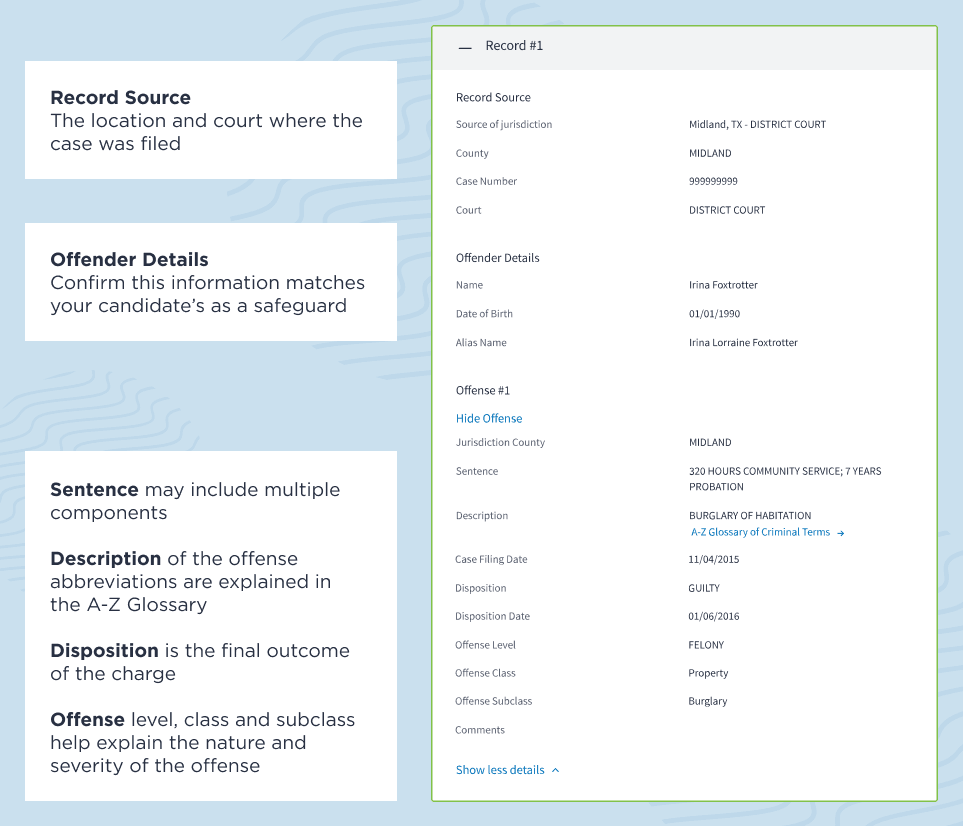
The evolution of background checks has been heavily influenced by three pillars that define our contemporary digital landscape: Technology, which provides the tools and infrastructure; Brand, which necessitates protection and shapes perceptions; and Money, which underscores the financial risks and rewards involved. Understanding a background check today means examining it through these lenses, revealing not just the data points it encompasses, but also the sophisticated systems that compile it, the reputational stakes it carries, and the profound financial implications for both individuals and organizations. This article delves into the intricate architecture of modern background checks, revealing their structure, methodologies, and pervasive impact across professional and personal spheres.
The Digital Lens: Technology Powering Background Checks
The very essence of a modern background check is deeply rooted in technology. What once involved manual searches through dusty paper archives has transformed into a sophisticated digital undertaking, leveraging advanced software, vast databases, and increasingly, artificial intelligence. This technological evolution has not only accelerated the process but also expanded its scope, allowing for a more thorough and precise assessment of an individual’s history.
The Software and Databases Behind the Scenes
At the heart of any comprehensive background check are specialized software platforms and an intricate web of interconnected databases. Professional background screening companies utilize proprietary applications designed to interface with a multitude of public and private data repositories. These include national, state, and local criminal record databases, sex offender registries, civil court records for lawsuits or bankruptcies, and motor vehicle records. Beyond these, educational verification software cross-references claimed degrees and institutions, while employment verification tools contact previous employers to confirm dates of employment, titles, and sometimes even performance metrics.
The sheer volume of data involved necessitates robust data aggregation tools that can pull information from disparate sources, cleanse it, and present it in a digestible format. These tools are often cloud-based, offering scalability and real-time access for background check providers and their clients. The underlying infrastructure relies on secure servers and encrypted channels to protect the highly sensitive personal information being accessed and processed, a critical aspect of digital security in this domain. As technology trends continue to advance, these platforms are constantly updated to integrate new data sources and comply with evolving regulatory landscapes, ensuring both thoroughness and legality.
AI, Automation, and Efficiency
The increasing adoption of artificial intelligence (AI) and machine learning (ML) is revolutionizing the efficiency and accuracy of background checks. AI tools are being deployed to automate repetitive tasks, such as initial data parsing and cross-referencing, significantly reducing the time it takes to compile a report. For instance, AI algorithms can quickly scan through vast quantities of text data, identifying potential discrepancies or red flags that might take a human reviewer hours to uncover. This automation not only speeds up the process, making it more productive, but also minimizes the potential for human error inherent in manual data entry and review.
Beyond simple automation, AI can be used for more sophisticated pattern recognition. It can analyze large datasets to identify trends or correlations that might indicate a higher risk, such as identifying a series of addresses that don’t align with stated residency. While AI’s role in making definitive judgments is still subject to human oversight due to ethical considerations and the need for nuance, its capability to act as an advanced ‘digital assistant’ for background check analysts is undeniable. This integration of AI tools promises to make background checks even more granular and predictive, refining the ability to assess risk while striving for fairness.
Digital Security and Data Privacy Concerns
The very nature of background checks, which involve handling highly sensitive personal data, places immense importance on digital security and data privacy. Cyberattacks and data breaches are a constant threat, and any compromise of personal information—from social security numbers and dates of birth to criminal histories—can have devastating consequences for individuals and severe reputational damage for the organizations involved. Robust cybersecurity measures are paramount, including end-to-end encryption, multi-factor authentication, regular security audits, and adherence to industry best practices for data protection.
Furthermore, compliance with global data privacy regulations like GDPR (General Data Protection Regulation) in Europe and CCPA (California Consumer Privacy Act) in the U.S. is not merely good practice but a legal imperative. These regulations dictate how personal data must be collected, stored, processed, and deleted, granting individuals more control over their information. Ethical AI use is also a growing concern, ensuring that AI tools do not perpetuate biases present in historical data, leading to discriminatory outcomes. Background check providers must navigate this complex landscape, balancing the need for thorough investigation with the fundamental right to privacy and data security.
The Future: Biometrics and Blockchain?
Looking ahead, technology trends suggest even more transformative changes for background checks. Biometric authentication, already common in smartphones and secure access systems, could play a role in identity verification, offering a highly secure and tamper-proof method of confirming an individual’s identity. Imagine a future where a job applicant’s identity is verified not just by documents but by a unique fingerprint or facial scan linked to their verified records, streamlining the process while enhancing security.
Blockchain technology also presents intriguing possibilities, particularly in creating immutable and decentralized records. A “digital credential wallet” secured by blockchain could allow individuals to own and manage their verified background information—education, employment history, certifications, criminal records—and selectively grant access to potential employers or landlords. This approach could significantly reduce fraud, empower individuals with greater control over their data, and streamline the verification process by creating a trusted, transparent, and auditable chain of information. While still largely theoretical for mainstream background checks, these technologies represent the cutting edge of digital security and privacy, potentially reshaping what a background check looks like in the next decade.
Beyond the Resume: The Impact on Brand and Reputation
A background check is not merely a fact-finding mission; it is a critical instrument in shaping and protecting an organization’s brand and an individual’s personal reputation. In an era where corporate identity and personal branding are meticulously cultivated, the outcomes of background checks can have profound, long-lasting effects on how entities and individuals are perceived.
Protecting Corporate Identity and Employer Branding
For businesses, especially in competitive markets, safeguarding corporate identity and nurturing a positive employer brand are paramount. A background check acts as a proactive defense mechanism, ensuring that new hires align not only with the job requirements but also with the company’s values and ethical standards. A single bad hire—someone with a history of fraud, violence, or severe misconduct—can tarnish a company’s reputation, lead to financial losses, decrease employee morale, and even invite lawsuits. This impact extends beyond direct employees to contractors, volunteers, and even partners, all of whom can reflect directly on the organization.
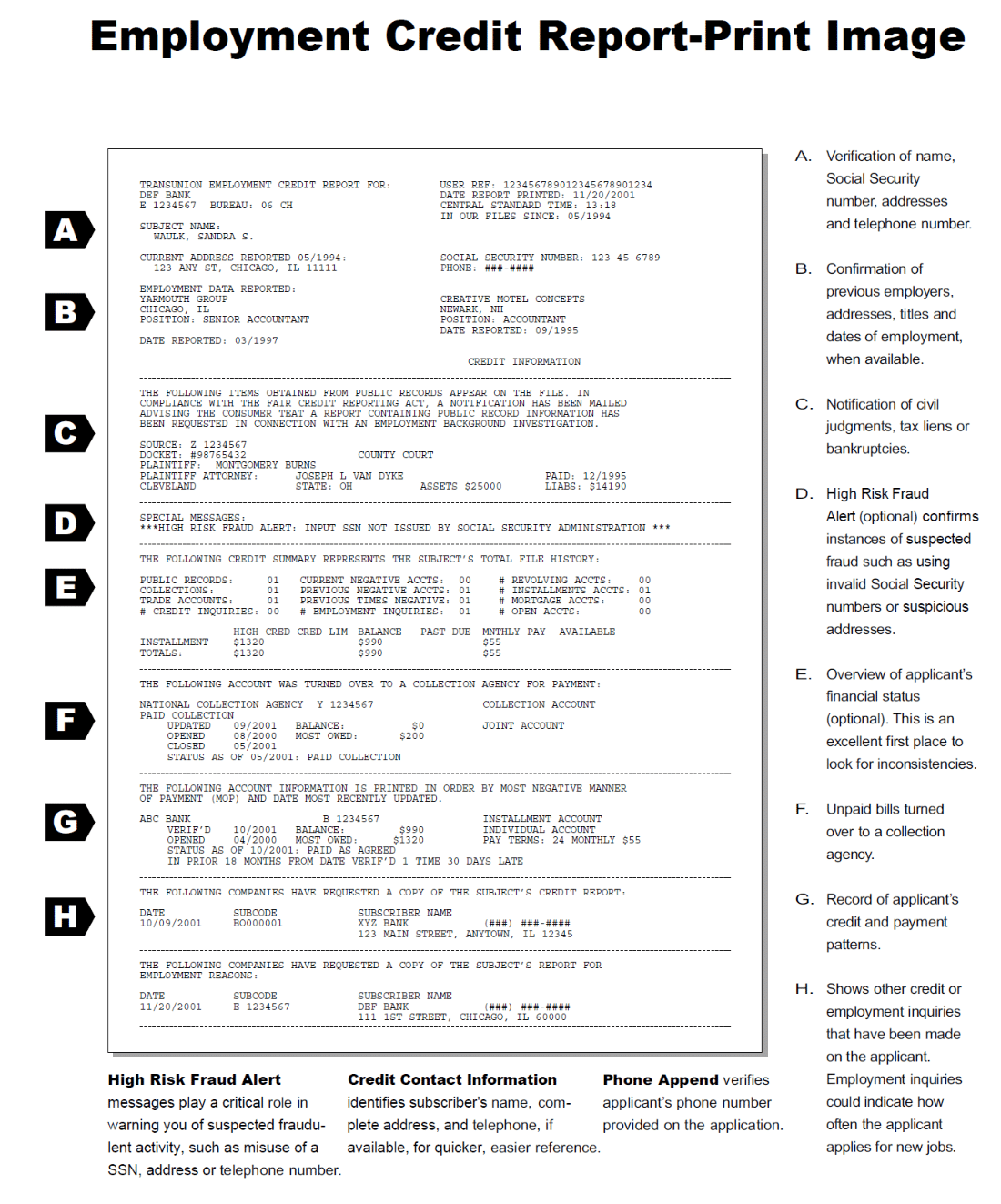
By conducting thorough background checks, companies demonstrate a commitment to due diligence, fostering a secure and trustworthy environment for employees, customers, and stakeholders. This contributes directly to a strong employer brand, signaling that the company takes its responsibilities seriously and invests in the quality and integrity of its workforce. It’s a strategic element of talent acquisition and risk management that enhances marketing efforts by reinforcing a reliable and reputable corporate image. The investment in background checks is thus an investment in the long-term health and reputation of the entire organization.
Personal Branding and the Digital Footprint
In the digital age, everyone has a personal brand, whether consciously cultivated or not. Social media profiles, online publications, forum posts, and even publicly available court records contribute to an individual’s digital footprint, which is increasingly scrutinized during background checks. What a background check looks like for an individual now often includes a deep dive into their online presence, particularly for roles that require significant public interaction or representational duties.
Recruiters and hiring managers may search for inconsistent information, unprofessional content, or behaviors that contradict the values they seek in an employee. A candidate might present a polished resume, but a quick search could reveal questionable activities or opinions that could damage an employer’s brand if associated with them. This necessitates a proactive approach to personal branding, where individuals meticulously manage their online presence, understanding that their digital footprint is an integral part of their “background” that can influence career opportunities and personal standing. Maintaining a consistent, professional, and positive online persona has become as crucial as having an impeccable resume.
Ethical Considerations and Fair Chance Practices
While protecting corporate identity and assessing personal branding are vital, the background check process must be balanced with critical ethical considerations and principles of fairness. The risk of discrimination, particularly against individuals with past criminal convictions, is a significant concern. The “ban the box” movement, for example, seeks to delay inquiries about criminal history until later in the hiring process, giving applicants a fair chance to demonstrate their qualifications before their past is considered. This reflects a broader societal push for “fair chance” practices that allow rehabilitated individuals to re-enter the workforce.
Organizations must carefully weigh the relevance of specific background information to the job requirements, avoiding blanket exclusions that could be deemed discriminatory. For instance, a minor misdemeanor from a decade ago might be irrelevant for an office job, but a recent conviction for financial fraud would be highly pertinent for a banking position. Implementing transparent policies, providing opportunities for applicants to explain discrepancies, and focusing on job-related criteria are crucial for conducting ethical background checks. This not only upholds legal compliance but also supports a diverse and inclusive workforce, which itself can be a powerful component of a positive corporate reputation.
The Bottom Line: Financial Implications and Security
The financial aspects of background checks are pervasive, impacting both the organizations that conduct them and the individuals subject to them. From the direct costs of screening to the profound financial risks mitigated, understanding the “money” aspect is crucial to comprehending the full picture of what a background check looks like.
Costs and Returns: The Financial Investment in Checks
Conducting thorough background checks incurs direct costs, which can vary significantly based on the depth of the investigation, the speed of service, and the number of checks performed. These costs typically cover database access fees, administrative expenses, and the labor of background check specialists. For employers, landlords, or financial institutions, this represents an upfront financial investment.
However, this investment often yields a substantial return by mitigating much larger potential financial losses. The cost of a bad hire—due to theft, fraud, workplace violence, or simply poor performance and subsequent turnover—can easily run into tens of thousands, if not hundreds of thousands, of dollars, far exceeding the cost of a comprehensive background check. Avoiding a single fraudulent tenant can prevent months of lost rent and property damage. For individuals, while direct costs are less common for employer-initiated checks, some licensing bodies or personal verification services may require fees, which are an investment in their professional or personal credibility. Thus, background checks are not an expense, but a strategic financial tool designed to protect assets and ensure stability.
Mitigating Financial Risk: Fraud and Asset Protection
One of the primary drivers behind extensive background checks is the mitigation of financial risk. In an environment rife with cybercrime, identity theft, and corporate fraud, businesses and financial institutions rely heavily on screening processes to protect their assets. A thorough check can uncover a history of financial crimes, embezzlement, or bankruptcy, which are critical indicators for roles involving access to company funds, sensitive financial data, or client investments.
For the “Money” sector, including banking, investment firms, and insurance companies, background checks are non-negotiable. They are essential for complying with regulatory requirements aimed at preventing financial terrorism and money laundering. By verifying financial histories, credit reports, and identifying past fraudulent activities, organizations can proactively safeguard against internal and external threats that could lead to massive financial losses, regulatory fines, and irreparable damage to their reputation. This proactive security measure is a cornerstone of responsible business finance, safeguarding not just capital but the entire financial ecosystem.
Impact on Personal Finance and Economic Opportunity
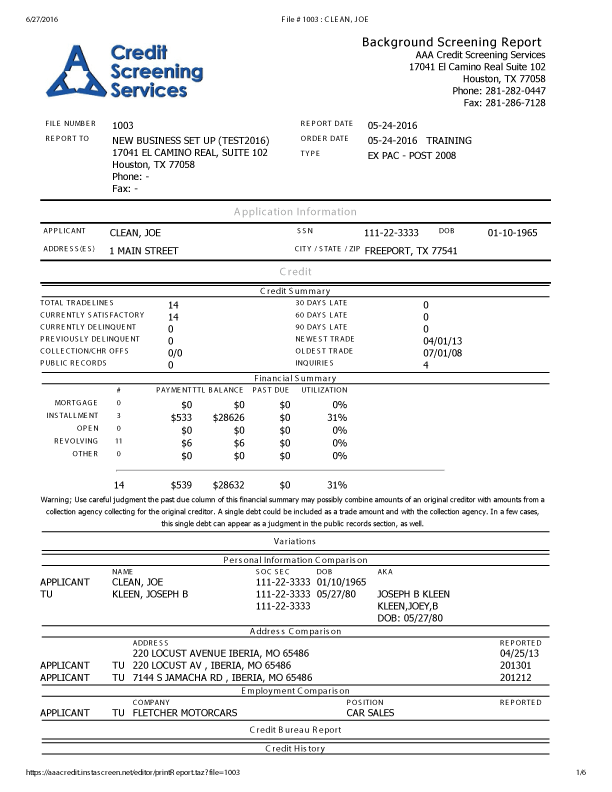
While background checks are primarily a tool for employers and landlords, their outcomes directly impact an individual’s personal finance and economic opportunity. A clean background, free of significant criminal history, poor credit, or problematic employment records, can be a golden ticket, opening doors to desirable jobs, affordable housing, better loan terms, and even entrepreneurial ventures. It signifies reliability and trustworthiness, which are invaluable assets in the professional world.
Conversely, a problematic background can create substantial barriers. A poor credit history can result in denied loans or higher interest rates, limiting access to capital for education, housing, or starting a side hustle. A criminal record, even for non-violent offenses, can make securing gainful employment incredibly difficult, leading to long-term financial instability. This underscores the critical importance of understanding and managing one’s own background. For those engaged in online income generation or side hustles, even seemingly informal roles may increasingly require identity verification and background checks, especially when dealing with financial transactions or public-facing services. Maintaining a strong financial profile and a clear record is not just about avoiding trouble, but about maximizing economic potential and securing a stable future.
Conclusion
The question, “What does a background check look like?” reveals a dynamic, technologically advanced, and profoundly impactful process. It is no longer a simple search for criminal records but a comprehensive digital investigation, meticulously assembled through specialized software and vast databases, and increasingly augmented by artificial intelligence. This technological foundation allows for unparalleled depth and efficiency, though it simultaneously heightens the imperative for robust digital security and stringent data privacy compliance.
Beyond its technical architecture, a background check serves as a vital safeguard for corporate identity and employer branding, meticulously protecting an organization’s reputation from potential threats posed by bad hires. For individuals, it underscores the critical importance of managing one’s personal brand and digital footprint, as these online manifestations are increasingly integrated into the “background” assessment. Finally, the financial implications are undeniable; background checks represent a strategic investment that mitigates significant financial risks, protects assets, and profoundly impacts an individual’s economic opportunities and personal financial stability.
In essence, a modern background check looks like a complex tapestry woven from data, technology, reputation, and economics. As our world continues to digitize and interconnect, the scope and sophistication of these checks will only expand, reinforcing their indispensable role in fostering trust, security, and accountability across all facets of professional and personal life. Navigating this evolving landscape effectively requires a keen awareness of its intricate workings, whether you are an organization seeking to protect its interests or an individual striving to build a secure and prosperous future.
aViewFromTheCave is a participant in the Amazon Services LLC Associates Program, an affiliate advertising program designed to provide a means for sites to earn advertising fees by advertising and linking to Amazon.com. Amazon, the Amazon logo, AmazonSupply, and the AmazonSupply logo are trademarks of Amazon.com, Inc. or its affiliates. As an Amazon Associate we earn affiliate commissions from qualifying purchases.