
The human body is an intricate marvel of engineering, a complex system where every part plays a crucial role. Among its unsung heroes is fascia, a thin yet robust web of connective tissue that envelops muscles, bones, organs, and nerves, extending from head to toe in an uninterrupted, three-dimensional matrix. It provides support, protects delicate structures, allows for smooth movement, and even acts as a shock absorber. When healthy, fascia is supple and elastic, gliding effortlessly with every stretch and contraction. But when subjected to trauma, repetitive strain, poor posture, or even emotional stress, this remarkable tissue can stiffen, thicken, and develop what are known as adhesions. These “fascial adhesions” are essentially areas where the fascial layers become sticky and restrict movement, often leading to a cascade of uncomfortable, confusing, and often debilitating symptoms.
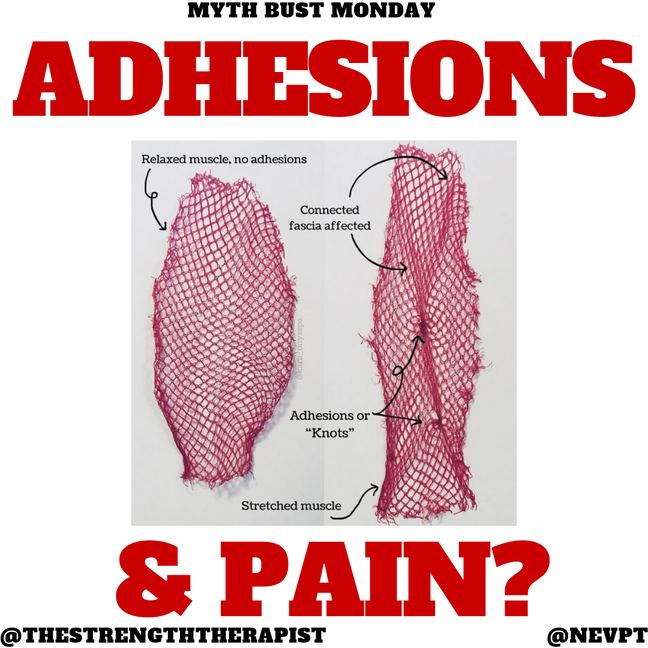
For many, the concept of fascial adhesions remains elusive, often misdiagnosed as simple muscle tightness or joint pain. Yet, understanding what these adhesions feel like is the first critical step towards effective management and recovery. Beyond the personal discomfort, the implications of unaddressed fascial issues ripple through our productivity, our financial well-being, and even the very brands we build, both personal and professional. As we delve into the visceral sensations of fascia adhesions, we’ll also explore how modern technology, strategic branding, and informed financial planning are revolutionizing our approach to this pervasive yet often misunderstood condition.
The Tangible Sensation: Decoding Fascia Adhesion Symptoms
The experience of fascial adhesions is highly individual, varying in intensity, location, and character. However, there are common threads that weave through most accounts, describing sensations that go far beyond typical muscle soreness. It’s a discomfort that can be profoundly frustrating, precisely because it often defies conventional explanations and treatments.
More Than Just “Tightness”: A Spectrum of Discomfort
Many people initially describe fascial adhesions as a persistent “tightness” or “stiffness.” However, this common descriptor barely scratches the surface of the myriad sensations they can evoke. Imagine a piece of fabric that has become wrinkled and stuck together; when you try to smooth it out, it resists, pulling and bunching. This analogy helps to visualize the internal sensation.
Patients frequently report:
- Dull, Aching Pain: A constant, low-grade throb that can be localized to one area or radiate outwards. This ache might worsen with movement or specific postures.
- Sharp, Stabbing Pain: Particularly when attempting to stretch or move in a way that pulls on the adhered tissue. This can feel like a sudden “catch” or “rip” deep within the muscle or joint.
- Burning Sensation: Often described as a deep, internal heat or friction, sometimes mistaken for nerve pain. This is particularly common in areas where adhesions restrict blood flow or impinge on nerves.
- Pulling or Tugging: A distinct sensation of something being physically pulled or constrained inside the body, especially when extending a limb or twisting the torso. This can feel like elastic bands being stretched to their limit, or even beyond.
- Restricted Movement: A palpable limitation in range of motion, where a joint or limb simply “won’t go any further,” despite the absence of a bone block. This isn’t just a feeling of tightness; it’s a genuine physical barrier.
- Numbness or Tingling: When adhesions directly compress nerves, symptoms can mimic nerve entrapment, leading to pins and needles, a loss of sensation, or even muscle weakness in the affected area.
- Sensitivity to Touch: The affected area can become exquisitely tender to palpation, even light touch, making activities like massage uncomfortable or painful.
- Knots or Lumps: While not always visible, some individuals can feel distinct hardened areas or “knots” beneath the skin, particularly in muscles that are frequently used or under stress. These are often trigger points exacerbated by fascial restrictions.
These sensations can shift and change, sometimes feeling better with heat, sometimes with cold, often proving stubbornly resistant to typical stretches or pain relievers. The unpredictable nature of the discomfort further adds to the patient’s frustration.
When Movement Becomes a Challenge: Functional Limitations
The subjective feelings of pain and discomfort translate directly into objective limitations in daily function. Fascial adhesions don’t just feel bad; they actively impede our ability to move freely and perform routine activities.
- Reduced Flexibility and Mobility: Simple acts like bending over, reaching overhead, or turning the head can become painful and restricted. This impacts everything from getting dressed to participating in sports.
- Poor Posture: To alleviate pain or compensate for restricted movement, the body often adopts suboptimal postures, creating a vicious cycle where these new postures perpetuate and even worsen adhesions in other areas.
- Impaired Athletic Performance: Athletes suffering from adhesions experience decreased power, speed, agility, and an increased risk of further injury due to imbalances and restricted biomechanics.
- Difficulty with Daily Activities: Even mundane tasks like sitting for extended periods, driving, lifting groceries, or playing with children can become sources of chronic discomfort or acute pain. The cumulative effect profoundly diminishes quality of life.
The Silent Saboteur: Beyond Physical Pain
The impact of fascial adhesions extends far beyond the physical realm. Living with chronic, unpredictable pain and functional limitations takes a significant toll on mental and emotional well-being.
- Sleep Disturbances: Pain can make finding a comfortable sleeping position difficult, leading to fragmented sleep and chronic fatigue.
- Reduced Concentration and Productivity: Constant pain acts as a significant distraction, making it difficult to focus on work, studies, or even conversations. This directly impacts professional performance and personal engagement.
- Anxiety and Depression: The frustration of living with persistent pain, especially when feeling misunderstood or misdiagnosed, can lead to heightened anxiety, irritability, and symptoms of depression.
- Social Withdrawal: The inability to participate in activities, coupled with constant discomfort, can lead to social isolation and a sense of detachment.
Understanding these multifaceted symptoms is crucial, not just for the individual seeking relief, but for healthcare providers, employers, and even technology developers aiming to provide effective solutions.
Modern Solutions: Leveraging Tech in Fascia Health
The journey to understand and treat fascial adhesions has been significantly advanced by technological innovation. What was once a domain reliant solely on hands-on palpation and anecdotal evidence is now increasingly supported by sophisticated tools that enhance diagnosis, treatment, and ongoing self-management. This convergence of health and technology creates exciting new avenues for both patients and practitioners.
Precision Diagnostics and Personalized Paths: AI and Imaging
Accurate diagnosis is paramount in addressing fascial adhesions, and cutting-edge technology is transforming this process.
- Advanced Imaging: While traditional MRI and ultrasound can show some fascial thickening, newer techniques like high-resolution elastography can measure tissue stiffness and elasticity, providing objective data on adhesion severity. Researchers are also exploring the potential of dynamic ultrasound to visualize fascial layers gliding in real-time, pinpointing areas of restriction.
- AI for Pattern Recognition and Predictive Analytics: Artificial intelligence is poised to revolutionize diagnostics. By analyzing vast datasets of patient symptoms, medical history, lifestyle factors, and imaging results, AI algorithms can identify subtle patterns indicative of fascial issues that might be missed by the human eye. Furthermore, AI could help predict an individual’s susceptibility to adhesions based on genetics or lifestyle, offering preventative strategies. For clinicians, AI tools can assist in creating personalized treatment plans, recommending specific therapies, and monitoring progress with unprecedented precision. This moves us beyond a one-size-fits-all approach to highly individualized care.
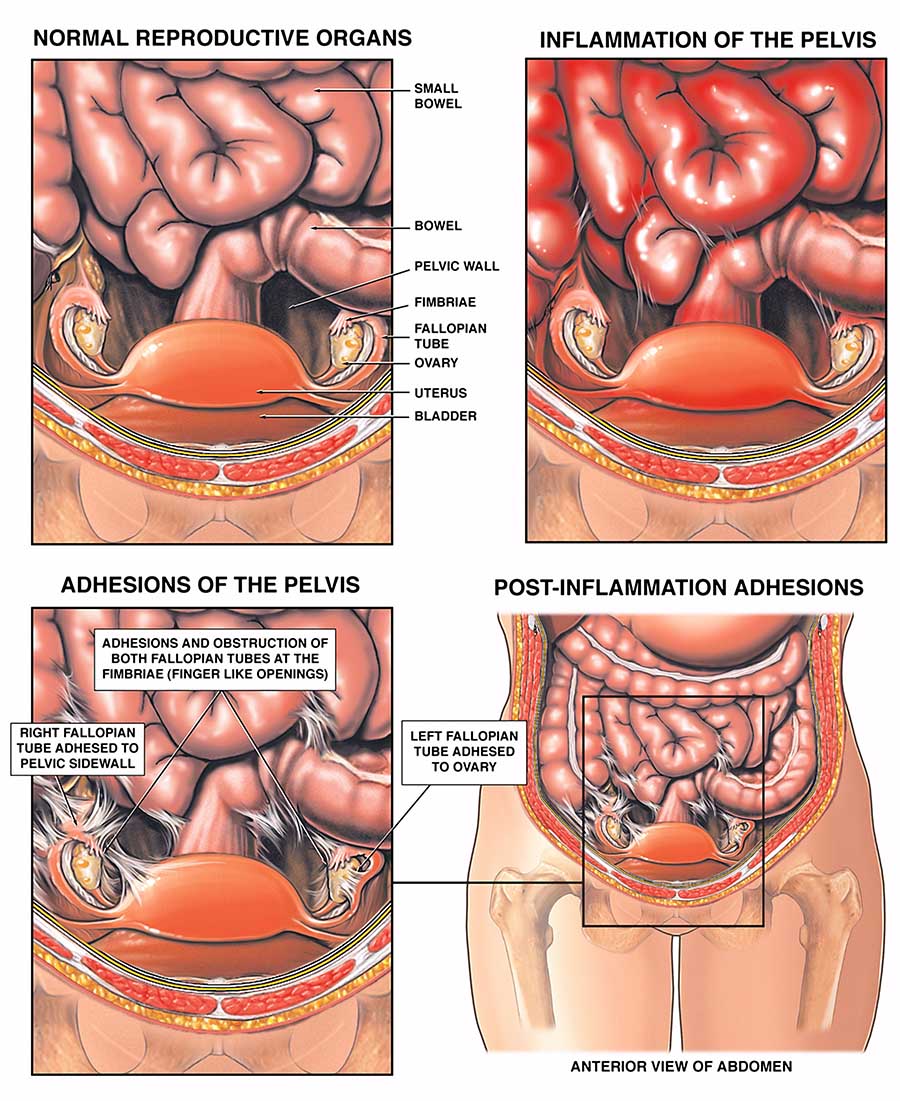
Empowering Self-Care: Wearables, Apps, and Digital Tools
The rise of consumer health tech has brought powerful tools directly into the hands of individuals, democratizing access to self-care and continuous monitoring.
- Smart Massagers and Percussion Devices: Gadgets like high-tech massage guns, often reviewed on tech sites, employ rapid percussive therapy to break up adhesions, increase blood flow, and reduce muscle soreness. Many now connect to apps via Bluetooth, offering guided routines and intensity control based on user feedback or AI analysis.
- Posture Correction Wearables: Devices worn on the back or clothing vibrate gently to alert users when they slouch, helping to retrain posture and prevent the chronic strains that contribute to adhesions.
- Guided Exercise and Rehab Apps: A plethora of apps offer personalized stretching, yoga, Pilates, and specific fascial release exercises. These apps often feature video tutorials, progress tracking, and reminders, making consistent self-care more accessible. Telehealth platforms integrated into these apps also allow users to connect with physical therapists or coaches for virtual consultations and customized programs, extending professional guidance beyond the clinic walls.
- Virtual Reality (VR) for Pain Management and Rehabilitation: VR environments are being explored to distract from pain, reduce anxiety, and even guide complex rehabilitation exercises. Imagine a patient performing therapeutic movements in a soothing virtual world, making repetitive exercises more engaging and effective.
The Future of Therapy: Robotics and Advanced Biomechanics
Beyond personal devices, professional therapy is also benefiting from technological breakthroughs.
- Robotic-Assisted Therapy: In specialized clinics, robotic devices can deliver precise, consistent pressure or movement patterns for fascial release, surpassing the endurance and consistency of human therapists for certain repetitive tasks.
- Advanced Biomechanical Analysis: High-speed motion capture and force plate analysis, often seen in elite sports training, are becoming more accessible. These tools provide granular data on an individual’s movement patterns, identifying subtle imbalances and compensatory mechanisms that contribute to fascial dysfunction, allowing for targeted intervention.
Building a Resilient You: The Brand and Business of Fascia Wellness
The increasing awareness of fascia’s importance has not only spurred technological innovation but also created a dynamic ecosystem of businesses, brands, and financial strategies aimed at promoting fascial health. From individual practitioners building their expertise to corporations investing in employee wellness, the economic and branding implications are significant.
From Personal Wellness to Professional Brand: Experts & Entrepreneurs
For health professionals, specializing in fascial health presents a unique opportunity to build a powerful personal brand.
- Niche Expertise: Therapists, chiropractors, physical therapists, and movement coaches who master fascial release techniques can carve out a distinct niche, attracting clients specifically seeking relief from these complex issues. Their ability to deliver tangible results becomes a cornerstone of their professional reputation.
- Content Creation and Digital Presence: Building a brand in the digital age requires a robust online presence. Experts are creating blogs, YouTube channels, podcasts, and social media content (tutorials, case studies, educational explainers) to educate the public about fascia. This not only positions them as thought leaders but also serves as a potent marketing tool, generating leads and building trust.
- Digital Products and Online Income: Beyond in-person services, many fascia specialists are monetizing their expertise through digital products. This includes online courses on self-fascial release, eBooks detailing recovery protocols, membership sites offering exclusive content, and virtual coaching programs. These ventures provide scalable online income streams and extend their brand reach globally, a prime example of leveraging the “Money” topic through “Brand” and “Tech.”
Corporate Wellness & Productivity: A Financial Imperative
The corporate world is increasingly recognizing that employee well-being is not just a perk but a critical driver of productivity and a significant financial factor. Fascial health plays a direct role.
- Reducing Absenteeism and Presenteeism: Chronic pain from fascial adhesions is a major cause of both absenteeism (employees missing work) and presenteeism (employees at work but underperforming due to pain). Companies are investing in corporate wellness programs that include ergonomic assessments, onsite physical therapy, workshops on posture and movement, and even access to fascial release tools.
- Employer Brand and Talent Attraction: A company that genuinely invests in the health and well-being of its employees enhances its employer brand. This can attract top talent, reduce turnover, and foster a more engaged and loyal workforce. A reputation for caring about employee health translates into a competitive advantage in the job market.
- Long-Term Financial Savings: While initial investments in wellness programs might seem significant, the long-term financial benefits are substantial. These include reduced healthcare costs, lower workers’ compensation claims, and the significant gains in productivity and innovation that come from a healthier, happier workforce. It’s a clear ROI for business finance.
The Smart Investment: Budgeting for Long-Term Health
For individuals, addressing fascial adhesions involves making informed financial decisions about healthcare, preventative measures, and self-care.
- Cost-Benefit Analysis of Treatment vs. Prevention: While treatments for chronic adhesions can be costly (therapy sessions, specialized tools, medications), investing in preventative care (ergonomic furniture, regular movement practices, quality self-care tools) can significantly reduce future expenses and suffering. Understanding this balance is key to personal finance.
- Navigating Insurance and Financial Tools: Health insurance coverage for physical therapy and chiropractic care related to fascial issues varies. Individuals need to understand their benefits, utilize Health Savings Accounts (HSAs) or Flexible Spending Accounts (FSAs), and budget for out-of-pocket expenses.
- Investing in Self-Care Products: While some self-care gadgets can be expensive, they often represent a one-time investment that pays dividends in long-term relief and autonomy. Reviews and comparisons of these “gadgets” on tech sites often help consumers make informed financial choices.
Navigating the Landscape: Resources and Financial Foresight
The journey toward understanding and healing fascial adhesions is ongoing, demanding both informed decision-making and a willingness to explore new avenues. The digital age provides unprecedented access to information, support, and innovative solutions, further blurring the lines between health, technology, and personal finance.
Digital Gateways to Knowledge: Online Resources and Community
The internet has become an indispensable resource for those seeking information about fascial adhesions.
- Trusted Websites and Educational Platforms: Reputable medical and wellness websites, academic journals, and specialized fascia institutes offer a wealth of information. Online learning platforms host courses from experts, making advanced knowledge accessible to a broader audience.
- Online Communities and Forums: Patients can find support and share experiences in online forums and social media groups dedicated to chronic pain or specific conditions. These communities provide a sense of belonging, practical tips, and encouragement, often becoming a vital part of an individual’s coping strategy.
- Digital Security and Health Data: As individuals increasingly use apps and online platforms to manage their health, understanding digital security and privacy for sensitive health data becomes paramount. Choosing reputable apps and platforms that adhere to strong data protection protocols is crucial.
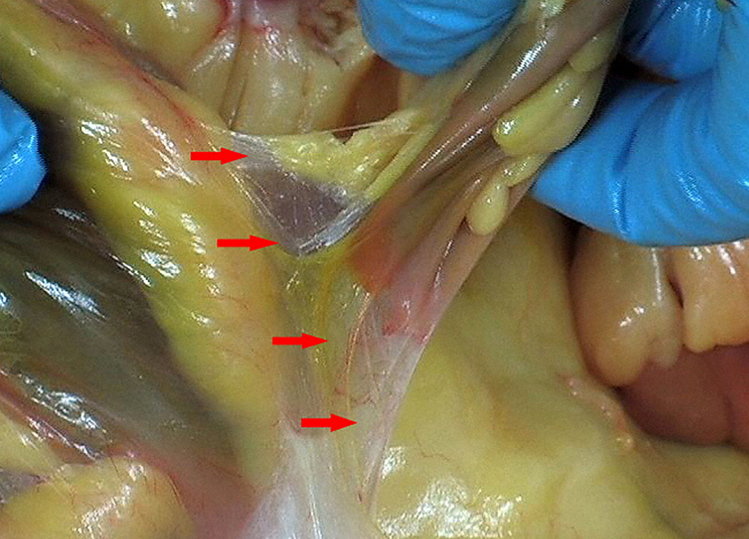
The Financial Blueprint: Investing in Preventative Care and Innovative Solutions
Beyond treatment, a proactive financial approach to health, particularly concerning fascia, can lead to better outcomes and reduced long-term costs.
- Understanding Insurance and Alternative Therapies: Many traditional insurance plans have limitations on alternative therapies or extended physical therapy. Investigating supplemental insurance, understanding out-of-network benefits, or exploring health sharing ministries can be part of a comprehensive financial plan.
- Crowdfunding for New Tech and Therapies: For those with limited financial means, crowdfunding platforms sometimes offer a way to access experimental treatments or innovative medical devices not covered by insurance. This taps into community support to fund personal health initiatives.
- Investing in Health Tech Startups: For those with an investment mindset, the burgeoning health tech sector, particularly companies developing solutions for pain management, rehabilitation, and preventative care related to connective tissue, presents interesting opportunities. These startups are often at the forefront of AI-driven diagnostics, wearable therapeutics, and digital health platforms.
In conclusion, understanding what fascial adhesions feel like is the crucial first step on a journey towards relief and optimal health. From the nuanced sensations of deep pain and restricted movement to the broader impacts on productivity and well-being, the human experience of this condition is profound. Yet, the landscape of solutions is rapidly evolving, driven by an exciting synergy of technological innovation, strategic branding, and informed financial planning. Whether through AI-powered diagnostics, smart self-care gadgets, the development of expert personal brands, or proactive corporate wellness initiatives, the path to a supple, resilient body is increasingly accessible. By embracing these advancements and integrating a holistic perspective that spans personal health, technology, brand strategy, and sound financial management, individuals can navigate the challenges of fascial adhesions and reclaim a life of comfort, movement, and vitality.
aViewFromTheCave is a participant in the Amazon Services LLC Associates Program, an affiliate advertising program designed to provide a means for sites to earn advertising fees by advertising and linking to Amazon.com. Amazon, the Amazon logo, AmazonSupply, and the AmazonSupply logo are trademarks of Amazon.com, Inc. or its affiliates. As an Amazon Associate we earn affiliate commissions from qualifying purchases.