
Cancer awareness isn’t painted with a single brushstroke; it’s a vibrant, ever-expanding spectrum of colors, each representing a distinct battle, a unique story, and a collective hope. From the iconic pink ribbon for breast cancer to the less widely known periwinkle for esophageal cancer, these hues serve as powerful visual cues, rallying cries, and symbols of solidarity in the global fight against a complex disease. But beyond their immediate visual impact, these colors are interwoven with the fabric of modern life, deeply connected to how technology disseminates information, how brands build identity and trust, and how financial resources are mobilized to fund research and support. Understanding “what color is cancer awareness” isn’t just about memorizing a palette; it’s about recognizing the intricate ecosystem of innovation, strategy, and compassion that these colors represent.
The Spectrum of Hope: Understanding Cancer Awareness Colors
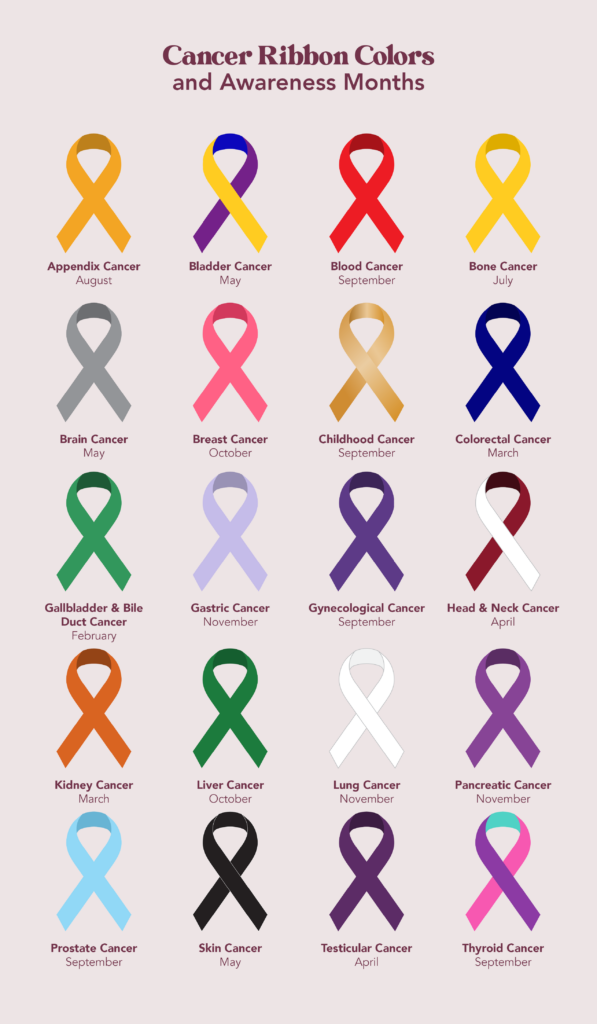
The use of specific colors to represent different types of cancer has become a universally recognized language of advocacy and support. This system didn’t emerge overnight; it evolved from grassroots movements seeking to give a distinct identity and voice to various cancer causes. The most famous example, the pink ribbon for breast cancer awareness, blossomed in the early 1990s, quickly becoming a global symbol of hope, courage, and the urgent need for research and early detection. Its success paved the way for a diverse array of colors to take root, each carefully chosen to resonate with its specific cause and community.
Light blue now signifies prostate cancer awareness, promoting discussions around men’s health and regular screenings. Teal represents ovarian and cervical cancers, drawing attention to often subtle symptoms and the critical importance of gynecological health. Gold shines brightly for childhood cancer, emphasizing the preciousness of young lives and the unique challenges faced by pediatric oncology. From lavender for all cancers to specific shades like lime green for non-Hodgkin lymphoma or orange for leukemia, each color acts as a brand identifier for a cause. This visual lexicon not only unifies patient communities and advocates but also serves as a potent tool for non-profit organizations to differentiate their missions, mobilize support, and make their message instantly recognizable across diverse platforms, from physical merchandise to digital campaigns. The consistency in their application is paramount, building a powerful, unspoken narrative that transcends language barriers and cultural differences, transforming a simple color into a symbol of collective will and resilience.
Tech’s Canvas: Innovating Awareness Through Digital Hues
In an increasingly digital world, the vibrant colors of cancer awareness find new canvases and unprecedented reach through technology. Tech isn’t just a tool; it’s a transformative force, enabling awareness campaigns to be more precise, pervasive, and personalized than ever before. From sophisticated AI algorithms to intuitive mobile applications, technology amplifies the message of hope, education, and prevention, ensuring that “what color is cancer awareness” translates into tangible action.
AI-Driven Insights and Personalized Awareness
Artificial intelligence is revolutionizing how cancer awareness is disseminated and understood. AI tools can analyze vast datasets to identify demographic trends, geographical hotspots, and behavioral patterns, allowing organizations to tailor their awareness campaigns with unprecedented precision. Instead of broad, generic messages, AI can help craft personalized content, directing specific information about breast cancer screenings to women in relevant age groups, or sharing lung cancer prevention tips with populations identified as high-risk based on environmental factors or lifestyle data. Furthermore, AI-powered diagnostic tools are advancing early detection, a cornerstone of cancer awareness. From analyzing medical images for subtle anomalies to predicting individual risk factors, AI contributes directly to the efficacy of awareness efforts by making early intervention more accessible and accurate. This integration of AI means that awareness isn’t just about sharing information; it’s about providing the right information to the right person at the right time, making the colors of awareness more impactful.
Digital Platforms and Interactive Engagement
The digital landscape, encompassing social media, apps, and immersive technologies, provides fertile ground for spreading cancer awareness. Social media platforms become vibrant hubs where users share personal stories, participate in challenges, and amplify messages using specific hashtags and colored filters. A simple act like changing a profile picture to incorporate a specific awareness color can reach hundreds, if not thousands, of connections instantly. Mobile applications offer interactive tools for tracking health metrics, reminding users about screenings, or providing access to educational resources and support groups. Gamification elements within these apps can make health management engaging, turning a mundane task into a rewarding journey. Beyond this, emerging technologies like virtual reality (VR) and augmented reality (AR) are beginning to offer immersive experiences. Imagine a VR simulation that educates users about the internal effects of chemotherapy, fostering empathy, or an AR app that overlays anatomical information onto a patient’s body model, explaining the nature of their specific cancer. These interactive and engaging platforms transform passive reception of information into active participation, deepening understanding and fostering a more engaged community around each awareness color.
Cybersecurity and Data Privacy in Health Tech
As technology increasingly becomes integral to health awareness and management, the importance of digital security and data privacy cannot be overstated. Health data, often highly sensitive and personal, is central to personalized awareness campaigns, AI diagnostics, and patient support systems. Ensuring the robust security of this data is paramount to maintaining public trust and protecting individuals from potential harm. Organizations leveraging technology for cancer awareness must implement stringent cybersecurity measures, adhering to global data protection regulations (like GDPR and HIPAA). This includes secure data storage, encrypted communication channels, and strict access controls. Furthermore, transparency in data usage and clear privacy policies are essential for building confidence among users. Without trust in the security and privacy of their information, individuals may be hesitant to engage with digital health tools, share their data for personalized insights, or participate in online communities. Thus, for the digital hues of cancer awareness to truly resonate, they must be underpinned by an unwavering commitment to protecting the very individuals they seek to help.
Branding Hope: Crafting Impactful Narratives with Color
In the crowded landscape of causes and charities, effective branding is crucial for cutting through the noise and making a lasting impact. Cancer awareness colors are, in essence, powerful brand assets. They are instantly recognizable logos that evoke emotion, build community, and communicate a cause’s mission. “What color is cancer awareness” is therefore a question deeply rooted in brand strategy, personal branding, and corporate identity.
The Psychology of Color in Cancer Awareness
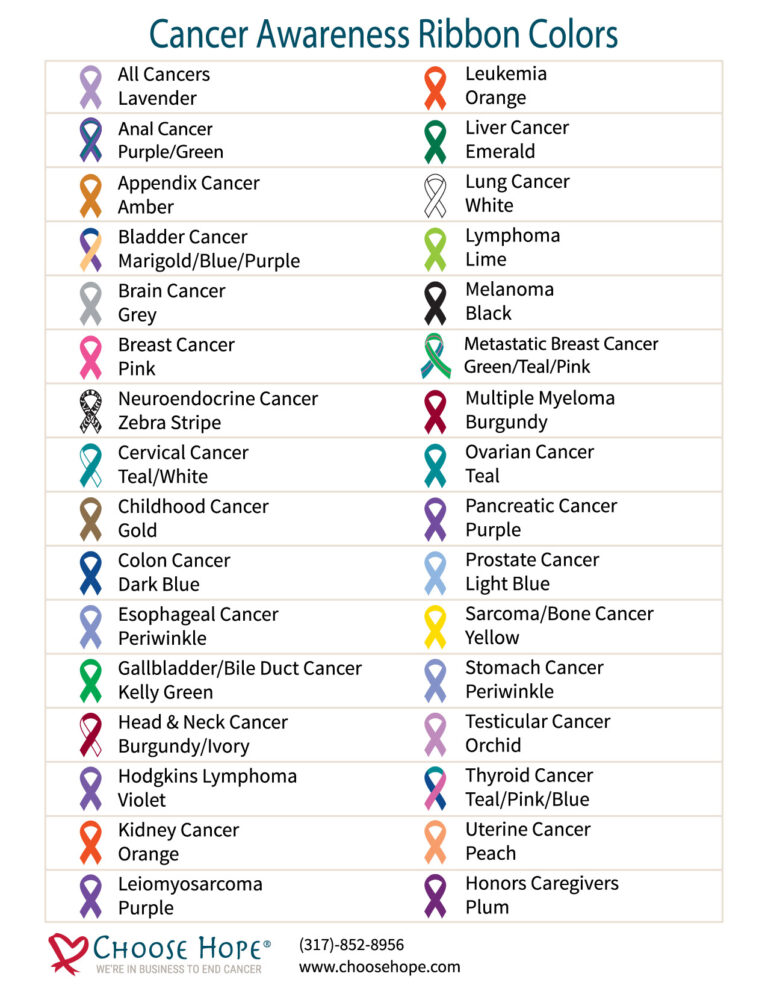
The selection of specific colors for cancer awareness is rarely arbitrary; it’s a strategic choice rooted in color psychology. Colors have innate psychological associations that can profoundly influence perception and emotion. Pink, for breast cancer, is often associated with femininity, nurturing, and gentleness, but it has also come to symbolize strength and solidarity in the face of adversity. Blue, for prostate cancer, often conveys trust, stability, and calm, qualities that encourage men to prioritize their health and seek medical advice. Gold, for childhood cancer, represents preciousness and value, emphasizing the immense worth of young lives and the hope for their future. Teal, for ovarian and cervical cancers, is often seen as sophisticated and unique, drawing attention to diseases that can be insidious and require specific awareness. These intentional color choices are not merely decorative; they are foundational elements of the brand identity for each cause, designed to evoke specific feelings, foster empathy, and create a strong, memorable connection between the visual cue and the urgent message it carries.
Corporate Social Responsibility and Brand Alignment
Businesses increasingly recognize the importance of corporate social responsibility (CSR), and aligning with cancer awareness causes offers a powerful way to demonstrate commitment to social good. Companies often adopt specific awareness colors into their branding during designated months, creating special edition products, or launching campaigns that donate a portion of sales to charity. This “cause marketing” can significantly enhance a brand’s reputation, foster consumer loyalty, and resonate with a socially conscious customer base. For example, a sports apparel company might feature pink merchandise in October, or a tech company might sponsor a light blue ribbon event for prostate cancer.
However, genuine alignment goes beyond superficial “pink washing.” Successful brand partnerships are built on authenticity, transparency, and a long-term commitment to the cause. Brands that integrate cancer awareness into their core values, actively participate in fundraising, and genuinely support research or patient services build trust and reinforce their corporate identity as responsible citizens. These collaborations not only raise significant funds but also amplify the awareness message, leveraging the company’s marketing reach and brand equity to educate a broader audience about “what color is cancer awareness” and its underlying significance.
Personal Branding for Advocates and Survivors
Beyond corporate entities, individuals are powerful brand ambassadors for cancer awareness. Survivors, caregivers, and advocates often craft their personal brands around their experiences, using awareness colors and symbols to share their stories, inspire others, and build communities of support. A survivor might consistently wear a specific ribbon color, use it in their social media profiles, or incorporate it into their personal blog or advocacy materials. This personal branding creates a tangible, relatable connection, transforming an abstract cause into a human story. By openly sharing their journey, individuals not only raise awareness for their specific cancer type but also break down stigmas, offer hope, and empower others to take proactive steps regarding their health. Their personal narratives, amplified through their chosen colors, become powerful calls to action, demonstrating the real-world impact of the disease and the profound importance of continued awareness and support.
The Economics of Empathy: Funding the Fight Against Cancer
The vibrant colors of cancer awareness are not just symbols of hope; they are also crucial drivers of the financial engine that powers research, patient support, and prevention initiatives. Understanding “what color is cancer awareness” inevitably leads to the question of how these movements translate into tangible financial resources. The intersection of money with awareness campaigns underscores the profound economic impact of cancer and the collective effort required to combat it.
Fundraising Strategies and Financial Tools
Effective fundraising is the lifeblood of cancer awareness and research. The colors themselves become central to countless fundraising strategies, from charity runs where participants don awareness t-shirts to merchandise sales where proceeds support specific causes. Online fundraising platforms have revolutionized the landscape, allowing individuals to launch peer-to-peer campaigns, crowdfunding initiatives, and virtual events that leverage the emotional power of awareness colors to solicit donations. Financial tools, such as sophisticated donor management software, CRM systems, and robust online payment gateways, enable non-profits to efficiently process contributions, track donor engagement, and manage their finances transparently. Furthermore, innovative approaches like blockchain technology are being explored to enhance transparency in donation tracking, allowing donors to see precisely how their contributions are being utilized, thereby building greater trust and encouraging sustained giving. These financial mechanisms transform the symbolic meaning of awareness colors into measurable impact, funding everything from groundbreaking research to vital patient support services.
Investing in Research and Innovation
The fight against cancer is an incredibly resource-intensive endeavor. From basic scientific research to clinical trials and the development of new therapies, the costs run into billions globally. Awareness campaigns, through their effective use of colors, directly contribute to mobilizing these vast sums. Philanthropic organizations and government bodies are major investors, but a growing number of private entities, including venture capitalists and impact investors, are recognizing the potential for both financial and societal returns in the biotech and health tech sectors. These investments fuel innovation, leading to breakthroughs in diagnostics, treatments, and preventative measures. The “money” aspect here is not just about charity; it’s about strategic investment in a future free from cancer. The financial contributions inspired by cancer awareness colors translate into laboratories humming with activity, clinical trials enrolling patients, and eventually, new drugs and therapies that extend and save lives. This long-term financial commitment is essential for sustaining the momentum of scientific discovery and translating it into real-world patient benefits.
Personal Finance and Cancer’s Burden
Beyond the institutional funding for research, cancer awareness also profoundly touches personal finance. A cancer diagnosis can impose an overwhelming financial burden on individuals and families, encompassing medical bills, lost income due to inability to work, and indirect costs like transportation and specialized care. Awareness campaigns, by promoting early detection and preventative measures, implicitly aim to reduce these personal financial catastrophes. Early diagnosis, often prompted by increased awareness of symptoms or the importance of screenings, can lead to less invasive and less costly treatments. Moreover, the colors of awareness often inspire the creation of financial support networks, charities that offer grants, and resources that help patients navigate the complex world of insurance and financial planning. Some individuals and caregivers, facing the financial strain, turn to online income generation or side hustles as a means of support, demonstrating the direct and often difficult intersection of personal finance with cancer. Thus, the economic implications of “what color is cancer awareness” extend from multi-billion dollar research grants to the individual household budget, highlighting the holistic financial challenges posed by the disease.

Conclusion
“What color is cancer awareness?” is not a question with a singular, simple answer. It is a mosaic of hues, each telling a vital story, demanding attention, and inspiring action. These colors are far more than mere visual identifiers; they are dynamic symbols deeply intertwined with the technological advancements that personalize our understanding, the branding strategies that amplify our collective voice, and the financial engines that power our progress. From AI-driven insights to compassionate fundraising, from corporate partnerships to individual acts of advocacy, the spectrum of cancer awareness colors represents a sophisticated, interconnected effort. As we continue to innovate in tech, refine our branding strategies, and bolster our financial commitment, these colors will remain enduring beacons of hope, reminding us that in the fight against cancer, every shade contributes to a brighter, healthier future for all.
aViewFromTheCave is a participant in the Amazon Services LLC Associates Program, an affiliate advertising program designed to provide a means for sites to earn advertising fees by advertising and linking to Amazon.com. Amazon, the Amazon logo, AmazonSupply, and the AmazonSupply logo are trademarks of Amazon.com, Inc. or its affiliates. As an Amazon Associate we earn affiliate commissions from qualifying purchases.