
In the complex ecosystem of modern finance, few sequences of numbers are as fundamental—yet as frequently misunderstood—as the routing number. Whether you are setting up a direct deposit for a new job, sending a digital payment to a friend, or paying your monthly utility bills online, the routing number serves as the invisible GPS that guides your money to its intended destination. Understanding what a routing number is, how it functions, and why it is critical to your financial security is a cornerstone of financial literacy.
The Anatomy and History of Routing Numbers
To understand the routing number, we must first look at its origin. Often referred to as an ABA routing transit number (RTN), this nine-digit code was developed by the American Bankers Association (ABA) in 1910. At its inception, the system was designed to organize the processing of paper checks, making it easier for banks to identify the specific financial institution responsible for honoring a payment.
The Origins and Evolution of the ABA System
The early 20th century saw a massive boom in the number of banks across the United States. Without a standardized system, the manual sorting of checks was a logistical nightmare. The ABA routing number standardized this process, creating a universal language for financial institutions. While we have transitioned from physical paper checks to sophisticated digital transfers, the routing number remains the standard protocol for identifying banks within the U.S. financial network.
Deciphering the Nine Digits
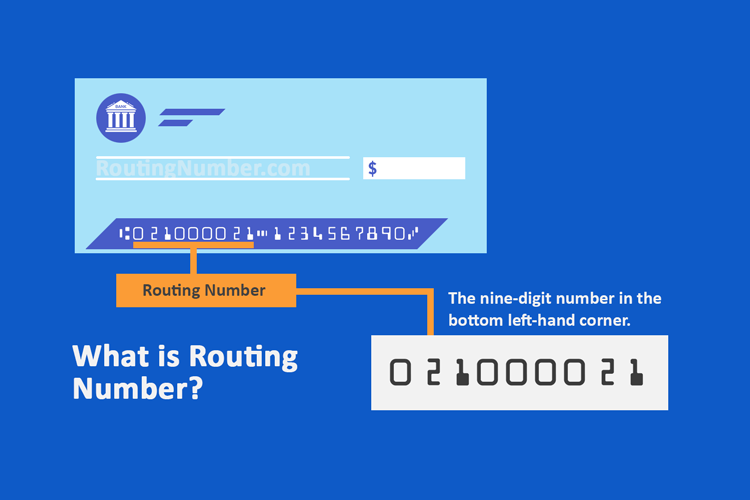
A routing number isn’t just a random string of integers; it is a coded message that provides specific information about the bank.
- The First Four Digits: These are assigned by the Federal Reserve and represent the physical location of the bank or the processing center. They identify the Federal Reserve district where the institution is located.
- The Next Four Digits: These uniquely identify the specific financial institution itself. Even if a bank has thousands of branches across the country, they will often share these identifying digits for their primary headquarters or regional hub.
- The Final Digit: This is known as the “check digit.” It is calculated using a complex mathematical formula involving the first eight digits. This serves as a security feature; if any of the preceding digits are entered incorrectly, the check digit will not align, alerting the system to a potential error before the transaction is processed.
Routing Number vs. Account Number: Understanding the Difference
One of the most common points of confusion in personal finance is the distinction between a routing number and an account number. While they often appear side-by-side on checks and bank statements, they serve entirely different purposes.
The Role of the Routing Number: The Address
Think of the routing number as the “address” of the bank. If you were sending a letter, the routing number would be the equivalent of the city, state, and zip code. It tells the financial system which “building” (bank) the money needs to go to. Because many people use the same bank, thousands of individuals share the same routing number.
The Role of the Account Number: The Occupant
If the routing number is the address of the building, the account number is the “name on the door.” It is unique to you. It identifies your specific checking, savings, or money market account within that institution. While the routing number gets the money to the right bank, the account number ensures the money is deposited into the correct person’s pocket.
Why the Distinction Matters
Confusing these two numbers can lead to significant financial headaches. If you provide an incorrect routing number for a mortgage payment, the funds may be sent to the wrong bank entirely, resulting in late fees and “returned item” charges. Conversely, an incorrect account number with a correct routing number means your bank receives the funds but has no idea which customer they belong to, leading to a lengthy reconciliation process.
Where to Find Your Routing Number
In the digital age, finding your banking information is easier than ever, yet many people still find themselves searching through old paperwork when a form asks for their “RTN.”

Physical Checks
The most traditional way to find your routing number is by looking at a physical check. At the bottom of every check, there is a string of numbers printed in a special font known as MICR (Magnetic Ink Character Recognition). The routing number is almost always the first set of nine digits on the far left. It is followed by your account number and then the specific check number.
Online Banking and Mobile Apps
For those who have moved away from paper checks, your routing number is easily accessible through your bank’s digital portal. After logging in, you can typically find it under “Account Details” or “Routing/Transit Information.” Most major banks now have a “Copy” button next to these numbers to prevent manual entry errors when you are setting up transfers on other websites.
Direct Deposit Forms and Bank Statements
If you don’t have a checkbook and can’t log in online, your monthly bank statement (either paper or PDF) will usually list the routing number near the top of the summary page. Additionally, most banks provide a pre-filled “Direct Deposit Authorization” form on their website that includes the routing number, account number, and bank address in one convenient document.
Common Uses in Modern Personal Finance
The routing number is a workhorse of the financial world. It is utilized in several key types of transactions that form the basis of our daily financial lives.
Setting Up Direct Deposits
Direct deposit is the standard method for receiving payroll, Social Security benefits, or tax refunds. By providing your employer with your routing and account numbers, you allow the Automated Clearing House (ACH) network to move funds directly from the employer’s bank to yours. This eliminates the “float” time associated with paper checks and ensures you have access to your money as soon as it is issued.
Automated Clearing House (ACH) Payments
When you pay your credit card bill, electricity bill, or gym membership directly from your checking account, you are using an ACH transfer. These transactions rely heavily on the routing number to ensure the “pull” request reaches your bank. ACH is generally the preferred method for recurring bills because it is more secure and cheaper than processing credit card transactions.
Domestic Wire Transfers
While ACH is used for standard electronic transfers, wire transfers are used for large, time-sensitive transactions, such as a down payment on a home. It is important to note that some large banks have two different routing numbers: one for ACH and one for domestic wires. Always verify with your institution which number to use for a wire, as using the ACH routing number for a wire transfer can cause the transaction to fail.
Maintaining Financial Security and Privacy
Because the routing and account number combination acts as a master key to your funds, protecting this information is a vital component of your overall financial health.
Protecting Your Banking Information
Unlike a credit card number, which can be easily canceled and replaced if stolen, changing your bank account number is a logistical nightmare. It involves closing the account, opening a new one, and re-configuring every single direct deposit and automated payment you have. Therefore, you should treat your routing and account numbers with the same level of confidentiality as your Social Security number. Never share these numbers over unencrypted email or text messages, and be wary of “phishing” sites that ask for bank details under the guise of an “urgent update.”
What to Do If Your Information Is Compromised
If you suspect that someone has unauthorized access to your banking details, time is of the essence. Contact your bank’s fraud department immediately. While a routing number is public information (anyone can look up the routing number for “Bank of America” online), the combination of your routing number and account number allows someone to initiate unauthorized ACH withdrawals. Most banks offer “Positive Pay” or “ACH Blocks” for business accounts, but for personal finance, the best defense is regular monitoring of your transaction history.

The Future of Routing Numbers: Real-Time Payments
As we move toward a world of “Real-Time Payments” (RTP) and services like FedNow, the role of the routing number is evolving. While the foundational nine-digit system remains, new layers of tokenization and encryption are being added to make these transfers even faster and more secure. However, for the foreseeable future, the routing number remains the indispensable identifier that keeps the global economy moving one transaction at a time.
By mastering the basics of routing numbers, you empower yourself to navigate the financial world with confidence. Whether you are optimizing your savings, managing a business, or simply ensuring your bills are paid on time, this nine-digit code is the key to a seamless and secure financial life.
aViewFromTheCave is a participant in the Amazon Services LLC Associates Program, an affiliate advertising program designed to provide a means for sites to earn advertising fees by advertising and linking to Amazon.com. Amazon, the Amazon logo, AmazonSupply, and the AmazonSupply logo are trademarks of Amazon.com, Inc. or its affiliates. As an Amazon Associate we earn affiliate commissions from qualifying purchases.