
In today’s rapidly evolving technological landscape, where innovation constantly reshapes our world, understanding the true long-term value of an asset is more critical than ever. While we often focus on the shiny new gadgets and the latest software advancements, the vehicles we drive represent significant investments, and their ability to hold their worth over time is a crucial financial consideration. For those navigating the complex intersection of personal finance, brand perception, and technological integration, the question of “what car retains value best” is not just about horsepower or fuel efficiency; it’s about a holistic understanding of longevity, desirability, and economic foresight.
This article will explore the multifaceted factors that contribute to a car’s residual value, drawing insights from the core pillars of Tech, Brand, and Money. We’ll move beyond simple depreciation curves to examine how technological advancements, brand reputation, and strategic financial planning converge to determine which vehicles offer the most robust return on investment in the long run.
The Technological Tipping Point: How Innovation Impacts Residual Value
The automotive industry is undergoing a seismic shift, driven by rapid technological advancements. From the rise of electric vehicles (EVs) and autonomous driving features to the integration of sophisticated infotainment systems and advanced driver-assistance systems (ADAS), technology is no longer just an add-on; it’s a core differentiator. Understanding how these technological shifts influence a car’s long-term value is paramount.
Electrification and the Future of Automotive Value
The transition to electric vehicles is arguably the most significant technological trend impacting residual values. As governments worldwide implement stricter emissions regulations and consumer demand for sustainable transportation grows, EVs are poised to dominate the market.
- Battery Technology and Longevity: A primary concern for early EV adopters was battery degradation and replacement costs. However, as battery technology matures, manufacturers are offering increasingly longer warranties, and the lifespan of EV batteries is proving to be more robust than initially feared. This improved longevity directly contributes to higher residual values as the perceived risk of costly battery replacement diminishes. For instance, advancements in solid-state batteries, while still in development, promise even greater energy density, faster charging, and extended lifecycles, further bolstering the long-term appeal of EVs.
- Charging Infrastructure and Accessibility: The increasing availability and speed of charging infrastructure play a vital role. As public charging networks expand and home charging solutions become more accessible and affordable, the “range anxiety” associated with EVs diminishes, making them a more practical and desirable option for a wider segment of the population. This widespread adoption and reduced inconvenience directly translate to sustained demand and, consequently, better resale values.
- Software Updates and Over-the-Air (OTA) Capabilities: Unlike traditional internal combustion engine (ICE) vehicles, EVs are essentially computers on wheels. Manufacturers are increasingly leveraging OTA software updates to improve performance, add new features, and even enhance safety. This ability to remotely update and upgrade a vehicle means that an EV purchased today can potentially offer a more advanced and desirable experience years down the line, mitigating the obsolescence that often plagues older technology. This digital evolution of the vehicle itself becomes a significant value-retaining feature.
The Influence of Advanced Driver-Assistance Systems (ADAS)
ADAS, ranging from adaptive cruise control and lane-keeping assist to automatic emergency braking, are rapidly becoming standard features. These technologies not only enhance safety but also contribute to a more comfortable and convenient driving experience.
- Safety as a Premium Feature: As consumers become more aware of the safety benefits offered by ADAS, vehicles equipped with these advanced systems will naturally command higher prices and retain their value better. Parents, in particular, often prioritize safety features, making cars with comprehensive ADAS packages more attractive to this demographic.
- The Path to Autonomy: ADAS are seen as stepping stones towards full autonomous driving. Vehicles that offer more advanced levels of semi-autonomous capabilities will likely be perceived as more future-proof and desirable as the technology matures and regulatory frameworks evolve. This forward-looking aspect can significantly influence a car’s long-term appeal.
- Integration and User Experience: The seamless integration of ADAS with the vehicle’s overall system and the intuitive user interface play a crucial role. Brands that excel at providing a user-friendly and reliable ADAS experience will foster greater customer satisfaction and, by extension, stronger residual values. A clunky or unreliable system can detract from the perceived value.
Infotainment and Connectivity: The Digital Cockpit
The modern car is a connected hub. Advanced infotainment systems, seamless smartphone integration (Apple CarPlay, Android Auto), built-in navigation, and in-car Wi-Fi are no longer luxury options but expectations.
- Keeping Pace with Digital Lifestyles: Consumers expect their vehicles to mirror their digital lives. Cars with up-to-date and responsive infotainment systems, offering intuitive navigation and robust connectivity, will remain more desirable for longer. Outdated interfaces and slow performance can quickly make a car feel dated, impacting its resale value.
- App Ecosystem and Customization: The ability to integrate and utilize various mobile apps within the car’s system enhances its functionality and appeal. Brands that foster a strong app ecosystem or offer robust customization options for the digital cockpit will likely see their vehicles hold their value better as they can adapt to evolving user preferences.
- Over-the-Air (OTA) Updates for Infotainment: Similar to powertrain updates, OTA capabilities for the infotainment system allow manufacturers to refresh the user interface, add new features, and fix bugs. This ensures that the car’s digital experience remains relevant and competitive over time, directly contributing to its long-term value proposition.
Brand Perception: The Unseen Driver of Residual Value
Beyond the tangible technological features, a car’s brand reputation plays an indispensable role in determining its residual value. This encompasses everything from perceived reliability and build quality to marketing strategies and the emotional connection consumers forge with a particular marque.
Reliability and Durability: The Foundation of Trust
At the core of any strong brand is a reputation for reliability and durability. Vehicles that consistently perform well in independent reliability surveys and are known for their robust engineering are inherently more valuable.
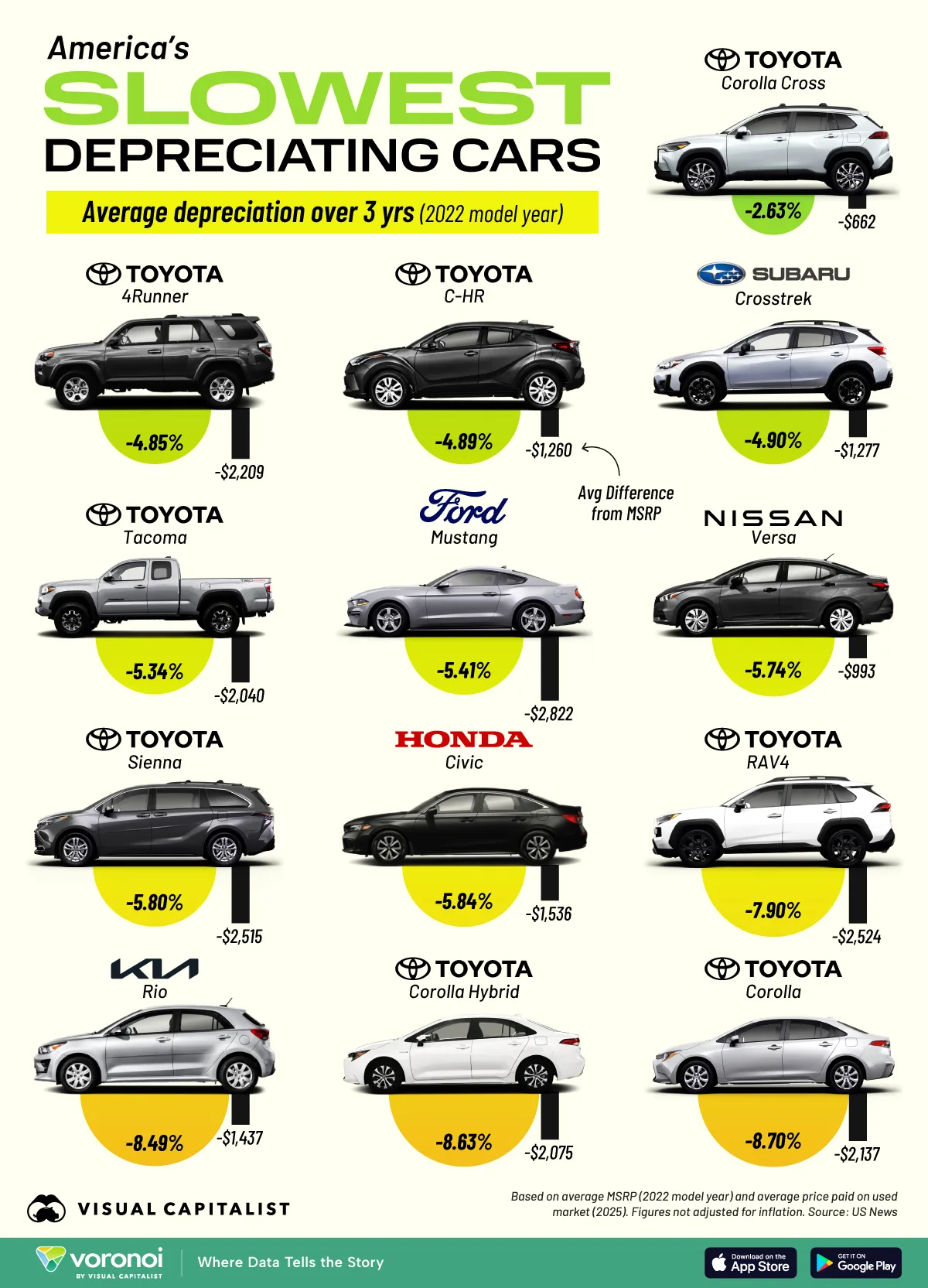
- Independent Review and Consumer Trust: Brands like Toyota and Honda have built decades of trust through their unwavering commitment to reliability. This reputation translates directly into higher demand and better resale values because consumers know what to expect and have confidence in the longevity of these vehicles. Third-party assessments from organizations like Consumer Reports and J.D. Power hold significant weight in consumer purchasing decisions.
- Lower Maintenance Costs and Fewer Repairs: A car known for its reliability will generally incur lower maintenance and repair costs over its lifetime. This is a significant factor for budget-conscious buyers, making such vehicles more attractive on the used market and thus preserving their value.
- Long-Term Ownership Satisfaction: When a car reliably serves its owner for many years without major issues, it fosters loyalty and positive word-of-mouth. This enduring satisfaction contributes to a consistently strong demand for used models of that brand.
Perceived Quality and Craftsmanship: The Luxury Factor
The intangible aspects of perceived quality – the feel of the materials, the precision of the assembly, and the overall refinement of the driving experience – significantly impact a brand’s desirability and, consequently, its residual value.
- Premium Materials and Fit-and-Finish: Brands that utilize high-quality materials, showcase meticulous craftsmanship, and offer a refined interior experience often command a premium price and maintain it better. Think of the interior of a Mercedes-Benz or a Lexus; the attention to detail is a significant part of their brand value.
- Brand Heritage and Exclusivity: Certain brands carry a rich heritage and an aura of exclusivity that can contribute to their long-term appeal. Classic models, limited editions, or vehicles associated with performance heritage can become collector’s items, defying typical depreciation patterns.
- Design Language and Timeless Appeal: A well-executed and timeless design can ensure a car remains aesthetically pleasing for years to come. While trends change, certain design philosophies endure, making cars with a distinctive and classic look more likely to retain their value.
Marketing and Brand Storytelling: Creating Desire
A brand’s ability to craft a compelling narrative and effectively market its vehicles plays a crucial role in shaping consumer perception and driving demand, both new and used.
- Emotional Connection and Lifestyle Association: Brands that successfully associate their vehicles with aspirational lifestyles, performance, or specific values create a deeper emotional connection with consumers. This emotional resonance can translate into a sustained desire for their products, even in the used market.
- Targeted Marketing and Niche Appeal: Brands that effectively target specific demographics or niches can build a loyal customer base. For instance, brands known for off-road capability or sports car performance often have strong followings that ensure consistent demand for their used models.
- Strong Corporate Identity and Reputation Management: A consistent and positive corporate identity, coupled with effective reputation management, builds trust and credibility. Brands that handle recalls efficiently, communicate transparently, and demonstrate a commitment to customer satisfaction are more likely to maintain a positive public image, which benefits their resale values.
The Financial Smartness: Money Matters in Car Ownership
Ultimately, the decision to buy a car is a financial one. Understanding the financial implications of depreciation, ownership costs, and strategic purchasing can significantly impact the long-term value of your automotive investment.
Depreciation: The Silent Value Killer (and How to Mitigate It)
Depreciation is the most significant factor influencing a car’s resale value. However, understanding its patterns and adopting strategies to minimize its impact can lead to substantial savings.
- The Fastest Depreciation Zones: Typically, the steepest depreciation occurs in the first few years of a car’s life. Vehicles often lose 20-30% of their value in the first year alone. Certain models, particularly those with lower demand or rapidly evolving technology (e.g., early mainstream EVs before battery tech matured), may depreciate even faster.
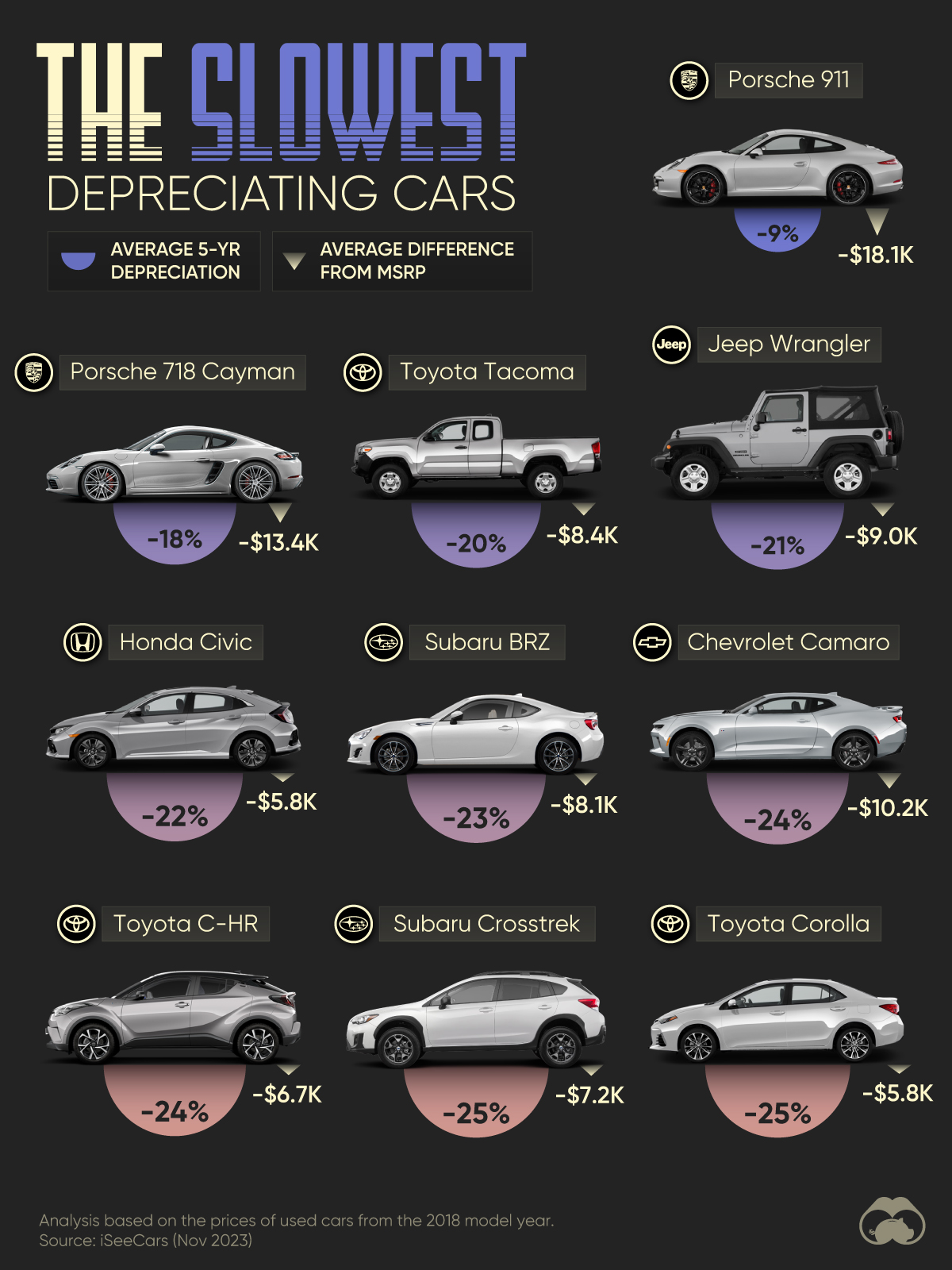
- Choosing Wisely: The Power of Smart Selections: Some vehicle segments and specific models are inherently better at retaining value than others. Generally, SUVs and trucks tend to hold their value better than sedans. Brands known for reliability and desirability (as discussed in the “Brand” section) also perform well. For instance, a Toyota Tacoma or a Honda CR-V often depreciates at a slower rate than many European luxury sedans.
- The Benefits of Used Cars: Purchasing a vehicle that is a few years old can be a financially savvy move. The steepest depreciation has already occurred, meaning you can acquire a well-maintained vehicle at a significantly lower price, making its eventual resale value a smaller percentage loss on your initial outlay.
- Low Mileage and Excellent Condition: Maintaining low mileage and keeping your vehicle in excellent cosmetic and mechanical condition are crucial for maximizing resale value. Regular maintenance, prompt repairs, and careful driving habits contribute significantly to a car’s long-term desirability.
Ownership Costs: Beyond the Sticker Price
The initial purchase price is only one piece of the financial puzzle. Ongoing ownership costs can significantly erode the overall financial benefit of owning a vehicle, indirectly impacting its perceived value.
- Fuel Efficiency and Alternative Fuel Sources: Vehicles with superior fuel efficiency or those that utilize more affordable alternative fuel sources (like electricity for EVs) will have lower running costs. This makes them more attractive to buyers looking at the total cost of ownership.
- Insurance Premiums: The cost of insuring a vehicle varies widely based on its make, model, safety features, and theft risk. Cars with lower insurance premiums are more financially accessible and thus can retain their value better in the used market.
- Maintenance and Repair Expenses: As mentioned earlier, reliable vehicles with readily available and affordable parts will have lower long-term maintenance costs. Brands with a strong service network and reasonable parts pricing have an advantage here.

Strategic Purchasing and Financing: Maximizing Your Investment
The way you purchase and finance a vehicle can also have a financial impact on its long-term value.
- Leasing vs. Buying: While leasing can offer lower monthly payments and the ability to drive a new car every few years, it doesn’t build equity. Buying a car, especially when financed strategically, allows you to own an asset that, while depreciating, still has residual value.
- Financing Options and Interest Rates: Securing favorable financing with low-interest rates can significantly reduce the overall cost of ownership. This means more of your money goes towards the principal, leaving you with a vehicle that is less encumbered by debt when it comes time to sell.
- The Impact of Incentives and Rebates: While manufacturer incentives and rebates can make a new car more affordable upfront, they can sometimes impact the resale value of that specific model later on. Buyers in the used market may factor in the original discounts offered, potentially lowering the perceived value of your car.
In conclusion, determining “what car retains value best” is a complex equation involving the intricate interplay of cutting-edge Tech, the enduring power of Brand, and the pragmatic realities of Money. By understanding how advancements in EV technology, the integration of ADAS, and the evolution of digital cockpits influence desirability; by recognizing the weight of brand reputation, reliability, and perceived quality; and by making financially astute purchasing and ownership decisions, consumers can make informed choices that protect their investments and ensure their vehicles remain valuable assets for years to come.
aViewFromTheCave is a participant in the Amazon Services LLC Associates Program, an affiliate advertising program designed to provide a means for sites to earn advertising fees by advertising and linking to Amazon.com. Amazon, the Amazon logo, AmazonSupply, and the AmazonSupply logo are trademarks of Amazon.com, Inc. or its affiliates. As an Amazon Associate we earn affiliate commissions from qualifying purchases.