
The color red in the automotive world can signify urgency, warning, or simply a vital operational fluid. When you pop your hood and spot a crimson liquid, it’s natural to wonder, “What car fluid is red?” This isn’t a trivial question; understanding the various red fluids in your vehicle is crucial for its proper functioning, maintenance, and your safety. While the most common culprit is readily identifiable, a deeper dive reveals that a car’s internal mechanics rely on a spectrum of red fluids, each with a distinct purpose.
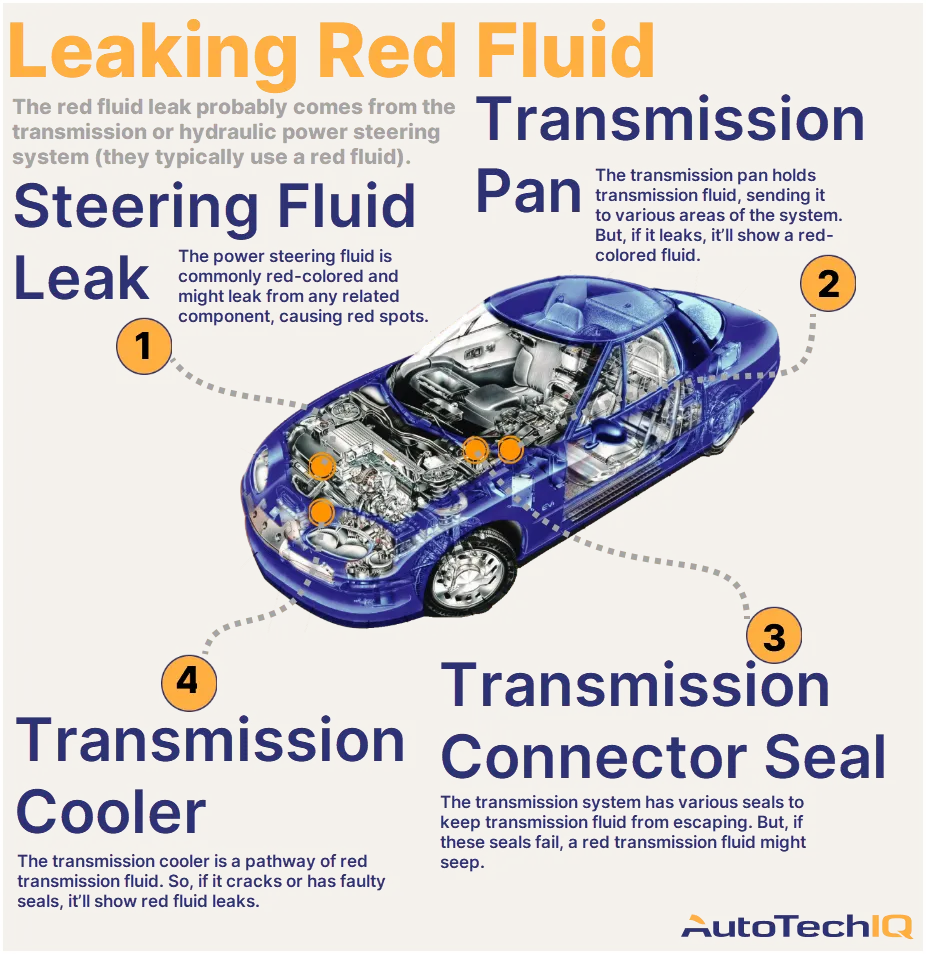
This article will explore the primary red automotive fluids, demystifying their roles, common causes for their presence, and what you should do if you encounter them. We’ll delve into the technical aspects without getting overly jargonistic, touching upon the underlying chemistry and engineering that makes these fluids so vital. For those who lean towards the technological and practical, understanding these elements can empower you to better manage your vehicle’s health and potentially avoid costly repairs.
The Principal Suspect: Power Steering Fluid
When a red puddle appears beneath your car, the first fluid that springs to mind for many is power steering fluid. This vital component is responsible for assisting you in turning your steering wheel, making maneuvers effortless, especially at low speeds. Without it, steering would be significantly more challenging, transforming a smooth drive into a strenuous workout.
What is Power Steering Fluid?
Power steering fluid is essentially a hydraulic fluid. It’s a specially formulated oil that transmits hydraulic pressure throughout the power steering system. This system comprises a pump, a reservoir, a steering rack or gearbox, and a network of hoses. When you turn the steering wheel, the pump pressurizes the fluid, which then pushes on internal components within the steering rack or gearbox, helping to turn the wheels.
Why is it Red?
Many power steering fluids are dyed red. This isn’t for aesthetic purposes but rather for identification. Manufacturers often use specific colors to differentiate their fluids from others, helping mechanics and DIYers choose the correct type. This standardization is particularly important because using the wrong type of power steering fluid can lead to system damage.
Common Causes for Leaks
Encountering red fluid on your driveway often indicates a leak in the power steering system. Several components can be the source:
- Hoses: Power steering hoses are under constant pressure and can become brittle and crack over time due to heat and age. Loose clamps can also contribute to leaks.
- Seals: The power steering pump, steering rack, or gearbox all have seals that prevent fluid from escaping. These seals can wear out and degrade, leading to leaks.
- The Steering Rack/Gearbox: This is a more significant issue, as it involves the core component of the steering system. Leaks here can be more complex and expensive to repair.
- The Power Steering Pump: A failing pump can sometimes develop leaks around its housing or seals.
What to Do If You Suspect a Power Steering Fluid Leak
If you notice a red fluid, it’s essential to act promptly.
- Identify the Location and Amount: Try to pinpoint where the leak is originating and how much fluid is being lost. A small drip is less urgent than a steady stream.
- Check the Fluid Level: Locate your vehicle’s power steering fluid reservoir. It’s typically a plastic container with a cap marked “Power Steering.” Check the fluid level against the markings on the reservoir. If it’s low, you have a leak.
- Note the Color and Consistency: While you know it’s red, observe if it’s clear red and relatively thin, or if it appears murky or has debris. This can provide clues to the severity of the issue.
- Consult Your Owner’s Manual: Your car’s manual will specify the exact type of power steering fluid recommended for your vehicle. Using the wrong fluid can cause significant damage.
- Seek Professional Diagnosis: Even if you can top up the fluid, a leak needs to be addressed. Take your vehicle to a qualified mechanic to diagnose and repair the source of the leak. Driving with a low power steering fluid level can lead to difficult steering and, in severe cases, damage to the power steering pump and other components.
Beyond Power Steering: Other Red Automotive Fluids
While power steering fluid is the most frequent red visitor, it’s not the only one. Understanding other red fluids can prevent misdiagnosis and ensure you’re addressing the correct system.
Transmission Fluid (Automatic Transmissions)
Automatic transmission fluid (ATF) is another common red fluid found in many vehicles. This complex fluid plays a critical role in the operation of an automatic transmission.
The Role of ATF
ATF is not just a lubricant; it’s a hydraulic fluid, a coolant, and a friction modifier.
- Hydraulic Power: It’s used to engage and disengage gears, allowing the transmission to shift smoothly between different ratios.
- Lubrication: It lubricates the intricate moving parts within the transmission, reducing wear and tear.
- Cooling: It helps to dissipate the heat generated by the friction of gears and clutches.
- Corrosion Prevention: It contains additives to protect internal metal components from rust and corrosion.
Why is ATF Red?
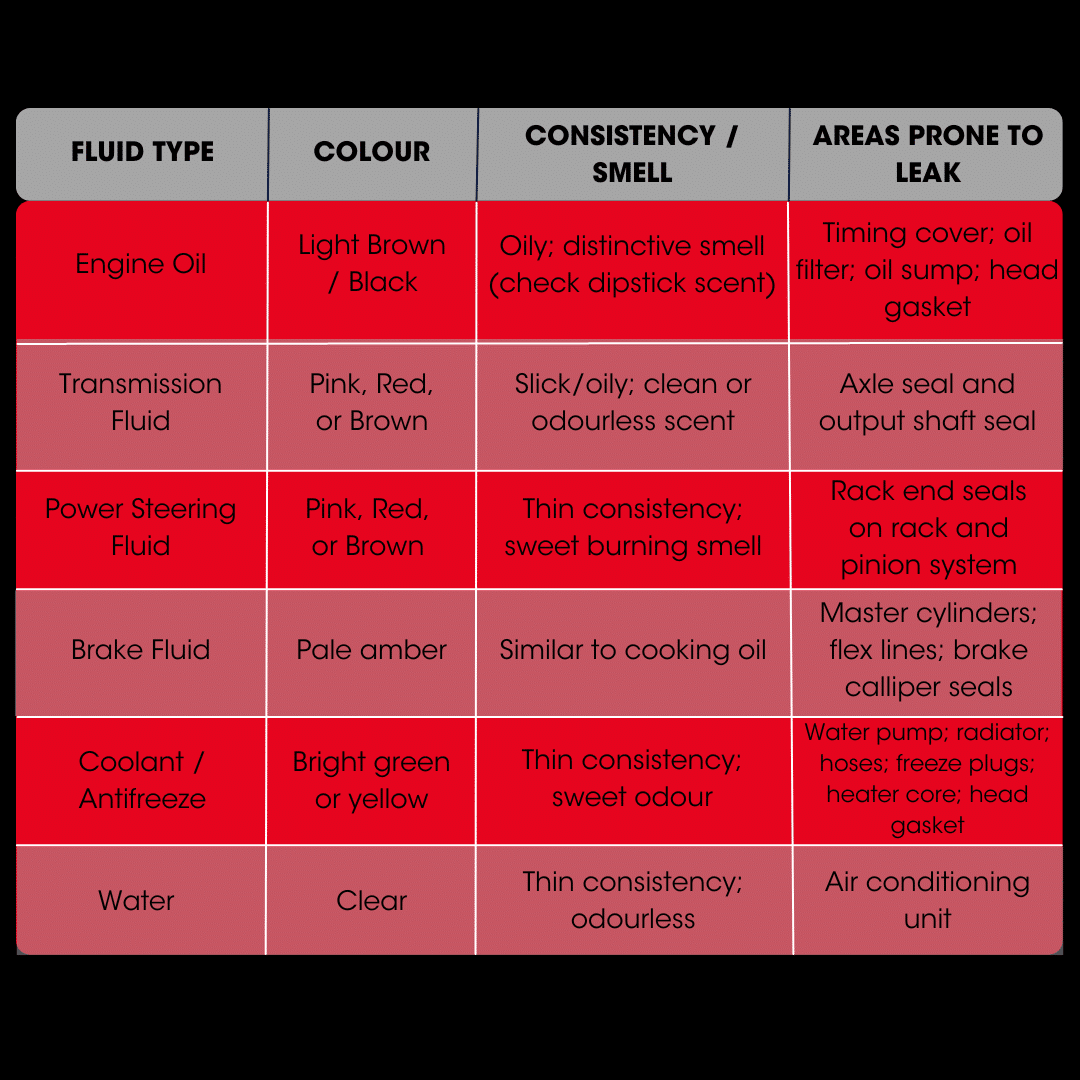
Similar to power steering fluid, ATF is dyed red for identification purposes. This bright color makes it easy to distinguish from other automotive fluids and helps technicians quickly identify a transmission fluid leak. However, the exact shade of red can vary between manufacturers and fluid types.
When to Be Concerned About Red Transmission Fluid
A leak of red transmission fluid is a serious concern and requires immediate attention.
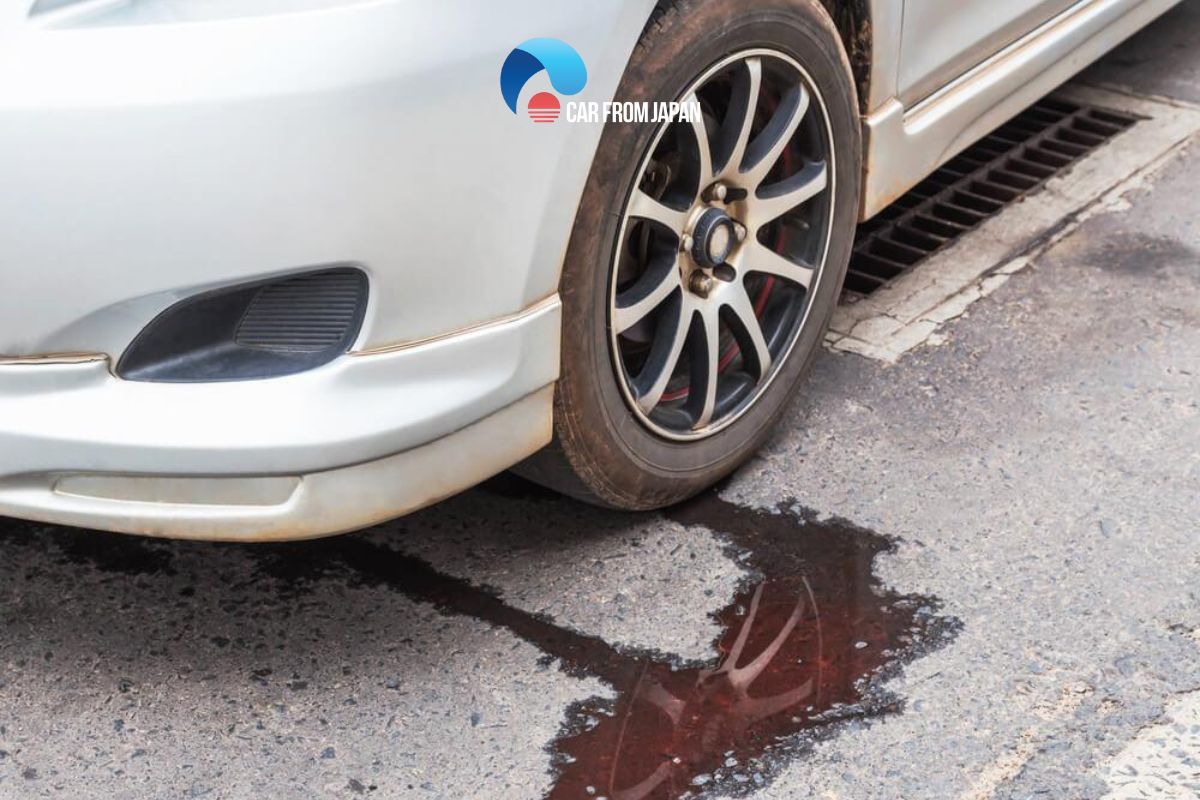
- Puddles Under the Car: If you see red puddles, especially after parking, it’s a clear indicator of a leak.
- Low Fluid Level: Regularly check your transmission fluid level using the transmission dipstick (if your vehicle has one). A low level is a strong sign of a leak.
- Shifting Issues: Problems with shifting gears, such as harsh shifts, slipping, or delays, can be a symptom of low transmission fluid due to a leak.
- Burning Smell: Overheated transmission fluid can produce a distinct burning smell.
Addressing Transmission Fluid Leaks
Transmission fluid leaks are typically more complex to fix than power steering leaks and often require professional intervention.
- Check the Dipstick: If your car has a transmission dipstick (consult your owner’s manual to confirm), check the fluid level and condition. The fluid should be bright red and smell slightly sweet. If it’s dark, smells burnt, or has debris, it indicates more significant issues.
- Identify the Leak Source: Common leak points include transmission pan gaskets, seals, the transmission cooler lines, and the transmission itself.
- Professional Repair is Essential: Due to the complexity of automatic transmissions, it’s highly recommended to have any transmission fluid leak diagnosed and repaired by a qualified mechanic specializing in transmissions. Ignoring a transmission fluid leak can lead to severe damage and a very expensive rebuild or replacement.
Engine Coolant (Antifreeze)
While most commonly associated with green, orange, or yellow hues, certain types of engine coolant, also known as antifreeze, are dyed red. This fluid is indispensable for maintaining your engine’s optimal operating temperature.
The Function of Engine Coolant
Engine coolant circulates through your engine block and radiator, absorbing excess heat generated during combustion. It then releases this heat in the radiator, preventing your engine from overheating, which can cause catastrophic damage. In colder climates, it also prevents the coolant from freezing and damaging engine components.
The Red Variant of Coolant
The introduction of “long-life” or “extended-life” coolants by various manufacturers led to the development of different colored formulations. Some of these advanced coolants utilize Organic Acid Technology (OAT) or Hybrid Organic Acid Technology (HOAT) and are often dyed red. These formulations are designed for longer service intervals and better protection against corrosion. Examples include certain types of Dex-Cool, which is a popular reddish-orange coolant used by General Motors vehicles.
Recognizing Red Coolant Issues
- Puddles Under the Car: Red coolant leaks will appear as vibrant red or reddish-pink puddles.
- Low Coolant Level: Check the coolant reservoir, which is usually a translucent plastic tank. A low level can indicate a leak.
- Overheating: If your engine temperature gauge rises into the red zone, it’s a sign of a cooling system problem, potentially a coolant leak.
- Sweet Smell: Leaking coolant often has a sweet, syrupy odor, which can be a tell-tale sign.
Handling Red Coolant Leaks
- Safety First: Coolant is toxic. Avoid contact with skin and eyes. If you spill it, clean it up thoroughly.
- Check the Reservoir: Inspect the coolant level in the overflow reservoir.
- Locate the Leak: Common leak points include radiator hoses, the radiator itself, the water pump, and heater core hoses.
- Use the Correct Type: If you need to top up, it is absolutely crucial to use the correct type and color of coolant specified in your owner’s manual. Mixing different types of coolants can cause them to gel, clog the system, and lead to severe damage.
- Professional Inspection: For any suspected coolant leak, it’s best to have a mechanic inspect the system. They can identify the source of the leak and repair it, ensuring your engine stays cool and protected.
The Significance of Color Coding and Maintenance
The use of specific colors for automotive fluids isn’t merely an aesthetic choice; it’s a critical aspect of vehicle maintenance and safety. From a technological standpoint, these color codes are a form of standardization that aids in the efficient diagnosis and repair of vehicles.
Technological Integration in Fluid Management
Modern vehicles are increasingly sophisticated, with intricate systems relying on precisely formulated fluids. The color coding acts as a quick visual cue for technicians and even for the average car owner.
- Preventing Mix-Ups: Imagine the chaos if all fluids were clear. A technician might inadvertently add the wrong fluid to a system, leading to costly damage. The distinct red hue of power steering fluid or transmission fluid helps prevent such costly errors.
- Diagnostic Tools: While color is a primary indicator, advanced diagnostic tools also monitor fluid levels and temperatures, feeding data to the vehicle’s computer system. However, the initial visual inspection, aided by color, remains a fundamental step in problem-solving.
- Fluid Formulations and Performance: The chemistry behind these fluids is highly advanced. Red dyes are inert and do not affect the performance or properties of the fluid itself. The technology lies in the base oils, additive packages, and their ability to withstand extreme temperatures, pressures, and wear within their respective systems. For example, the friction modifiers in ATF are crucial for smooth gear changes, and their effectiveness is tied to the precise formulation, not the dye.
The Role of Proactive Maintenance
Understanding these red fluids underscores the importance of regular vehicle maintenance.
- Routine Inspections: Incorporating visual checks of fluid levels and for any signs of leaks during your regular car wash or while checking your tires can catch problems early.
- Following Service Intervals: Adhering to the manufacturer’s recommended service intervals for fluid changes is paramount. Over time, fluids degrade, lose their effectiveness, and can become contaminated, leading to increased wear and potential leaks.
- Using the Right Fluids: Always refer to your owner’s manual for the specific type and specification of fluid required for your vehicle. This is especially critical for transmission fluids and coolants, where using the wrong type can have severe consequences.
- Don’t Ignore the Signs: Any color of fluid appearing where it shouldn’t be is a warning sign. Don’t delay in investigating the cause. Small leaks can quickly become major problems if left unattended.
Conclusion: Heeding the Crimson Warnings
The question, “What car fluid is red?” opens a door to understanding the intricate workings of your vehicle. While the most common answer points to power steering fluid, it’s crucial to recognize that transmission fluid and certain types of engine coolant also share this crimson hue. Each red fluid plays a vital role in ensuring your car operates smoothly, safely, and efficiently.
From a technical perspective, the color coding is a clever yet simple solution that aids in the complex world of automotive mechanics. It empowers drivers and technicians alike to quickly identify potential issues. By understanding the function of these fluids, recognizing the signs of a leak, and committing to proactive maintenance, you can keep your vehicle in top condition and avoid the often significant costs associated with neglected fluid systems. So, the next time you spot a red stain under your car, you’ll be better equipped to understand the warning and take the necessary steps to protect your automotive investment.
aViewFromTheCave is a participant in the Amazon Services LLC Associates Program, an affiliate advertising program designed to provide a means for sites to earn advertising fees by advertising and linking to Amazon.com. Amazon, the Amazon logo, AmazonSupply, and the AmazonSupply logo are trademarks of Amazon.com, Inc. or its affiliates. As an Amazon Associate we earn affiliate commissions from qualifying purchases.