
The names “Disneyland” and “Disney World” evoke images of magic, wonder, and unparalleled entertainment. For generations, these two titans of theme park innovation have captivated millions, becoming synonymous with family vacations and the pinnacle of immersive storytelling. Yet, a common query persists, often sparking debates at dinner tables and among pop culture enthusiasts: Which one came first? Beyond a simple chronological answer, the journey of these two parks offers a profound case study in brand evolution, technological pioneering, and monumental financial investment—themes that resonate deeply with the core principles of modern business and innovation.
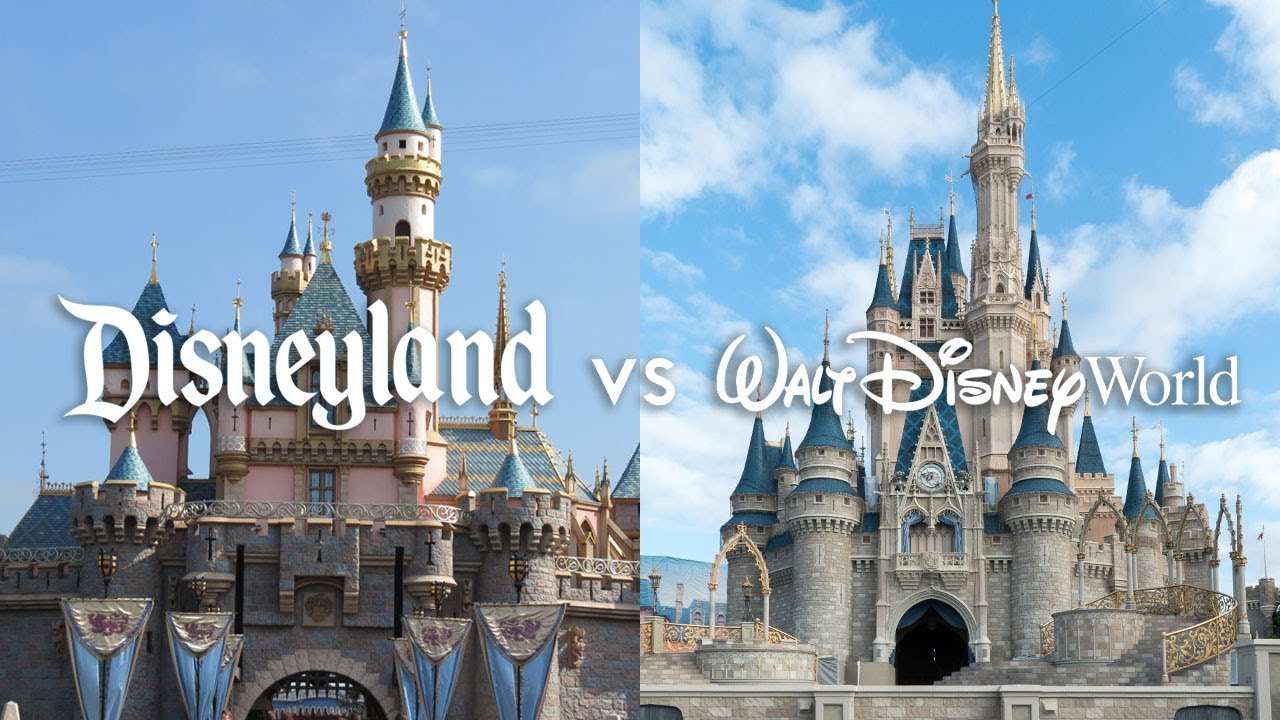
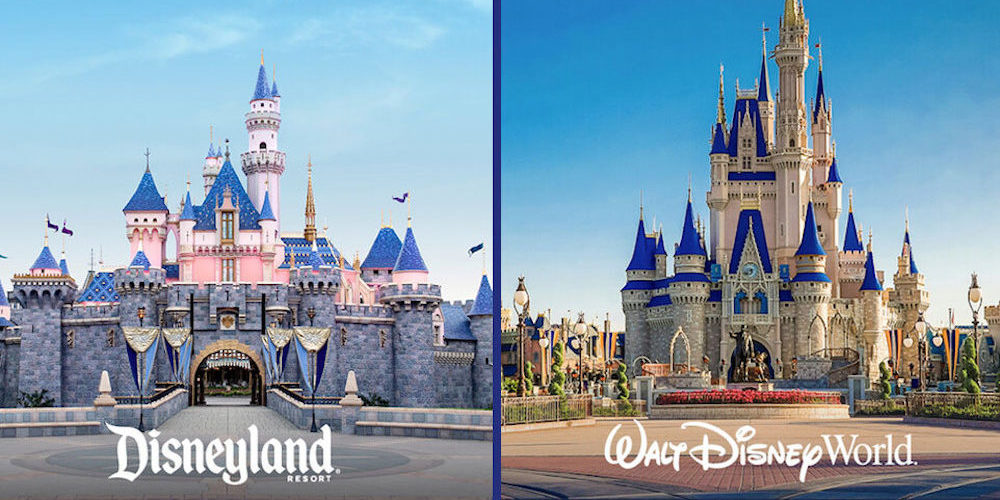
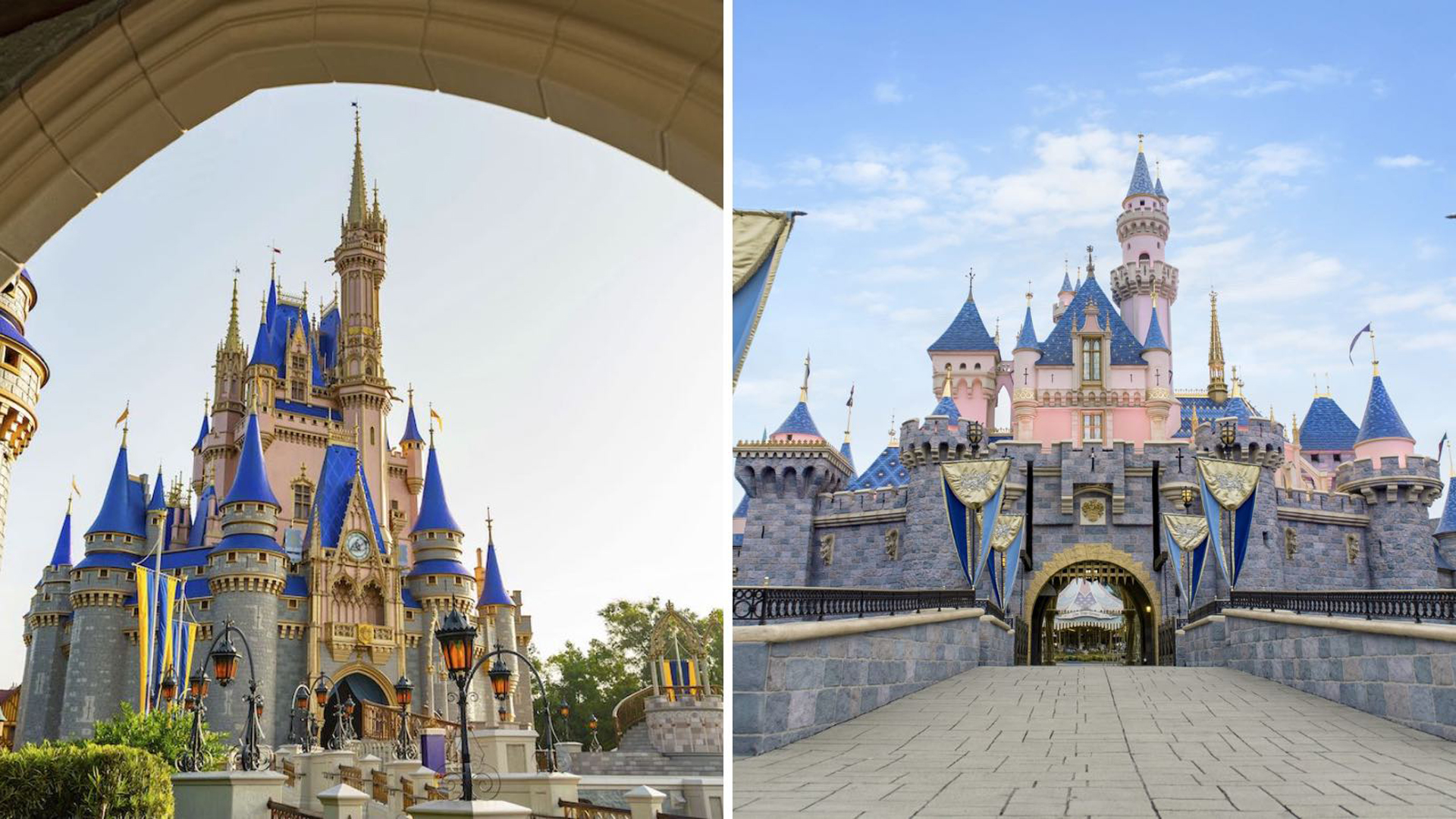
The definitive answer is that Disneyland opened its gates first, on July 17, 1955, in Anaheim, California. This original park was Walt Disney’s singular, ambitious vision brought to life, a revolutionary concept that fundamentally reshaped the entertainment industry. Sixteen years later, on October 1, 1971, the sprawling Walt Disney World Resort debuted in Orlando, Florida, a project of an entirely different scale and ambition, conceived to build upon the successes and lessons learned from its Californian predecessor. To understand the significance of this timeline, we must delve into the distinct genesis and development of each park, examining the technological leaps, strategic branding, and complex financial undertakings that defined their respective eras.
The Genesis of a Dream: Disneyland’s Pioneering Vision
Disneyland was not just an amusement park; it was Walt Disney’s audacious experiment, a “theme park” unlike anything seen before. Frustrated by the often-dingy and unsavory reputation of traditional carnivals and amusement parks of his time, Walt envisioned a clean, safe, and wholesome place where families could create lasting memories together. This vision required not only immense creativity but also significant risks in terms of design, technology, and finance.
Walt’s Personal Brand and Creative Spark
At its core, Disneyland was an extension of Walt Disney’s personal brand – a man renowned for innovation, storytelling, and an unwavering commitment to quality. His personal involvement in every detail, from the park’s layout to the intricate narratives woven into each attraction, forged a corporate identity built on imagination and aspirational experiences. This was a masterclass in personal branding influencing corporate strategy, turning a visionary idea into a tangible, beloved destination. Walt understood that the “Disney Magic” was not just about characters, but about an immersive environment where stories came alive. The early marketing strategies focused heavily on this narrative, leveraging television specials (like the “Disneyland” anthology series on ABC) to introduce the concept and build anticipation, cementing the park’s reputation even before its gates fully opened. This approach became a crucial case study in integrated marketing and brand building, using nascent media platforms to cultivate a loyal audience.
Early Tech Innovations and Guest Experience
Building Disneyland required pushing the boundaries of available technology. Early Imagineers (a term coined by Disney for “imagination” and “engineering”) pioneered techniques in audio-animatronics, sophisticated sound systems, and elaborate show control mechanisms. Attractions like the “Jungle Cruise” and later “It’s a Small World” demonstrated groundbreaking automation for their time, creating lifelike figures and seamless storytelling environments. These weren’t merely mechanical devices; they were integrated elements designed to enhance the guest’s immersion, a form of early experiential tech. The very layout of Disneyland, with its “hub and spoke” design radiating from Sleeping Beauty Castle, was a triumph of spatial planning and crowd management, an early form of productivity design for large-scale human flow. Digital security, though not in the modern sense, was considered in terms of physical safety and operational reliability of rides, laying the groundwork for complex safety protocols that would evolve with technological advancements. The park itself was a grand gadget, a meticulously engineered machine designed to deliver joy and wonder.
The Financial Leap of Faith
Financing Disneyland was arguably Walt’s biggest challenge. Banks were skeptical of his “amusement park” concept, leading him to invest his own life savings and take out loans against his established film studio. A pivotal deal was struck with the American Broadcasting Company (ABC), where ABC provided much-needed capital in exchange for a stake in the park and the rights to air Disney television programming. This innovative financing model was a bold move in business finance, demonstrating the power of leveraging intellectual property (IP) and diversified revenue streams. It was a testament to Walt’s belief in his vision, and his willingness to take substantial personal and corporate financial risks. The success of Disneyland quickly demonstrated the immense return on investment (ROI) possible from a well-executed themed entertainment venture, paving the way for future massive projects and influencing how subsequent entertainment businesses would seek capital and structure their ownership. The park became a money-making machine, generating revenue not just from tickets, but from merchandise, food, and sponsorships, proving the viability of a new economic model for leisure.
The East Coast Empire: Disney World’s Ambitious Expansion
The immense success of Disneyland, coupled with the realization that its relatively small footprint in Anaheim limited further expansion, led Walt Disney to dream even bigger. He envisioned a second, much grander project, one that would not just be a theme park but an entire destination resort, a fully integrated community of the future. This vision materialized as Walt Disney World Resort in Florida, a project that dwarfed Disneyland in scope, ambition, and financial outlay.
Branding an “Experimental Prototype Community of Tomorrow”
Walt Disney World, particularly its original conceptualization, was initially branded with an even more ambitious corporate identity: an “Experimental Prototype Community of Tomorrow” (EPCOT). Walt’s vision for EPCOT was not merely a theme park but a living, breathing city where technological advancements and urban planning innovations would be tested and showcased. While this specific iteration of EPCOT as a functioning city was never fully realized after Walt’s untimely death, the spirit of innovation and future-forward thinking remained a core part of Disney World’s brand strategy. The brand strategy shifted to “The Most Magical Place on Earth,” emphasizing its vastness, variety, and immersive experiences beyond just Magic Kingdom. This evolution in branding reflected a transition from a singular park to an expansive resort destination, offering multiple theme parks, water parks, hotels, and entertainment complexes. The marketing focused on the sheer scale and variety, appealing to a broader demographic seeking extended vacation experiences. It was a strategic move to differentiate from Disneyland and establish a new benchmark for destination branding.
Leveraging Advanced Technology for Unprecedented Scale
Building Disney World presented technological challenges on an entirely different magnitude. The initial purchase of over 27,000 acres of land in central Florida required massive civil engineering projects, including draining swamps and constructing complex infrastructure. This involved early applications of sophisticated surveying software, large-scale construction management tools, and advanced logistical planning systems that would be considered precursors to modern project management software. Imagineering at Disney World pushed boundaries with more complex animatronics, larger-scale show systems, and innovative transportation solutions like the Monorail and the “PeopleMover” (later “Tomorrowland Transit Authority PeopleMover”). These were not just rides; they were proof-of-concept for future urban transit.
Furthermore, managing such a massive operation demanded robust digital security measures for operational systems, guest data, and intellectual property. The integration of various components – from resort check-ins to park access and dining reservations – laid the groundwork for modern interconnected digital ecosystems like the My Disney Experience app. Even early forms of AI tools might have been used in optimizing ride queues or resource allocation, though not under the “AI” moniker as we understand it today. Productivity tools for cast members, from communication systems to inventory management software, were essential to maintain the high standards of guest service across the vast property. Disney World became a living laboratory for integrating technology into every facet of the guest experience and operational efficiency.
The Mega-Project’s Financial Blueprint
The financial undertaking for Walt Disney World was staggering, requiring billions of dollars in investment. Unlike Disneyland, which relied partly on external investors, the success of the Disney Company allowed for greater self-financing, though it still involved complex financial instruments and long-term planning. The sheer scale allowed for diverse revenue streams from multiple parks, dozens of hotels, extensive dining options, and massive merchandise operations. This represented a sophisticated business finance model focused on maximizing “time in the park” and “spend per guest” across a multi-day vacation. The economic impact on central Florida was transformative, creating countless jobs, fueling real estate development, and attracting significant tourism investment to the region. Disney World’s success demonstrated the incredible power of intellectual property as a driver of economic growth and sustained profits, turning fictional characters and stories into tangible assets worth billions. This massive investment not only yielded substantial financial returns for the Walt Disney Company but also created an enduring model for large-scale, integrated entertainment resorts, influencing global tourism and leisure industries.
A Tale of Two Parks: Distinguishing Features and Enduring Legacies
While Disneyland and Disney World share the fundamental “Disney Magic,” their distinct origins and development paths have imbued them with unique characteristics. Understanding these differences and their ongoing evolution provides insights into brand strategy, technological adaptation, and sustained financial success in a dynamic market.
Brand Evolution and Market Differentiation
Disneyland, often referred to as “Walt’s Park,” retains a sense of intimacy and historical significance. Its brand identity leans into nostalgia, classic charm, and a compact, walkable experience. For many, it represents the original dream, a pilgrimage to where the magic began. Its marketing often targets local Californians and those seeking a quintessential, timeless Disney experience.
Disney World, on the other hand, established itself as a sprawling, multi-day vacation destination. Its brand promises an unparalleled “resort” experience, with four theme parks, two water parks, a vast array of hotels, and diverse entertainment options. Its marketing targets a global audience, emphasizing the sheer scope of activities and the ability to customize an entire vacation. This differentiation allows the Walt Disney Company to cater to different market segments and avoid direct internal competition. The corporate identity of Disney has broadened from a single park to a global entertainment conglomerate, with the parks serving as iconic flagships that reinforce the brand across its films, streaming services, and consumer products. This strategy is a prime example of leveraging a powerful brand to create multiple, distinct value propositions.
Modern Tech Integration and Future-Proofing
Both parks are continually evolving, heavily investing in technology to enhance the guest experience and operational efficiency. Modern tech trends like artificial intelligence (AI), advanced software, and smart gadgets are integral to their ongoing success.
- Apps and Productivity: The “My Disney Experience” app (Disney World) and “Disneyland App” are prime examples of productivity tools for guests, offering mobile ordering, virtual queues, interactive maps, and personalized itineraries. These apps leverage AI tools for recommendations and real-time operational adjustments.
- Digital Security: With millions of guests annually and extensive digital infrastructure, robust digital security is paramount. From safeguarding guest data collected via MagicBands (Disney World) or park tickets to protecting proprietary ride control software, cybersecurity is a continuous, top-tier priority.
- AI and Personalization: AI is increasingly used for everything from optimizing ride operations and predicting crowd flow to personalizing guest interactions and tailoring marketing messages. Future trends point towards more immersive AI-driven experiences within attractions themselves, blurring the lines between physical and virtual worlds.
- Gadgets and Immersive Tech: Augmented Reality (AR) and Virtual Reality (VR) are being explored and integrated into attractions, offering new layers of storytelling. Ride vehicles themselves are becoming more sophisticated gadgets, with advanced motion simulation and interactive elements.
- Sustainability Tech: Both parks are also investing in technology for sustainable operations, from waste management solutions to energy-efficient buildings and transportation, aligning with modern environmental consciousness and demonstrating corporate responsibility.
These continuous tech upgrades are not just about novelty; they are about future-proofing the brand, maintaining its competitive edge, and meeting the evolving expectations of a digitally native audience.
The Enduring Financial Impact and Business Model
The financial success of Disneyland and Disney World is staggering, making them cornerstones of The Walt Disney Company’s vast empire. They are massive economic engines, generating billions in revenue annually through ticket sales, merchandise, food and beverage, hotel stays, and licensing.
- Investment and ROI: Ongoing investment in new attractions, infrastructure, and technology is continuous, with multi-million and even billion-dollar projects launched regularly (e.g., Star Wars: Galaxy’s Edge). These investments are meticulously calculated for their potential return on investment, aiming to increase attendance, guest spend, and overall brand value.
- Online Income and IP Leveraging: The parks are also critical in leveraging Disney’s vast intellectual property, driving interest in films, TV shows (accessible via online income streams like Disney+), and consumer products. The synergy between parks, media, and merchandise creates a robust ecosystem that reinforces brand loyalty and maximizes financial returns across diverse business segments.
- Business Finance and Global Strategy: The success of these two domestic parks laid the blueprint for international expansion, leading to Disney parks in Tokyo, Paris, Hong Kong, and Shanghai. Each new park represents a multi-billion dollar business finance undertaking, carefully planned to cater to regional markets while maintaining the global Disney brand standards. The financial models are complex, involving hedging, international partnerships, and meticulous risk assessment, highlighting the sophistication of modern global leisure enterprises.
In conclusion, while Disneyland undeniably came first, laying the foundational blueprint for the modern theme park, Walt Disney World rose as a colossal testament to expansion, innovation, and strategic foresight. Their sequential development offers a compelling narrative of how pioneering vision, coupled with relentless technological advancement, astute brand management, and massive financial commitment, can create not just entertainment venues, but enduring cultural icons and powerful economic forces. Both parks stand as living legacies of Walt Disney’s dream, continually evolving to enchant new generations while demonstrating the intricate interplay of tech, brand, and money in building and sustaining world-class experiences.
aViewFromTheCave is a participant in the Amazon Services LLC Associates Program, an affiliate advertising program designed to provide a means for sites to earn advertising fees by advertising and linking to Amazon.com. Amazon, the Amazon logo, AmazonSupply, and the AmazonSupply logo are trademarks of Amazon.com, Inc. or its affiliates. As an Amazon Associate we earn affiliate commissions from qualifying purchases.