
The question of whether Digimon or Pokémon emerged first is a common one, often sparking debate among fans who grew up in the late 90s and early 2000s. While both franchises undeniably left an indelible mark on pop culture, pioneering the monster-collecting and battling genre in their unique ways, the answer to their chronological order is clear: Pokémon came first.
Pokémon Red and Green versions were released in Japan for the Nintendo Game Boy in February 1996. Digimon, specifically the “Digital Monster” virtual pet, debuted shortly after in June 1997. This year-and-a-half gap, while seemingly small, laid the groundwork for entirely different brand strategies, technological approaches, and financial trajectories that defined these two titans of the digital age. This article will delve into the intricate origins, the tech innovations that powered their rise, the branding battles they fought for market share, and the immense financial empires they built, showcasing how their initial timing profoundly influenced their respective legacies.

The Genesis of Giants: Early Innovation and Brand Strategy
The late 20th century was a fertile ground for digital entertainment, with nascent technologies opening up new possibilities for interactive experiences. Both Pokémon and Digimon capitalized on this burgeoning landscape, but they did so from distinct starting points and with different visions, reflecting the unique technological strengths and brand philosophies of their creators.
Pokémon’s Pioneering Path: The Game Boy Revolution
Pokémon’s inception was deeply rooted in the vision of Satoshi Tajiri and Ken Sugimori, brought to life by Game Freak and published by Nintendo. Their core idea was inspired by Tajiri’s childhood hobby of insect collecting, translated into a digital world where players could capture, train, and battle fantastical creatures. The technology driving this phenomenon was the humble Nintendo Game Boy. A monochromatic handheld console, the Game Boy, despite its technical limitations, offered unparalleled portability and a vibrant social dimension through its Link Cable, allowing players to trade and battle with friends. This was a critical tech trend of the era, enabling shared experiences beyond the living room.
From a brand perspective, Pokémon’s strategy was genius in its simplicity and accessibility. The “Gotta Catch ‘Em All” slogan became an instant cultural touchstone, embodying the addictive loop of discovery and completion. The initial 151 Pokémon were designed with distinct personalities and evolutionary lines, creating a deep emotional connection with players. Nintendo’s established corporate identity, known for family-friendly entertainment, perfectly aligned with Pokémon’s wholesome aesthetic. Their marketing efforts were comprehensive, quickly expanding beyond the games to include a highly popular anime series, a trading card game (TCG), and a vast array of merchandise, establishing a multi-media franchise almost from day one. This swift diversification was a testament to a well-executed brand strategy that understood the power of cross-platform engagement.
Financially, Pokémon was an immediate success. The original Red and Green versions (and later Blue) sold millions of copies worldwide, establishing a new pillar in Nintendo’s financial portfolio. The subsequent TCG became a massive online income and side hustle generator for players and collectors, with rare cards fetching significant prices even then. The anime provided further revenue streams through licensing and syndication, solidifying Pokémon as not just a game, but a global financial juggernaut.
Digimon’s Digital Counter-Attack: The Virtual Pet Craze
Digimon’s origin story is markedly different and closely tied to a distinct technological phenomenon of the mid-90s: the virtual pet. Bandai, a company renowned for its toys and electronics, had already struck gold with the Tamagotchi in 1996. Building on this success, they introduced the Digital Monster virtual pet in June 1997. This handheld device allowed users to raise, feed, train, and battle digital creatures.
The tech behind Digimon’s initial release was therefore centered on the virtual pet gadget. Unlike Pokémon’s RPG adventure, Digimon offered a more direct, intimate, and often demanding interaction with a single creature. The brand strategy for Digimon was arguably edgier and more complex from the outset. While Pokémon emphasized collecting and exploration, Digimon focused on the lifecycle of a single creature, its evolution influenced by how it was cared for, and more intricate battle mechanics. Its aesthetic often leaned towards a more mature, slightly grittier sci-fi design compared to Pokémon’s often softer, fantastical creatures. This positioned Digimon as an alternative for those seeking a different kind of digital companion experience.
Bandai’s corporate identity, rooted in toys and more niche electronic devices, influenced Digimon’s initial marketing. The brand emphasized the “digital monster” aspect, portraying creatures that were both companions and formidable fighters. Like Pokémon, Digimon quickly expanded into other media, including an anime series that debuted in 1999 (Digimon Adventure), video games, and a card game. However, its cross-media expansion felt more reactive to Pokémon’s success rather than a pre-planned, simultaneous launch strategy.
Financially, the Digital Monster virtual pet was highly profitable, tapping into the existing Tamagotchi craze. Subsequent video game releases and the popular anime series contributed significantly to Bandai’s business finance. While not reaching the same astronomical heights as Pokémon globally, Digimon carved out a substantial niche, demonstrating the potential for strong financial returns by leveraging a slightly different technological approach and branding identity.
Beyond the Pixels: Empire Building and Economic Impact
The initial releases were just the beginning. Both Pokémon and Digimon rapidly evolved into multi-billion-dollar franchises, each employing sophisticated brand strategies and leveraging various revenue streams to establish their empires. Their contrasting approaches to marketing, design, and financial tools offer valuable insights into the dynamics of the entertainment industry.
The Branding Battleground: Identity and Market Positioning
Pokémon’s brand strategy from the outset was to be an all-encompassing, family-friendly phenomenon. Its consistent, recognizable character design, led by Ken Sugimori, established a distinct visual language. The brand cultivated a reputation for accessibility and charm, making it appealing across age groups. Nintendo’s global marketing machine ensured that Pokémon’s anime, TCG, and merchandise reached every corner of the world, creating a feedback loop where each medium reinforced the others. The tagline “Gotta Catch ‘Em All” not only encouraged gameplay but also fueled merchandise sales and collecting habits, turning brand loyalty into tangible consumer behavior. This widespread appeal positioned Pokémon as a cultural juggernaut, capable of transcending mere gaming to become a lifestyle brand.
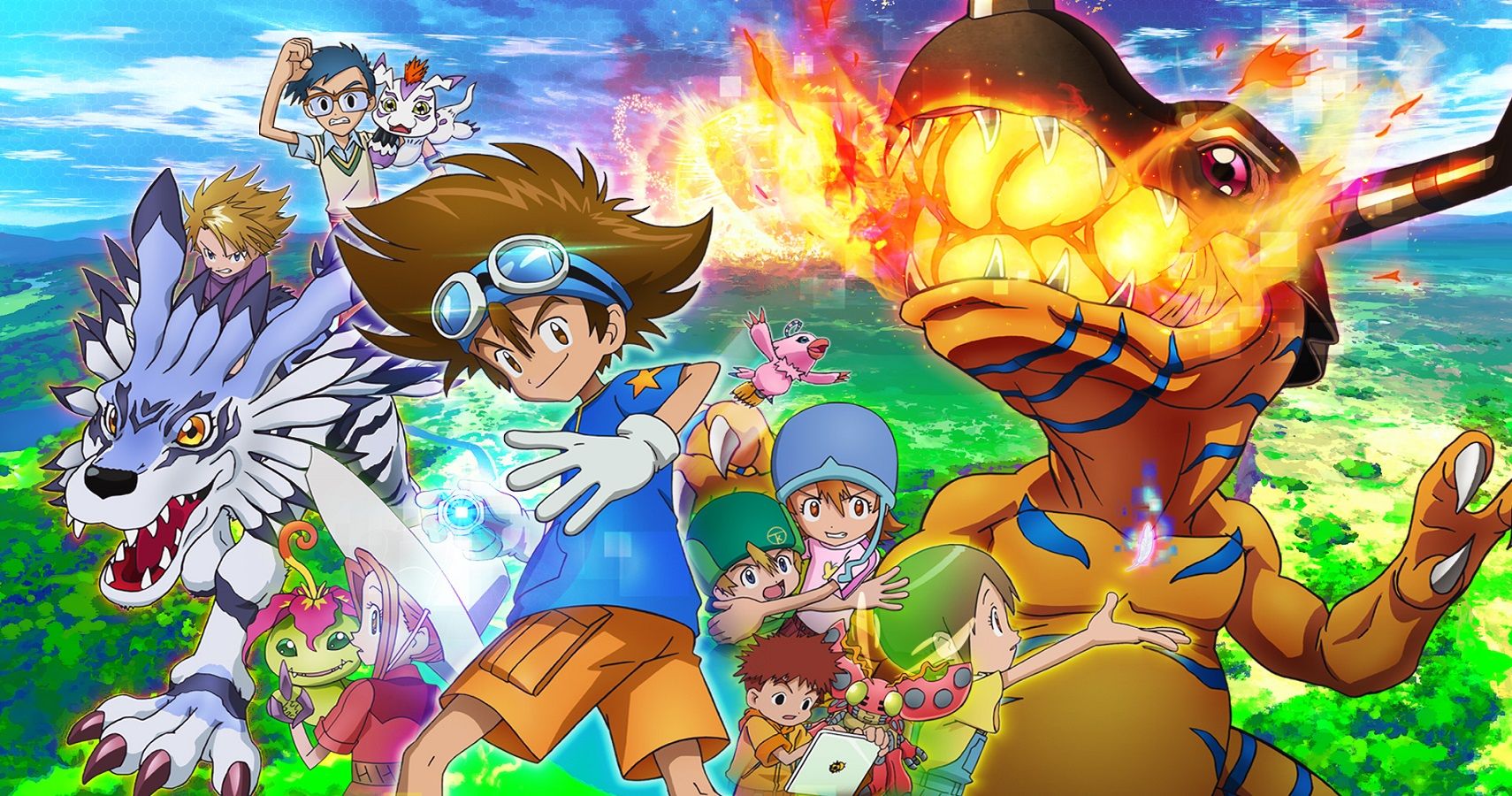
Digimon, on the other hand, often appealed to a slightly older demographic, or at least one seeking a different flavor of monster adventure. Its brand identity emphasized complex narratives, deeper character development, and often darker themes within its anime series. Digimon’s character designs, frequently more mechanical or aggressively styled, reflected its “digital monster” roots. Bandai’s marketing positioned Digimon as an alternative with a more mature storyline and a focus on the bond between a single human and their Digimon partner, rather than a vast collection. This subtle differentiation allowed Digimon to carve out a loyal fan base without directly competing head-on with Pokémon’s broader appeal. While Pokémon leaned into universal themes of friendship and adventure, Digimon often explored complex ideas of heroism, sacrifice, and digital ethics, providing a distinct personal branding experience for its fans who valued its narrative depth.
Monetizing Monsters: A Financial Phenomenon
The financial scale of these franchises is staggering, showcasing how effectively they converted digital entertainment into colossal revenue streams. Pokémon, with its early lead and broader appeal, quickly became one of the highest-grossing media franchises of all time. Its business finance model is a masterclass in diversification:
- Video Game Sales: Continually releasing new generations of games for handheld and console systems.
- Trading Card Game (TCG): A multi-billion-dollar industry in itself, with rare cards becoming significant investments and fueling a robust secondary market.
- Anime & Movies: Licensing agreements for TV shows and box office revenue from animated films.
- Merchandise: Toys, clothing, accessories, and collectibles generating consistent income.
- Mobile Gaming: Pokémon GO shattered records, demonstrating the franchise’s adaptability to new tech trends and its immense earning potential in the mobile sector.
- Digital Security & Online Features: Subscription services for online trading/battling, ensuring continued engagement and revenue.
For many, collecting rare Pokémon cards or vintage games has become a form of personal finance or a serious side hustle. The market for graded cards, sealed products, and pristine condition games has exploded, turning what was once a children’s hobby into a legitimate asset class. Online platforms facilitate millions in transactions monthly, requiring users to be mindful of digital security when dealing with high-value items.
Digimon also built a robust financial model, albeit on a slightly smaller scale globally compared to Pokémon. Its key revenue streams included:
- Virtual Pets: Continued innovation of its core digital pet devices.
- Video Games: A steady stream of console and handheld games, often praised for their storytelling.
- Anime & Movies: Consistent releases of animated series and films, particularly popular in Asia and parts of Europe.
- Action Figures & Toys: A strong presence in the collectible toy market, catering to its unique character designs.
- Card Game: A competitive trading card game with a dedicated fan base.
While Digimon cards or virtual pets rarely reached the speculative investment levels of Pokémon, the franchise consistently generated strong profits for Bandai, illustrating how a focused brand strategy can yield significant financial returns even without being the market leader. Both franchises have demonstrated the immense profitability of well-managed intellectual property (IP), turning digital creatures into multi-generational financial assets.
Technological Triumphs and Future Horizons
Both Pokémon and Digimon have shown remarkable adaptability to evolving technology trends, demonstrating how strong intellectual property can leverage new platforms and innovations to stay relevant. Their journeys from pixelated creatures to immersive digital experiences highlight the rapid advancements in gaming and connectivity.
Adapting to the Digital Age: From Cartridges to Cloud
Pokémon’s technological evolution mirrors the broader history of gaming. From the Game Boy’s rudimentary capabilities, it transitioned to the Game Boy Advance, Nintendo DS, 3DS, and eventually the Nintendo Switch, each offering enhanced graphics, more complex gameplay mechanics, and improved connectivity. The introduction of Wi-Fi trading and battling transformed the social aspect, while titles like Pokémon X and Y brought the series into full 3D. The biggest technological leap was arguably Pokémon GO, which utilized augmented reality (AR) and GPS technology to bring Pokémon into the real world, creating a global phenomenon that transcended traditional gaming and spurred apps and gadgets development for its player base. This move embraced location-based gaming, a key tech trend, demonstrating a willingness to innovate beyond its core console offerings. Managing accounts and transactions within such a global, connected game also brought digital security to the forefront for millions of users.
Digimon also embraced technological progression, moving beyond its virtual pet origins to console and handheld games with increasingly sophisticated graphics and gameplay. Modern Digimon games often feature robust online components, allowing for multiplayer battles and interactions. The integration of AI tools in game development has allowed for more complex enemy behaviors and narrative choices, enriching the player experience. Like Pokémon, Digimon has ventured into mobile gaming, bringing its unique blend of monster raising and battling to a broader audience via apps. The continuous updates to its virtual pet line, incorporating color screens and enhanced connectivity, show a dedication to modernizing its core concept while respecting its origins.

The Enduring Legacy and Future Tech Trends
The story of “What Came First: Digimon or Pokémon” is not just about chronology; it’s a testament to the power of creative vision, strategic branding, and technological foresight. Both franchises have left an enduring legacy, influencing countless subsequent games and media. They stand as pioneers in the monster-collecting genre, shaping how generations interact with digital companions and virtual worlds.
Looking to the future, both franchises are poised to continue leveraging emerging tech trends. Virtual reality (VR) and further advancements in augmented reality (AR) could offer even more immersive experiences, allowing fans to interact with their favorite monsters in unprecedented ways. The integration of more sophisticated AI tools could lead to Digimon and Pokémon partners with more personalized behaviors, learning from player interactions and developing unique personalities. Blockchain technology could potentially revolutionize digital asset ownership within these games, impacting the trading of rare monsters or items, and creating new avenues for online income and investing in digital collectibles. As digital worlds become more integrated with our physical lives, the lessons learned from the tech, brand, and money strategies of Pokémon and Digimon will continue to be invaluable for developers, marketers, and financial strategists alike.
In conclusion, while Pokémon undeniably came first, releasing its groundbreaking games in 1996, followed by Digimon’s virtual pet in 1997, the real story lies in how these two franchises, born from distinct technological seeds, grew into global powerhouses. Their parallel yet different paths illuminate the critical interplay between cutting-edge technology, brilliant brand strategy, and astute financial management, solidifying their positions as cultural touchstones and economic giants of the digital age.
aViewFromTheCave is a participant in the Amazon Services LLC Associates Program, an affiliate advertising program designed to provide a means for sites to earn advertising fees by advertising and linking to Amazon.com. Amazon, the Amazon logo, AmazonSupply, and the AmazonSupply logo are trademarks of Amazon.com, Inc. or its affiliates. As an Amazon Associate we earn affiliate commissions from qualifying purchases.