
In a world increasingly focused on health and wellness, the question “what beer has fewer calories?” has moved beyond a niche concern to a mainstream query. Consumers today are more informed, more discerning, and more empowered by technology than ever before. They seek not just enjoyment but also a mindful approach to their consumption habits. This pursuit of lighter sips isn’t merely about personal preference; it’s intricately linked to how technology helps us discover options, how brands strategically position their products, and how our choices ultimately impact our finances and overall well-being. This article delves into the specifics of low-calorie beers, exploring how digital tools enhance our decision-making, the branding narratives that shape our perceptions, and the financial implications of our choices, all while guiding you to the brews that let you enjoy responsibly without derailing your health goals.

The Quest for Lighter Sips: Understanding Calorie Content in Beer
The journey to finding a lower-calorie beer begins with understanding what contributes to beer’s caloric content and how different brewing techniques can reduce it. Historically, beer was viewed simply as a refreshing alcoholic beverage, but modern consumers scrutinize ingredients and nutritional information with the same rigor they apply to food.
The Basics: What Makes Beer Caloric?
At its core, beer’s calorie count is primarily determined by two components: alcohol and carbohydrates. Alcohol, specifically ethanol, is quite calorie-dense, packing approximately 7 calories per gram, nearly twice that of carbohydrates (4 calories per gram) and protein (4 calories per gram), and only slightly less than fat (9 calories per gram). This means that beers with higher alcohol by volume (ABV) will inherently have more calories, assuming all other factors are equal.
Carbohydrates, mainly in the form of residual sugars and unfermentable dextrins left over from the malting process, also contribute significantly. During fermentation, yeast converts sugars from malted grains into alcohol and carbon dioxide. In traditional brewing, a certain amount of sugar remains, giving beer its body, flavor, and some of its calories. Brewers aiming for lower-calorie options often employ techniques to either reduce the initial sugar content of the wort or ensure a more complete fermentation, converting more sugars into alcohol (which then might be partially removed) or simply into carbon dioxide, leaving fewer residual carbohydrates.
Decoding Labels: ABV vs. Calorie Count
It’s a common misconception that a lower ABV automatically equates to fewer calories. While often true, it’s not a direct one-to-one correlation that can be relied upon without checking actual nutritional labels. Some beers might have a moderate ABV but still contain a significant amount of residual sugars for flavor and body, pushing their calorie count higher. Conversely, some innovative brewing techniques can produce beers with a relatively standard ABV but significantly fewer carbohydrates and, therefore, fewer total calories.
Understanding this distinction is crucial. When evaluating a beer for its caloric impact, always look beyond just the ABV. Increasingly, breweries are providing detailed nutritional information on their packaging or websites, detailing calories, carbohydrates, and sometimes even protein and fat content. This transparency, largely driven by consumer demand and facilitated by digital platforms, empowers drinkers to make informed choices. For instance, a “light” beer might achieve its low-calorie status by reducing both ABV and carbohydrates, or by focusing heavily on carbohydrate reduction while maintaining a slightly higher, but still moderate, alcohol level.
Top Contenders: Popular Low-Calorie Beer Brands
The market for low-calorie beer has exploded, moving beyond the traditional “light beer” category to include a wider array of styles and craft offerings. While the specific calorie count can vary slightly between batches and serving sizes, here are some consistent leaders known for their low-calorie profiles:
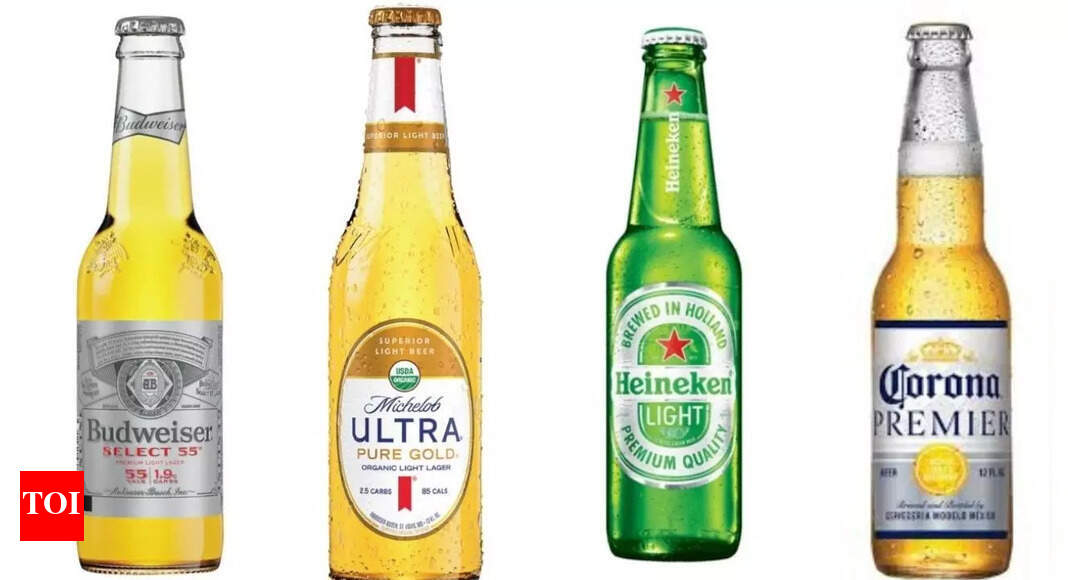
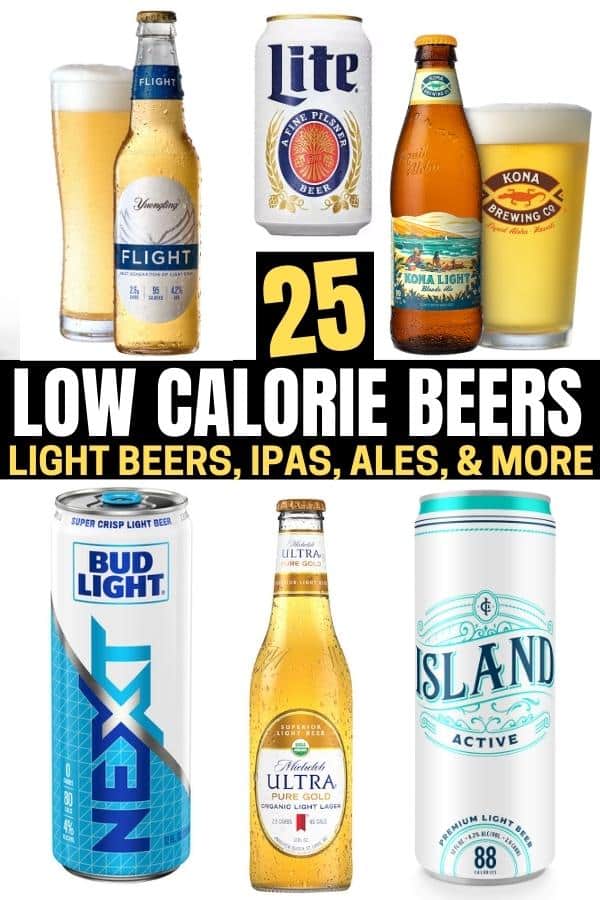
- Michelob Ultra: Often cited as a flagship for active lifestyles, Michelob Ultra is renowned for its very low calorie and carbohydrate count (typically around 95 calories and 2.6g carbs per 12 oz serving), alongside a moderate 4.2% ABV. Its branding is explicitly tied to health and fitness, appealing to consumers who want to enjoy a beer without compromising their diet or workout regimen.
- Bud Light: A long-standing staple in the light beer category, Bud Light offers a crisp taste with approximately 110 calories and 6.6g carbs per 12 oz serving at 4.2% ABV. It remains a popular choice for its accessibility and consistent profile.
- Miller Lite: Positioned on taste and fewer calories, Miller Lite typically comes in at around 96 calories and 3.2g carbs per 12 oz serving with 4.2% ABV. It often emphasizes its original status as a “light pilsner,” appealing to those who appreciate heritage alongside health-consciousness.
- Coors Light: Known as the “Silver Bullet” for its iconic cans and Rocky Mountain imagery, Coors Light delivers around 102 calories and 5g carbs per 12 oz serving at 4.2% ABV. It’s marketed as a refreshing and sessionable option for various occasions.
- Heineken 0.0: While technically alcohol-free, it’s worth mentioning for those seeking the lowest possible calorie count in a beer-like experience. At just 69 calories per 12 oz, it offers a zero-alcohol, low-calorie alternative that still delivers a recognizable beer flavor.
- Craft Light Beers: The craft beer movement, initially known for its bold and often high-calorie offerings, has increasingly embraced lower-calorie options. Many regional craft breweries now produce “session IPAs,” “light lagers,” or “brut IPAs” (a trend focusing on extremely dry, low-sugar beers) that offer complex flavors with significantly fewer calories than their traditional counterparts. Examples include Lagunitas DayTime IPA (98 calories) or some of the many independent local light lagers emerging.
When selecting, remember that the “best” low-calorie beer is subjective, depending on your taste preferences and specific dietary goals. The expanding market ensures there’s likely a suitable option for everyone.
Tech-Enabled Choices: Leveraging Digital Tools to Find Your Low-Calorie Brew
In the digital age, finding specific product information, especially nuanced details like calorie counts in beverages, has been revolutionized by technology. What once required careful label reading (if the information was even available) now takes mere seconds with a smartphone, putting immense power in the hands of the health-conscious consumer.
Apps and Databases: Your Digital Sommelier for Healthier Beer
The most immediate impact of technology on finding low-calorie beer is the proliferation of mobile applications and extensive online databases. These tools act as a personal digital sommelier, guiding users through the vast landscape of beer options with specific dietary filters.
- MyFitnessPal and Similar Nutrition Trackers: These ubiquitous apps allow users to log their food and beverage intake, providing detailed nutritional breakdowns. Many popular beer brands are pre-loaded into their databases, allowing users to quickly search for “Michelob Ultra” or “Bud Light” and instantly see calorie, carbohydrate, and alcohol content. For less common or craft beers, users can often scan barcodes or manually input information, creating a collaborative, ever-growing database. This empowers users to stick to their daily calorie goals by simply incorporating their chosen beer into their diet plan.
- Untappd: While primarily known as a social beer discovery and rating app, Untappd’s extensive database often includes nutritional information, especially for widely distributed beers. Users can check in beers, read reviews, and often find details like ABV, and sometimes calories or carb counts, particularly in comments or linked brewery pages. Its strength lies in its user-generated content, offering insights into a broader range of craft beers than dedicated nutrition apps might initially include.
- Brewery Websites and Industry Resources: Most major and many craft breweries now provide comprehensive nutritional information directly on their websites. This is often the most accurate source. Aggregator sites like BeerAdvocate or RateBeer, while not primarily nutrition-focused, often link to these official pages or provide community-contributed data.
- Specialized Beer Calculators and Dietary Apps: Beyond general nutrition trackers, some apps or websites offer specific beer calorie calculators, allowing users to input ABV and certain characteristics to estimate caloric content for homebrews or lesser-known commercial beers, though these are estimates.
These digital tools streamline the decision-making process, allowing consumers to filter by specific criteria, compare brands side-by-side, and read reviews, all before making a purchase. This level of access and detail was unimaginable a decade ago, transforming how we approach dietary choices, even for discretionary items like beer.
AI-Powered Recommendations and Personalized Brewing
Looking ahead, the role of artificial intelligence promises even more sophisticated solutions for the calorie-conscious beer drinker.
- AI-Driven Recommendation Engines: Imagine an app that, based on your dietary preferences, past purchases, activity levels (synced from a fitness tracker), and even your taste profile, suggests the perfect low-calorie beer. AI could analyze vast datasets of beer characteristics, user reviews, and nutritional information to provide highly personalized recommendations, far beyond simple filters. “Given your aversion to hoppy flavors and your goal of staying under 100 calories, you might enjoy X brand’s light lager or Y craft brewery’s dry brut.”
- Smart Home Brewing and Ingredient Optimization: For the homebrewer, AI could analyze ingredient combinations and brewing processes to predict the final ABV, calorie count, and flavor profile. It could suggest modifications to recipes to achieve a desired low-calorie target without sacrificing taste. Furthermore, in the commercial sphere, AI and machine learning are already being used by large breweries to optimize ingredient sourcing and fermentation processes, helping to consistently produce low-calorie beers with desired taste characteristics more efficiently.
- Blockchain for Supply Chain Transparency: While not directly about calorie counting, blockchain technology could provide an immutable ledger of ingredients and processes, offering unprecedented transparency into a beer’s origin and nutritional claims, building greater trust with health-conscious consumers.
These advancements highlight how technology continues to evolve our relationship with what we consume, making healthier choices not just possible but increasingly effortless and tailored.
The Brand Behind the Brew: Marketing Low-Calorie Beers in a Competitive Landscape
In the fiercely competitive beverage industry, simply having a low-calorie beer isn’t enough; how it’s branded, positioned, and communicated is paramount. Brands leverage sophisticated strategies to connect with consumers, addressing taste perceptions, lifestyle aspirations, and the desire for responsible indulgence.
Crafting the “Healthier” Image: Messaging and Positioning
The primary challenge for low-calorie beer brands is to overcome the historical perception of “light” beers as lacking in flavor or being a compromise. Modern branding strategies focus on reframing this narrative, positioning low-calorie options as a smart, conscious choice rather than a sacrifice.
- Lifestyle Integration: Brands like Michelob Ultra have excelled at this by explicitly tying their product to an active, health-conscious lifestyle. Their marketing often features people engaging in sports, yoga, or outdoor activities, seamlessly integrating the beer into a post-workout or celebratory context that aligns with wellness goals. The message is clear: you can enjoy a beer and maintain your fitness routine. This is a significant shift from older “light beer” advertising that often focused solely on caloric reduction.
- Taste and Quality Emphasis: Many brands now highlight that their low-calorie beers don’t compromise on taste. They talk about “superior ingredients,” “crisp refreshment,” or “balanced flavor profiles.” This addresses the core concern of many consumers who don’t want to trade enjoyment for health benefits. Craft breweries, in particular, emphasize the artisanal aspect of their low-calorie offerings, ensuring consumers know that quality brewing practices are still at play.
- “Better For You” Messaging: This broader category of branding subtly suggests health benefits without making explicit health claims. It might use terms like “refreshing,” “clean,” “crisp,” or highlight natural ingredients. The focus shifts from “less bad” to “more good” or simply a “smart choice.” This can extend to highlighting local sourcing or sustainable practices, appealing to a holistically health- and environmentally-conscious demographic.
Packaging, Design, and Consumer Perception
Visual cues play a critical role in shaping consumer perception and signaling a product’s attributes even before purchase.
- Color Palettes and Aesthetics: Low-calorie beers often employ lighter color schemes—silvers, whites, light blues, or greens—to visually communicate lightness, freshness, and purity. These colors contrast with the deeper, richer hues often associated with full-bodied, higher-calorie beers. The typography might also be cleaner, more modern, and less ornate, reinforcing a sense of simplicity and health.
- Modern and Active Imagery: Beyond just colors, the overall design and imagery on packaging or in advertisements frequently depict active individuals, natural landscapes, or sleek, minimalist aesthetics. This helps reinforce the “active lifestyle” or “clean living” narrative. A slim can design, for example, can subconsciously suggest a “lighter” or “slimmer” product.
- Transparent Labeling: The trend towards greater transparency means that many low-calorie beer brands prominently display calorie and carb counts on their packaging, or at least make it easily accessible via QR codes or website references. This directness builds trust with consumers who are actively seeking this information and reinforces the brand’s commitment to health and honesty. For instance, some craft brewers explicitly label their “light” options with clear calorie counts, appealing directly to that segment of the market.
Influencer Marketing and Digital Engagement
The digital realm offers powerful avenues for brands to connect with their target audience for low-calorie beers.
- Social Media Campaigns: Brands utilize platforms like Instagram, Facebook, and TikTok to run targeted campaigns. They showcase their beers in contexts relevant to health-conscious consumers: post-hike, at a casual brunch, or during a relaxed evening. Visual storytelling is key, often featuring aspirational imagery that ties the product to a desirable lifestyle.
- Influencer Partnerships: Collaborating with fitness influencers, wellness coaches, or lifestyle bloggers is a highly effective strategy. When a trusted voice shares their positive experience with a low-calorie beer, it resonates more authentically with their followers than traditional advertising. These partnerships often involve sponsored content where influencers genuinely integrate the product into their routines, demonstrating its fit with a healthy lifestyle.
- Interactive Digital Experiences: Some brands create online tools, quizzes, or interactive content that helps consumers discover which low-calorie beer best suits them. They might host virtual fitness challenges or cooking classes that pair with their beer, creating engaging experiences that build brand loyalty. Contests and user-generated content campaigns (e.g., “show us how you enjoy our light beer”) further boost engagement and reach.
By strategically deploying these branding tactics, companies not only inform consumers about their low-calorie options but also cultivate a desirable brand identity that makes choosing a lighter beer an aspirational decision rather than a compromise.
Financial Implications: Balancing Enjoyment, Health, and Your Wallet
Beyond taste preferences and health benefits, the choice of a low-calorie beer also carries distinct financial implications. For the financially savvy consumer, understanding the cost-benefit analysis of these choices is just as important as knowing the calorie count.
The Price of “Light”: Are Low-Calorie Beers More Expensive?
The pricing of low-calorie beers can be a complex equation, influenced by production methods, brand positioning, and market demand.
- Mass-Market Light Beers: Generally, mainstream light lagers (e.g., Bud Light, Miller Lite, Coors Light) are priced competitively with or even slightly below their full-calorie counterparts. This is due to economies of scale in production, broad distribution, and their positioning as accessible, everyday choices. Their production methods are highly optimized, allowing for efficient output at a lower per-unit cost.
- Premium Low-Calorie Options: Brands that position themselves at the intersection of “light” and “premium,” such as Michelob Ultra, might command a slightly higher price point than their direct mass-market competitors. This premium is often justified by extensive marketing, targeting a specific demographic willing to pay more for a product explicitly aligned with their lifestyle values. The investment in R&D to maintain taste while reducing calories can also contribute to this.
- Craft Light Beers: Craft breweries venturing into low-calorie options might price them similarly to their other craft offerings, which are typically higher than mass-market beers. This higher price reflects smaller batch production, often more expensive specialty ingredients, and the overall premium associated with the craft beer segment. The innovation involved in creating a flavorful, low-calorie craft beer can also factor into its cost.
In essence, while you might find mass-market low-calorie beers to be budget-friendly, venturing into premium or craft low-calorie options could mean a slightly higher expenditure per serving. However, the perceived value—whether it’s superior taste, alignment with a lifestyle, or ingredient quality—often justifies this for many consumers.
Long-Term Savings: Health, Wellness, and Financial Prudence
The financial impact of choosing low-calorie beers extends beyond the immediate purchase price, touching upon broader health and wellness expenditures.
- Reduced Health Risks: Regular consumption of high-calorie, high-sugar beverages contributes to weight gain, which is a risk factor for numerous health issues, including type 2 diabetes, heart disease, and certain cancers. By opting for lower-calorie beers, consumers can mitigate these risks. Over the long term, avoiding or reducing the incidence of such chronic conditions can translate into substantial financial savings on medical bills, medications, and healthcare insurance premiums. This is a subtle but significant financial benefit that often goes uncalculated.
- Improved Productivity and Energy: Maintaining a healthier weight and lifestyle through mindful choices can lead to increased energy levels and overall well-being. This can positively impact productivity at work, reduce sick days, and allow for a more active lifestyle, indirectly contributing to financial stability and overall quality of life. The “beer belly” isn’t just an aesthetic concern; it’s a marker of potential health issues that carry future financial burdens.
- Mindful Consumption and Budgeting: Choosing low-calorie options often goes hand-in-hand with a more mindful approach to consumption in general. This mindfulness can extend to budgeting for discretionary spending like alcohol. Understanding the caloric and financial impact of each drink encourages more deliberate choices, potentially leading to a reduction in overall alcohol consumption, which naturally saves money. It’s about getting more enjoyment from fewer, more thoughtfully chosen drinks.
Investing in Health: Beyond the Calorie Count
Viewing the choice of low-calorie beer as part of a larger investment in one’s health and financial future provides a holistic perspective.
- Value for Money Beyond the Bottle: While a premium low-calorie craft beer might cost more per bottle, its value could be higher if it helps you stick to your health goals, avoid future medical expenses, and align with your personal values. The “return on investment” isn’t just about taste satisfaction but also about sustained well-being.
- Complementary Financial Tools: Just as technology helps track calories, it also aids in financial planning. Budgeting apps, investment platforms, and personal finance tools help consumers manage their money effectively. Integrating health-conscious choices like low-calorie beer into a broader financial strategy—one that prioritizes well-being—becomes seamless. It’s about optimizing all aspects of one’s life, from what you drink to how you save and invest.
- The Cost of “Empty Calories”: Financially, “empty calories” represent not only wasted money on products that don’t contribute positively to health but also potential future costs in correcting health issues. Choosing a low-calorie beer is a small step in avoiding these “empty calorie” traps, aligning your consumption with both your wellness and financial objectives.
Ultimately, the decision to opt for a low-calorie beer isn’t just about personal taste or immediate caloric intake; it’s a decision woven into the fabric of a modern lifestyle. It reflects a consumer who leverages technology for information, appreciates thoughtful branding, and understands the long-term financial and health implications of their choices. In this context, “what beer has fewer calories?” transforms from a simple question into a gateway for a more informed, balanced, and sustainable approach to enjoyment.
aViewFromTheCave is a participant in the Amazon Services LLC Associates Program, an affiliate advertising program designed to provide a means for sites to earn advertising fees by advertising and linking to Amazon.com. Amazon, the Amazon logo, AmazonSupply, and the AmazonSupply logo are trademarks of Amazon.com, Inc. or its affiliates. As an Amazon Associate we earn affiliate commissions from qualifying purchases.