
For many, baseball cards evoke nostalgic memories of childhoods spent ripping open wax packs, trading with friends, and idolizing sports heroes. Yet, beneath this veneer of sentimentality lies a sophisticated, multi-million dollar market where cardboard squares transcend mere collectibles to become serious financial assets. This isn’t just a hobby; it’s an intricate ecosystem driven by history, scarcity, player legacy, and increasingly, the cutting edge of technology and strategic branding. In an era where alternative investments are gaining traction, understanding what makes a baseball card truly valuable – and how to navigate this market – is crucial for both seasoned collectors and new investors.
This article will peel back the layers of the baseball card market, revealing the iconic pieces that command astronomical prices, dissecting the financial and brand principles underpinning their worth, and exploring how technology is revolutionizing the way we collect, value, and secure these precious artifacts. Whether you’re a long-time enthusiast looking to maximize your collection’s potential or an astute investor seeking to diversify your portfolio, prepare to discover how the world of baseball cards beautifully intersects with personal finance, cutting-edge tech, and the power of brand.
The Hall of Fame of High-Value Cards: Iconic Pieces and Their Market Impact
At the apex of the baseball card market sit a select few artifacts, rare specimens that transcend their material form to become cultural icons and staggering investments. These cards are not just pieces of cardboard; they are tangible slices of history, encapsulating moments, careers, and the very essence of America’s pastime. Understanding these titans of the hobby provides a crucial benchmark for evaluating all other cards.
Legends of the Diamond: Cards That Define the Hobby
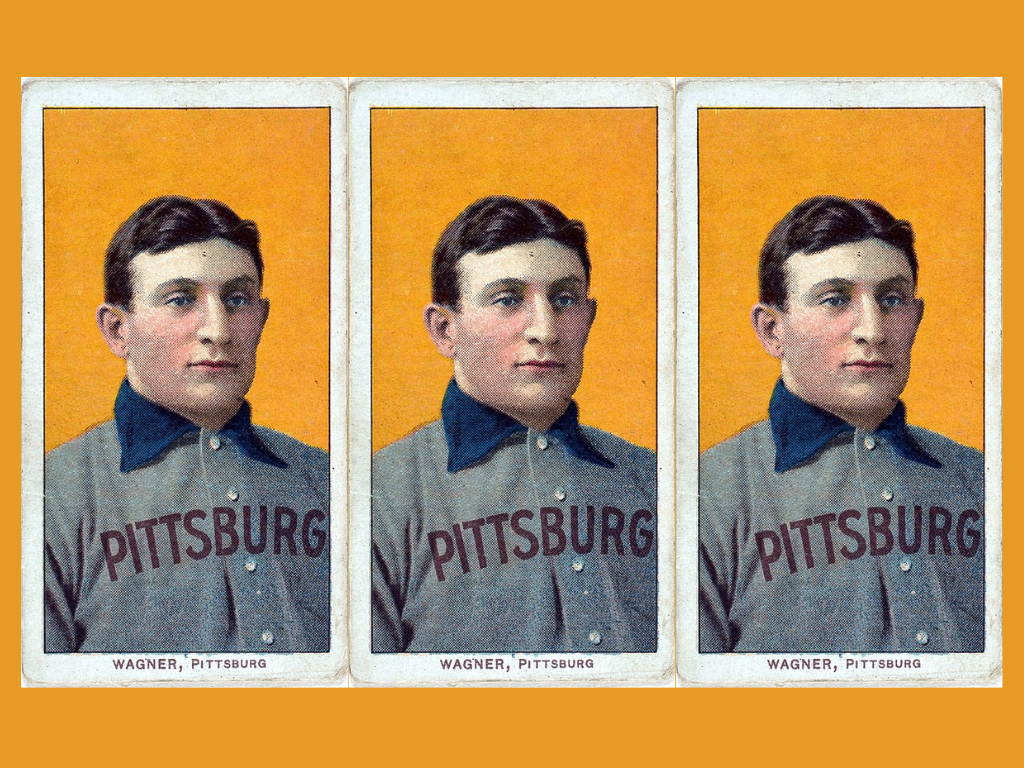
The undisputed king of the baseball card world, the 1909-1911 T206 Honus Wagner, is less a card and more a legend. Its rarity stems from Wagner’s reported refusal to allow the American Tobacco Company to continue distributing his card, either due to his anti-tobacco stance or a dispute over compensation. Only an estimated 50-200 copies exist, with a mint condition example fetching over $7.25 million in 2021. This card is the epitome of scarcity, historical significance, and legendary status.
Another perennial powerhouse is the 1952 Topps Mickey Mantle. While not as rare as the Wagner, its significance comes from being Mantle’s true rookie card (despite his debut in 1951, his Bowman card from that year is less iconic) in the inaugural major Topps set. The story goes that many high-numbered cards from this set were dumped into the ocean due to poor sales, further enhancing its scarcity. A PSA 9 example commanded $5.2 million in 2021, solidifying its place as a cornerstone investment.
Other pre-war giants like the 1914 Baltimore News Babe Ruth (pre-rookie) or various Ty Cobb T206 cards also consistently fetch six to seven figures, demonstrating the enduring value of early baseball history and its foundational figures. These cards benefit from being from a bygone era, with limited printing technology and often precarious storage conditions, ensuring their scarcity today.
Modern Era Marvels: The Rise of Contemporary Stars
While pre-war cards dominate the top spots, the modern era has seen its own cards ascend to remarkable values, driven by unprecedented player talent and sophisticated product strategies. The 2009 Bowman Chrome Draft Mike Trout Superfractor Autograph stands as a testament to this, having sold for $3.9 million in 2020. This card encapsulates several key modern value drivers: it’s a rookie card of a generational talent, an extremely rare “1-of-1” parallel (Superfractor), and signed by the player. It perfectly illustrates how scarcity, condition, and player brand converge in the contemporary market.
More recently, the meteoric rise of Shohei Ohtani has created a new class of high-value cards. His various rookie cards, particularly signed parallels from sets like Bowman Chrome or Topps Chrome, have seen exponential growth. Ohtani’s unique “two-way” talent as both an elite pitcher and hitter makes him a once-in-a-century phenomenon, driving intense collector demand and investment speculation. Cards like his 2018 Topps Chrome Superfractor Autograph are already multi-million dollar assets.
While focusing on baseball, it’s worth noting the cross-sport influence. Iconic basketball cards like the 1986 Fleer Michael Jordan rookie or a 2003-04 Upper Deck Exquisite Collection LeBron James Rookie Patch Autograph demonstrate similar principles of value, often commanding seven-figure sums. These examples highlight that generational talent, combined with scarcity and a strong brand presence, can transcend specific sports to become universal pillars of the sports card investment world. The factors at play – unparalleled talent, impeccable condition, extreme rarity, and iconic design – dictate their market performance, establishing them not just as collector’s items, but as legitimate, appreciating assets.
Decoding Value: The Financial and Brand Principles Behind Rarity
The allure of a multi-million dollar baseball card isn’t accidental; it’s the result of a complex interplay of financial principles, market dynamics, and the powerful influence of branding. Understanding these underlying mechanisms is paramount for anyone looking to seriously invest in the hobby.
The Investment Lens: Understanding Market Dynamics
At its core, the value of a baseball card, like any investment, is dictated by supply and demand. However, several nuanced factors within this framework amplify certain cards’ worth:
- Scarcity: This is perhaps the most critical factor. Scarcity can be inherent (e.g., small original print runs from early 20th century) or manufactured (e.g., modern “1-of-1” parallels, serial-numbered cards, short prints, photo variations). The fewer copies available, especially of a desirable player, the higher the price.
- Condition (Grading): A card’s physical condition is rigorously assessed by third-party grading companies. This is where precision and objective standards come into play. A card graded a PSA 10 (Gem Mint) will often be worth exponentially more than the same card graded a PSA 9 (Mint), let alone lower grades. The visual difference might be subtle to the untrained eye, but the financial impact is profound.
- Player Performance & Legacy: A player’s on-field achievements, historical significance, and enduring popularity (their “brand”) directly correlate with their card values. Hall of Famers, record-breakers, and beloved figures consistently command higher prices. Modern players see their card values fluctuate with performance, making them more speculative investments, while legends offer more stable, long-term appreciation.
- Historical Significance: Cards tied to iconic moments, rookie seasons, or groundbreaking designs carry an additional premium. The 1952 Topps Mantle, for instance, is not just a Mantle rookie; it’s a symbol of the post-war card boom and a design classic.
- Market Cycles: The card market, like any other investment market, experiences bull and bear cycles. Economic conditions, widespread interest (or lack thereof), and emerging trends can all influence overall market sentiment and specific card values. Savvy investors learn to identify these cycles to buy low and sell high.
The Brand Power Play: How Manufacturers and Players Drive Value
Beyond individual card attributes, the “brand” element profoundly shapes perceptions of value and desirability:
- Card Manufacturer Brands: Companies like Topps, Bowman (a Topps brand), and Panini hold significant sway. Topps, with its near 70-year history, holds immense legacy and often exclusive licensing for MLB players. Their flagship sets, like Topps Chrome and Bowman Chrome, are synonymous with high-value rookie cards. Panini, while newer to MLB (via non-exclusive deals or through specific players), has established its own premium brands like National Treasures and Flawless, known for high-end memorabilia and autograph cards. The reputation of these manufacturers for quality, design, and product innovation directly impacts the desirability and collectibility of their offerings.
- Exclusive Licensing Deals: When a company like Topps secures exclusive rights to produce cards for a league (as they did with MLB for decades, soon to be Fanatics), it solidifies its brand as the authoritative source for official team and player imagery. This exclusivity creates a premium for their products.
- Player Endorsement and Appeal: The player themselves is a brand. An iconic player like Babe Ruth or Michael Jordan transcends sports, becoming a global phenomenon. Their personal brand, built on performance, personality, and cultural impact, is transferred to their cards, imbuing them with intrinsic value independent of market fluctuations. Modern players often engage in specific card signings or appearances, further enhancing the perceived value of their signed products.
- Grading Company Brands: Even the third-party graders are powerful brands. PSA (Professional Sports Authenticator), BGS (Beckett Grading Services), and SGC (Sportscard Guaranty Corporation) are the industry’s titans. Their brand reputation for consistent, accurate, and trustworthy grading directly influences a card’s market value. A PSA 10 holds a universally recognized premium over an identical card graded a BGS 9.5 or SGC 9.5, simply because of the market’s trust and preference for that particular grading brand’s scale and perception of strictness. The brand equity of these grading companies is so significant that it can add thousands, if not millions, to a card’s worth.
Leveraging Technology for Smart Card Investing: A Modern Collector’s Toolkit
The analog charm of baseball cards now interfaces seamlessly with the digital age. Technology, data analytics, and emerging digital solutions are transforming how collectors and investors identify, track, and secure their assets, making the hobby more sophisticated and accessible than ever before.
Digital Tools for Valuation and Market Analysis
The days of relying solely on physical price guides are long gone. Today’s serious collector uses a suite of digital tools to stay ahead:
- Online Databases and Price Guides: Services like PSA Population Report, Beckett Price Guide, and Sports Card Investor Market Movers are indispensable. The PSA Pop Report reveals the exact number of graded copies of any card at each grade level, providing crucial scarcity data. Beckett offers comprehensive pricing information, while platforms like Sports Card Investor provide real-time market data, trend analysis, and insights into specific player and card performance. These resources are akin to stock market analysis tools for traditional investors.
- Auction Platforms and Marketplaces: Websites like eBay, Goldin Auctions, Heritage Auctions, and PWCC Marketplace are the primary venues for buying and selling high-value cards. They offer vast liquidity, transparent bidding processes, and historical sales data. Understanding how to navigate these platforms, filter results, and analyze completed sales is critical for gauging current market value. Some platforms, like PWCC, also offer asset management and fractional ownership services, catering to a new generation of investors.
- Mobile Apps for Collection Management: Various apps allow collectors to catalog their entire collection, track individual card values, monitor price changes, and even scan cards for quick identification and estimated pricing. These apps bring a level of organization and productivity previously unavailable, allowing collectors to manage their portfolios efficiently on the go.
- Data Analytics and AI: Advanced collectors and investment groups are leveraging big data to identify emerging trends, predict player value fluctuations, and spot undervalued assets. AI and machine learning algorithms can process vast amounts of sales data, social media sentiment, and player performance statistics to provide predictive insights, helping investors make more informed decisions rather than relying solely on intuition or anecdotal evidence.
The Future of Collectibles: AI, Blockchain, and Digital Security
The technological evolution isn’t stopping at data analysis; it’s set to fundamentally reshape the nature of collectibles themselves.
- AI for Authentication and Predictive Pricing: AI is poised to enhance authenticity verification, using image recognition to spot subtle fakes or alterations that human eyes might miss. Furthermore, AI could refine predictive pricing models, offering more accurate forecasts of a card’s future value based on a multitude of dynamic factors. Imagine an AI advisor suggesting optimal buy/sell points for your collection.
- Blockchain for Provenance and Ownership: Blockchain technology offers an immutable, transparent ledger that can permanently record a card’s entire history – its production, ownership changes, grading events, and even physical location. This verifiable provenance can combat counterfeiting and provide unprecedented trust in high-value transactions. Moreover, blockchain facilitates fractional ownership, allowing multiple investors to collectively own a piece of an ultra-expensive card, democratizing access to top-tier investments.
- NFTs and Digital Collectibles: The rise of Non-Fungible Tokens (NFTs) presents a fascinating intersection. While distinct from physical cards, NFTs demonstrate the market’s appetite for digital scarcity and verifiable ownership. Some envision NFTs as digital twins for physical cards, linking a physical asset to a unique digital token on the blockchain for enhanced security and liquidity. Others see purely digital baseball card NFTs, creating an entirely new asset class that exists only in the digital realm, yet adheres to similar principles of scarcity, brand, and market demand.
- Digital Security for Online Transactions: As more transactions occur online and investment sums grow, robust digital security measures become paramount. Secure payment gateways, encrypted communications, and fraud prevention tools are essential for protecting both buyers and sellers in this increasingly high-stakes digital marketplace. From safeguarding personal financial information to ensuring the legitimacy of online auctions, digital security underpins the trust required for the market to thrive.
Building a Strategic Collection: Tips for Aspiring Investors
Entering the baseball card market as an investor requires a blend of passion, patience, and strategic thinking. It’s not just about chasing the “most valuable” cards, but building a resilient portfolio that aligns with your financial goals.
Beyond Just the “Most Valuable”: A Balanced Approach
While the lure of a seven-figure card is undeniable, a sustainable investment strategy focuses on more than just the top tier.
- Research is Key: Before any purchase, conduct thorough due diligence. Understand the player’s career trajectory, the card’s print run, its historical sales data, and its potential for future appreciation. Platforms like CardLadder, often mentioned in tech-savvy investing circles, provide comprehensive data and analytics to aid this research. Just as you wouldn’t invest in a stock without research, don’t invest in cardboard without it.
- Condition, Condition, Condition: Prioritize graded cards from reputable companies (PSA, BGS, SGC). The condition accounts for a disproportionate amount of a card’s value. Even a slight imperfection can drastically reduce its worth. For raw cards, learn how to critically assess condition or seek expert opinions before buying.
- Diversification: Don’t put all your eggs in one basket. Diversify your collection across different players, eras (pre-war, vintage, modern), card types (rookies, autographs, parallels), and even sports. This strategy mitigates risk and exposes you to various market segments. For instance, while you might covet a high-end Mantle, also consider blue-chip modern rookies or undervalued vintage stars.
- Long-Term vs. Short-Term: Define your investment horizon. Are you looking for quick flips (which are highly speculative and risky) or long-term appreciation? Iconic, graded cards of Hall of Famers often offer more stability for long-term holds, while modern rookies can see rapid gains or losses based on performance.
- Set a Budget: Treat card investing like any other financial endeavor. Allocate a specific portion of your discretionary income that you’re comfortable investing and potentially losing. Avoid overextending yourself financially based on speculative gains.
The Side Hustle Angle: Monetizing Your Passion
For many, card collecting isn’t just an investment; it’s a dynamic side hustle or even a primary source of income.
- Buying Low, Selling High: This fundamental principle of commerce applies directly. Identify undervalued cards (perhaps due to a player’s temporary slump, market oversupply, or overlooked rarity) and sell them when their value increases. This requires continuous market analysis and keen observational skills. Utilize online tools and data to spot these opportunities before the wider market catches on.
- Consignment Services: For high-value cards, consider using consignment services provided by major auction houses (e.g., Goldin, PWCC). They handle authentication, grading submission, photography, marketing, and sales, taking a percentage of the final sale price. This is a streamlined way to sell without the hassle of direct listing, leveraging the auction house’s brand reputation and reach.
- Content Creation and Personal Branding: Share your knowledge and passion! Starting a blog, YouTube channel, or social media presence around card collecting can generate income through advertising, sponsorships, or affiliate marketing. By establishing yourself as a knowledgeable figure in the hobby, you build a personal brand that can lead to consulting opportunities, paid appearances, or even attracting private clients for buying/selling advice.
- Networking Within the Hobby: Attend card shows, join online forums, and connect with other collectors and dealers. Networking can open doors to private sales, exclusive information, and opportunities to learn from experienced individuals. Building relationships can be just as valuable as financial capital in this community-driven market.
In conclusion, the journey into what baseball cards are worth the most reveals far more than just monetary figures. It’s a complex expedition through history, economics, and technology, where cherished memories intersect with shrewd investment strategies. The enduring appeal of legendary players, the meticulous brand reputation of manufacturers and grading companies, and the ever-evolving suite of digital tools all converge to create a vibrant, dynamic market. Whether driven by nostalgia or pure investment potential, the world of baseball cards offers a unique opportunity to own a piece of cultural heritage that, with careful strategy and informed decisions, can deliver significant financial rewards. It’s a testament to the power of passion, amplified by the smart application of financial principles and technological innovation.
aViewFromTheCave is a participant in the Amazon Services LLC Associates Program, an affiliate advertising program designed to provide a means for sites to earn advertising fees by advertising and linking to Amazon.com. Amazon, the Amazon logo, AmazonSupply, and the AmazonSupply logo are trademarks of Amazon.com, Inc. or its affiliates. As an Amazon Associate we earn affiliate commissions from qualifying purchases.