
In the rapidly evolving landscape of personal finance, the boundary between traditional banking and digital convenience has blurred. Cash App, developed by Block, Inc. (formerly Square), has emerged as a titan in this space, transforming from a simple peer-to-peer (P2P) payment tool into a multifaceted financial ecosystem. For the modern consumer, understanding how Cash App works is no longer just about knowing how to send $20 to a friend for dinner; it is about mastering a platform that facilitates investing, banking, and tax management. This article explores the mechanics of Cash App through the lens of personal finance, dissecting its utility as a tool for wealth management and digital liquidity.
The Mechanics of Peer-to-Peer Transactions and Digital Liquidity
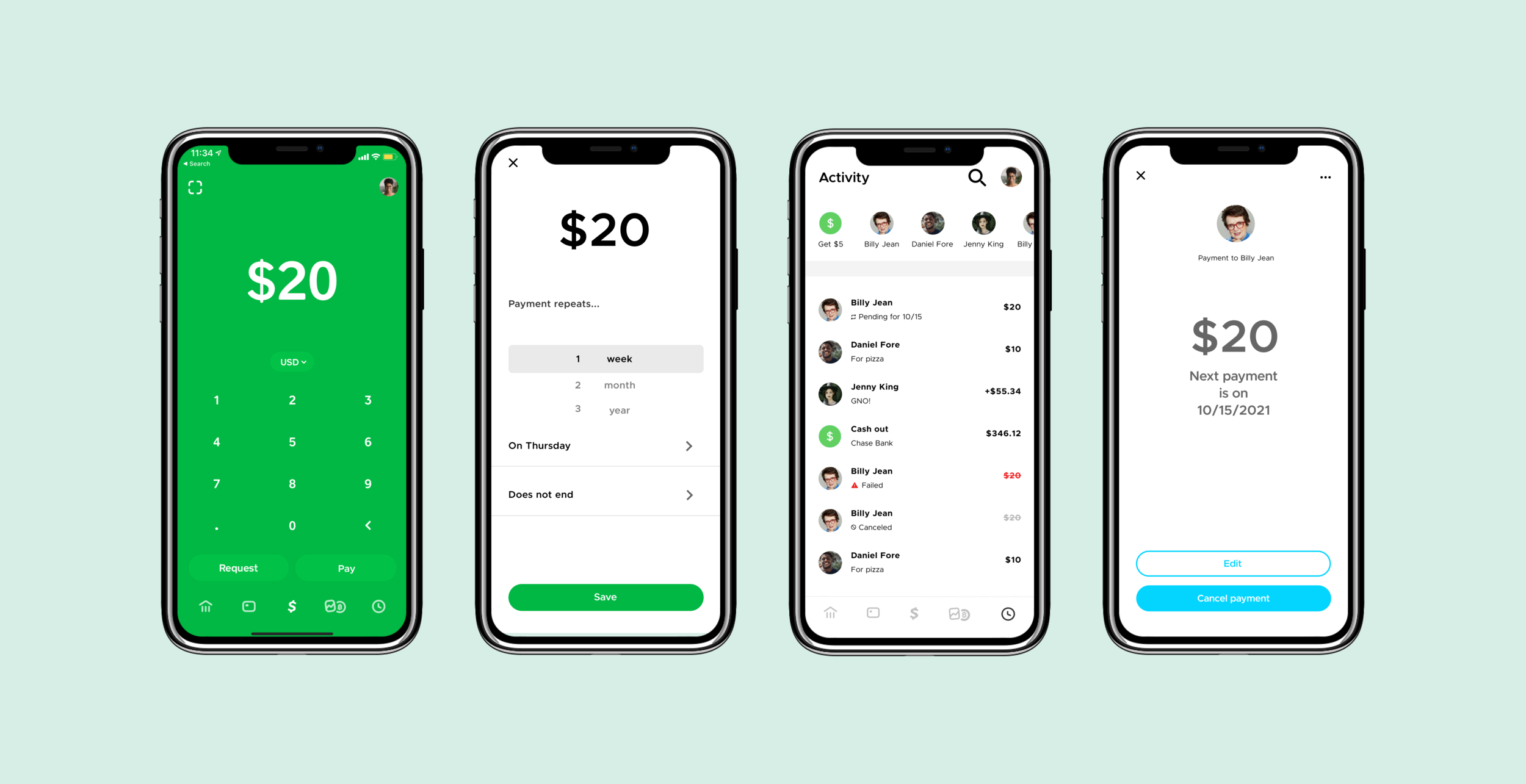
At its core, Cash App functions as a digital wallet that facilitates the immediate transfer of value. Unlike traditional wire transfers that can take days to clear through the Automated Clearing House (ACH) network, Cash App utilizes a proprietary ledger to move funds between users instantaneously.
The $Cashtag and Identity Verification
Every user creates a unique identifier known as a $Cashtag. From a financial security perspective, this identifier allows for transactions to occur without the need to share sensitive data like bank account numbers or routing details. To unlock the full utility of the platform—including higher transaction limits—users must undergo a “Know Your Customer” (KYC) verification process. This involves providing legal names, dates of birth, and the last four digits of a Social Security number. Once verified, the user moves from a restricted liquidity state to one that allows for significant weekly sending and receiving limits, essential for those using the app as a primary financial hub.
Funding Sources and Transaction Fees
Cash App allows users to link debit cards, credit cards, and traditional bank accounts. Understanding the cost of capital is vital here. Standard transfers from the Cash App balance to a linked bank account are free but typically take one to three business days. For users requiring immediate liquidity, “Instant Deposits” carry a fee (usually 0.5% to 1.75%, with a minimum fee). Furthermore, while sending money via a debit card or bank account is free, using a credit card incurs a 3% processing fee. For the financially savvy user, navigating these fees is a critical component of managing monthly cash flow.
Security and Fraud Mitigation
Because Cash App transactions are instantaneous, they are often irreversible. From a risk management perspective, this places the onus of due diligence on the user. The app employs encryption and “Security Locks” (PIN or biometric entry), but the lack of a “chargeback” mechanism—similar to what one might find with a credit card—means users must treat Cash App balances with the same caution as physical cash.
Cash App as a Banking Alternative: The Cash Card and Direct Deposits
Cash App has aggressively positioned itself as a “neobank” alternative, offering features that mirror traditional checking accounts without the overhead of physical branches. This transition is anchored by the Cash Card, a customizable Visa debit card linked directly to the user’s Cash App balance.
The Cash Card and “Boost” Rewards
The Cash Card is more than a piece of plastic; it is a tool for specialized savings. One of the most compelling financial features is “Boosts”—instant discounts at specific merchants (e.g., 5% off at a grocery store or $1 off at a coffee shop). Unlike traditional credit card points that require complex redemption processes, Boosts provide immediate “yield” on spending. By strategically selecting Boosts, users can effectively lower their cost of living on everyday expenses, a fundamental principle of micro-budgeting.
Direct Deposit and Early Access to Capital
Cash App provides users with a routing and account number, allowing them to receive direct deposits from employers. A significant financial advantage here is the “Two-Day Early Pay” feature. By bypassing the traditional banking bureaucracy, Cash App often credits accounts as soon as the payroll data is received, providing users with earlier access to their capital. This can be a vital tool for managing liquidity and avoiding late fees on recurring bills.
FDIC Insurance and Financial Safety
A common concern with fintech platforms is the safety of deposits. While Cash App itself is not a bank, its banking services are provided by partner banks (such as Sutton Bank). When a user has a Cash Card, their balance is eligible for pass-through FDIC insurance up to $250,000. This ensures that the user’s capital is protected against institutional failure, bringing the platform’s security profile in line with traditional financial institutions.
Wealth Building: Micro-Investing and Bitcoin Integration
Perhaps the most significant evolution of Cash App is its foray into asset management. By democratizing access to the stock market and cryptocurrency, Cash App has lowered the barrier to entry for wealth creation.
Micro-Investing in Fractional Shares
Cash App Investing LLC allows users to purchase fractional shares of publicly traded companies with as little as $1. This is a powerful tool for “Dollar Cost Averaging” (DCA), a strategy where an investor shifts capital into the market at regular intervals regardless of price. By allowing fractional purchases, the app enables users to own a piece of high-priced equities (like Berkshire Hathaway or Amazon) without needing thousands of dollars in upfront capital. This facilitates a diversified portfolio for even the most budget-conscious individuals.
Bitcoin: A Gateway to Digital Assets
Cash App was one of the first major mainstream finance apps to integrate Bitcoin. It allows users to buy, sell, and even withdraw Bitcoin to an external private wallet—a feature many competitors restrict. From a portfolio diversification standpoint, the app provides a simplified interface for “Sats-stacking” (accumulating small amounts of Bitcoin). Users can even set up “Auto-Invest” to purchase Bitcoin daily or weekly, or use the “Round-Up” feature, which rounds up every Cash Card purchase to the nearest dollar and invests the change into Bitcoin.
Understanding Market Risk and Volatility
While the ease of use is a benefit, the “Money” niche requires a discussion of risk. Investing through Cash App is subject to market volatility. Unlike the Cash App balance (which is fiat currency), stocks and Bitcoin can lose value. Users must understand that these features are brokerage services, and investments are not FDIC-insured. Proper asset allocation is essential to ensure that the ease of “one-tap” investing does not lead to overexposure in volatile assets.
Business Utility and Tax Compliance
As the gig economy grows, many freelancers and small business owners have turned to Cash App for their professional financial needs. However, using the platform for business requires a different set of rules and a deeper understanding of tax implications.
Cash App for Business vs. Personal Use
Users can designate their account as a “Business Account.” While this allows for unlimited receiving amounts and creates a more professional interface for clients, it changes the fee structure. Business accounts are charged a 2.75% processing fee on all payments received. From a business finance perspective, this fee must be factored into the pricing of services to maintain profit margins.
IRS Reporting and the 1099-K Form
In recent years, tax regulations regarding P2P apps have tightened. For business accounts, Cash App is required to report gross signatures to the IRS via Form 1099-K if the payments exceed certain federal or state thresholds (currently a $600 threshold is the pending federal standard). It is crucial for users to distinguish between personal “reimbursements” (like splitting a dinner bill) and “business income.” Maintaining clean financial records is imperative to avoid tax complications, as the IRS increasingly scrutinizes digital payment platforms.
Cash App Taxes: Simplified Filing
To further cement its place in the financial lifecycle, Cash App acquired Credit Karma Tax (now Cash App Taxes). This allows users to file their federal and state taxes for free directly through the app. By integrating tax filing with a payment and investment platform, Cash App provides a “closed-loop” financial experience, allowing users to see their income, their investments, and their tax liabilities all in one ecosystem.

Conclusion: Integrating Cash App into a Holistic Financial Strategy
Cash App is no longer just a utility for convenience; it is a comprehensive financial tool that demands a strategic approach. By understanding the nuances of its P2P mechanics, utilizing the Cash Card for disciplined spending, leveraging micro-investing for long-term wealth building, and remaining compliant with tax regulations, users can significantly optimize their personal finances.
In an era where traditional banking feels increasingly disconnected from the digital reality, Cash App provides a bridge. However, the professional user must balance the app’s “ease of use” with rigorous financial oversight. Whether you are using it to hedge against inflation via Bitcoin, build a fractional stock portfolio, or simply manage daily cash flow, Cash App represents a significant shift in how we interact with, grow, and protect our money.
aViewFromTheCave is a participant in the Amazon Services LLC Associates Program, an affiliate advertising program designed to provide a means for sites to earn advertising fees by advertising and linking to Amazon.com. Amazon, the Amazon logo, AmazonSupply, and the AmazonSupply logo are trademarks of Amazon.com, Inc. or its affiliates. As an Amazon Associate we earn affiliate commissions from qualifying purchases.