
When we talk about the intricate machinery that makes a car move, steer, and stay stable on the road, our minds often jump to the engine, the brakes, or the suspension. However, a critical yet often overlooked component plays a vital role in our ability to precisely control where that car goes: the tie rods. These seemingly simple pieces of metal are fundamental to the steering system, ensuring that the car responds faithfully to your inputs at the steering wheel. Understanding what tie rods are, how they function, and why their maintenance is crucial can significantly enhance your appreciation for automotive technology and your own driving safety.
While the primary function of tie rods is undeniably mechanical, their existence and effectiveness are deeply intertwined with broader technological advancements in automotive engineering. From the materials used in their construction to the precision required in their alignment, tie rods represent a practical application of engineering principles that have evolved dramatically over the decades. Furthermore, for car owners, understanding these components can have financial implications, as neglecting their maintenance can lead to costly repairs and potential safety hazards. This article will delve into the world of tie rods, exploring their technical role, the science behind their operation, and their relevance to both the technology and financial well-being of a vehicle owner.
The Crucial Role of Tie Rods in Steering Precision
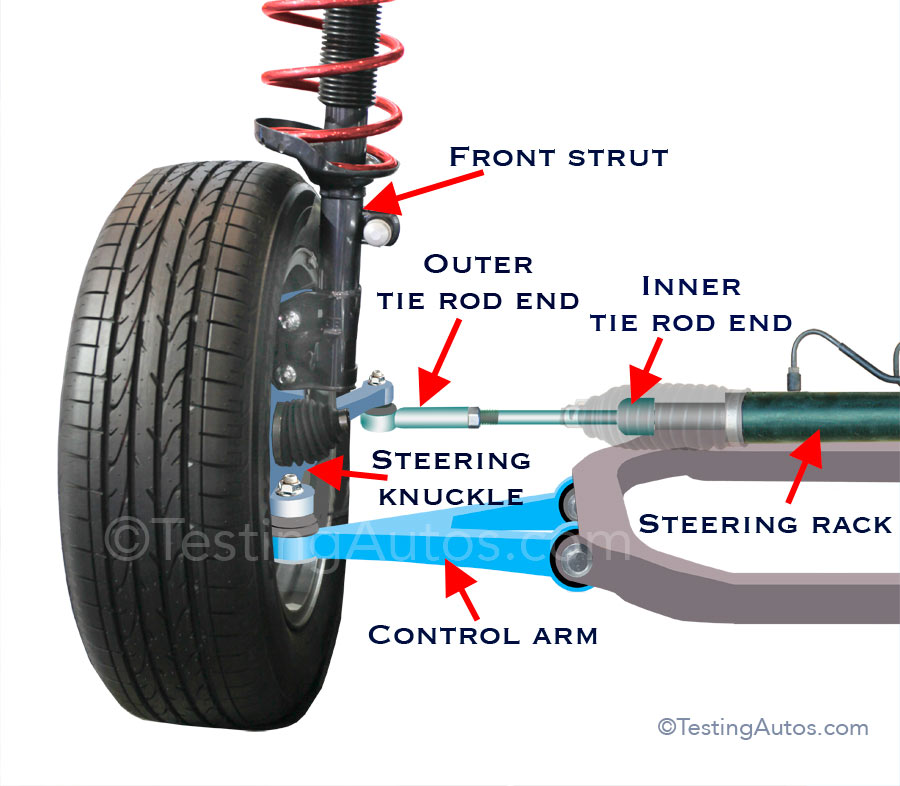
At its core, the steering system of a car is a complex network of components designed to translate the rotational motion of the steering wheel into the lateral movement of the wheels. Tie rods are an indispensable part of this system, acting as the crucial link that directly connects the steering rack (or steering box in older vehicles) to the steering knuckle, which is attached to the wheel hub. Think of them as the arms of the car’s steering mechanism.
How Tie Rods Facilitate Directional Control
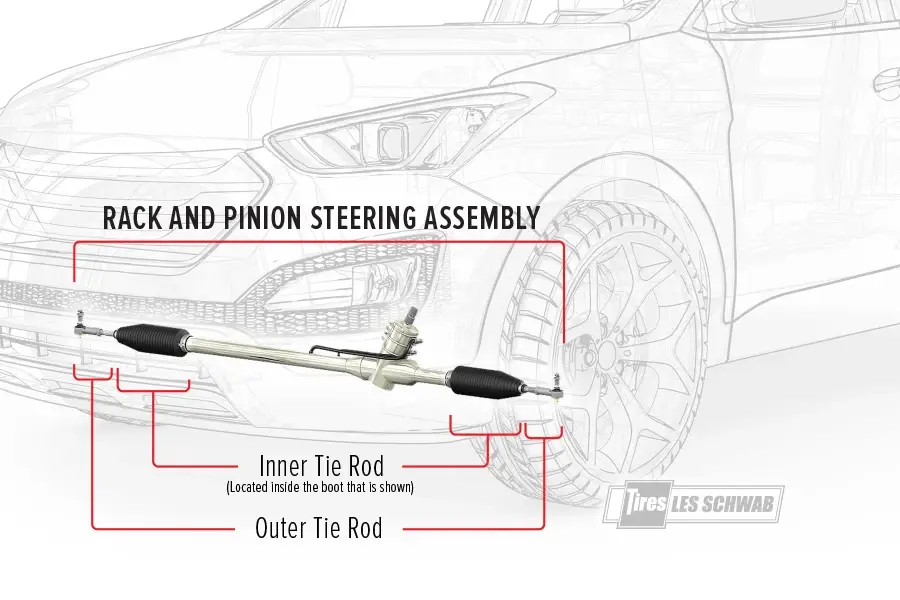
The steering rack is a gear mechanism that converts the steering wheel’s rotation into linear (side-to-side) motion. When you turn the steering wheel, the rack moves either left or right. This movement is then transmitted to the tie rods. Each tie rod, typically split into an inner tie rod and an outer tie rod, is connected to the steering rack at one end and the steering knuckle at the other via a ball joint (also known as a tie rod end).
- Inner Tie Rod: This component connects directly to the steering rack. It usually has a flexible boot to protect the internal joint from debris and moisture.
- Outer Tie Rod: This is the part that connects to the steering knuckle via the tie rod end. The tie rod end allows for the necessary articulation as the suspension moves and the wheel turns.
The design of tie rods, with their ball joints at the ends, is a testament to ingenious mechanical engineering. These ball joints are not just simple pivots; they allow for movement in multiple directions, accommodating the natural flexing and articulation of the suspension system as the car navigates uneven road surfaces. This ability to articulate is vital for smooth steering and preventing undue stress on the system.
The “tie” in tie rod refers to how they “tie” the steering rack to the wheels, ensuring that as the rack moves, the wheels are pulled or pushed in the corresponding direction. The length and angle of these rods are precisely engineered, and any deviation can lead to significant steering problems. This precision highlights the advanced technological considerations that go into even the most fundamental automotive systems.
Understanding the Impact of Tie Rod Wear
Like any mechanical component subjected to constant movement, vibration, and stress, tie rods can wear out over time. The ball joints at the ends are particularly susceptible to wear due to friction and exposure. When tie rods or their ends become worn, they develop play, meaning there’s excessive looseness in the connection.
The consequences of worn tie rods can manifest in several noticeable ways:
- Loose or Wandering Steering: The steering wheel might feel less responsive, and the car might drift or wander in its lane, requiring constant minor adjustments.
- Clunking Noises: A common symptom is a clunking or rattling sound, especially when turning the steering wheel or driving over bumps. This is the sound of the worn components moving loosely.
- Uneven Tire Wear: Worn tie rods disrupt proper wheel alignment. This misalignment can cause tires to wear unevenly, often on the edges, leading to premature tire replacement and increased costs.
- Difficulty in Alignment: If the tie rods are worn, it becomes impossible to properly align the wheels, further exacerbating tire wear and steering issues.
The technological advancement in materials science and manufacturing processes has led to more durable tie rod components. However, the fundamental physics of friction and stress remain, making regular inspection and eventual replacement a necessary part of vehicle maintenance.
The Technology Behind Tie Rod Engineering and Alignment
The design and function of tie rods are deeply rooted in automotive technology, encompassing both the physical components and the precise calibration required for them to work effectively. The concept of wheel alignment, which tie rods are central to, is itself a sophisticated technological discipline.
Precision Engineering and Material Science
Tie rods are typically made from high-strength steel to withstand the forces they endure. The manufacturing process involves precision machining to ensure that the components fit together perfectly and that the ball joints operate smoothly yet with controlled resistance. The protective boots are made from durable rubber or synthetic materials designed to keep out contaminants while allowing for flex.
The evolution of materials has seen improvements in the longevity and strength of tie rods. Modern vehicles often utilize alloys and manufacturing techniques that extend the lifespan of these components compared to older models. This is a direct reflection of ongoing technological advancements in the automotive industry.
The Critical Importance of Wheel Alignment
Wheel alignment refers to the precise angles at which your tires are set in relation to the road surface and each other. Tie rods are fundamental to achieving and maintaining correct alignment. The key alignment angles that tie rods influence include:
- Toe: This refers to the angle of the wheels when viewed from above. If the front edges of the tires are closer together than the rear edges, it’s “toe-in.” If they are farther apart, it’s “toe-out.” Tie rods are directly adjusted to set the toe angle. Proper toe is crucial for stable steering and preventing tire scrub.
- Camber: The inward or outward tilt of the tire when viewed from the front.
- Caster: The angle of the steering axis when viewed from the side.
When tie rods wear or are improperly adjusted, they throw off these critical angles. This is where the technological aspect of alignment comes into play. Modern alignment machines use sophisticated laser or camera systems to measure these angles with extreme precision, often within fractions of a degree. Technicians then use specialized tools to adjust the tie rods (by turning them to lengthen or shorten them) to bring the angles back within the manufacturer’s specifications.
A vehicle’s alignment is not just about the tires; it’s about the entire steering and suspension geometry. The tie rods are the direct means by which adjustments are made to ensure the car steers straight, handles predictably, and minimizes tire wear. This process highlights how seemingly simple mechanical parts are integrated into a complex, technologically controlled system.
Financial Implications: Maintaining Tie Rods for Vehicle Health and Your Wallet
While the technical intricacies of tie rods are fascinating, their condition has direct and significant financial implications for any car owner. Neglecting tie rod maintenance can lead to a cascade of escalating costs, making proactive attention to these components a wise financial decision.
The Cost of Neglect: From Minor Issues to Major Expenses
The initial signs of worn tie rods, such as loose steering or clunking noises, might seem minor. However, ignoring these symptoms can lead to much more expensive problems down the line:
- Premature Tire Replacement: As mentioned, worn tie rods cause misaligned wheels, leading to uneven and accelerated tire wear. Replacing tires prematurely can be a substantial expense, especially for high-performance or large vehicles. A set of tires can easily cost hundreds or even over a thousand dollars.
- Damage to Other Steering Components: The excessive play in worn tie rods can put undue stress on other parts of the steering system, such as the steering rack, power steering pump, and even suspension components like ball joints and control arms. This can result in a domino effect of failures, turning a relatively inexpensive tie rod replacement into a much larger repair bill.
- Reduced Fuel Efficiency: While not as significant as tire or steering component damage, severe misalignment caused by worn tie rods can subtly increase rolling resistance, leading to a slight decrease in fuel efficiency. Over time, this can add up.
- Safety Hazards and Potential Accidents: The most significant financial implication is the potential for accidents. A sudden failure of a tie rod, especially at speed or during a critical maneuver, can lead to a complete loss of steering control, resulting in damage to the vehicle, potential injury, and substantial liability. The cost of an accident, both financially and personally, is immeasurable.
Proactive Maintenance and Cost-Effective Solutions
The good news is that tie rod issues are generally preventable or manageable with proactive maintenance.
- Regular Inspections: Many vehicle manufacturers recommend periodic checks of the steering and suspension system as part of routine maintenance. This includes inspecting tie rods for signs of wear, damage, or looseness. Incorporating these checks into your regular oil changes or annual service can catch problems early.
- Prompt Repairs: If your mechanic identifies worn tie rods, addressing the issue promptly is crucial. Replacing tie rods is a relatively straightforward repair that typically involves removing the old ones and installing new ones, followed by a wheel alignment. The cost of this repair, including parts and labor, is generally much lower than the cost of replacing tires multiple times or fixing damage to a steering rack.
- Choosing Quality Parts: When replacing tie rods, opting for reputable brands and quality parts can ensure longevity and reduce the likelihood of repeat repairs. This is an area where a slight upfront investment can pay off in the long run, aligning with smart financial planning for your vehicle.
By understanding the critical role tie rods play and by prioritizing regular inspections and timely repairs, car owners can effectively protect their vehicles, ensure their safety on the road, and avoid the significant financial burdens associated with neglect. This proactive approach to automotive maintenance is a direct application of informed decision-making, bridging the gap between understanding the technology and managing personal finances.

Conclusion: The Unsung Heroes of Your Journey
Tie rods, though often overlooked, are fundamental components that ensure our vehicles respond precisely to our commands. They are a testament to the elegant engineering that underpins automotive technology, working silently to connect the driver’s intent to the wheels’ movement. From their mechanical function in steering to their intricate role in maintaining wheel alignment, tie rods are vital for safe and efficient driving.
Understanding what tie rods are and recognizing the signs of their wear is not just about car mechanics; it’s about informed vehicle ownership. It empowers you to make better decisions regarding maintenance, leading to a safer driving experience and significant financial savings in the long run. By appreciating these unsung heroes of your journey, you not only enhance your understanding of automotive technology but also contribute to the longevity and financial well-being of your vehicle. Regular checks, prompt repairs, and a commitment to proactive maintenance will ensure that your tie rods continue to perform their crucial duty, keeping you confidently in control of your drive.
aViewFromTheCave is a participant in the Amazon Services LLC Associates Program, an affiliate advertising program designed to provide a means for sites to earn advertising fees by advertising and linking to Amazon.com. Amazon, the Amazon logo, AmazonSupply, and the AmazonSupply logo are trademarks of Amazon.com, Inc. or its affiliates. As an Amazon Associate we earn affiliate commissions from qualifying purchases.