
In an increasingly digital world, where virtually every aspect of our lives is mediated by technology, it’s only natural that our financial communications have followed suit. Gone are the days when a mailbox overflowing with paper statements and invoices was the norm. Today, a new standard has emerged: eBills. More than just a paperless option, eBills represent a fundamental shift in how we manage our finances, interact with service providers, and even perceive brand responsibility. They are digital versions of traditional bills, delivered electronically and accessible through various secure platforms, from banking apps to dedicated company portals. This transition isn’t merely about convenience; it’s a multifaceted evolution impacting technology, personal and business finance, and brand perception, heralding a more efficient, secure, and environmentally conscious future.
The Core Concept: Understanding Electronic Billing
At its heart, an eBill is simply a digital invoice or statement. Instead of being printed, mailed, and received physically, it’s generated, transmitted, and stored electronically. This simple premise unlocks a cascade of benefits and introduces new considerations that are pivotal for individuals and organizations alike.
Defining eBills: Beyond Paperless
While often used interchangeably with “paperless billing,” eBills encompass a broader and more integrated concept. Paperless refers to the absence of a physical document, primarily focusing on environmental benefits. eBills, however, imply a richer, more interactive digital experience. They are not just PDFs emailed to you (though some forms might be); they are often integrated directly into online banking platforms, utility provider websites, or dedicated financial management applications. This integration allows for features like instant payment options, payment scheduling, detailed transaction histories, and customizable alerts – capabilities far beyond what a static PDF can offer. The distinction is crucial: eBills are about active digital management, not just passive digital receipt.
The Mechanics of Digital Delivery
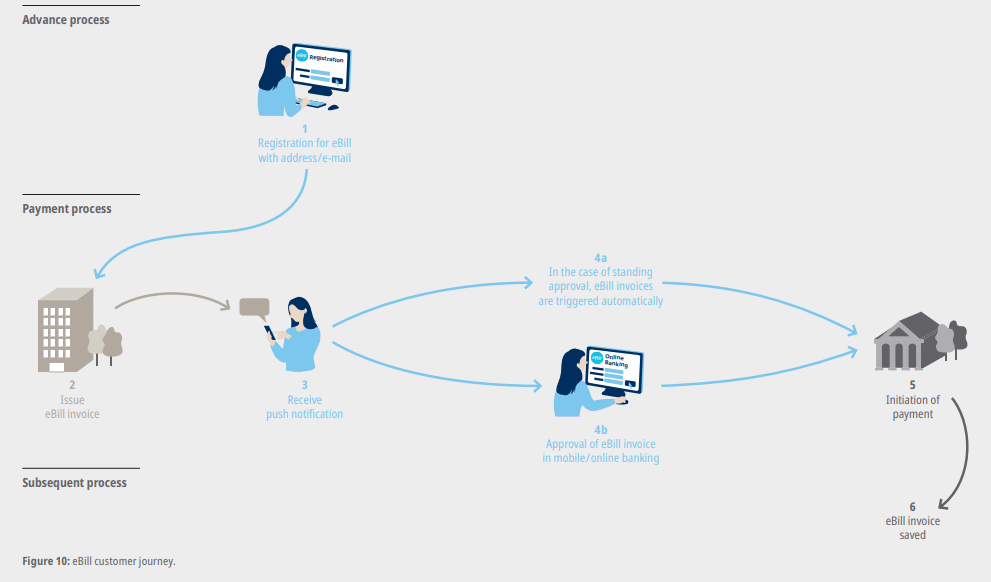
The process of eBill delivery relies on robust technological infrastructure designed for security, speed, and reliability. When a company issues an eBill, it’s typically generated by their billing system and then transmitted through secure channels. This transmission might involve direct integration with a customer’s online banking portal (via a service like E-Bill Presentment and Payment, or EBPP), or it could be hosted on the biller’s own secure website.
The key components in this ecosystem include:
- Biller Systems: The software used by companies to generate invoices and manage customer accounts.
- Payment Processors/Gateways: Secure services that facilitate the transfer of payment information and funds.
- Online Banking Platforms: Many banks act as intermediaries, allowing customers to view and pay eBills from multiple providers within a single, trusted interface.
- Secure Customer Portals: Dedicated websites or apps where customers can log in to access their bills, make payments, and manage their accounts directly with the service provider.
These mechanisms are designed to ensure that bill data is encrypted during transit and at rest, protecting sensitive financial information from unauthorized access.
Key Components and Technologies
The underlying technology supporting eBills is diverse and constantly evolving. It ranges from fundamental web security protocols like SSL/TLS encryption to sophisticated application programming interfaces (APIs) that allow different financial systems to communicate seamlessly. Cloud computing plays a significant role in hosting billing systems and customer portals, providing scalability and accessibility. Furthermore, advancements in data analytics allow companies to understand customer payment behaviors better, leading to more personalized billing experiences and proactive communication regarding due dates or potential issues. The robust interplay of these technologies is what makes the widespread adoption and reliability of eBills possible.
eBills Through the Lens of Technology: Innovation and Security
The rise of eBills is inextricably linked with technological advancements. From the software that processes them to the digital security measures that protect them, technology is the backbone of the eBilling revolution, driving productivity and shaping future trends.
Powering Productivity with Digital Tools
eBills are not just about receiving invoices; they’re about empowering users with tools to manage their financial lives more effectively. The landscape of Tech offers numerous solutions that integrate seamlessly with eBills, enhancing productivity for both individuals and businesses.
- Financial Management Apps: Personal finance apps like Mint, YNAB (You Need A Budget), or even proprietary banking apps allow users to consolidate all their eBills in one place. These apps often provide automated reminders, categorize spending, track budgets, and even facilitate direct payments, reducing the mental load of remembering due dates and manual data entry.
- Business Accounting Software: For businesses, eBills integrate directly into accounting platforms like QuickBooks, Xero, or SAP. This automation streamlines accounts payable, reduces manual errors, accelerates reconciliation, and provides real-time insights into cash flow. The ability to automatically sync invoices from vendors or present invoices to clients digitally dramatically cuts down on administrative tasks.
- Automation and Integration: The true power lies in automation. Many eBill systems can be set up for auto-pay, ensuring bills are paid on time every month without active intervention. Integration with calendar apps can create alerts, while integration with email filters can help organize digital receipts. This level of automation frees up valuable time for individuals and operational resources for businesses.
Safeguarding Your Financial Data: Digital Security Measures
While convenience is a major draw, Digital Security is paramount when dealing with financial information. The electronic nature of eBills necessitates robust security protocols to protect sensitive data from cyber threats.
- Encryption: All data transmitted and stored in eBilling systems is typically encrypted using industry-standard protocols (e.g., AES-256). This scrambles the information, making it unreadable to unauthorized parties.
- Multi-Factor Authentication (MFA): Access to eBill portals and financial apps often requires MFA, adding an extra layer of security beyond just a password. This could involve a code sent to your phone, a fingerprint scan, or facial recognition.
- Secure Servers and Data Centers: Companies hosting eBill services invest heavily in secure server infrastructures, including firewalls, intrusion detection systems, and regular security audits, to protect against data breaches.
- Phishing and Scams: While eBills themselves are secure, users must remain vigilant against phishing attempts. Scammers often send fake eBills or links to fraudulent websites mimicking legitimate billers. Education on identifying suspicious emails and using trusted access points (like direct login to official websites or banking apps) is crucial for digital security.
- Regular Software Updates: Keeping operating systems, browsers, and financial apps updated is vital, as updates often include critical security patches that protect against newly discovered vulnerabilities.
Emerging Tech Trends in eBilling
The evolution of eBills won’t stop here. Several Technology Trends are poised to reshape their future:
- AI and Machine Learning: AI could personalize bill management further, predicting spending patterns, identifying unusual charges, and even negotiating better rates on recurring bills. AI-powered chatbots could provide instant support for billing inquiries.
- Blockchain Technology: While still nascent, blockchain could offer enhanced security and transparency for financial transactions, potentially creating an immutable ledger for billing records, reducing fraud, and streamlining reconciliation for businesses.
- Smart Home Integration: Imagine a future where your smart refrigerator alerts you to an upcoming utility bill due date or your voice assistant reminds you of a payment through your home’s integrated ecosystem.
- Advanced Data Analytics: Companies will increasingly leverage anonymized eBill data to offer more tailored services, predict customer needs, and optimize their pricing strategies, all while maintaining strict privacy standards.
The Monetary Advantage: How eBills Streamline Finance
The impact of eBills on Money management is profound, offering substantial benefits for both personal finance and the intricate operations of business finance. They are not merely an administrative convenience but a powerful tool for financial optimization.
Personal Finance Simplified: Budgeting, Tracking, and Savings

For individuals, eBills transform the landscape of Personal Finance by making it easier to manage money, track expenses, and achieve savings goals.
- Enhanced Budgeting: With all bills accessible digitally and often integrated into budgeting apps, individuals can gain a clearer, real-time overview of their monthly expenditures. This visibility is critical for creating realistic budgets and identifying areas for potential savings. Automated categorization of eBill payments simplifies the tedious process of manual expense tracking.
- Timely Payments and Avoidance of Late Fees: eBills come with a plethora of notification options – email, SMS, app alerts – significantly reducing the chances of missing a due date. This proactive reminder system helps users avoid costly late fees and maintain a good credit score, which is essential for future financial endeavors like loans or mortgages.
- Reduced Clutter and Environmental Impact: While a direct monetary saving is minimal here for the individual, the reduction in paper waste aligns with growing environmental consciousness, making for a cleaner home and a greener planet.
- Consolidated View: Many online banking portals and financial apps offer a consolidated view of all eBills from various providers. This single dashboard approach makes it incredibly easy to see exactly what is owed, to whom, and when, preventing financial oversight and enabling better cash flow management.
Business Finance Revolutionized: Cost-Efficiency and Cash Flow
For businesses, the shift to eBills represents a significant revolution in Business Finance, translating directly into tangible cost savings and improved operational efficiency.
- Reduced Operational Costs: The most immediate financial benefit for businesses is the elimination of printing, postage, and administrative costs associated with paper billing. For companies sending thousands or millions of invoices, these savings can be substantial, impacting the bottom line directly.
- Accelerated Accounts Receivable: eBills facilitate faster payments. When customers receive bills digitally and have immediate payment options (e.g., one-click payments), they tend to pay quicker. This accelerates a company’s accounts receivable cycle, improving cash flow and reducing the need for short-term financing.
- Streamlined Reconciliation: Digital invoices integrate seamlessly with accounting software, automating the reconciliation process. This reduces manual errors, saves employee time, and provides more accurate financial reporting, which is crucial for strategic decision-making.
- Improved Dispute Resolution: With digital records, all billing information is easily accessible and auditable. This speeds up the process of resolving customer disputes and reduces the likelihood of discrepancies, further enhancing financial accuracy.
- Scalability and Efficiency: As businesses grow, eBilling systems can scale without a proportionate increase in administrative overhead, allowing companies to manage a larger volume of transactions more efficiently.
Navigating Online Income and Financial Tools
eBills also play an indirect role in the landscape of Online Income and the efficacy of Financial Tools. For those running online businesses or side hustles, digital invoicing is a necessity. Freelancers, consultants, and e-commerce entrepreneurs rely entirely on electronic billing to charge clients and receive payments efficiently. The existence of robust eBilling infrastructure enables these forms of online income to flourish by providing trusted and efficient payment mechanisms. Furthermore, the development of sophisticated financial tools, from budgeting software to investment platforms, is often predicated on the ability to integrate and process eBill data, offering users a comprehensive view of their financial health and empowering them to make informed decisions about their earnings and investments.
The Brand Impact: Building Trust and Enhancing Customer Experience
Beyond the technical and monetary advantages, eBills significantly influence how a Brand is perceived, impacting customer loyalty, corporate identity, and overall reputation in the marketplace.
A Greener Image: Sustainability and Corporate Responsibility
In an era of increasing environmental awareness, a brand’s commitment to sustainability is a powerful differentiator. Adopting eBills offers a clear statement of Corporate Responsibility.
- Eco-Friendly Stance: By reducing the need for paper, ink, and transportation associated with physical mail, companies demonstrate a commitment to environmental conservation. This resonates positively with a growing segment of environmentally conscious consumers.
- Modern and Forward-Thinking Identity: Companies that embrace eBills are often perceived as modern, technologically advanced, and forward-thinking. This contributes positively to their Corporate Identity and distinguishes them from competitors clinging to outdated practices.
- Alignment with Customer Values: Many consumers actively seek out brands that align with their values. Offering eBills can foster a sense of shared responsibility and attract customers who prioritize ecological impact.
Elevating the Customer Journey: Convenience and Personalization
eBills are a direct enhancement to the Customer Experience, offering convenience and opportunities for personalized engagement that strengthen brand loyalty.
- Unparalleled Convenience: The ability to access bills anytime, anywhere, and pay with a few clicks from a mobile device is a significant convenience factor. This “always-on” accessibility meets the demands of modern consumers who expect seamless digital interactions.
- Personalized Communication: eBilling platforms allow companies to personalize notifications, offer tailored payment plans, or even include targeted marketing messages that are relevant to the individual customer. This level of personalization can make customers feel more valued and understood.
- Enhanced Self-Service: Customers appreciate the ability to manage their accounts independently. eBill portals empower them to view past bills, track usage, update payment methods, and resolve minor issues without needing to contact customer support, leading to higher satisfaction.
- Consistent Branding: Even in a digital format, eBills and their associated portals provide an opportunity for Design consistency. A well-designed, intuitive eBill interface with clear branding reinforces the company’s identity and professional image, making the customer journey smoother and more pleasant.
Reputation Management in the Digital Age
The secure and efficient handling of eBills is crucial for a company’s Reputation Management. In the digital age, a single data breach or a poorly managed digital billing system can severely tarnish a brand’s image.
- Building Trust Through Security: By investing in robust digital security measures for their eBilling systems, companies demonstrate a commitment to protecting customer data. This builds trust, which is the cornerstone of any strong brand. Conversely, a breach can lead to a severe loss of trust, financial penalties, and lasting damage to the brand’s reputation.
- Reliability and Transparency: Brands that provide reliable eBill delivery and transparent access to billing information foster a sense of confidence among their customers. Clear communication regarding billing cycles, payment options, and any changes in service is vital.
- Customer Support Integration: While eBills promote self-service, exceptional customer support for any billing issues remains critical. A seamless integration between eBilling platforms and customer service channels ensures that customers can get help when needed, reinforcing a positive brand image.
- Positive Online Reviews: A smooth eBilling experience often translates into positive customer feedback and reviews, which are invaluable for Marketing and attracting new customers in the digital landscape. Conversely, frustrating digital billing experiences can quickly lead to negative online sentiment.
Embracing the Future: Tips for Transitioning to eBills
The transition to eBills is not just inevitable; it’s beneficial. Whether you’re an individual looking to streamline your personal finances or a business aiming for greater efficiency and a stronger brand, adopting eBills requires a systematic approach.
Getting Started: A Practical Guide
For individuals, the process of switching to eBills is straightforward:
- Identify Your Billers: Make a list of all your recurring bills (utilities, credit cards, insurance, subscriptions, loans, etc.).
- Visit Their Websites/Apps: Log into each biller’s online portal or app. Look for options like “Go Paperless,” “eBilling,” or “Manage My Preferences.”
- Opt-In: Select the electronic billing option. You might be asked to verify your email address or set up notifications.
- Consolidate (Optional but Recommended): Link your eBills to your online banking platform or a personal finance management app (e.g., Mint, YNAB) for a centralized view and easier management.
- Set Up Reminders/Auto-Pay: Utilize the notification features and consider setting up auto-pay for predictable bills to ensure timely payments.
For businesses, the transition is more complex, involving:
- Assess Current Systems: Evaluate your existing billing and accounting infrastructure.
- Choose a Solution: Select an eBilling and payment processing solution that integrates with your existing accounting software and meets your business needs (e.g., QuickBooks, Xero, dedicated EBPP platforms).
- Secure Communication: Clearly communicate the benefits of eBills to your customers and provide easy-to-follow instructions for signing up.
- Implement Security Protocols: Ensure your systems comply with industry security standards, including data encryption, secure payment gateways, and robust access controls.
- Pilot Program: Consider a pilot program with a subset of customers before a full rollout.
Best Practices for Security and Management
To fully harness the power of eBills while mitigating risks, adherence to best practices is essential:
- Strong Passwords and MFA: Always use unique, strong passwords for all financial accounts and enable multi-factor authentication wherever possible.
- Regular Monitoring: Periodically review your bank statements and eBill accounts for any unauthorized transactions or suspicious activity.
- Beware of Phishing: Be extremely cautious of emails claiming to be from billers asking for personal information or directing you to unfamiliar websites. Always log in directly to your official banking or biller portals.
- Secure Network: Only access your eBills and financial accounts over secure, private networks. Avoid public Wi-Fi for sensitive transactions.
- Backup Digital Records: While eBill portals often store historical data, consider periodically downloading and securely storing important eBills for your records.
- Review Notification Settings: Customize your eBill notifications to ensure you receive timely alerts without being overwhelmed.
- Maintain Updated Software: Keep your operating systems, web browsers, and financial apps updated to benefit from the latest security patches.
In conclusion, eBills are far more than a simple digital alternative to paper statements. They are a pivotal component of our evolving financial ecosystem, deeply intertwined with advancements in technology, influencing how we manage our money, and shaping the very identity and reputation of brands. By embracing eBills, individuals gain unprecedented control over their personal finances, while businesses unlock significant efficiencies and cultivate a stronger, more sustainable brand image. The undeniable shift towards this digital financial future underscores the importance of understanding, adopting, and securing eBills as a cornerstone of modern financial management.
aViewFromTheCave is a participant in the Amazon Services LLC Associates Program, an affiliate advertising program designed to provide a means for sites to earn advertising fees by advertising and linking to Amazon.com. Amazon, the Amazon logo, AmazonSupply, and the AmazonSupply logo are trademarks of Amazon.com, Inc. or its affiliates. As an Amazon Associate we earn affiliate commissions from qualifying purchases.