
Dress pants are a quintessential element of professional and formal wear, serving as a sartorial cornerstone for individuals navigating the complexities of modern business, social engagements, and personal branding. Far more than mere trousers, they embody a blend of tailored precision, quality materials, and a polished aesthetic designed to convey professionalism, confidence, and respect. In an era increasingly defined by rapid technological advancements, strategic branding, and astute financial management, the humble dress pant stands as a surprisingly relevant touchstone, intertwining with these contemporary pillars in ways that transcend traditional fashion commentary.
From their historical roots as formal attire to their current iteration as versatile garments adapting to hybrid work environments and evolving fashion sensibilities, dress pants have consistently signaled a commitment to presentation. This article delves into the multifaceted world of dress pants, exploring their defining characteristics, their profound impact on personal and corporate branding, the surprising role technology plays in their creation and consumption, and the financial wisdom behind investing in quality professional attire.

More Than Just Fabric: The Essence of Dress Pants
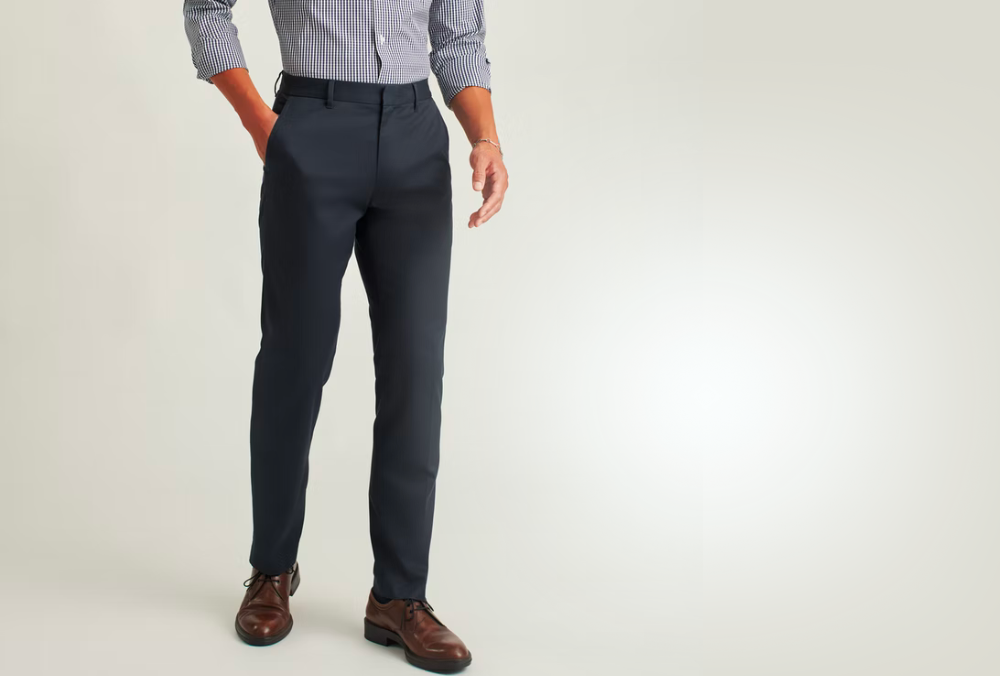
At its core, a pair of dress pants is designed to create a sleek, refined silhouette that elevates one’s appearance above casual everyday wear. Understanding what constitutes a dress pant involves appreciating its specific characteristics, which collectively contribute to its formal appeal.
Defining the Modern Professional Silhouette
The defining features of dress pants typically include their fabric, cut, and construction. Unlike jeans, chinos, or cargo pants, dress pants are traditionally made from more refined materials such as wool (gabardine, flannel, worsted), linen, silk blends, or high-quality synthetic blends engineered for drape and durability. These fabrics often possess a smoother texture and a more luxurious feel, contributing to their formal aesthetic.
The cut is paramount. Dress pants are usually tailored to offer a clean line, avoiding excessive bagginess or overly casual distressing. Common cuts include straight leg, slim fit, and sometimes a slight taper, all designed to elongate the leg and provide a streamlined look. They typically feature a flat front or subtle pleats, a smooth waistband with belt loops, and often a crease running down the front of each leg, which adds to their sharpness. Pockets are usually discreet, often slanted or jetted, maintaining the sleek profile. The absence of external pockets or heavy stitching found in casual trousers further distinguishes them. The overall goal is to present an uncluttered, sophisticated appearance suitable for a variety of professional and semi-formal settings.
A Foundation for Personal Branding
In today’s competitive landscape, personal branding is no longer confined to digital profiles or networking events; it’s an holistic projection of one’s professional identity. Dress pants play a critical, albeit often understated, role in this. They serve as a visual cue, communicating professionalism, attention to detail, and a serious approach to one’s endeavors.
For individuals in finance, law, corporate leadership, or client-facing roles, a well-chosen pair of dress pants is virtually a uniform that instills confidence and credibility. When you dress professionally, you not only present a better image to others but also often feel more confident and focused yourself – a psychological boost that enhances productivity and performance. This is particularly salient in a world where initial impressions, whether in a boardroom or on a video call, can significantly impact career trajectories and business opportunities. A consistent, polished appearance, anchored by appropriate professional attire, becomes a powerful non-verbal component of one’s personal brand, signaling reliability, competence, and respect for the occasion and the people involved.
The Tech-Driven Evolution of Professional Attire
While dress pants might seem like a timeless classic, impervious to rapid change, the truth is that technology has profoundly influenced their creation, features, and how we acquire and manage them. From advanced textile engineering to sophisticated retail experiences, tech is reshaping professional wear.
Smart Fabrics and Sustainable Innovation
The materials science behind modern dress pants is a testament to technological advancement. Gone are the days when comfort and wrinkle resistance were mutually exclusive with formality. Today, “smart fabrics” are commonplace, integrating properties that enhance performance and longevity. We now see dress pants made with:
- Stretch Technology: Blends incorporating elastane or spandex provide unprecedented comfort and freedom of movement, crucial for long days in the office or travel, without compromising the tailored look.
- Wrinkle Resistance: Advanced fabric treatments and fiber structures minimize creasing, keeping garments looking sharp throughout the day, a boon for productivity and maintaining a polished personal brand.
- Moisture-Wicking and Breathability: Innovations originally found in athletic wear are now migrating to professional attire, ensuring comfort in varying climates and reducing the likelihood of discomfort during busy schedules.
- Sustainable Materials: As environmental consciousness grows, textile technology is also focusing on sustainability. Recycled polyesters, organic cotton, Tencel, and innovative blends derived from renewable resources are increasingly used, often with AI-driven optimization in manufacturing to reduce waste and energy consumption. This aligns with broader corporate branding efforts emphasizing ethical practices.
Furthermore, AI and machine learning are beginning to impact design and production. AI can analyze fashion trends, predict popular styles, optimize fabric patterns for minimal waste, and even assist in creating bespoke tailoring patterns based on individual measurements, offering a level of customization previously reserved for haute couture.
Digital Tools for the Modern Wardrobe
Technology doesn’t just impact how dress pants are made; it revolutionizes how we shop for them and integrate them into our daily lives. The rise of e-commerce has made dress pants accessible globally, with digital storefronts offering vast selections and detailed product information.
- Virtual Try-On and Augmented Reality (AR): Several brands and platforms now offer virtual try-on experiences, allowing customers to “wear” garments digitally using AR technology. This not only enhances the online shopping experience but also helps in making informed purchase decisions, reducing returns and increasing customer satisfaction.
- AI-Powered Style Recommendations: Algorithms analyze browsing history, past purchases, and user preferences to suggest dress pants and complementary outfits, functioning as a digital personal stylist. This saves time, improves outfit coordination, and helps individuals refine their personal brand effortlessly.
- Wardrobe Management Apps: Apps designed to catalog one’s clothing, suggest outfits, and track wear patterns are becoming increasingly sophisticated. They help users maximize their wardrobe investment, ensure variety, and plan outfits efficiently, directly contributing to personal productivity.
- Digital Security in Online Shopping: With the proliferation of online transactions, secure payment gateways and robust digital security protocols are paramount, ensuring consumer confidence when purchasing high-value items like quality dress pants. This ties into the broader website theme of digital security.
These digital tools transform the mundane task of clothing acquisition into an integrated, data-driven process, ensuring that professional attire is not only well-chosen but also strategically managed within one’s lifestyle.
Investing in Your Image: Dress Pants as a Financial Asset
The decision to purchase dress pants, particularly high-quality ones, should be viewed not merely as an expense but as a strategic financial investment in one’s personal and professional capital. The intersection of money and dress pants extends beyond the price tag, touching upon long-term financial planning, brand perception, and career advancement.
Strategic Wardrobe Investment
Investing in a few well-made pairs of dress pants can yield significant financial returns over time. While the initial outlay for premium trousers might be higher, their durability, timeless style, and versatility often translate into a lower “cost-per-wear.”
- Longevity and Durability: Quality dress pants, often made from superior fabrics and constructed with greater attention to detail, withstand repeated wear and cleaning better than cheaper alternatives. This means less frequent replacement, saving money in the long run.
- Versatility: A classic pair of dress pants can be dressed up or down, paired with blazers for formal meetings, or with sweaters for business casual environments. This versatility reduces the need for an extensive wardrobe, optimizing expenditure.
- Budgeting for Professional Attire: Just as one budgets for other essential expenditures, allocating funds for professional attire is a sound financial practice. Financial tools and apps can help track clothing budgets, ensuring that investments in personal branding are managed responsibly. Consider it a line item in your personal finance strategy, akin to investing in a professional development course or networking events. It’s an investment in your career trajectory.
Moreover, the increasing trend of reselling quality pre-owned clothing through online platforms (an emerging “side hustle” for some) means that a well-maintained, high-quality pair of dress pants can retain a portion of its value, offering an element of financial recovery on the initial investment.
Economic Impact and Brand Value
The economic impact of dress pants stretches into the realm of business finance and brand strategy. Fashion brands specializing in professional attire often command higher price points due to their established reputation for quality, design, and consistency.
- Brand Reputation and Pricing: Luxury brands invest heavily in their corporate identity, marketing, and the perception of exclusivity. This translates into higher prices for their dress pants, which consumers are willing to pay for the assurance of quality, status, and contribution to their own personal brand.
- Perceived Value in Business: For businesses, a well-dressed workforce, which often includes employees in dress pants, can enhance the corporate image and brand reputation. It signals professionalism and attention to detail to clients and partners, potentially influencing business deals and client retention.
- Contribution to Online Income and Side Hustles: For individuals engaged in online income generation or side hustles, especially those involving client interactions (e.g., coaching, consulting, content creation with a professional focus), presenting a polished image, even on video calls, can significantly impact perceived credibility and trustworthiness. This directly influences their ability to attract clients and command higher fees, making dress pants a contributing factor to financial success in the digital economy.
In essence, whether it’s the personal financial decision to invest in a durable wardrobe or the broader economic implications for fashion brands and corporate image, dress pants are inextricably linked to financial acumen and strategic value creation.
Beyond the Boardroom: Versatility and Future Trends
The world of work is constantly evolving, with traditional office environments giving way to hybrid models, remote work, and flexible schedules. Dress pants, far from becoming obsolete, are adapting and proving their enduring versatility.
Adapting to New Work Cultures
The dress code pendulum has swung towards business casual for many industries, yet the core principles of professionalism remain. Dress pants thrive in this environment, offering a sophisticated alternative to jeans without the full formality of a suit.
- Hybrid Work Models: For professionals splitting their time between home and office, dress pants offer the perfect balance. They are comfortable enough for a home office, yet immediately ready for an in-person meeting or video conference, projecting competence and preparedness.
- Video Calls and Digital Presence: In an age dominated by virtual meetings, “above-the-waist” dressing has become a recognized phenomenon. However, a complete, polished look, including appropriate lower attire, reinforces a professional mindset and prevents awkward situations. Dress pants ensure one is always client-ready, even if only partially visible on screen. They contribute to a consistent and reliable personal brand in the digital sphere.
- Versatility in Styling: Modern dress pants are designed to be paired with a wider range of tops, from crisp button-downs and blazers to stylish sweaters and even sophisticated polo shirts, making them incredibly adaptable to various professional and semi-formal social contexts.

The Future of Professional Wear
Looking ahead, the evolution of dress pants will likely continue to integrate technological advancements, sustainability, and changing social norms. We can anticipate:
- Further Integration of Smart Technology: While still niche, the concept of “smart textiles” in professional wear could expand, perhaps with embedded sensors for health monitoring, self-cleaning fabrics, or temperature regulation, though these innovations would need to be seamlessly integrated to maintain the classic aesthetic.
- Hyper-Personalization through AI: Advanced AI tools will likely offer even more precise customization for fit and style, enabling mass-produced bespoke garments tailored to individual body types and aesthetic preferences.
- Dominance of Sustainable and Ethical Sourcing: As consumer awareness of environmental and social impact grows, brands will face increasing pressure to utilize sustainable materials and ethical manufacturing practices, making “green” dress pants the norm rather than the exception. This will be a significant aspect of future brand strategy and corporate identity.
- Fluidity of Formality: The lines between formal and casual will likely continue to blur, leading to dress pants that are even more comfortable, performance-oriented, and aesthetically versatile, suitable for a broader spectrum of activities beyond traditional work.
In conclusion, dress pants are far more than a simple garment. They are a complex product of evolving fashion, technological innovation, strategic branding, and sound financial decision-making. They continue to play a pivotal role in how individuals present themselves, build their personal brands, navigate their careers, and engage with the world. As technology advances and work cultures transform, the dress pant will undoubtedly continue to adapt, retaining its status as a timeless symbol of professionalism and refined style.
aViewFromTheCave is a participant in the Amazon Services LLC Associates Program, an affiliate advertising program designed to provide a means for sites to earn advertising fees by advertising and linking to Amazon.com. Amazon, the Amazon logo, AmazonSupply, and the AmazonSupply logo are trademarks of Amazon.com, Inc. or its affiliates. As an Amazon Associate we earn affiliate commissions from qualifying purchases.